You’ve invested in outdoor furniture to create a cozy, inviting space. But have you ever wondered if you really need to cover it when it's not in use?
Leaving your furniture exposed might seem fine at first, but over time, sun, rain, and dust can wear it down faster than you think. What if there was a simple way to keep your pieces looking new and save money on repairs or replacements?
Keep reading to discover whether covering your outdoor furniture is worth it—and how it can protect your investment all year round.
Why Cover Outdoor Furniture
Outdoor furniture faces many challenges from the environment. Covering it helps keep it in good shape for longer.
Protecting your furniture saves money and keeps your outdoor space looking nice.
Shielding From Weather Damage
Sun, rain, wind, and snow can damage outdoor furniture. Covers act as a shield against these elements.
Without covers, materials can crack, rust, or weaken over time.
- Blocks harmful UV rays
- Keeps rain and snow off
- Reduces wind wear and tear
Preventing Fading And Discoloration
Sunlight causes colors to fade and fabrics to lose their brightness. Covers protect against this damage.
Keeping furniture covered helps maintain its original look and color for a longer time.
- Blocks UV rays that cause fading
- Keeps fabrics and paint vibrant
- Preserves the furniture’s appearance
Avoiding Moisture And Mold
Moisture from rain or dew can cause mold and mildew to grow on furniture. Covers prevent this problem.
Dry furniture lasts longer and stays healthier without mold or bad smells.
- Keeps moisture away from surfaces
- Prevents mold and mildew buildup
- Reduces risk of odors and stains
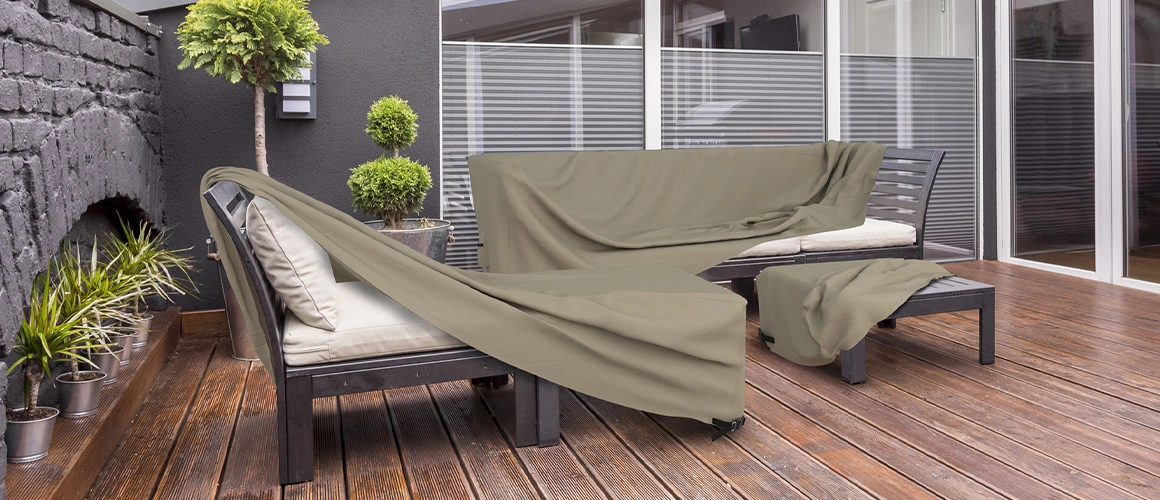
Credit: www.coversandall.com
Types Of Outdoor Furniture Materials
Outdoor furniture comes in many materials. Each type needs special care to last long.
Covering your furniture can protect it from weather damage. The need to cover depends on the material.
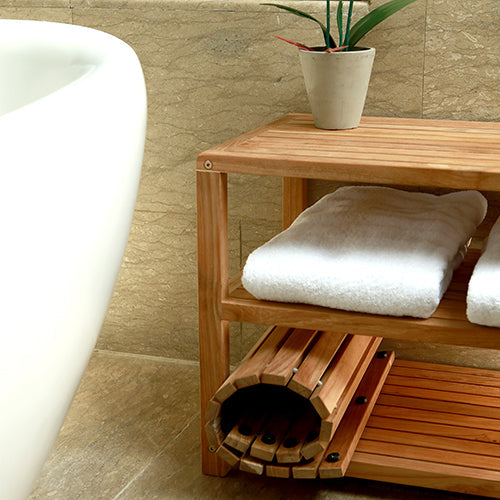
Wood Furniture Care
Wood furniture looks nice outside but needs regular care. It can warp or crack if left wet.
Cover wood furniture during heavy rain or snow. Use breathable covers to stop moisture buildup.
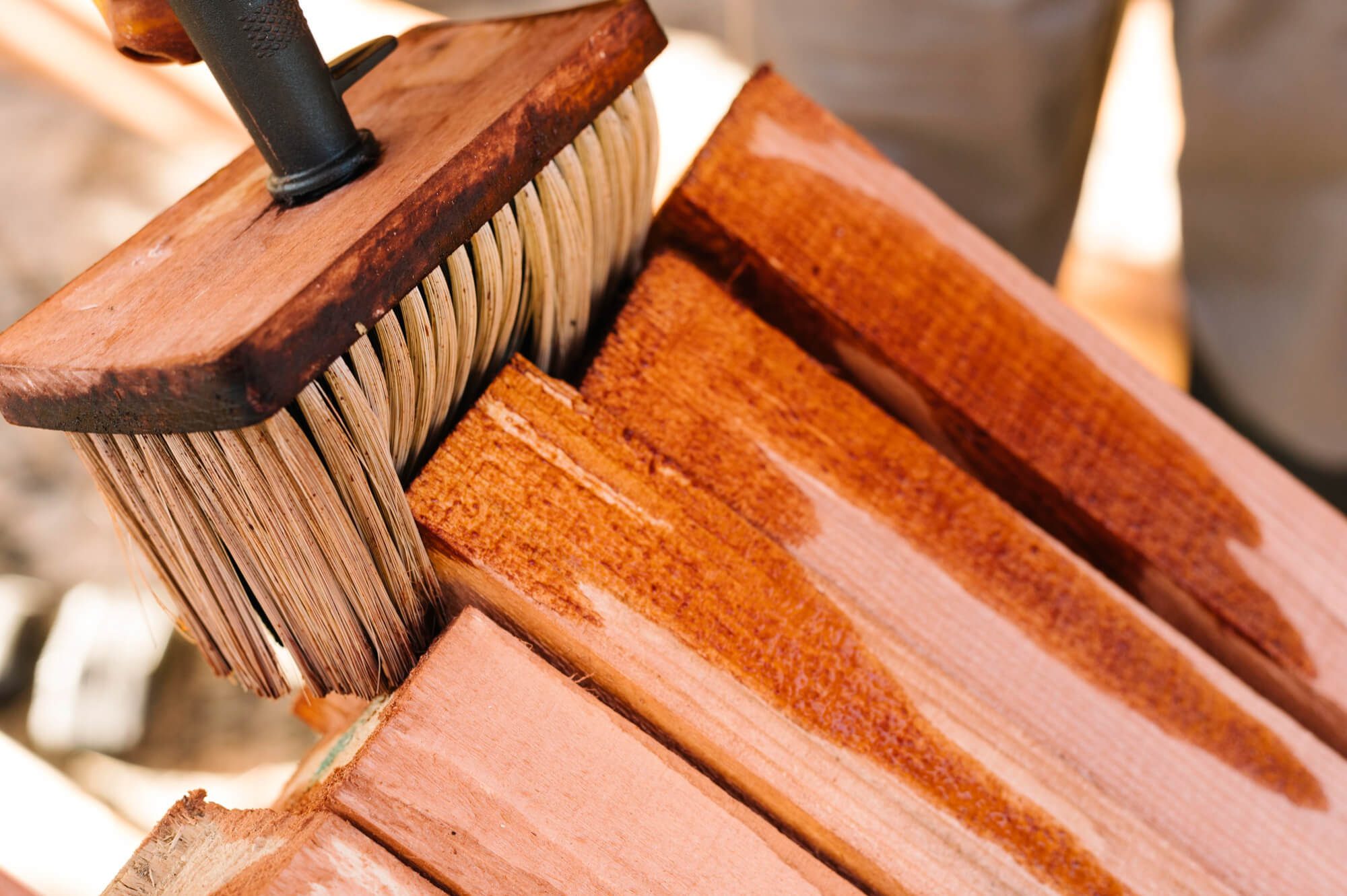
- Apply sealant or oil yearly to protect wood
- Keep furniture dry and clean
- Store indoors or under cover in winter
Metal Furniture Protection
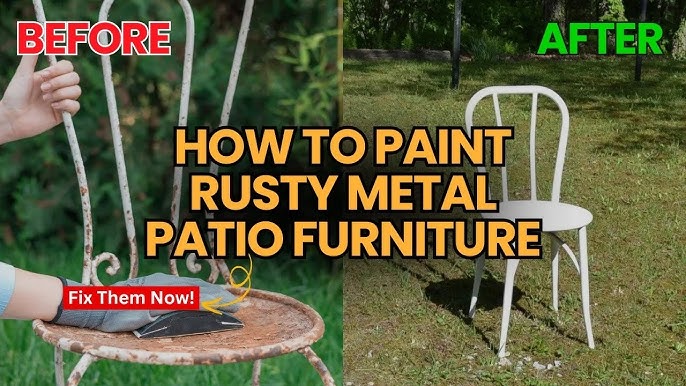
Metal furniture is strong but can rust if exposed to water. Cover it to prevent rust.
Use waterproof covers and check for scratches often. Paint or spray rust-proof coating if needed.
- Clean metal furniture regularly to remove dirt
- Cover during rain and snow
- Fix chips or scratches quickly to avoid rust
Plastic And Resin Maintenance
Plastic and resin furniture resists water well. It usually needs less covering.
Covering helps stop fading from sun and keeps furniture clean. Use light covers to avoid heat buildup.
- Wash furniture with soap and water often
- Cover to protect from sun damage
- Store in shade if possible
Wicker And Rattan Considerations
Wicker and rattan furniture look great but are fragile. They can crack or fade in bad weather.
Cover wicker and rattan furniture to keep it dry and clean. Avoid heavy covers that trap moisture.
- Use breathable covers to prevent mold
- Clean with a soft brush and mild soap
- Bring furniture inside during harsh weather
Choosing The Right Covers
Outdoor furniture needs protection from weather and dirt. Using the right covers keeps your furniture safe and looking good.
Covers come in many types and materials. Picking the right one helps your furniture last longer.
Material Options For Covers
Cover materials vary in strength and weather resistance. Some materials protect better against rain, sun, or dust.
Common materials include polyester, vinyl, and canvas. Each has its own benefits for outdoor use.
- Polyester:Lightweight and water-resistant.
- Vinyl:Strong and waterproof but less breathable.
- Canvas:Durable and breathable but can absorb water.
Size And Fit Importance
A cover that fits well stays in place and protects fully. Too small covers leave spots exposed to weather.
Too large covers can flap in wind and wear out faster. Measure your furniture before buying covers.
- Measure width, length, and height of furniture.
- Check cover dimensions before purchase.
- Look for covers with adjustable straps or drawstrings.
Breathability And Ventilation
Good covers allow air to flow to stop moisture buildup. Moisture can cause mold and damage furniture.
Look for covers with vents or breathable fabrics. This helps keep furniture dry while covered.
- Vents reduce trapped humidity inside the cover.
- Breathable fabrics prevent mildew and odors.
- Non-breathable covers can cause condensation damage.
Covering Techniques And Tips
Outdoor furniture needs protection from rain, sun, and dust. Using covers helps keep furniture clean and lasts longer.
Good covering techniques prevent damage and save time on repairs. Learn easy tips to cover furniture correctly.
Securing Covers Properly
Covering furniture without securing covers can cause them to blow away. Use ties or straps to hold covers in place.
Make sure covers fit snugly but do not press tightly on furniture edges. This stops water from pooling and causing damage.
- Use elastic hems or drawstrings for a tight fit
- Fasten straps or buckles under furniture legs
- Check covers after strong wind or storms
- Leave some space for air to prevent mold
Timing For Covering Furniture
Cover furniture before bad weather arrives. This helps avoid water damage and sun fading.
Do not cover furniture when it is wet. Moisture trapped under covers can cause mold and rust.
- Check weather forecasts regularly
- Cover furniture in late fall or before rain
- Uncover furniture on dry, sunny days
- Store covers in a dry place when not used
Cleaning Before Covering
Clean furniture well before covering. Dirt and leaves can trap moisture and cause stains or damage.
Use mild soap and water to wipe surfaces. Let furniture dry completely before placing covers.
- Remove loose dirt with a brush or cloth
- Clean cushions and fabric parts gently
- Dry all parts thoroughly in the sun
- Store cushions separately if possible
Alternative Protection Methods
Outdoor furniture faces many weather challenges. Covering is one way to protect it. You can also use other methods to keep furniture safe and looking good.
These alternative ways help reduce damage from rain, sun, and dirt. They can extend the life of your furniture without always needing covers.
Using Furniture Storage
Storing outdoor furniture indoors is a strong way to protect it. Keep it in a garage or shed during bad weather or winter months.
Storage stops exposure to rain, sun, and cold. It also prevents dirt and dust buildup on the furniture.
- Choose a dry, ventilated storage area
- Clean furniture before storing
- Use furniture covers inside storage for extra protection
- Store cushions separately to avoid mildew
Applying Protective Sealants
Protective sealants create a barrier on furniture surfaces. They help prevent water damage and fading from the sun.
Sealants work well on wood, metal, and some plastics. Apply them regularly to keep furniture safe and looking fresh.
- Clean furniture before applying sealant
- Choose sealants made for your furniture material
- Follow the instructions on drying time
- Reapply sealant every season for best results
Positioning And Placement Strategies
Where you place furniture can reduce its exposure to weather. Position pieces under shade or near walls for extra shelter.
Good placement limits sun damage and rain exposure. It also makes cleaning easier and protects furniture from wind-blown debris.
- Place furniture under a covered patio or awning
- Avoid low spots where water pools
- Keep furniture away from direct sun for long times
- Use windbreaks like fences or plants nearby

Credit: www.hgtv.com
Maintaining Furniture Under Covers
Outdoor furniture covers protect your furniture from weather damage. They help keep dirt, rain, and sun away. But furniture under covers still needs care.
Proper maintenance stops damage and keeps your furniture looking good. Regular checks and cleaning are important steps.
Regular Inspection And Cleaning
Look at your furniture under covers often. Check for dirt, stains, or damage. Clean it gently to avoid buildup.
Use a soft cloth or brush to remove dust. Mild soap and water work well for most materials.
- Inspect furniture weekly or biweekly
- Wipe off dirt and debris carefully
- Spot clean stains quickly
- Dry furniture before covering again
Handling Moisture Build-up
Moisture can collect under covers and cause mold or mildew. This harms furniture and cover material.
Allow air to flow by lifting covers sometimes. Use breathable covers to reduce moisture buildup.
- Lift covers on dry, sunny days
- Use covers made from breathable fabric
- Place furniture in a shaded, dry area
- Remove water from covers after rain
Preventing Pest Infestations
Covered furniture can attract pests like insects or rodents. They may nest or cause damage.
Keep the area clean and check for signs of pests. Use natural repellents if needed to keep bugs away.
- Clear leaves and debris near furniture
- Check covers for holes or tears
- Use cedar blocks or lavender sachets
- Seal cracks or openings in furniture
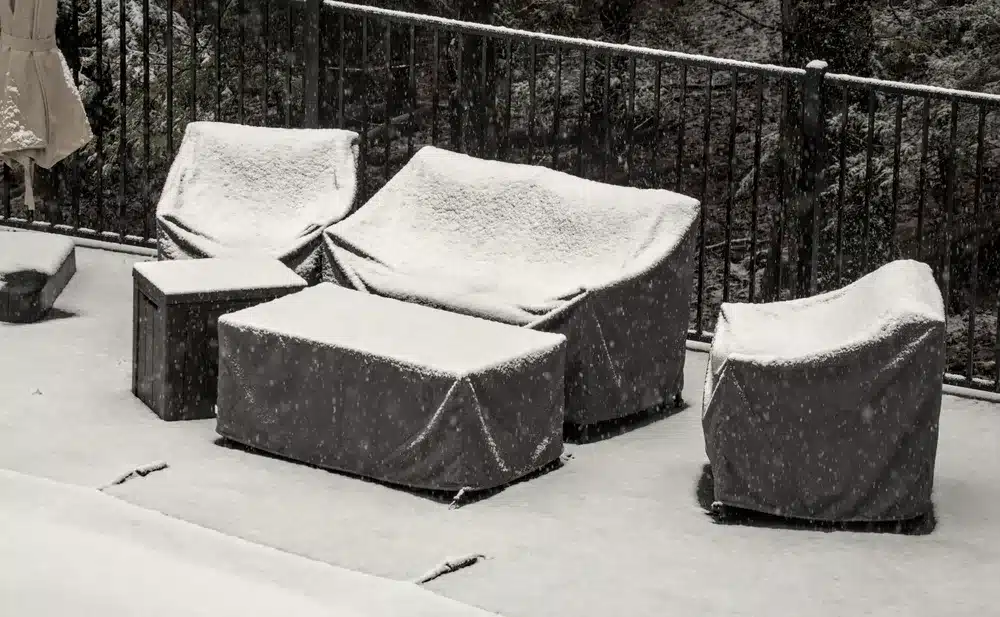
Credit: blog.storage.com
Frequently Asked Questions
Why Cover Outdoor Furniture In Winter?
Covering outdoor furniture in winter protects it from harsh weather conditions. Snow, ice, and cold can damage materials. Covers help extend the furniture's lifespan by preventing moisture build-up and rust. They also keep your furniture clean and ready for use when the warmer months return.
Can Rain Damage Outdoor Furniture?
Yes, rain can damage outdoor furniture if it's not properly protected. Water can cause wood to warp and metal to rust. Cushions can also develop mold or mildew. Using waterproof covers or storing furniture indoors during heavy rain can prevent potential damage and prolong its life.
Is It Necessary To Cover Outdoor Furniture In Summer?
Covering outdoor furniture in summer is advisable to protect it from sun damage. UV rays can fade colors and weaken materials. Covers help maintain the furniture's appearance and durability. They also keep it clean from dust and debris, ensuring it's ready for use anytime.
How Often Should I Cover Outdoor Furniture?
You should cover outdoor furniture whenever it's not in use for extended periods. This includes during rain, snow, or when exposed to harsh sunlight. Regularly using covers minimizes weather-related wear and tear. It also helps maintain your furniture's appearance and functionality over time.
Conclusion
Covering outdoor furniture helps protect it from rain and sun damage. It keeps cushions dry and prevents fading. Covers also reduce dirt buildup and make cleaning easier. Not all furniture needs covering, but it helps extend lifespan. Choose covers that fit well and allow air flow.
Regular care and covering ensure your furniture stays nice longer. A small effort pays off with less repair and replacement. Protect your outdoor space with simple, smart steps.