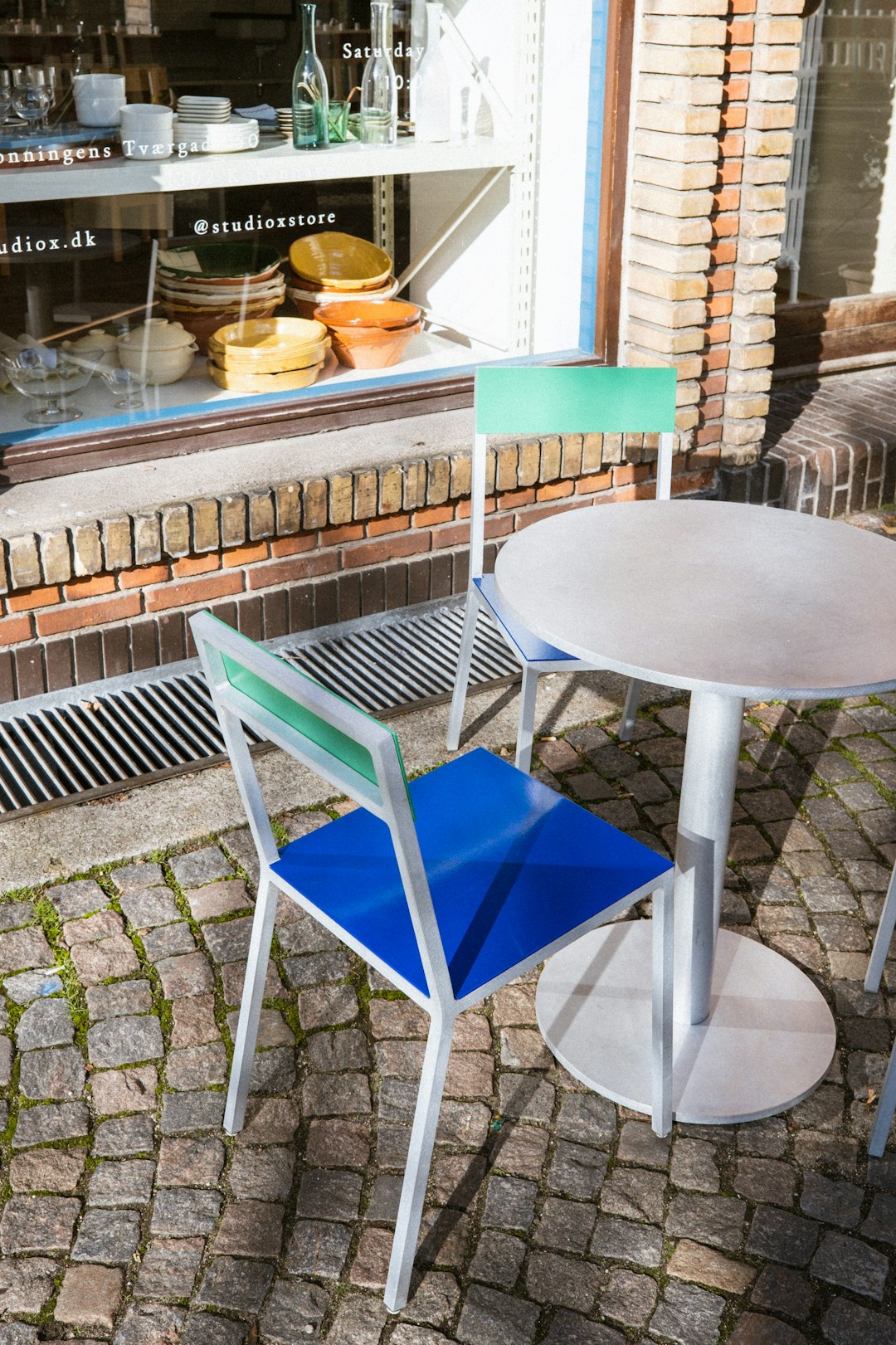
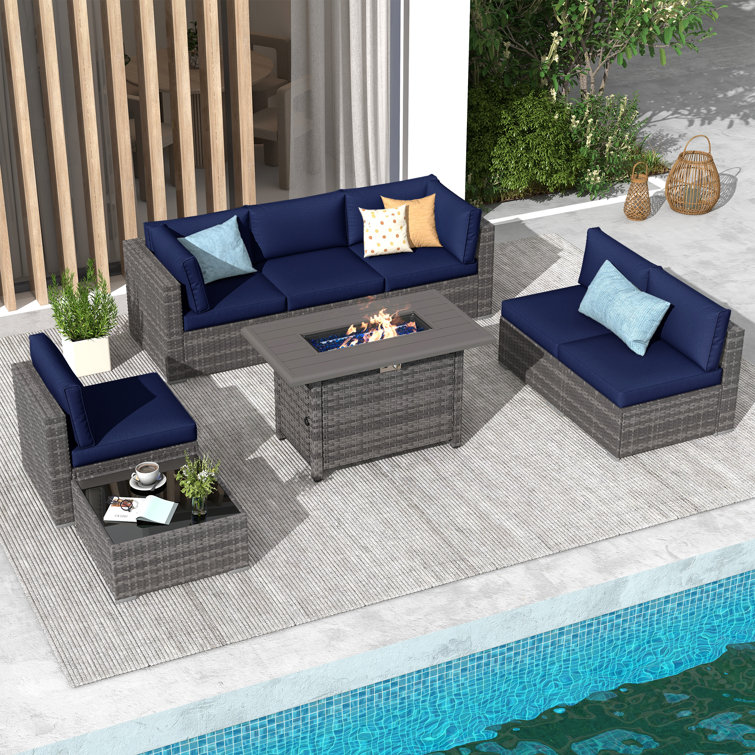
Your outdoor patio furniture is more than just a place to sit—it’s where memories are made, and your personal style shines. But over time, exposure to sun, rain, and dust can leave your favorite pieces looking tired and worn out.
What if you could bring them back to life without spending a fortune on new furniture? In this guide, you’ll discover simple, effective ways to recover your outdoor patio furniture. Imagine relaxing on chairs that look fresh and inviting again—ready for your next gathering or quiet afternoon.
Keep reading, and you’ll learn how to transform your outdoor space with easy steps anyone can follow.

Credit: lovegrowswild.com
Assessing Furniture Condition
Before you start recovering your outdoor patio furniture, check its condition carefully. This step helps you decide what repairs or cleaning you need.
Look closely at all parts of the furniture. Check for any damage or wear that could affect the recovery process.
Checking For Damage
Inspect your furniture for cracks, rust, or broken parts. Damage can make recovery harder or need extra repair work.
Look under cushions, joints, and frames. Small problems can get worse if ignored during recovery.
- Check for loose screws or bolts
- Look for rust or corrosion on metal parts
- Find cracks or splits in wood or plastic
- Notice any fading or peeling paint
Identifying Material Types
Know the materials your furniture is made of. Different materials need different cleaning and recovering methods.
Common materials include wood, metal, plastic, and wicker. Each reacts differently to weather and cleaning products.
- Wood:Can crack or fade; needs sealing or staining.
- Metal:Prone to rust; requires rust removal and painting.
- Plastic:Usually durable; can crack under sun exposure.
- Wicker:May unravel or break; needs gentle cleaning.
Cleaning Techniques
Outdoor patio furniture can get dirty from weather and use. Cleaning it regularly keeps it looking nice and lasts longer.
Using the right cleaning methods helps remove dirt and stains without damage. This guide covers simple steps for cleaning your furniture.
Removing Dirt And Debris
Start by brushing off loose dirt and leaves. Use a soft brush or cloth to avoid scratches.
After brushing, rinse the furniture with water. A garden hose works well for this step.
Using Natural Cleaners
Natural cleaners are safe and gentle on your furniture. They also protect the environment.
- Mix warm water with mild dish soap.
- Use a soft cloth or sponge to clean surfaces.
- Rinse with clean water to remove soap.
- Dry with a soft towel or air dry.
Handling Stubborn Stains
Stubborn stains may need extra care. Use a paste made from baking soda and water for tough spots.
Apply the paste to the stain and gently scrub with a soft brush. Let it sit for 10 minutes before rinsing.
- Test cleaners on a small area first.
- Avoid harsh chemicals that can damage finishes.
- Repeat cleaning if stains do not come out at first.
Repairing Common Issues
Outdoor patio furniture often faces wear and tear from weather and use. Fixing small problems early can extend its life. This guide covers common repairs for patio furniture.
Learn how to fix loose joints, replace broken parts, and deal with rust. These fixes keep your furniture safe and comfortable.
Fixing Loose Joints
Loose joints make furniture unstable and unsafe. Tightening screws or bolts can often solve this problem quickly. If screws are stripped, replace them with new ones.
Use wood glue or metal adhesive to strengthen joints that wobble. Clamp the pieces together until the glue dries for a tight bond.
- Check all screws and bolts regularly
- Replace stripped screws with larger ones if needed
- Apply glue to wooden joints for extra strength
- Clamp glued parts until fully dry
Replacing Broken Parts
Broken slats, legs, or arms reduce furniture use and safety. Remove the damaged part carefully. Match the new piece to the old one for size and material.
Attach the replacement securely with screws or nails. Sand edges to avoid splinters. Paint or seal the new part to protect it from weather.
- Identify the broken parts to replace
- Find matching materials for repairs
- Use proper tools to remove old parts safely
- Secure new parts firmly with screws or nails
- Finish with paint or sealant to protect
Addressing Rust And Corrosion
Rust and corrosion weaken metal furniture and cause damage. Start by cleaning rusted areas with a wire brush or sandpaper. Remove all loose rust for a smooth surface.
Apply a rust converter or primer to stop rust from returning. Finish with a coat of weather-resistant paint to protect metal parts.
- Clean rust with a wire brush or sandpaper
- Use rust converter or metal primer
- Paint with weather-resistant paint
- Check metal parts regularly for new rust

Credit: thevspotblog.com
Restoring Finishes
Outdoor patio furniture can lose its shine from sun and rain. Restoring finishes brings back its beauty. This helps protect the furniture from damage.
Restoring finishes takes a few simple steps. Sanding, painting or staining, and sealing are key parts. Each step improves the look and life of your furniture.
Sanding And Smoothing Surfaces
Sanding removes old paint, dirt, and rough spots. It makes the surface smooth and ready for a new finish. Use sandpaper with medium grit for best results.
Sand in the direction of the wood grain. Wipe away dust with a clean cloth before painting or staining. Smooth surfaces help finishes stick better.
Applying Paint Or Stain
Choose paint or stain based on your furniture type. Paint covers the surface and adds color. Stain soaks into wood and shows its grain.
Apply thin, even coats with a brush or sprayer. Let each coat dry fully before adding another. This prevents peeling and uneven spots.
- Use outdoor paint or stain for weather resistance
- Follow the product instructions for drying time
- Work in a well-ventilated area
Sealing For Protection
Sealing locks in the paint or stain to protect against rain and sun. It helps prevent cracks, fading, and water damage. Use a clear outdoor sealer.
Apply sealer with a brush in smooth strokes. Let it dry completely. Reapply sealer every year to keep your furniture safe and looking fresh.
- Choose a water-resistant sealer
- Apply in dry weather
- Wear gloves for protection
Revamping Cushions And Fabrics
Outdoor patio furniture often shows wear from sun, rain, and use. Revamping cushions and fabrics makes your furniture look fresh and inviting.
Simple care and updates can extend the life of your furniture. Focus on cleaning, replacing covers, and adding protection.
Cleaning Outdoor Fabrics
Clean fabrics remove dirt, stains, and mildew. Use mild soap and water for gentle cleaning. Avoid harsh chemicals that damage fibers.
Rinse well and let cushions dry completely in the sun. This stops mold from growing and keeps fabrics fresh.
- Use soft brush or cloth
- Mix mild detergent with water
- Spot clean stains quickly
- Dry cushions in open air
Replacing Cushion Covers
Old or torn cushion covers need replacement to improve comfort and look. Choose fabrics that fit your style and furniture size.
Remove old covers carefully and measure cushions before buying new ones. Sew or buy ready-made covers for easy updates.
- Measure cushion length, width, and thickness
- Select durable, weather-resistant fabric
- Use zippers or Velcro for easy removal
- Consider custom covers for perfect fit
Adding Waterproof Treatments
Waterproof treatments protect fabrics from rain and spills. They keep cushions dry and prevent mold and mildew growth.
Apply sprays evenly and let fabric dry fully before use. Repeat treatment every few months for best results.
- Choose fabric-safe waterproof spray
- Clean fabric before application
- Spray in a well-ventilated area
- Allow fabric to dry completely
- Reapply regularly for lasting protection
Maintaining Refreshed Furniture
Outdoor patio furniture needs care to stay fresh and last longer. Regular maintenance keeps your furniture looking good.
Simple cleaning and proper storage help protect your furniture from damage and wear.
Regular Cleaning Tips
Clean your patio furniture often to remove dirt and dust. Use mild soap and water for most materials.
Rinse with clean water and dry well to avoid stains and damage.
- Wipe surfaces with a soft cloth
- Use a brush for textured areas
- Avoid harsh chemicals that can harm finishes
- Clean cushions separately according to their care tags
Seasonal Care Advice
Check your furniture at the start of each season. Look for cracks, rust, or loose parts.
Apply protective treatments like sealants or covers to extend life during harsh weather.
- Inspect for damage and fix quickly
- Apply waterproof spray to cushions
- Use rust-resistant paint on metal frames
- Cover furniture during heavy rain or snow
Storage Recommendations
Store furniture indoors or in a dry place during winter or long breaks. This prevents weather damage.
Use breathable covers to avoid mold and mildew when storing furniture outside.
- Choose a clean, dry storage area
- Stack chairs and tables carefully to avoid scratches
- Remove and store cushions separately
- Check stored furniture monthly for issues

Credit: branchbasics.com
Frequently Asked Questions
How Can I Clean Outdoor Patio Furniture?
To clean outdoor patio furniture, first brush off loose dirt. Use mild soap and water with a soft cloth for cleaning. Rinse thoroughly with a garden hose and let it dry under the sun. Avoid harsh chemicals to prevent damage and maintain the material's integrity.
What Materials Are Best For Patio Furniture Covers?
High-quality patio furniture covers should be made from waterproof and UV-resistant materials like polyester or vinyl. These materials protect against weather elements and prevent fading. Ensure covers have reinforced seams and secure tie-downs for durability. Choosing the right material extends the life of your outdoor furniture.
How Often Should I Recover My Patio Furniture?
The frequency of recovering patio furniture depends on usage and exposure. Typically, every 2-3 years is ideal. If the fabric shows signs of wear, fading, or damage, consider recovering sooner. Regular maintenance checks can help determine the right time for recovering, ensuring your furniture looks its best.
Can I Use A Pressure Washer On Patio Furniture?
Yes, but use a low-pressure setting to avoid damage. Ensure the furniture material can withstand pressure washing. Test a small area first, and maintain a safe distance. Avoid using pressure washers on delicate fabrics or materials, as they can cause tearing or other damage.
Conclusion
Restoring outdoor patio furniture brings new life to your space. Small repairs and fresh cushions make a big difference. Clean materials carefully and protect them from weather. Regular care keeps furniture looking good longer. Enjoy your outdoor area with comfort and style.
Simple steps save money and reduce waste. Try these tips to refresh your patio today.