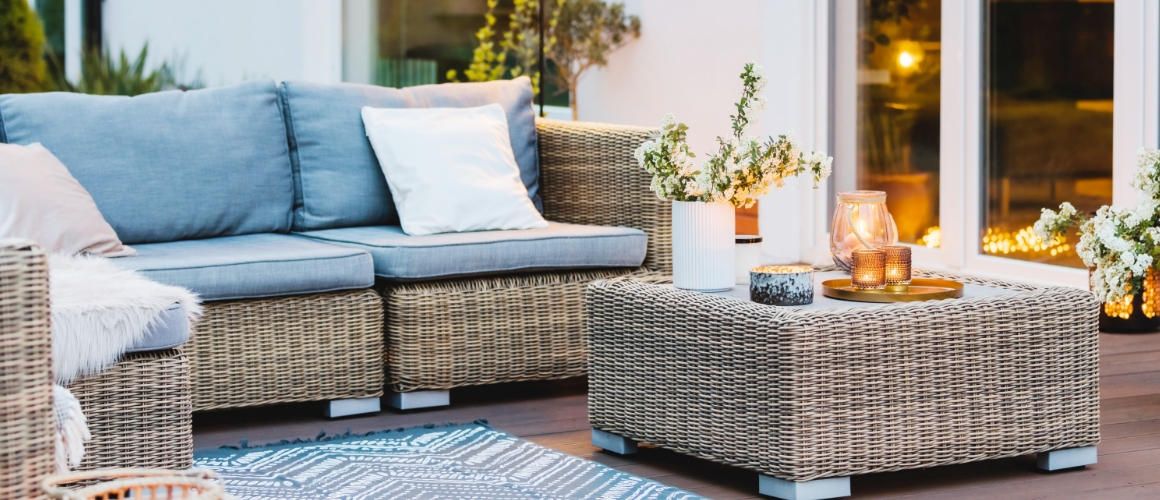
Your wicker outdoor furniture adds charm and comfort to your outdoor space. But have you ever wondered how to keep it looking new and strong through all seasons?
Without the right care, your beautiful furniture can fade, crack, or wear out faster than you expect. You’ll discover simple, effective ways to protect your wicker pieces. By following these tips, you can enjoy your outdoor oasis longer and save money on costly repairs or replacements.
Ready to keep your wicker furniture in top shape? Let’s dive in!

Credit: www.furnituremaxi.com
Choosing The Right Wicker
Picking the right wicker is key to protecting your outdoor furniture. The choice affects how long your furniture lasts and how easy it is to care for.
Wicker comes in natural and synthetic types. Each type has different strengths and weaknesses for outdoor use.
Natural Vs Synthetic Wicker
Natural wicker is made from plant materials like rattan, bamboo, or reed. It looks warm and classic but needs more care outdoors.
Synthetic wicker is made from plastic or resin. It looks similar to natural wicker but holds up better in sun and rain.
- Natural wicker can fade or crack in harsh weather.
- Synthetic wicker resists moisture and sun damage.
- Natural wicker feels softer but may need special cleaning.
- Synthetic wicker cleans easily with soap and water.
Durability Factors
Durability depends on the material quality and how the wicker is made. Good weaving adds strength and prevents sagging.
Other factors like UV resistance and water resistance affect how long wicker furniture lasts outside.
- Look for UV-protected synthetic wicker to prevent fading.
- Check if natural wicker has a weatherproof finish.
- Tight weaving improves strength and comfort.
- Thicker wicker strands last longer than thin ones.
Regular Cleaning Routine
Keeping wicker outdoor furniture clean helps it last longer. Dust and dirt can damage the material over time.
A regular cleaning routine removes dirt and keeps the furniture looking fresh. This helps protect it from weather effects.
Dust And Dirt Removal
Remove dust and loose dirt often to prevent buildup. Use a soft brush or cloth to clean the surface gently.
A vacuum cleaner with a brush attachment can help reach tight spots. Clean your furniture at least once a week.
- Use a soft brush or microfiber cloth
- Vacuum with a brush attachment
- Clean under cushions and in crevices
- Work gently to avoid breaking the wicker
Deep Cleaning Methods
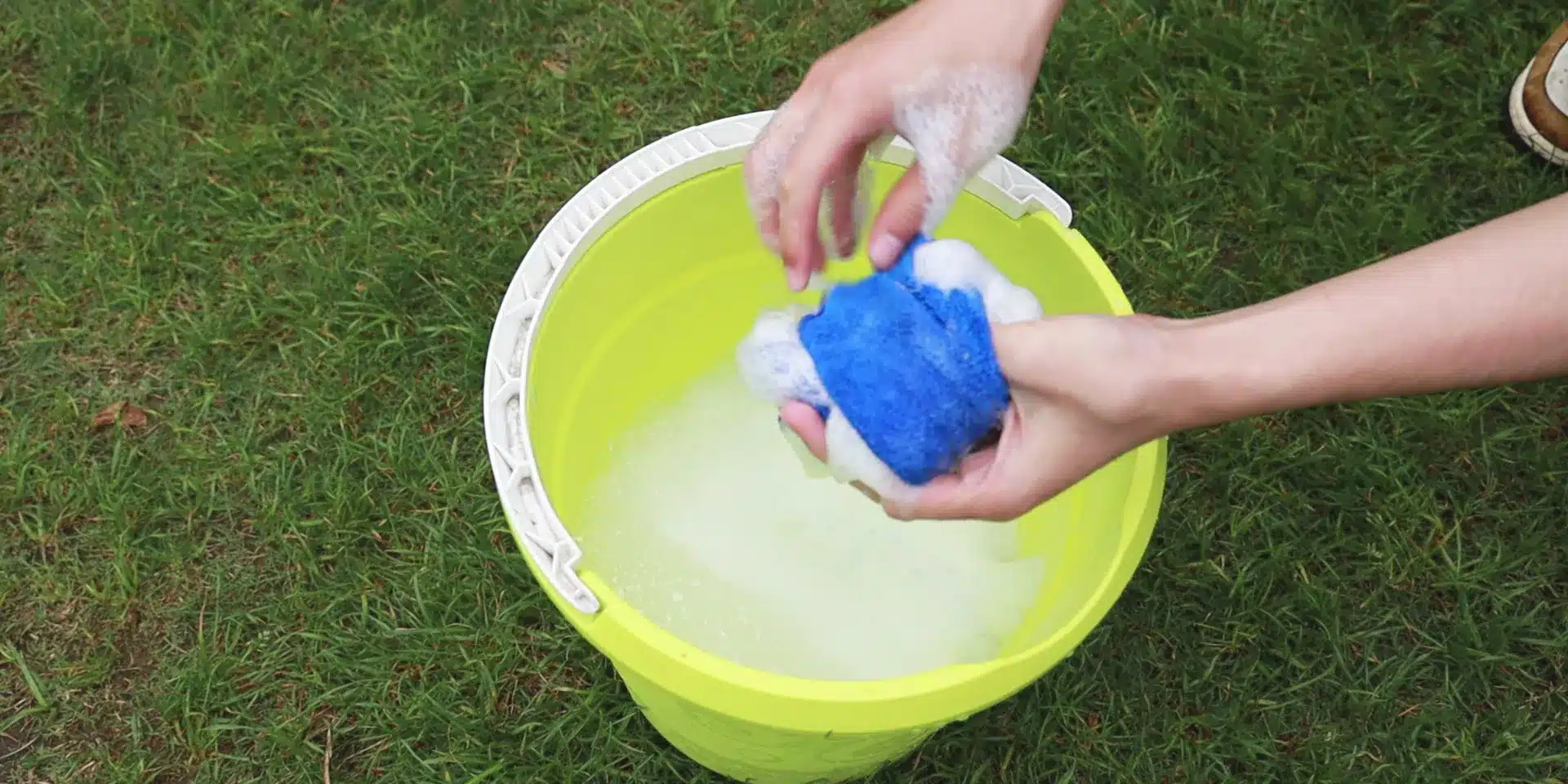
Deep cleaning removes stubborn dirt and stains. Use mild soap and water to wash the wicker carefully.
Rinse with clean water and dry the furniture fully. Avoid soaking the wicker to stop damage and mold growth.
- Mix mild soap with warm water
- Use a soft cloth or sponge to wash
- Rinse with clean water
- Dry in sunlight or a well-ventilated area
Protecting Against Weather
Wicker outdoor furniture looks great but needs care to last long. Weather can damage it over time. Protecting your furniture helps keep it strong and beautiful.
Simple steps can stop sun, rain, and moisture from hurting your wicker furniture. Knowing what to do can save money and effort later.
Sun Exposure Effects
Strong sun rays can fade wicker color and make it brittle. The heat dries out the fibers and causes cracks. Long sun exposure lowers furniture life.
Placing furniture in shaded spots reduces sun damage. Moving pieces indoors on hot days also helps protect them.
Rain And Moisture Protection
Rain and moisture soak into wicker and cause mold or mildew. Wet furniture may swell and lose shape. It also weakens the frame over time.
Keep furniture raised off wet ground. Wipe off water after rain to dry it quickly. Use sealants designed for wicker to block moisture.
- Place furniture on a patio or deck
- Dry furniture with a soft cloth after rain
- Apply water-resistant sealant yearly
Using Furniture Covers
Furniture covers protect wicker from sun, rain, and dirt. Covers keep moisture out and stop dust buildup. Using covers extends furniture life.
Choose covers made from breathable material. Tight covers stop water but allow air to prevent mold. Always cover furniture when not in use.
- Pick covers that fit your furniture size
- Use covers in all weather conditions
- Remove covers occasionally to air furniture
Repairing Minor Damages
Wicker outdoor furniture can get small damages from daily use. Fixing these minor problems keeps your furniture strong and looking good.
Simple repairs often stop damage from getting worse. Quick fixes save money and extend your furniture’s life.
Fixing Loose Weaves
Loose weaves are common in wicker furniture. They make the piece look worn and feel unstable. Fixing loose weaves helps keep the structure firm.
Use a small tool like a knitting needle to lift and weave the loose strands back into place. Push them tightly so they do not move again.
- Gently pull loose strands
- Weave them back into the pattern
- Press strands firmly to secure
- Trim any extra ends carefully
Handling Small Cracks
Small cracks can appear in wicker from sun and weather exposure. Fixing cracks early stops them from growing larger.
Apply a bit of wood glue or clear epoxy to the crack. Press the crack closed and hold it until the glue sets. Wipe away any extra glue before it dries.
- Clean the cracked area
- Apply glue carefully inside the crack
- Hold the crack closed firmly
- Let the glue dry fully before use
Storing Wicker Furniture
Wicker furniture looks great outside but needs care to last long. Storing it properly keeps it safe from damage.
This guide helps you store your wicker furniture to protect it from weather and wear.
Indoor Storage Tips
Storing wicker furniture indoors is the best way to protect it. Keep it in a dry, cool place away from direct sunlight.
Clean the furniture before storing. Remove dust and dirt with a soft brush or cloth. Avoid damp areas to stop mold growth.
- Choose a dry room with good airflow
- Place furniture away from heaters or vents
- Cover with breathable fabric to keep dust off
- Store cushions separately in a dry spot
Seasonal Storage Guidelines
Before storing wicker furniture for a season, clean it well and let it dry completely. This prevents damage during storage.
If indoor storage is not possible, use waterproof covers. Make sure air can flow to avoid moisture build-up.
- Clean and dry furniture thoroughly
- Use padded furniture covers that allow airflow
- Store in a shaded or covered outdoor area
- Check the furniture regularly for signs of damage

Credit: liveouter.com
Applying Protective Coatings
Protective coatings help keep wicker outdoor furniture safe from weather damage. These coatings stop water, sun, and dirt from harming the wicker.
Applying the right coating can make your furniture last longer and look better. It also makes cleaning easier.
Types Of Sealants
There are different sealants you can use on wicker furniture. Each type offers unique protection.
- Clear Varnish:A shiny finish that protects from water and UV rays.
- Polyurethane:Strong and durable, it forms a hard layer on the surface.
- Marine Sealant:Made for wet conditions, it protects against moisture and salt.
- Wax Coating:Adds a thin protective layer that repels water and dust.
Choose a sealant based on your climate and how often you use your furniture.
Application Techniques
Preparing the furniture is important before applying any coating. Clean and dry the wicker well to get the best results.
Use a brush or spray to apply the sealant evenly. Multiple thin coats work better than one thick coat.
- Clean the furniture with mild soap and water.
- Let it dry completely, preferably in the sun.
- Apply the first coat using a soft brush or spray.
- Wait for the coat to dry before adding more layers.
- Apply 2 to 3 coats for full protection.
- Let the final coat dry for 24 hours before use.
Credit: www.coversandall.com
Frequently Asked Questions
How Do I Clean Wicker Outdoor Furniture?
To clean wicker outdoor furniture, start by dusting it with a soft brush. Use a mild soap and water solution for deeper cleaning. Gently scrub with a soft cloth or brush, then rinse with water. Allow it to dry completely in the shade to prevent sun damage.
Can Wicker Furniture Be Left Outside?
Wicker furniture can be left outside, but protection is crucial. Use furniture covers to shield it from rain and sun. Consider placing it under a covered area or using a sealant to enhance durability. Regular maintenance ensures your wicker furniture stays in good condition longer.
What Is The Best Way To Protect Wicker?
To protect wicker, apply a quality outdoor furniture sealant regularly. Use covers to guard against harsh weather. Position furniture in shaded areas to minimize sun exposure. Regular cleaning and maintenance are also essential to prolong the life of your wicker furniture.
How Often Should I Oil Wicker Furniture?
Oil wicker furniture every six months to maintain flexibility and prevent cracking. Use a light oil, such as linseed or mineral oil. Apply with a soft cloth, ensuring even coverage. Regular oiling helps keep your wicker furniture looking fresh and prolongs its lifespan.
Conclusion
Protecting your wicker outdoor furniture takes simple steps. Clean it regularly to remove dirt and dust. Use covers to shield it from sun and rain. Store pieces indoors during harsh weather. Treat the wicker with protective sprays to keep it strong.
These small actions help your furniture last longer. Enjoy your outdoor space with well-maintained wicker pieces. Care today means furniture stays beautiful tomorrow.