Are you waking up with neck pain or feeling restless despite a full night’s sleep? Your memory foam pillow might be the hidden culprit.
But how often should you replace it to keep your sleep comfortable and your health in check? Knowing the right time to swap out your pillow can make a big difference in how well you rest and how refreshed you feel each morning.
Keep reading to discover clear signs and expert tips that will help you decide exactly when it’s time for a new memory foam pillow—because your best sleep depends on it.
Signs Your Memory Foam Pillow Needs Replacement
Memory foam pillows offer great comfort and support. Over time, they wear out and lose their benefits.
Knowing when to replace your pillow helps keep your sleep healthy and comfortable.
Loss Of Shape And Support
Memory foam pillows should keep their shape to support your head and neck. If your pillow flattens or sags, it does not provide enough support.
A pillow that no longer bounces back or feels lumpy can cause neck pain and poor sleep.
Unpleasant Odors
New memory foam pillows have a mild smell that fades quickly. Persistent bad odors mean your pillow is old or dirty.
Smelly pillows can affect your breathing and sleep quality.
Visible Stains And Discoloration
Stains and yellowing on your pillow cover or foam show it is time to replace it. These marks come from sweat, oils, and dirt.
Cleaning can help, but deep stains mean the pillow has aged and may harbor bacteria.
Increased Allergies Or Discomfort
If you start sneezing, coughing, or feeling itchy at night, your pillow might be the cause. Old pillows collect dust mites and allergens.
Replacing your memory foam pillow can reduce allergies and improve comfort.
Average Lifespan Of Memory Foam Pillows
Memory foam pillows offer good support and comfort for sleeping. Knowing how long they last helps you keep your sleep healthy.
This article explains the usual lifespan of memory foam pillows. It also covers factors that change how long they last and how they compare to other pillows.
Typical Duration In Years
Most memory foam pillows last about 2 to 3 years. After this time, they may lose shape or support. Using pillows longer than this can cause discomfort.
Some high-quality pillows can last up to 4 years if taken care of well. But many users find they need to replace theirs sooner for better comfort.
Factors Affecting Pillow Longevity
Several things affect how long a memory foam pillow lasts. How often you use it and your sleeping habits matter a lot. Also, how you clean and store it plays a role.
- Frequency of use: Daily use wears pillows faster
- Body weight: Heavier weight compresses foam more
- Cleaning method: Proper cleaning prevents damage
- Storage: Keeping pillows dry stops mold and mildew
- Quality of foam: Higher density foam lasts longer
Differences Between Pillow Types
Memory foam pillows differ from other types like feather or polyester. Foam pillows keep shape longer but can feel firmer. Other pillows may flatten quicker but feel softer.
| Pillow Type | Average Lifespan | Comfort Level | Support |
|---|---|---|---|
| Memory Foam | 2-3 years | Firm | High |
| Feather | 1-2 years | Soft | Medium |
| Polyester | 1-2 years | Medium | Low |
| Latex Foam | 3-4 years | Medium-Firm | High |
Impact Of Pillow Age On Sleep Quality
Memory foam pillows provide support and comfort for a good night's sleep. Over time, these pillows lose their shape and firmness. This change can affect how well you rest each night.
Knowing when to replace your memory foam pillow helps keep your sleep quality high. Old pillows may cause discomfort and reduce the benefits of a restful sleep.
Effects On Neck And Spine Alignment
Memory foam pillows support the neck and spine by keeping them in a natural position. As the pillow ages, it can become flat or lumpy. This changes how well it supports your neck and spine.
Poor support can lead to neck pain and stiffness. It may also cause your spine to bend unnaturally during sleep. Proper alignment is important to avoid discomfort and long-term problems.
- Old pillows lose their ability to keep the neck aligned.
- Uneven foam can cause the head to tilt incorrectly.
- Good support helps prevent morning stiffness and pain.
Changes In Comfort Levels
New memory foam pillows feel soft but firm. They adjust to your head shape and relieve pressure points. Over time, the foam breaks down and becomes less comfortable.
Using an old pillow can make it harder to fall asleep. You might wake up feeling tired or sore. Comfort levels drop as the pillow ages and loses its shape.
- Fresh foam offers better cushioning.
- Worn foam feels flat or uneven.
- Comfort affects how deeply you sleep.
Relation To Sleep Disorders
An old memory foam pillow can worsen some sleep problems. Poor support may cause snoring or breathing difficulties. It can also increase discomfort that leads to restless nights.
Replacing your pillow regularly helps reduce these risks. A supportive pillow promotes better breathing and less tossing and turning.
- Bad pillow support may increase snoring.
- Discomfort can cause frequent waking.
- Good pillows aid in deeper, uninterrupted sleep.
Tips To Extend Pillow Life
Memory foam pillows are soft and comfortable. To keep them fresh, you should take care of them well. This helps you save money and sleep better.
Simple steps can make your pillow last longer. These steps include cleaning, protecting, and keeping it dry.
Proper Cleaning Techniques
Cleaning memory foam pillows is different from regular pillows. You should not wash them in a washing machine. Instead, use gentle cleaning methods.
Spot clean stains with mild soap and water. Rinse with a damp cloth and air dry completely before use.
- Do not soak the pillow in water
- Use mild detergent only
- Air dry in a well-ventilated area
- Avoid direct sunlight to prevent damage
Using Pillow Protectors
Pillow protectors help keep your memory foam clean. They block dust, sweat, and oils from reaching the pillow.
Use a protector that is breathable and easy to wash. Change and wash it regularly to keep the pillow fresh.
- Choose a protector made from breathable fabric
- Wash protector every 1-2 weeks
- Use waterproof protectors to prevent stains
- Ensure protector fits snugly around the pillow
Avoiding Excessive Moisture
Memory foam can get damaged by too much moisture. Avoid sleeping with wet hair or sweating heavily on the pillow.
Keep pillows in dry places. Moisture can cause mold and bad smells, which shorten pillow life.
- Do not use memory foam pillows in humid rooms
- Air out pillows regularly to keep them dry
- Do not place pillows near water sources
- Use a dehumidifier if your room is damp
When To Replace Your Pillow For Best Health
Memory foam pillows support your head and neck during sleep. Over time, they lose their shape and support. Old pillows can harm your sleep and health.
Knowing when to replace your memory foam pillow helps keep you comfortable. It also reduces risks like allergies and neck pain.
Recommended Replacement Intervals
Most experts suggest changing memory foam pillows every 1 to 2 years. This keeps the pillow fresh and supportive. The exact time depends on how often you use it.
Replacing your pillow regularly helps prevent bacteria buildup and dust mites. It also keeps your sleep quality high.
- Replace every 12 to 24 months
- Use a pillow cover to extend life
- Check for firmness and shape
Signs To Act Sooner
Some signs mean you should replace your pillow before 1 or 2 years. If your pillow smells bad or feels lumpy, it is time to get a new one.
Other signs include waking up with neck pain or allergies. These show your pillow no longer supports you well.
- Unpleasant odors
- Loss of shape or firmness
- Allergy symptoms like sneezing
- Waking up with neck or shoulder pain
Consulting Health Professionals
Your doctor or sleep specialist can help if you have ongoing pain or allergies. They may suggest replacing your pillow more often.
Health experts can recommend the best pillow type for your needs. This helps improve your sleep and overall health.
Credit: eliandelm.com
Choosing A New Memory Foam Pillow
Memory foam pillows provide good support and comfort. Replacing your pillow at the right time helps maintain healthy sleep.
Choosing a new pillow means knowing what features suit your needs. This guide helps you pick the best memory foam pillow.
Key Features To Look For
Look for pillows that keep their shape and offer good support. A pillow with a breathable cover helps keep you cool.
Check if the pillow has hypoallergenic properties to reduce allergy risks. A removable and washable cover is easier to clean.
- Good shape retention
- Breathable and cool materials
- Hypoallergenic features
- Removable and washable cover
Types Of Memory Foam Materials
Memory foam comes in different types. Traditional foam molds to your head, giving pressure relief.
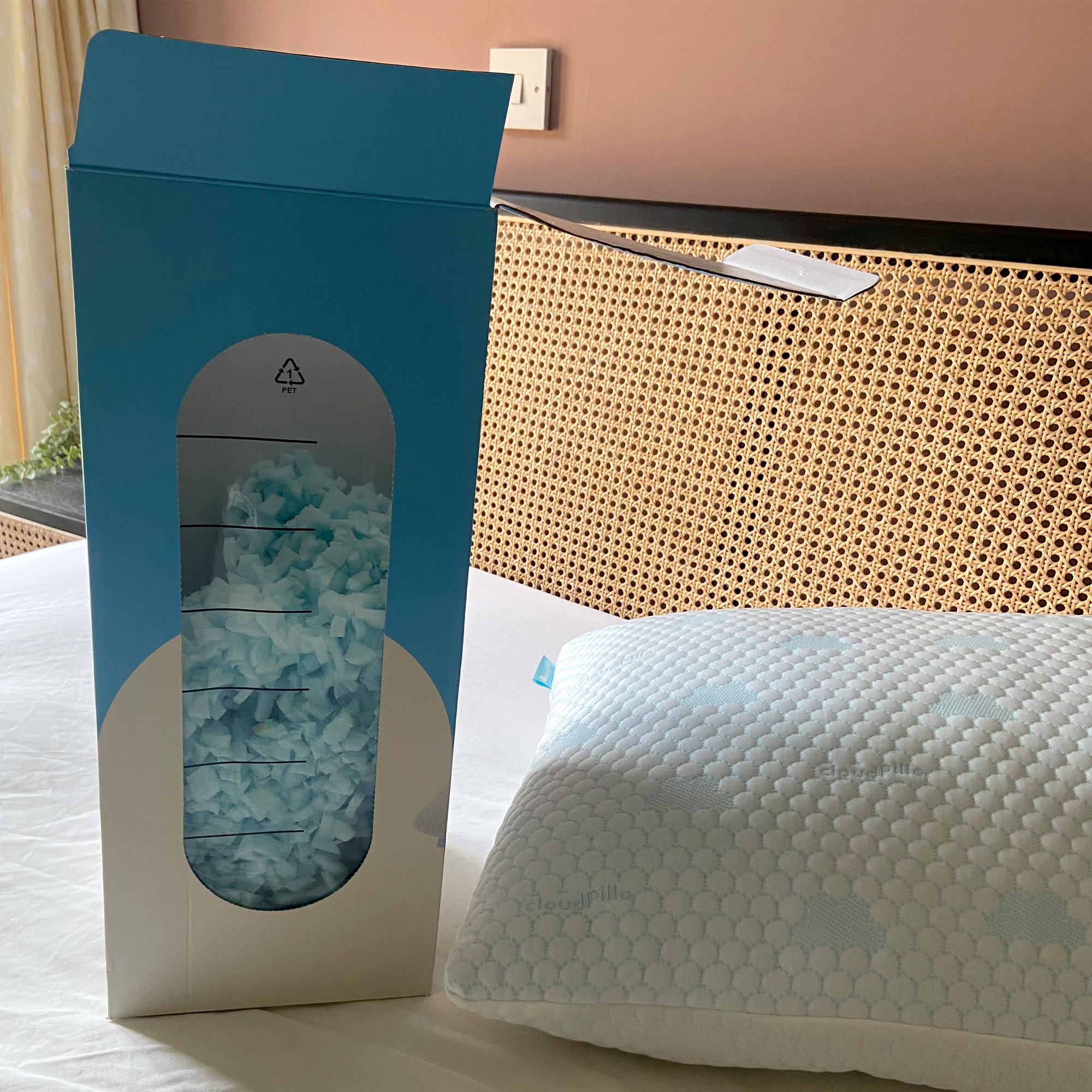
Gel-infused foam helps keep the pillow cool. Plant-based foam uses natural materials and is eco-friendly.
- Traditional memory foam: soft and supportive
- Gel-infused memory foam: cooling effect
- Plant-based memory foam: natural and eco-friendly
Budget Considerations
Memory foam pillows vary in price. Higher-priced pillows often have better materials and durability.
Set a budget that fits your needs. Even affordable pillows can offer good comfort if chosen carefully.
- Low budget: basic foam pillows
- Mid budget: gel-infused or better covers
- High budget: premium materials and longer lifespan
Environmental Considerations
Memory foam pillows do not last forever and need to be replaced. It is important to think about the environment when disposing of old pillows. Many pillows end up in landfills and take a long time to break down.
Choosing eco-friendly options and recycling can help reduce waste. This guide shares ways to handle old pillows in an eco-friendly way.
Recycling Old Pillows
Memory foam pillows can be hard to recycle due to their materials. Some recycling centers accept foam products, but many do not. Check with local recycling facilities to see if they take memory foam.
Another option is to donate old pillows if they are clean and in good shape. Some animal shelters use old pillows as bedding for pets.
- Contact local recycling centers about foam acceptance
- Donate clean pillows to animal shelters
- Look for specialized foam recycling programs
Eco-friendly Pillow Options
Eco-friendly pillows use natural or recycled materials. These pillows break down faster and have less impact on the environment. Materials like organic cotton, wool, or natural latex are good choices.
Some companies make memory foam pillows using plant-based foam. These use fewer chemicals and are better for the planet.
- Look for pillows made from natural fibers
- Choose plant-based memory foam options
- Pick pillows with recycled or biodegradable covers
Disposal Tips
Throwing memory foam pillows in the trash adds to landfill waste. Try to reuse or recycle parts of the pillow before disposal. Cutting foam into smaller pieces can help it break down faster.
Always remove pillow covers and wash them if possible. Fabric covers can sometimes be recycled separately.
- Reuse foam for craft or cushioning projects
- Cut foam into small pieces before disposal
- Recycle or donate pillow covers
- Check local rules for foam disposal

Credit: purple.com
Credit: www.idealhome.co.uk
Frequently Asked Questions
How Long Do Memory Foam Pillows Last?
Memory foam pillows typically last about 2 to 3 years. Their lifespan can vary based on usage and quality. Over time, they may lose their shape and support. To ensure optimal comfort and hygiene, consider replacing them when signs of wear appear.
What Are Signs A Memory Foam Pillow Needs Replacing?
A memory foam pillow needs replacing if it loses shape or support. Other signs include lumps, lingering odors, or discomfort during sleep. Regularly check for these signs to maintain sleep quality and hygiene.
Can Washing Extend A Memory Foam Pillow’s Life?
Washing can help maintain hygiene but won't extend the pillow's lifespan. Memory foam is sensitive to moisture, which can degrade its structure. Instead, use a protective cover and clean it regularly to prolong pillow life.
How Often Should You Replace Pillows For Hygiene?
For hygiene, pillows should be replaced every 1 to 2 years. Over time, pillows accumulate sweat, oils, and allergens. Regular replacement ensures a clean sleeping environment and maintains optimal support for your head and neck.
Conclusion
Replacing your memory foam pillow every 1 to 2 years keeps it fresh. Over time, pillows lose support and collect dust and sweat. A worn-out pillow can cause neck pain and poor sleep. Watch for signs like lumps, smells, or flattening.
Clean your pillow regularly to extend its life. Choose a new pillow when comfort fades. A good pillow helps you rest better each night. Don’t wait too long to replace it. Your sleep and health deserve a fresh pillow. Simple care and timely replacement make a big difference.