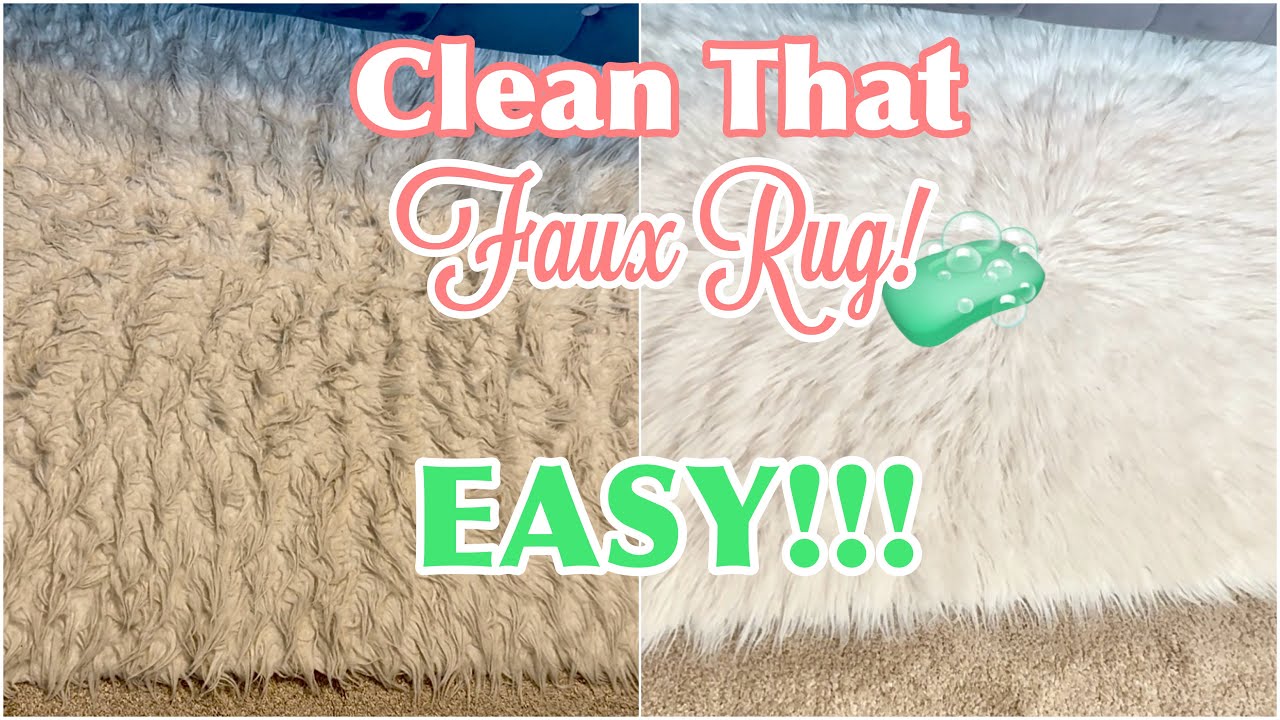
Choosing the perfect area rug for your living room can feel overwhelming. You want something that ties the room together, feels cozy underfoot, and matches your style.
But with so many colors, sizes, and patterns, where do you start? This guide will help you make the right choice for your space, so your living room feels inviting and looks stunning. Keep reading to discover simple tips that will transform your room with the perfect rug.

Credit: www.slumberland.com
Choosing The Right Size
Picking the right size rug for your living room is important. The right size makes your space look balanced and cozy.
Too small or too big rugs can make the room feel awkward. Let’s learn how to find the perfect size.
Measuring Your Living Room
Start by measuring the length and width of your living room. Use a tape measure for accuracy.
Note the space where you want to place the rug, like under the seating area or in front of the sofa.
- Measure total floor space
- Measure seating area size
- Leave room for walking paths
Common Rug Sizes
Rugs come in many sizes. Common sizes fit most living rooms well.
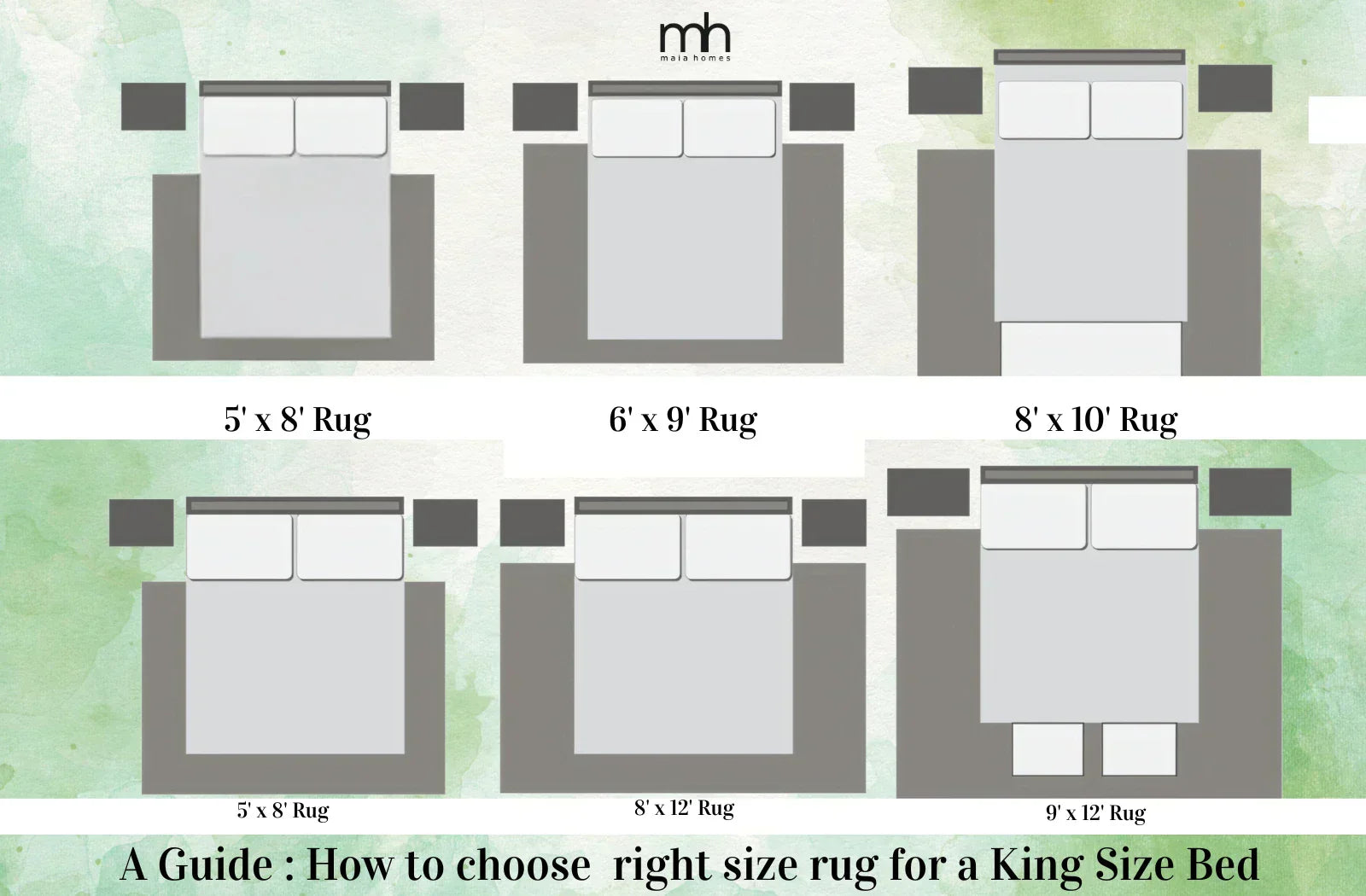
- 5x8 feet – works for small rooms
- 8x10 feet – good for medium rooms
- 9x12 feet – fits large rooms
- Round rugs – add softness and style
Choose a size that covers your seating area without crowding the room.
Rug Placement Tips
Place the rug to tie your furniture together. This creates a cozy and inviting look.
- All furniture legs on the rug for a large rug
- Front legs on the rug for a smaller rug
- Leave 12-18 inches of floor visible around the rug
- Center the rug under the coffee table
Keep walkways clear and avoid placing rugs where doors open on them.

Credit: www.slumberland.com
Selecting The Perfect Style
Choosing the right area rug can change the look of your living room. The style of the rug should fit your space and personality.
Think about the colors, patterns, and textures that will blend well with your room's design. This will help you pick a rug that feels just right.
Matching Your Decor Theme
Look at the style of your furniture and walls. Your rug should match or complement these elements to create balance.
If your room is modern, pick a rug with clean lines and simple patterns. For a traditional room, choose classic designs with warm colors.
Popular Rug Styles
There are many rug styles to choose from. Knowing the popular types helps you find one that fits your taste.
- Persian Rugs: Detailed patterns with rich colors
- Shag Rugs: Soft and fluffy for comfort
- Flatweave Rugs: Thin and durable with simple designs
- Modern Rugs: Bold colors and abstract shapes
- Natural Fiber Rugs: Made from jute or sisal, adding texture
Mixing Patterns And Textures
You can mix rug patterns with your furniture or curtains for a lively look. Keep colors in the same family to avoid clashing.
Textures add depth. Pair a smooth sofa with a rough-textured rug to make the room feel cozy and interesting.
- Use small patterns if your furniture has large prints
- Combine soft and rough textures for contrast
- Keep a consistent color palette to unify the space
- Layer rugs for more texture and style
Picking The Ideal Material
Choosing the right material for your living room rug is important. It affects how the rug looks, feels, and lasts over time.
The material you pick should match your lifestyle and how much care you want to give the rug.
Natural Vs Synthetic Fibers
Natural fibers come from plants or animals. Common types include wool, cotton, and jute. They feel soft and look nice.
Synthetic fibers are made from man-made materials like nylon, polyester, or polypropylene. They can be cheaper and resist stains.
- Natural fibers are eco-friendly and breathable
- Synthetic fibers dry quickly and resist fading
- Natural rugs may cost more but feel warmer
- Synthetic rugs often handle spills better
Durability And Maintenance
Durability is key for rugs in busy living rooms. Some materials wear out faster than others.
Natural fibers like wool are strong and last long. They resist dirt but need regular cleaning.
Synthetic rugs often resist stains and are easier to clean. They handle heavy foot traffic well.
- Wool: durable but requires vacuuming and spot cleaning
- Cotton: easy to clean but less durable
- Nylon: strong and stain-resistant
- Polypropylene: affordable and easy to maintain
Comfort And Feel
Comfort matters if you spend time sitting or walking barefoot on the rug.
Natural rugs usually feel softer and warmer underfoot. Wool is especially cozy.
Synthetic rugs can feel less soft but often come in many textures. Some mimic natural fibers well.
- Wool rugs offer warmth and softness
- Cotton rugs feel light and breathable
- Polyester rugs have a smooth texture
- Nylon rugs feel firm but comfortable
Choosing Colors And Patterns
Picking the right colors and patterns for your living room rug makes a big difference. The rug sets the mood and ties the room together.
Think about the colors and patterns already in your space. This helps you find a rug that fits well and looks nice.
Color Coordination
Match the rug colors with your walls, furniture, or curtains. This creates a smooth and calm look in the room.
Use colors from your existing decor to keep the room balanced. Choose one or two main colors for the rug.
- Pick colors that appear in your sofa or pillows
- Use softer colors to blend with light walls
- Choose deeper colors to warm up a neutral space
Using Rugs To Add Contrast
Contrast means using colors that stand out from the rest of the room. It makes the rug a focal point.
Choose a rug with colors that are different but still look good with your furniture. This adds energy and interest.
- Place a dark rug in a light room
- Use a bright rug in a neutral space
- Try bold colors to add personality
Pattern Scale And Balance
Look at the size of patterns in your room. Large furniture needs a rug with bigger patterns.
Small patterns work well in rooms with simple furniture. Balance patterns to keep the room calm and inviting.
- Match large patterns with big furniture pieces
- Use small patterns to soften plain rooms
- Mix patterns carefully to avoid clashing
Considering Practical Factors
Choosing the right area rug for your living room needs careful thought. Practical factors help you pick a rug that fits your lifestyle.
Think about daily use and how the rug will hold up over time. This guide covers key points to consider.
Traffic And Wear
Living rooms often have heavy foot traffic. Pick a rug that can handle frequent use without showing damage.
Look for rugs made with durable materials. These last longer and keep their look despite wear.
- Wool rugs are strong and resist dirt
- Synthetic fibers like nylon resist stains well
- Flatweave rugs handle traffic without matting
Allergy-friendly Options
Some rugs trap dust and allergens more than others. Choose allergy-friendly rugs to keep your air clean.
Low-pile rugs are easier to clean and hold less dust. Avoid thick, shaggy rugs if allergies are a concern.
- Natural fibers like cotton are breathable
- Rugs treated with anti-microbial finishes reduce allergens
- Regular vacuuming helps maintain a healthy space
Budget And Longevity
Decide how much you want to spend on your rug. A good rug balances cost and how long it will last.
Higher quality rugs may cost more but last many years. Cheaper rugs might need replacing often.
- Set a budget before shopping
- Compare materials and craftsmanship
- Think about maintenance and cleaning costs
Layering And Accessorizing
Choosing the right area rug can change how your living room looks. Layering rugs adds style and texture.
Accessorizing your rugs helps define spaces and makes your furniture stand out.
Rug Layering Techniques
Layering rugs means placing one rug on top of another. This adds depth and interest to your room.
Start with a large neutral rug as the base. Then add a smaller patterned or textured rug on top.
- Use different materials for contrast, like jute under a soft wool rug
- Keep colors in the same family for a calm look
- Try a bold rug on top to add a pop of color
- Make sure the top rug is smaller to show the base rug edges
Adding Rugs To Define Spaces
Rugs can mark different areas in an open living room. This helps organize your space.
Place rugs under furniture groups like sofas or reading corners to create zones.
- Use a large rug to cover the main seating area
- Add smaller rugs for side tables or entryways
- Choose rug shapes that fit the space, like round rugs for small corners
- Pick colors that match the room’s style to unify zones
Pairing Rugs With Furniture
Your rug should complement your furniture size and style. It helps tie the room together.
Make sure the rug is big enough for furniture legs to sit on it. This creates balance.
- For large sofas, choose a rug that fits under all legs
- In smaller rooms, place front legs of chairs on the rug
- Match rug colors with cushions or throws for harmony
- Use texture to add warmth and comfort next to wood or metal furniture

Credit: www.ballarddesigns.com
Frequently Asked Questions
What Size Rug Is Best For My Living Room?
Choosing the right size rug is crucial for harmony. Measure your living room space first. Ideally, the rug should be large enough to anchor your furniture. Allow at least 6-12 inches between the rug edges and walls. This creates balance and a cohesive look.
How Do I Choose A Rug Color?
Select a rug color that complements your existing decor. Consider your room's color palette and furniture shades. A neutral rug offers flexibility and timeless appeal. For a bold statement, choose a vibrant color or pattern. Ensure the rug enhances, not overwhelms, your space.
What Materials Are Best For Living Room Rugs?
The material affects the rug's durability and feel. Wool is durable and soft, ideal for high-traffic areas. Synthetic fibers like nylon and polyester are budget-friendly and stain-resistant. Natural fibers like jute offer texture but require more care. Choose based on your lifestyle and maintenance preferences.
How Do I Maintain My Area Rug?
Regular maintenance keeps your rug looking new. Vacuum it weekly to remove dirt and debris. Rotate the rug every few months to ensure even wear. Address spills immediately to prevent stains. Professional cleaning once a year can help preserve its appearance and longevity.
Conclusion
Choosing the right area rug can change your living room's feel. Pick a size that fits your space well. Think about colors that match your furniture and walls. Choose a material that suits your lifestyle and comfort needs. Patterns can add interest or keep things simple.
Remember, a good rug ties your room together. Take your time to find one that feels right. Your living room will look warm and inviting with the perfect rug. A small change can make a big difference.