Choosing the perfect area rug can completely transform your room, but measuring for it can feel tricky. You want your rug to fit just right—not too big, not too small.
If you get this step wrong, your beautiful space might look awkward or unbalanced. Don’t worry, though—this guide will make measuring for an area rug simple and stress-free. By the end, you’ll know exactly how to find the right size that matches your room and style perfectly.
Ready to make your space look amazing? Let’s get started!
Credit: ruggallery.net
Choosing The Right Rug Size
Picking the right rug size makes your room look balanced. It also helps your furniture feel connected.
Measuring the area correctly ensures your rug fits well. This guide shows how to choose the best size.
Consider Room Dimensions
Start by measuring the length and width of your room. This gives you a clear idea of the space available.
Leave some space between the rug edges and the walls. This creates a neat and open look.
- Measure room length and width in feet or meters
- Subtract about 12 to 24 inches from wall edges
- Choose a rug size smaller than the room size
Match Rug To Furniture
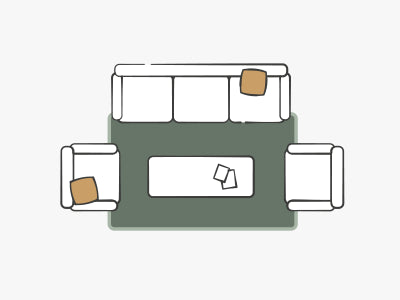
Your rug should fit the furniture layout. It can either go under the furniture or sit in front of it.
Make sure all key furniture pieces connect with the rug. This helps the space feel cozy and complete.
- Place rug under the front legs of sofas and chairs
- For dining tables, the rug should fit all chairs when pulled out
- Keep rugs large enough to hold coffee tables fully
Allow For Traffic Flow
Leave clear walking paths around the rug. This prevents tripping and keeps the room easy to move through.
Consider doors and hallways when placing the rug. Avoid blocking areas where people walk often.
- Keep 18 to 24 inches of floor space around the rug edges
- Do not place rugs where doors open onto them
- Ensure there is room to walk comfortably around furniture

Credit: www.dormtherapy.com
Measuring Techniques
Measuring for an area rug needs careful attention. Accurate measurements help you find the right size for your space.
Using proper techniques makes the process easier. It ensures the rug fits well and looks good in your room.
Tools Needed For Accurate Measurement
Use the right tools to get exact measurements. This helps avoid mistakes and wrong rug sizes.
Common tools include a tape measure and a pencil. A notepad is useful to write down numbers.
- Tape measure for length and width
- Pencil to mark points or record sizes
- Notepad or paper for notes
- Level or ruler for straight lines (optional)
Measuring Length And Width
Measure the length and width of the area where the rug will go. Measure from wall to wall or furniture edges.
Write down the numbers clearly. Double-check measurements for accuracy before buying a rug.
- Place the tape measure at one edge of the space
- Extend it straight to the other edge
- Note the number in feet or inches
- Repeat for the other side (width or length)
Accounting For Rug Shape
Rugs come in different shapes like rectangular, round, or oval. Measure each shape carefully for a good fit.
For round or oval rugs, measure the widest part. For irregular shapes, measure multiple points.
- Rectangular rugs: measure length and width
- Round rugs: measure diameter across the center
- Oval rugs: measure length and width at widest points
- Irregular shapes: measure longest and widest parts
Placement Tips
Choosing the right spot for your area rug can change a room’s look. Proper placement helps the room feel balanced and cozy.
Measuring and placing the rug correctly ensures it fits well with furniture and space layout. These tips help you place your rug with ease.
Centering The Rug
Start by finding the center of the room or the main area. Place the rug so it is evenly spaced from walls or furniture around it.
Centering the rug creates a balanced look and anchors the room’s design. It also helps highlight a key area, like a coffee table or seating spot.
- Measure the room’s width and length
- Mark the middle point on the floor
- Align the rug’s center with this point
- Adjust slightly to avoid awkward gaps
Positioning Under Furniture
Place rugs under furniture to add warmth and style. The rug should fit the furniture size and shape to avoid looking cramped or too small.
For larger furniture, make sure the front legs rest on the rug. This helps connect the pieces and makes the space feel inviting.
- Use larger rugs for sofas and dining tables
- Front legs of chairs should sit on the rug
- Leave space around the rug edges for balance
- For small furniture, the rug can be smaller but still centered
Using Rugs In Open Spaces
Rugs can define areas in large, open rooms. Use them to separate seating zones or dining spaces visually.
Choose a rug size that fits the furniture group and leaves enough floor space around it. This helps keep the area open but organized.
- Pick rugs that match the size of the furniture cluster
- Leave at least 18 inches of floor space around the rug
- Use rugs to create clear zones in open floor plans
- Keep pathways clear to avoid crowding
Common Mistakes To Avoid
Measuring for an area rug seems easy but many people make simple mistakes. These errors can make your space look awkward or cluttered.
Knowing what to avoid helps you pick the right size and style. This guide covers some common errors to watch out for.
Choosing Rugs Too Small
Picking a rug that is too small can make your room feel disconnected. Small rugs may leave furniture edges awkwardly off the rug.
Rugs should fit the main seating area or dining table well. A tiny rug can break the flow and make the room look choppy.
- Ensure the rug is large enough for furniture legs to rest on it
- Leave at least 18-24 inches of bare floor around the rug edges
- Avoid rugs that look like they float in the middle of the floor
Ignoring Room Layout
Not considering how furniture is arranged can cause poor rug placement. Rugs should support the room’s layout and create balance.
Ignoring room flow can lead to rugs blocking walkways or overlapping furniture oddly. Measure your space carefully before buying.
- Measure seating groups or dining areas first
- Think about traffic paths and door swings
- Choose rugs that help define zones in open spaces
Overlapping Rugs Incorrectly
Layering rugs can add style but overlapping wrong sizes looks messy. Rugs should blend together without clutter.
Make sure the bottom rug is larger and the top rug is smaller. Avoid covering more than half of the larger rug with the smaller one.
- Place rugs so edges line up or create intentional shapes
- Keep overlapping areas clean and balanced
- Use rugs with similar colors or patterns for harmony
Special Considerations
Measuring for an area rug takes more than just size. You must think about the room and how you use it. Rugs add style and comfort but need careful choice.
Special factors help you pick the best rug size and type. These include foot traffic, safety, and seasonal changes. Pay attention to these for a perfect fit.
Rugs For High-traffic Areas
High-traffic areas need durable rugs that can handle wear and tear. These places include hallways, kitchens, and living rooms. Choose rugs made from strong materials.
Dark colors and patterns hide dirt and stains well. Pick a size that covers the main walking path but leaves room to avoid crowding the space.
- Use synthetic fibers for durability
- Choose low-pile rugs to avoid tripping
- Pick patterns to hide stains
- Measure the walking path length and width
Rug Padding And Safety
Rug padding adds comfort and protects floors. It also keeps the rug from slipping. This is important for safety, especially in homes with kids or pets.
Choose padding that fits your rug size exactly. Make sure the padding is thin enough to avoid creating a tripping hazard. Check the material for durability and grip.
- Use non-slip pads for hardwood floors
- Choose cushioned padding for comfort
- Trim padding to fit rug edges
- Replace worn padding regularly
Seasonal Changes And Rug Care
Seasonal changes affect how rugs wear over time. Humidity and temperature can cause rugs to expand or shrink. Change rugs or move them to protect their shape.
Clean rugs regularly to keep them fresh. Vacuum often and spot clean spills immediately. Store rugs properly if you swap them seasonally.
- Use a humidifier in dry seasons
- Roll rugs, do not fold, for storage
- Rotate rugs to even out wear
- Check for mold or mildew in damp areas
Credit: boutiquerugs.com
Frequently Asked Questions
How Do I Choose The Right Rug Size?
Choosing the right rug size involves considering room dimensions and furniture layout. Measure the area where the rug will be placed. Ensure the rug is large enough to anchor furniture. Ideally, all furniture legs should fit on the rug. This creates a cohesive look and balances the room's design.
What Tools Do I Need To Measure For A Rug?
To measure for a rug, you'll need a tape measure and a notepad. The tape measure helps determine the exact dimensions of the area. Note down the length and width to find the suitable rug size. Accurate measurements ensure the rug fits perfectly in your space.
Should The Rug Fit Under All Furniture?
Ideally, a rug should fit under all furniture to create a unified look. This approach anchors the space and ensures balance. If a full fit isn't possible, aim for at least the front legs of furniture on the rug. This maintains cohesion and enhances the room's aesthetic.
How Much Space Should Be Around The Rug?
Leave 12 to 18 inches of floor space around the rug's edges. This framing effect visually defines the area and prevents overcrowding. Adjust the spacing based on room size and furniture layout. Adequate spacing ensures the rug complements the space without overwhelming it.
Conclusion
Measuring an area rug is simple with the right steps. Start by knowing your room size and furniture layout. Use a tape measure to get exact dimensions. Always leave some space around the rug edges for balance. Choosing the right size makes your room feel cozy and neat.
Take your time and measure carefully before buying. A well-measured rug ties your room together nicely. Now, you are ready to pick the perfect rug for your space.