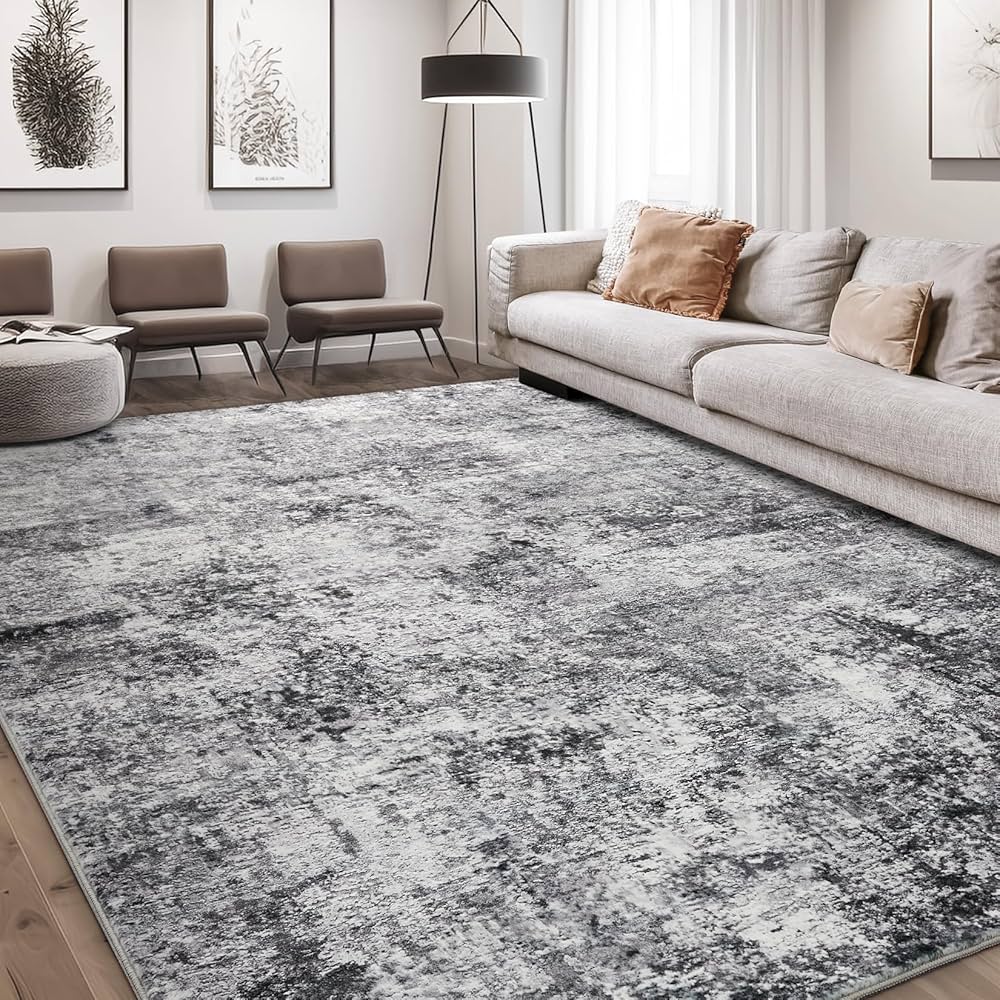
Are you wondering how big an area rug should be for your space? Choosing the right size can make a huge difference in how your room looks and feels.
Too small, and your rug might feel lost; too big, and it can overwhelm your space. You’ll discover simple tips to find the perfect rug size that fits your room perfectly. Keep reading to transform your space with the ideal area rug!
Choosing The Right Rug Size
Choosing the right size for your area rug is important. The right rug can make your room feel balanced and cozy.
A rug that is too small or too big can make your space look awkward. Use simple tips to find the best size.
Common Rug Dimensions
Area rugs come in many sizes. Knowing common dimensions helps you pick one that fits your room well.
- 5 feet by 8 feet: Good for small living rooms or under a coffee table
- 8 feet by 10 feet: Fits well in medium-sized living rooms and bedrooms
- 9 feet by 12 feet: Ideal for large living rooms and dining rooms
- 3 feet by 5 feet: Often used in entryways or small spaces
Measuring Your Space
Measure your room before choosing a rug. This helps you avoid buying a rug that is too big or small.
Use a tape measure to find the length and width of your floor space. Note any furniture placement.
- Measure the area where the rug will go
- Consider space needed around furniture legs
- Leave some floor showing around the edges
Room Function And Rug Size
Think about how you use the room. Different rooms need different rug sizes for comfort and style.
In living rooms, larger rugs can hold all furniture legs. In bedrooms, rugs often go under the bed.
- Living room: Rug should fit under key furniture pieces
- Dining room: Rug must fit under the table and chairs
- Bedroom: Rug can go under the bed and extend on sides
- Entryway: Smaller rugs work best for high-traffic areas
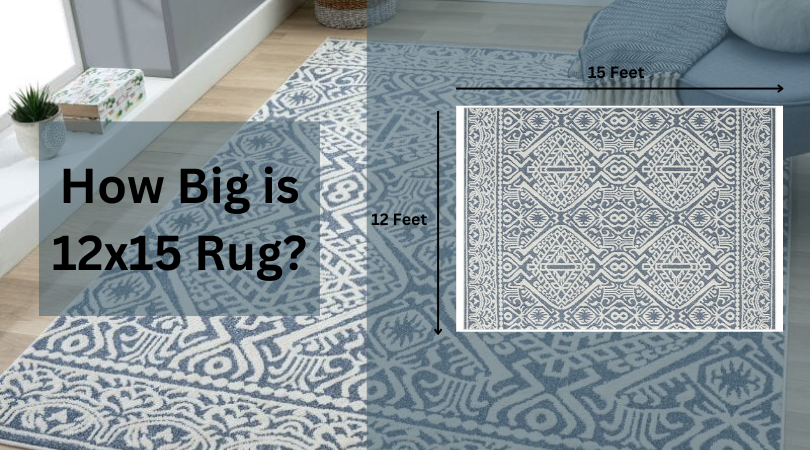
Credit: ruggallery.net
Rug Sizes For Living Rooms
Choosing the right rug size is important for your living room. Rugs help define space and add comfort.
Rugs come in many sizes. It is good to know what size fits your living room best.
Small Living Room Rugs
Small rugs usually measure about 4x6 feet or 5x8 feet. They work well in cozy spaces.
Place small rugs under a coffee table or in front of a sofa. They add warmth without crowding the room.
- 4x6 feet fits small seating areas
- 5x8 feet covers more floor space
- Good for apartments and small rooms
Medium Living Room Rugs
Medium rugs often measure 6x9 feet or 8x10 feet. They suit average-sized living rooms well.
Place a medium rug so that the front legs of furniture sit on it. This ties the seating area together.
- 6x9 feet fits most sofas and chairs
- 8x10 feet covers larger seating groups
- Good for open floor plans
Large Living Room Rugs
Large rugs measure 9x12 feet or bigger. They work well in spacious living rooms.
Use large rugs to cover most of the floor. Place all furniture legs on the rug for a unified look.
- 9x12 feet fits large seating areas
- 10x14 feet or bigger for great rooms
- Makes big spaces feel cozy
Rug Sizes For Bedrooms
Choosing the right rug size can change the look of your bedroom. Rugs add comfort and style to your space.
It is important to pick a rug that fits well with your bed and room size. This guide explains common rug sizes for bedrooms.
Rugs For Under The Bed
Placing a rug under the bed creates a cozy feel. The rug should be large enough to extend beyond the bed edges.
A common size for rugs under a queen bed is 8x10 feet. For a king bed, 9x12 feet works well.
- For twin beds, use a 5x8 feet rug
- Queen beds pair well with 8x10 feet rugs
- King beds need 9x12 feet rugs or larger
Rugs For Side Areas
Smaller rugs beside the bed offer soft landing spots for your feet. These rugs add warmth and style.
Use runners or smaller area rugs around 2x3 feet or 3x5 feet for side areas. They should fit the space without crowding it.
- Place a 2x3 feet rug next to a twin bed
- Use 3x5 feet rugs for queen or king bed sides
- Runners work well in narrow spaces beside the bed
Layering Rugs In Bedrooms
Layering rugs means placing one rug over another. This adds depth and texture to your bedroom design.
Start with a large neutral rug under the bed. Add a smaller colorful rug on top for style and contrast.
- Choose a large base rug that fits your bed size
- Add a smaller rug with patterns or bright colors
- Make sure the rugs complement each other

Credit: www.amazon.ca
Dining Room Rug Sizes
Choosing the right rug size is important for your dining room. The rug should fit the table and chairs well. It helps make the space look balanced and neat.
A good rug protects your floor and adds comfort. It also keeps the chairs from scratching the floor when moved.
Rug Size For Dining Tables
The rug should be large enough to fit the dining table and chairs. A rug that is too small looks odd and causes chairs to catch the edges.
Here are common rug sizes for standard dining tables:
- For a 4-seater table, use a 6x9 foot rug
- For a 6-seater table, use an 8x10 foot rug
- For an 8-seater table, use a 9x12 foot rug
Allowing Space For Chairs
Leave enough space for chairs to move back without leaving the rug. This keeps the area tidy and safe.
Usually, add 24 inches of extra rug beyond the table on all sides. This space fits most chairs when pulled out.
- Measure your chair length when pulled out
- Add this to the table size when choosing a rug
- Ensure the rug extends beyond the chair by at least 24 inches
Shapes And Sizes
Match the rug shape to your dining table shape. This creates a nice look and fits the room better.
Round rugs work well with round tables. Rectangular rugs fit rectangular tables best.
- Round tables: round rugs, usually 8 feet diameter or larger
- Rectangular tables: rectangular rugs, size based on table plus 24 inches on each side
- Square tables: square or round rugs that extend beyond chairs
Rug Sizes For Other Spaces
Area rugs come in many sizes to fit different rooms. Choosing the right size helps the space look balanced.
Small spaces need smaller rugs, while bigger rooms can hold larger ones. Let’s explore rugs for entryways, kitchens, and bathrooms.
Entryway Rugs
Entryway rugs should fit the door area and catch dirt. They need to be wide enough for people to step on safely.
Common sizes for entryway rugs are 2 feet by 3 feet or 3 feet by 5 feet. A runner rug can also work in narrow hallways.
- 2’ x 3’ fits small doors and narrow spaces
- 3’ x 5’ works well in wider entryways
- Runners (2’ x 6’ or 2’ x 8’) suit long corridors
Kitchen Rugs
Kitchen rugs protect floors and add comfort while cooking. Size depends on the kitchen layout and space near the sink or stove.
Small rugs of 2 feet by 3 feet fit under the sink. Larger rugs, like 3 feet by 5 feet, can cover more floor area in front of counters.
- 2’ x 3’ fits tight spaces by the sink
- 3’ x 5’ covers more floor in front of appliances
- Runners (2’ x 6’ or 2’ x 8’) work well in galley kitchens
Bathroom Rugs
Bathroom rugs help prevent slips and keep feet warm. They should fit well around the tub, shower, or sink area.
Popular sizes include 20 inches by 30 inches for small spaces and 24 inches by 60 inches for longer mats in front of the tub or shower.
- 20” x 30” fits small bathroom spots
- 24” x 60” works well in front of tubs or showers
- Smaller contour rugs fit around toilet bases
Tips For Visualizing Rug Size
Choosing the right rug size can be hard. A rug that is too small or too big can make a room feel off.
Try these tips to help you see how a rug will look before buying it.
Using Tape To Outline Rugs
Use painter’s tape to mark the rug size on your floor. This shows the rug’s exact shape and size.
Walk around the taped area to see if the rug fits well in your space.
- Measure the rug size you want
- Cut tape strips to match the size
- Place tape on the floor where the rug will go
- Check how it looks with your furniture
Furniture Placement
Think about how your furniture will sit on the rug. The rug should fit under key pieces.
For example, a living room rug should go under the front legs of sofas and chairs.
- Place the sofa and chairs on the rug’s edges
- Leave space around the furniture for balance
- Make sure the rug extends beyond furniture edges
Balancing Scale And Proportion
Pick a rug size that matches your room size. A small rug in a big room looks lost.
Choose a rug that fits the room’s shape and furniture size for good balance.
- Use larger rugs for big rooms and furniture
- Choose smaller rugs for cozy or small spaces
- Keep the rug’s size in proportion to furniture
Common Rug Size Mistakes
Choosing the right size for an area rug can be tricky. Many people make mistakes that affect the look of a room.
This guide explains common rug size errors to help you pick the best fit for your space.
Choosing Rugs Too Small
Small rugs often look lost in a large room. They can make the space feel disconnected.
When a rug is too small, furniture may not fit on it properly, breaking the room's flow.
- Rugs should anchor key furniture pieces.
- Leave some floor space around the rug edges.
- Measure the seating area before buying.
Ignoring Room Shape
Room shape affects how a rug fits. A square rug may not work well in a long room.
Ignoring the shape can cause awkward gaps or crowded spaces around the rug.
- Match rug shape to the room’s layout.
- Use rectangular rugs for narrow spaces.
- Round rugs work well in circular areas.
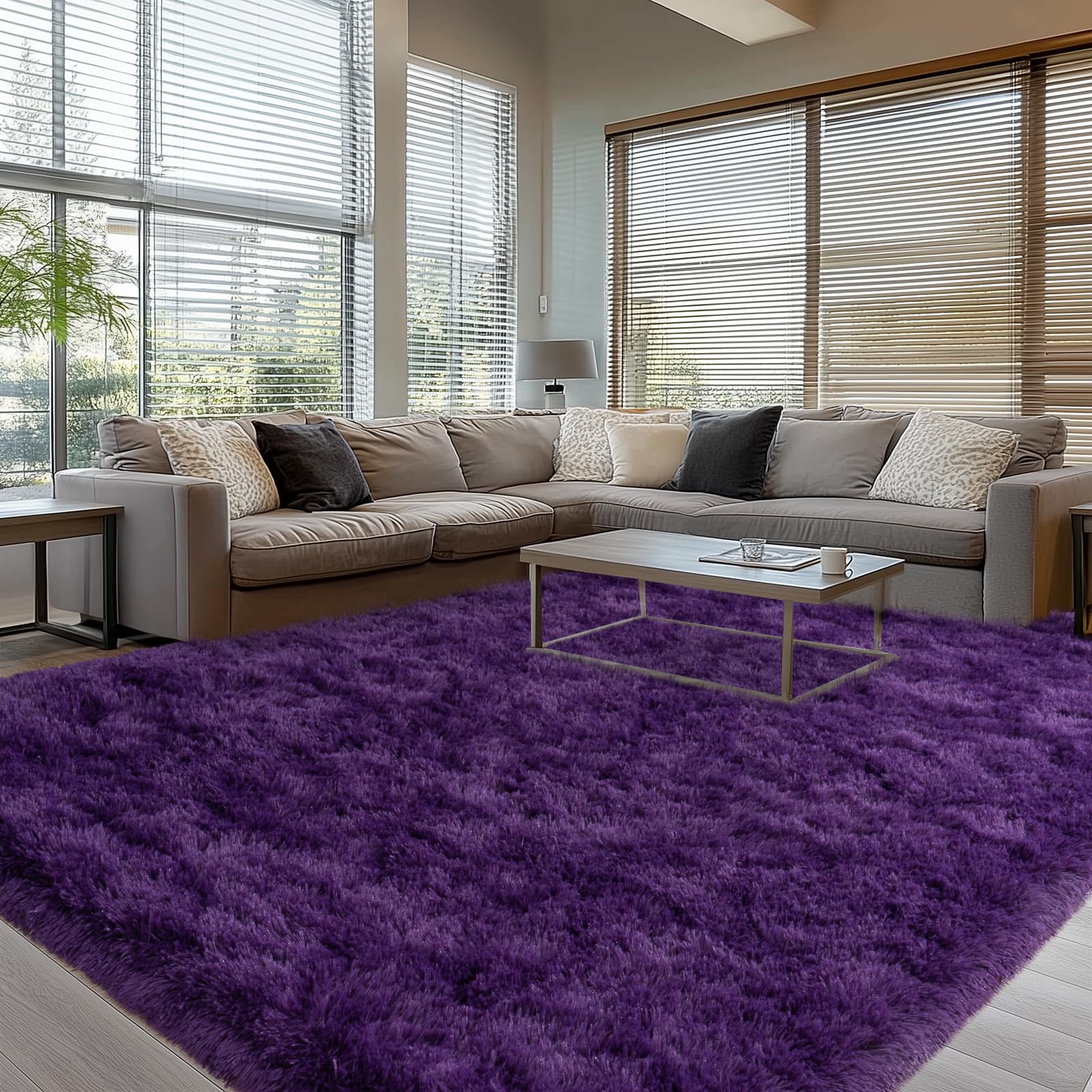
Overcrowding With Large Rugs
Very large rugs can make a room look cramped. They may cover too much floor space.
Too big rugs can hide flooring and reduce open space, making a room feel smaller.
- Leave some floor visible around the rug.
- Keep rugs smaller than the room size.
- Ensure furniture fits well on the rug without crowding.
Credit: www.amazon.ca
Frequently Asked Questions
What Sizes Do Area Rugs Come In?
Area rugs come in various sizes to fit different spaces. Common sizes include 5x8, 8x10, and 9x12 feet. Smaller rugs, like 2x3 feet, are perfect for entryways. For larger rooms, consider a 10x14 feet rug. Always measure your space before purchasing to ensure the perfect fit.
How To Choose The Right Rug Size?
Choosing the right rug size involves considering room dimensions and furniture layout. For living rooms, ensure the rug fits under all major furniture pieces. In dining areas, choose a rug that extends beyond the table. Bedrooms benefit from rugs that extend around the bed, adding warmth and style.
Can An Area Rug Be Too Big?
Yes, an area rug can be too big if it overwhelms the room. It should complement the space without covering it entirely. Leave some floor visible around the rug's edges. This ensures the room feels balanced and spacious. Measure your area carefully to avoid choosing an oversized rug.
How Do I Measure For An Area Rug?
To measure for an area rug, first determine the room's dimensions. Next, decide how much of the floor you want covered. Use painter's tape to outline potential rug sizes. Consider furniture placement and ensure the rug will accommodate it. This method helps visualize and choose the perfect rug size.
Conclusion
Choosing the right size for an area rug matters a lot. It changes how your room feels and looks. A rug that fits well makes space feel cozy and balanced. Too small or too big can make a room look odd.
Think about your furniture and room size first. Measure carefully before buying. A good rug ties everything together nicely. It adds warmth and style without crowding the space. Remember, simple steps help you pick the best rug size. Enjoy making your room comfortable and inviting.