Are you struggling to find the perfect rug size for your room? Measuring an area rug might seem simple, but getting it right can completely transform your space.
If your rug is too small, the room can feel disconnected; too big, and it might overwhelm your furniture. You’ll learn easy and effective ways to measure your area rug so it fits perfectly with your style and space. Keep reading, and you’ll never have to guess about rug sizes again!
Choose The Room
Choosing the right room is important before measuring your area rug. Each room needs a different rug size for the best look.
Think about the room you want to place the rug in. This helps you decide the right area and shape for the rug.
Identify Rug Purpose
First, decide what the rug will do in the room. Will it add warmth, protect the floor, or act as a centerpiece?
Knowing the purpose helps you pick a size that fits the room’s needs and style.
- For comfort, choose a larger rug to cover more floor
- To protect floors, pick a rug that fits under furniture
- For decoration, select a rug that highlights key areas
Consider Room Shape
Look at the shape of your room before measuring. Square and rectangular rooms need different rug sizes.
Choose a rug shape that fits the room’s layout and does not block doors or walkways.
- Use rectangular rugs in long, narrow rooms
- Square rugs work well in square rooms
- Round rugs can soften corners in any shape
Measure The Floor Space
Measuring the floor space helps you find the right size rug. It fits well and looks good in your room.
Take your time to measure the area where you want the rug. This ensures the rug will cover the right space.
Use A Measuring Tape
A measuring tape is the best tool for measuring floor space. It gives accurate length and width numbers.
Place the tape on one side of the floor area. Stretch it to the opposite side and note the length.
- Measure the longest part of the space
- Measure the widest part of the space
- Keep the tape flat on the floor for accuracy
Note Key Dimensions
Write down the length and width measurements clearly. These numbers help you pick the right rug size.
Also, check for any odd shapes or corners. This helps you decide if a custom rug or standard shape fits better.
- Record length and width in feet or inches
- Note any unusual floor shapes
- Compare space size with rug size options
Account For Furniture Placement
Measuring an area rug means thinking about where your furniture will go. The rug should fit well with your chairs, tables, and sofas.
Placing the rug correctly helps the room look balanced and feel comfortable. Plan your rug size by noting the furniture layout.
Position Around Furniture
Arrange the rug so it fits under some or all furniture pieces. This placement creates a unified space and keeps furniture stable.
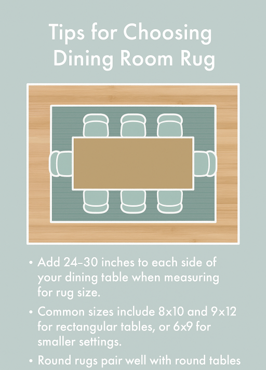
For example, a rug under a dining table should be large enough for chairs to stay on the rug even when pulled out.
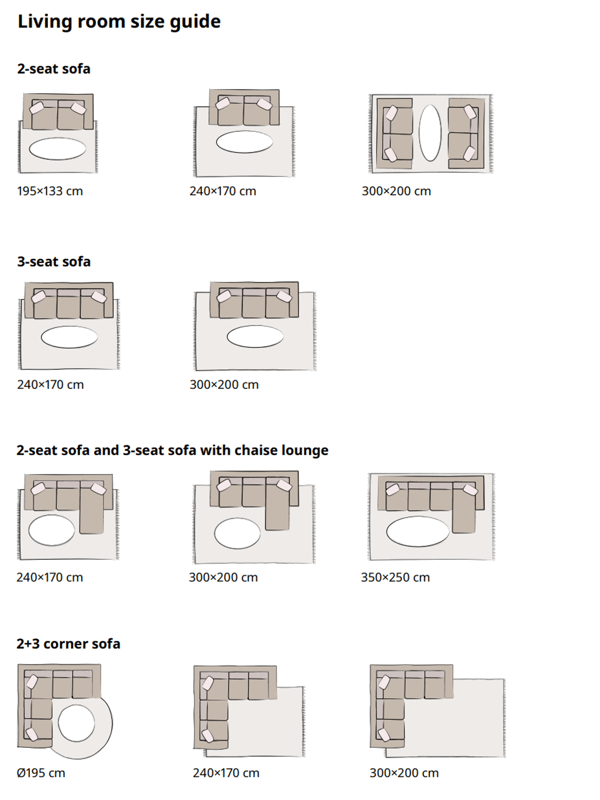
- In living rooms, the front legs of sofas and chairs can rest on the rug.
- For bedrooms, place the rug under the bed, extending around it.
- In dining rooms, make sure the rug extends beyond the table edges.
Leave Proper Borders
Keep a border of floor visible around the rug for a neat look. The border size depends on room size and furniture placement.
A good rule is to leave at least 12 inches of floor space around the rug edges. This helps the rug stand out and the room feel open.
- Small rooms can have borders as small as 8 inches.
- Larger rooms look best with borders of 18 inches or more.
- Make sure the border is even on all sides for balance.
Credit: www.ikea.com
Select Rug Size Options
Choosing the right area rug size is important for your room's look. It helps to measure your space carefully before buying.
Knowing standard sizes and custom options can make your choice easier. This guide explains both options clearly.
Standard Rug Sizes
Standard rugs come in common sizes that fit most rooms. These sizes help you pick quickly without measuring too much.
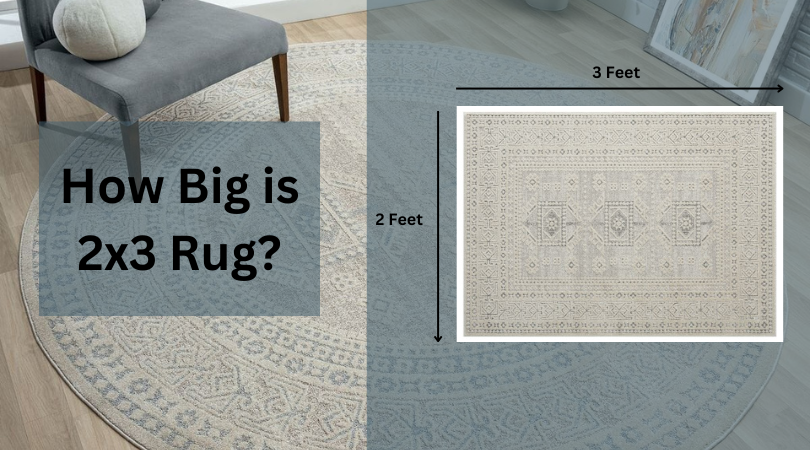
- 3 feet by 5 feet - good for small spaces
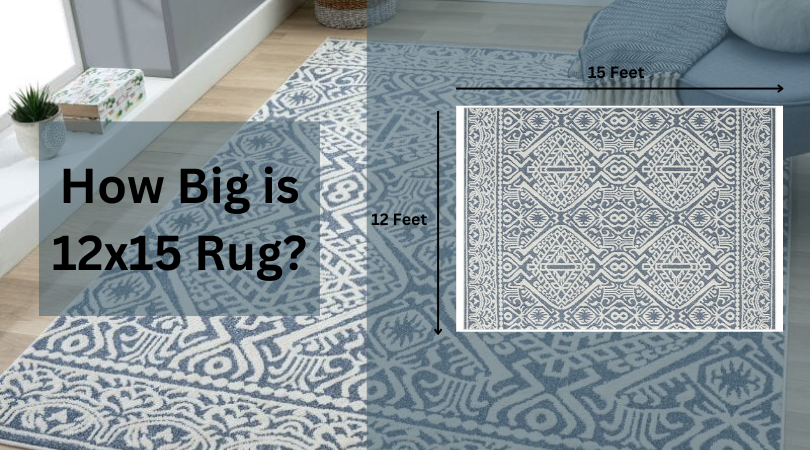
- 5 feet by 8 feet - fits living rooms and bedrooms
- 8 feet by 10 feet - works well under dining tables
- 9 feet by 12 feet - covers large floor areas
These sizes suit common furniture layouts. You can match them to your room size and furniture placement.
Custom Rug Measurements
Custom rugs fit unique room shapes or special spaces. You measure your area and order a rug made to your size.
To measure for a custom rug:
- Use a tape measure to find length and width
- Measure the area where the rug will go
- Note any furniture or obstacles nearby
- Consider leaving space around the rug edges
Custom rugs give you full control on fit and style. They work best for odd-shaped rooms or special needs.
Visualize Rug Placement
Before buying an area rug, picture how it will fit in your room. Visualizing helps you choose the right size and shape.
It also shows how the rug will work with your furniture and floor space. This step saves time and avoids mistakes.
Use Paper Templates
Create a paper template of the rug size you want. Cut paper to match the rug’s dimensions.
Place the paper on the floor where you plan to put the rug. This helps you see if the size fits well.
- Use newspaper sheets or brown wrapping paper
- Cut to the rug’s length and width
- Move the paper around to test different spots
- Mark furniture edges to check clearance
Mark With Tape
Use painter’s tape or masking tape to outline the rug area on your floor. This shows the exact spot for the rug.
Tape helps you see the rug shape and size without moving furniture. It also helps measure room flow and walking space.
- Choose tape that won't damage your floor
- Make straight lines matching rug dimensions
- Check if the taped area blocks doors or pathways
- Adjust tape lines to find the best fit
Credit: ruggallery.net
Consider Rug Shape And Style
Choosing the right area rug means thinking about its shape and style. These factors affect the room’s look and how the rug fits the space.
Measuring your rug properly helps you pick one that matches your room’s shape and your style preferences.
Rectangular Vs Round
Rectangular rugs fit well in most rooms and under furniture like sofas and dining tables. They cover a large area and define the space.
Round rugs work best in small areas or under round tables. They add softness and break up straight lines in a room.
- Rectangular rugs suit living rooms and hallways
- Round rugs highlight small seating areas or corners
- Pick rug shape based on furniture and room layout
Pattern And Color Impact
Patterns and colors change how a rug looks in a room. Light colors can make a space look bigger and brighter.
Bold patterns draw attention and add personality. Simple designs fit with many styles and create calmness.
- Use light colors for small rooms
- Choose bold patterns to create a focal point
- Neutral colors work with many decor styles
- Match rug colors to room accents for harmony
Double Check Measurements
Measuring your area rug space carefully is important. It helps you find the right size rug for your room.
Always double check your measurements. This prevents mistakes and ensures the rug fits well.
Re-measure Key Areas
Measure the length and width of the area where the rug will go. Use a tape measure for accuracy.
Check corners and odd shapes to make sure you get the exact size. Small errors can change the fit a lot.
- Measure twice, or even three times
- Note any obstacles like doors or vents
- Mark the floor with tape to visualize the area
Confirm Fit With Furniture
Think about how your furniture will sit on or around the rug. This affects the rug size you need.
Measure the space under your furniture legs and how far the rug should extend beyond them.
- Leave room for chairs to move
- Make sure the rug is not too small under the furniture
- Check if you want the rug to go under all furniture or just some pieces
Credit: ruggallery.net
Tips For Buying Online
Buying an area rug online can save time and offer more choices. Measuring your space correctly helps you pick the right size.
Here are some tips to make your online rug shopping easier and safer.
Check Return Policies
Read the return policy before buying a rug. Some sellers accept returns within a certain time, others do not.
Check if you pay for return shipping or if it is free. This helps avoid surprises if the rug does not fit.
- Look for clear return deadlines
- Understand who pays return shipping
- Check if returns need the original packaging
Read Customer Reviews
Customer reviews give real opinions about the rug’s look and quality. They also show if the seller ships on time.
Look for reviews with photos. They show how the rug looks in real rooms and help you see its true size and color.
- Check for comments on rug material and feel
- See if the rug matches the online pictures
- Note any delivery or packaging issues
Frequently Asked Questions
How Do I Properly Measure An Area Rug?
To measure an area rug, start by unrolling it flat. Use a tape measure to determine its length and width. Measure from edge to edge in both directions. Write down the dimensions. Always round up to the nearest inch for accuracy.
This ensures you get the right fit for your space.
What Tools Do I Need To Measure A Rug?
To measure a rug, you'll need a tape measure. Ensure it's long enough to measure larger rugs. A notebook and pen are also useful to jot down dimensions. A straight edge or ruler can help ensure accuracy, especially for rectangular rugs.
Why Is It Important To Measure Area Rugs?
Accurate measurements ensure the rug fits your space perfectly. A rug that's too large or small can disrupt room aesthetics. Proper sizing helps in achieving the desired look and functionality. Knowing the exact dimensions also aids in furniture arrangement and maintaining room harmony.
Can I Measure A Round Area Rug Differently?
Yes, measuring a round rug is slightly different. Measure the diameter across the center of the rug. Ensure the tape measure goes through the middle for accuracy. This measurement gives you the rug's full width. It's essential for fitting and placement purposes.
Conclusion
Measuring an area rug is simple with the right steps. Start by knowing your room size and rug purpose. Use a tape measure for accuracy. Write down the length and width clearly. Think about how the rug will fit with your furniture.
This helps create a balanced and cozy space. Take your time to measure well. A correctly sized rug makes your room look better and feel comfortable. Now, you can choose the perfect rug with confidence.