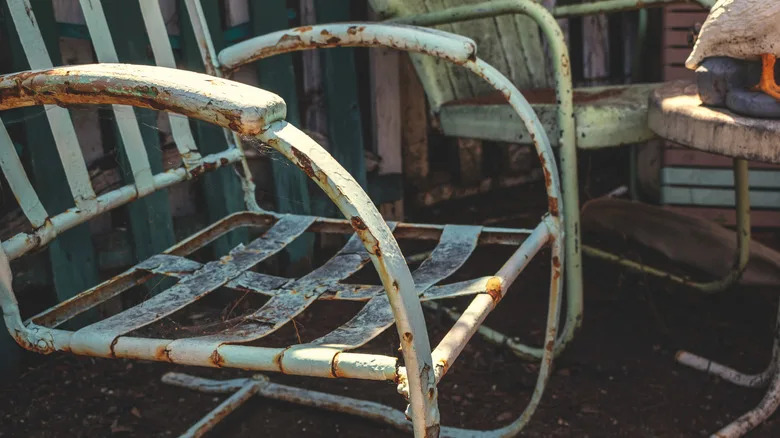
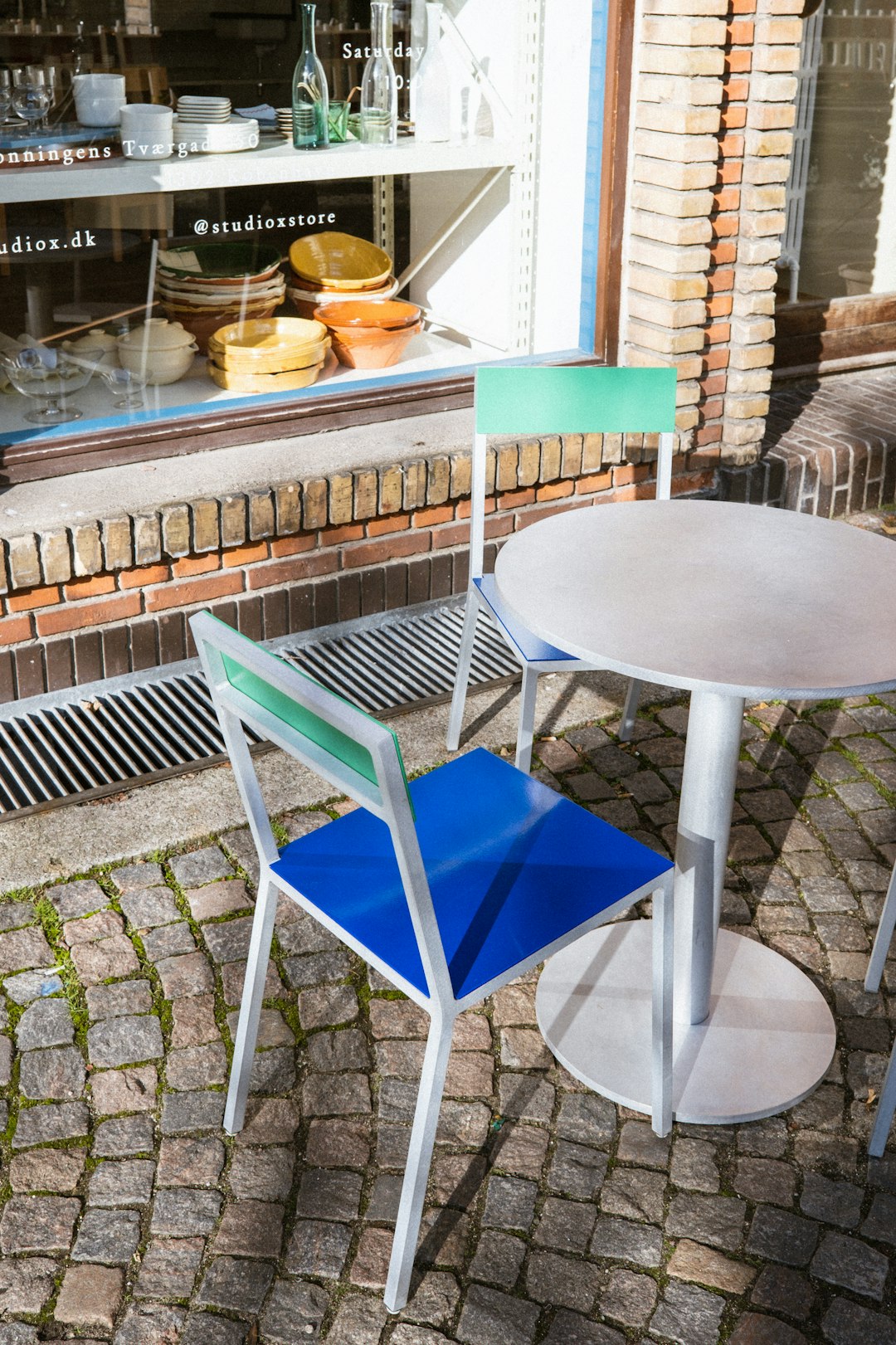
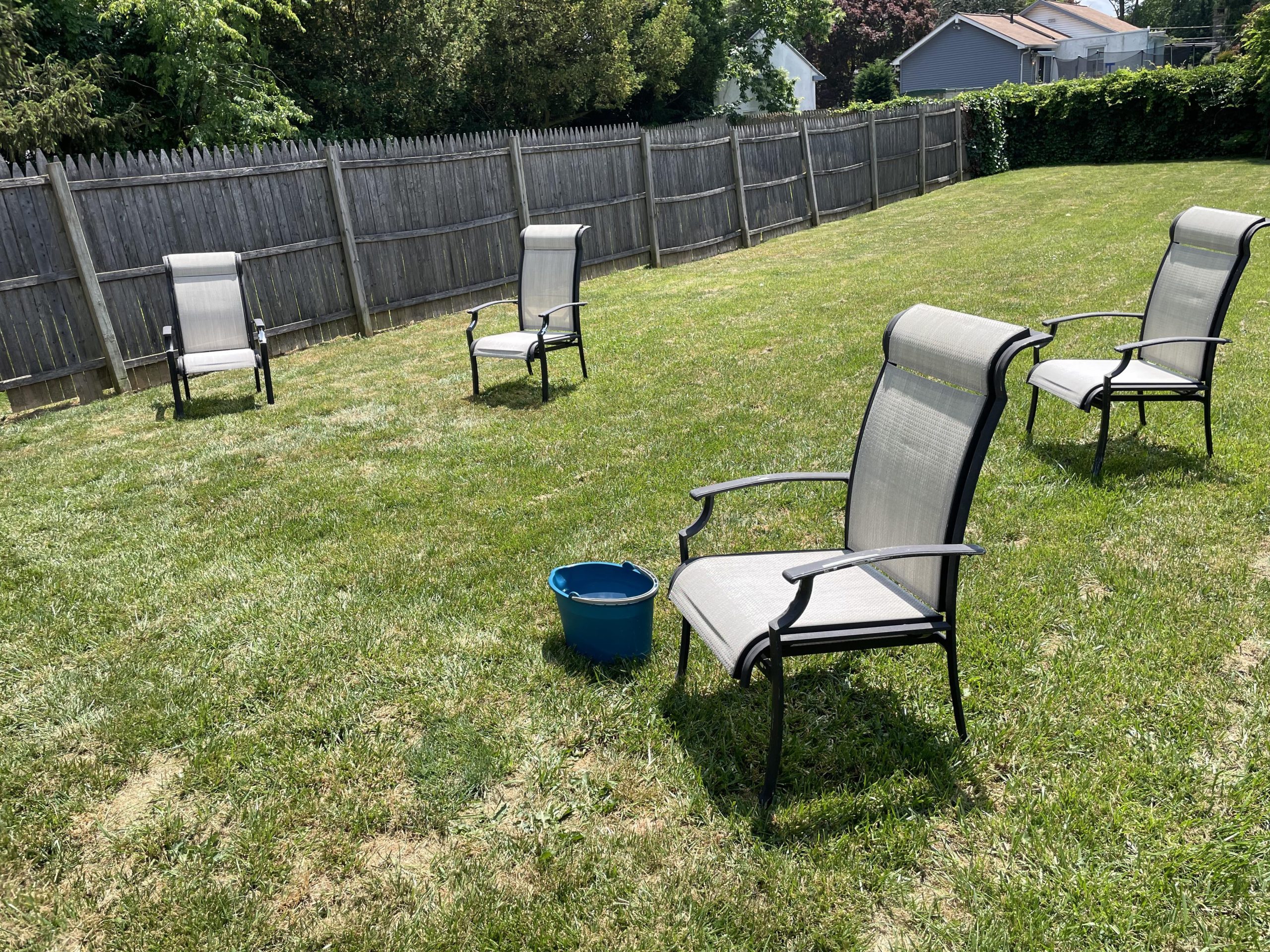
Are your patio furniture cushions looking worn out or just not comfortable enough? Imagine relaxing outside on cushions you made yourself—perfectly soft, stylish, and tailored to your taste.
Making your own patio cushions isn’t as hard as you might think. In fact, with a few simple materials and easy steps, you can create cushions that will transform your outdoor space and make every moment more enjoyable. Ready to learn how to make patio furniture cushions that fit your style and comfort needs?
Keep reading, and you’ll discover how to do it step-by-step.
Choosing The Right Materials
Making your own patio furniture cushions starts with picking the best materials. Good materials make cushions last longer and stay comfortable.
Choose fabrics and foam that work well outside. You also need the right tools to finish your cushions neatly.
Selecting Fabric Types
Outdoor fabrics must resist water and sun damage. Look for fabrics that dry quickly and do not fade in sunlight.
Popular choices include solution-dyed acrylic and polyester. These fabrics are strong and easy to clean.
- Solution-dyed acrylic: fades slowly, dries fast
- Polyester: affordable and water-resistant
- Olefin: strong and mildew resistant
- Sunbrella fabric: known for durability outdoors
Picking Cushion Foam
Foam gives your cushion shape and comfort. Outdoor foam should resist water and keep its form.
Look for foam labeled as "outdoor" or "high-density." These types dry quickly and last through weather changes.
- High-density foam: firm and durable
- Quick-dry foam: lets water pass through
- Memory foam: soft but less common outside
- Standard foam: use with waterproof covers
Gathering Tools And Supplies
Having the right tools makes sewing cushions easier. You need tools for measuring, cutting, and sewing.
Also, pick supplies that help protect your fabric and foam from the weather.
- Measuring tape or ruler
- Scissors or rotary cutter
- Sewing machine with heavy-duty needle
- Thread made for outdoor use
- Zippers or Velcro for cushion covers
- Waterproof spray or fabric protector

Credit: www.comealongwithchong.com
Measuring Your Furniture
Making your own patio furniture cushions starts with good measurements. Accurate sizes help your cushions fit well and look neat.
Take your time to measure each part of your furniture. This step ensures your cushions will be comfortable and stylish.
Taking Accurate Dimensions
Use a tape measure to get the length, width, and thickness of each seat and backrest. Write down every number carefully.
Measure the deepest part of the seat and the highest part of the back. Check if your furniture has curves or angles to note.
- Measure seat width from side to side
- Measure seat depth from front to back
- Measure backrest height from seat to top
- Note any curves or armrests shapes
- Double-check all measurements
Planning Cushion Shapes
Decide if you want square, rectangular, or rounded cushions. Match the shapes to your furniture style and comfort needs.
Draw simple sketches of your furniture with cushion shapes. This helps you plan fabric cuts and sewing lines.
- Square cushions fit most chairs
- Rectangular cushions work for benches
- Rounded cushions suit curved furniture
- Add extra thickness for comfort
- Mark where ties or zippers will go
Cutting And Preparing Fabric
Making patio furniture cushions starts with cutting and preparing the fabric. This step ensures the fabric fits your cushion perfectly.
Careful cutting helps avoid mistakes and waste. It also makes sewing easier and the final cushion look better.
Marking Fabric Pieces
Marking fabric pieces is important to get the right shape and size. Use a fabric marker or chalk that can wash away.
Place your cushion pattern on the fabric and mark around it. Add extra space for seams, usually about half an inch.
- Lay fabric flat on a clean surface
- Pin the pattern to keep it from moving
- Mark all edges clearly with fabric chalk
- Label pieces if you have many parts
- Include seam allowance marks
Cutting Techniques
Use sharp fabric scissors for clean cuts. Cut slowly to follow your marks closely. Avoid lifting fabric too much to keep shapes accurate.
Cut one layer at a time unless fabric is thin. Keep scissors straight and do not twist them. This gives a smooth edge for sewing.
- Use sharp scissors made for fabric
- Cut on a flat surface
- Follow marked lines carefully
- Cut slowly and steadily
- Cut one layer if fabric is thick

Credit: www.homesandgardens.com
Sewing The Cushion Covers
Sewing cushion covers is a key step in making patio furniture cushions. It protects the cushion and gives it a neat look.
You need basic sewing skills and some tools like a sewing machine, thread, and scissors. Follow simple steps to create strong and clean covers.
Stitching Seams
Start by sewing the seams to join fabric pieces. Use straight stitches for a clean and strong seam.
Keep seam allowances around half an inch. Press the seams open with an iron to make the cover smooth.
- Pin fabric pieces together before sewing
- Sew slowly to keep stitches even
- Backstitch at the start and end to secure seams
Adding Zippers Or Closures
Zippers or other closures let you remove the cover for cleaning. Choose a zipper that matches your fabric thickness.
Sew the zipper carefully along one edge. Use a zipper foot on your sewing machine for better control.
- Place the zipper face down on the fabric edge
- Sew slowly to avoid skipping stitches
- Test the zipper before finishing all seams
Reinforcing Edges
Reinforce the edges to make covers last longer. Use double stitching or bias tape on corners and stress points.
Trim excess fabric near seams to reduce bulk. This helps the cushion cover fit better and look tidy.
- Double stitch edges for extra strength
- Use bias tape for clean, strong edges
- Trim seam allowances to avoid thick edges
Assembling The Cushions
After sewing the cushion covers, it is time to assemble the cushions. Proper assembly ensures comfort and durability.
This part includes inserting the foam and shaping the cushions for the best fit and look.
Inserting Foam
Start by cutting foam to match the size of the cushion cover. Use a sharp knife for clean edges.
Gently slide the foam inside the cover through the opening. Avoid forcing it to prevent tearing the fabric.
- Use high-density foam for better support
- Trim foam if it feels too thick
- Make sure foam fills all corners evenly
Shaping And Fluffing
Once the foam is inside, close the cover opening securely with a zipper or sewing.
Press and shape the cushion to spread the foam evenly. Fluff the cushion to make it look full.
- Pat the cushion gently to smooth lumps
- Fluff edges to keep the shape sharp
- Check for even thickness all around
Caring For Your Cushions
Patio furniture cushions need care to last long and stay comfy. Taking time to clean and store them right helps protect them from weather and dirt.
Good care keeps cushions looking fresh and feeling soft. It also stops mold, stains, and fading.
Cleaning Tips
Clean your cushions regularly to avoid dirt build-up. Use gentle soap and water for best results. Avoid harsh chemicals that can damage fabric.
Dry cushions completely before using them again to prevent mold growth. Spot clean stains quickly to stop them from setting.
- Vacuum cushions to remove loose dirt
- Mix mild soap with warm water
- Use a soft brush to scrub gently
- Rinse with clean water
- Air dry cushions in the sun
- Spot clean spills immediately
Storage Advice
Store cushions in a dry, cool place during bad weather or winter. Keep them off the ground to avoid moisture damage.
Use storage bags or bins to protect cushions from dust and pests. Make sure cushions are fully dry before storing to prevent mildew.
- Choose a covered area for storage
- Use breathable storage bags
- Keep cushions away from direct sunlight
- Do not stack wet cushions
- Check cushions regularly for mold or pests

Credit: wood-create.com
Frequently Asked Questions
What Materials Are Best For Patio Cushions?
Opt for water-resistant fabrics like polyester or acrylic. These materials withstand outdoor elements effectively. Sunbrella fabric is a popular choice due to its durability and fade resistance. Foam cores wrapped in polyester batting offer comfort and resilience. Ensure materials are mold-resistant to extend cushion life.
How To Measure For Patio Furniture Cushions?
Start by measuring the width and depth of your furniture seat. Note the back height for back cushions. For rounded furniture, use a flexible tape measure. Add a couple of inches for comfort, but avoid oversized cushions. Accurate measurements ensure a snug fit and a polished look.
Can I Make Patio Cushions Waterproof?
Yes, using a water-resistant spray can make cushions waterproof. Apply it evenly on clean, dry fabric for best results. Waterproof covers are also available for added protection. Regular maintenance and reapplication are essential to keep cushions dry and mold-free.
How Often Should I Replace Patio Cushions?
Replace patio cushions every 3-5 years, depending on usage and exposure. Regular cleaning and proper storage extend their lifespan. Look for signs of wear, fading, and loss of comfort. High-quality materials may last longer, but periodic updates refresh your outdoor space.
Conclusion
Making your own patio cushions brings comfort and style to your outdoor space. You choose the fabric, color, and size that fit your needs best. The process is simple and rewarding. Enjoy relaxing on cushions you created yourself. This project saves money and adds a personal touch.
Try it and see how easy and fun it can be. Your patio will feel cozy and inviting all year round.