Are you wondering how long your memory foam topper will truly last? You’ve invested in extra comfort, but knowing when it’s time to replace it can save you from restless nights and unexpected back pain.
Memory foam toppers don’t all wear out the same way, and understanding their lifespan can help you get the best value and support for your sleep. Keep reading to discover the key signs your topper is aging, how to extend its life, and when it’s time to say goodbye—so you can keep enjoying a perfect night’s rest.
Lifespan Of Memory Foam Toppers
Memory foam toppers add comfort to your mattress. Knowing how long they last helps you plan for replacements.
The lifespan depends on quality, use, and care. This guide explains how long memory foam toppers usually last.
Average Duration
Most memory foam toppers last between 3 to 5 years. Some can last up to 7 years with good care.
After this time, the foam may lose shape and support. This can reduce comfort and sleep quality.
Factors Influencing Longevity
The lifespan changes based on several factors. These include foam density, usage, and maintenance.
- Foam Density:Higher density foam lasts longer and keeps shape better.
- Usage:Daily use wears the topper faster than occasional use.
- Weight:Heavier body weight causes more compression and wear.
- Care:Cleaning and rotating the topper can extend its life.
- Sleeping Position:Certain positions put more pressure on the foam.
Credit: www.leesa.com
Quality And Density Impact
Memory foam toppers can change how comfortable your bed feels. The quality and density of the foam affect how long the topper lasts. Understanding these factors helps you buy the best one for your needs.
Higher quality foam often lasts longer. Density plays a big role in comfort and durability. Let’s look at how these features impact the lifespan of memory foam toppers.
High Vs Low Density Foam
Density means how much foam is packed in a certain space. High-density foam has more material in the same size. Low-density foam has less material and feels softer.
High-density foam lasts longer and supports your body better. Low-density foam breaks down faster and may lose shape. It also absorbs heat more, which can affect comfort.
- High-density foam usually lasts 5 to 8 years.
- Low-density foam may last only 2 to 3 years.
- High density offers better support and durability.
- Low density is cheaper but wears out faster.
Material Composition Effects
Memory foam toppers are made with different materials. Some use pure memory foam, while others mix in gel or other substances. These changes affect how long the topper lasts and how it feels.
Gel-infused foam helps keep the topper cooler but may change durability. Some foams have additives to make them softer or firmer. These choices affect the foam’s ability to return to shape and resist wear.
- Pure memory foam offers consistent support and lasts well.
- Gel-infused foam improves cooling but may wear faster.
- Additives can affect softness and lifespan.
- Higher quality materials resist breakdown better.
Usage Patterns And Wear
Memory foam toppers add comfort to your mattress. Their lifespan depends on how you use them. Daily habits and pressure affect how long they last.
Understanding usage patterns helps you care for your topper. This can extend its life and keep it comfortable longer.
Daily Use Considerations
Using a memory foam topper every day causes faster wear. Regular pressure breaks down the foam cells. This reduces support and comfort over time.
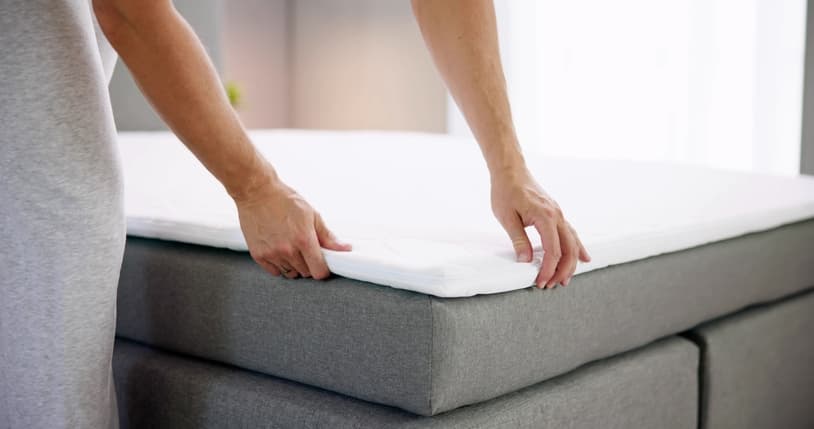
Sleeping positions also affect wear. Lying in one spot all night can create indentations. Rotating or flipping the topper can help it wear evenly.
- Use a mattress protector to keep it clean
- Rotate the topper every few months
- Avoid jumping or heavy impact
- Keep it dry to prevent damage
Weight And Pressure Impact
Heavier body weight puts more pressure on memory foam. This can cause the foam to compress faster. Softer foam may wear out sooner under high pressure.
Pressure points form more easily with more weight. This leads to permanent dents and less support. Choosing the right foam density helps handle your weight better.
- Higher density foam lasts longer under heavy weight
- Lighter users may find lower density foam comfortable
- Pressure relief depends on foam firmness and thickness
- Regular care reduces wear from pressure
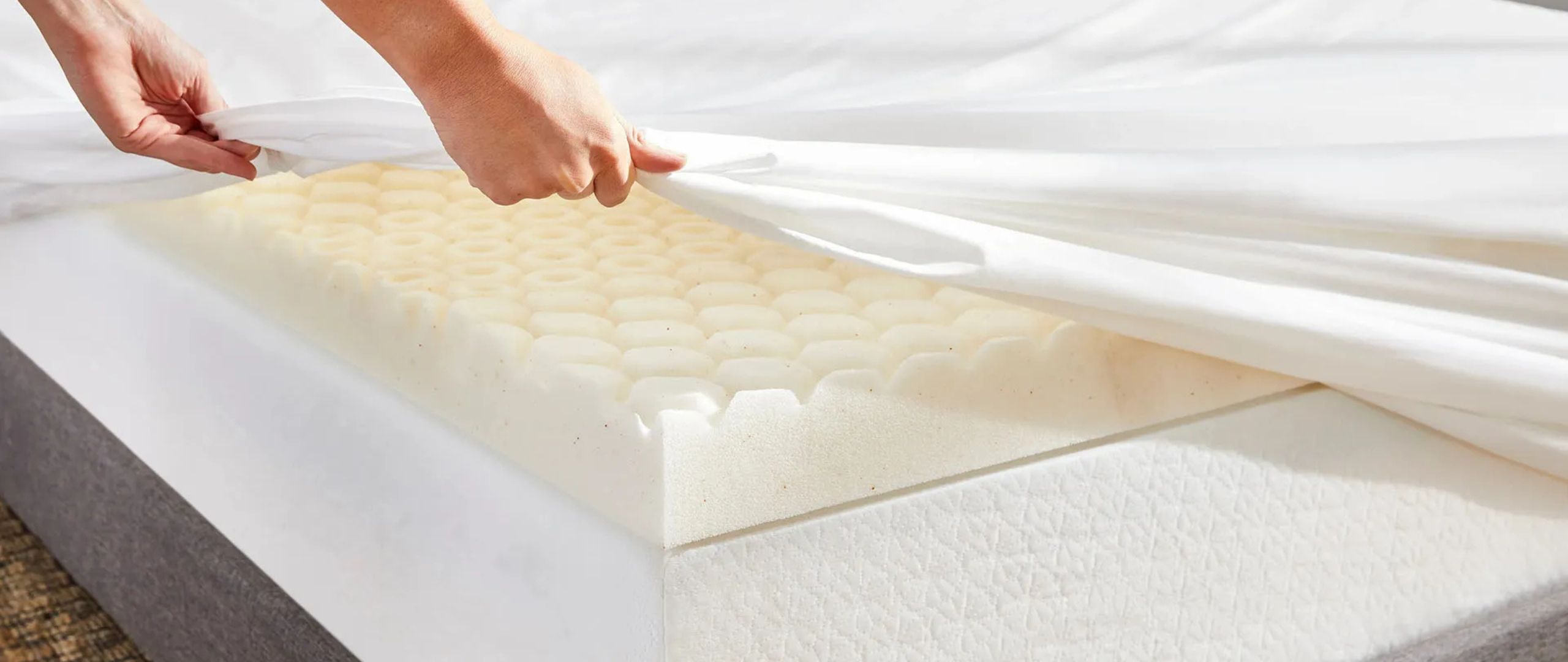
Credit: www.tomsguide.com
Care And Maintenance Tips
Memory foam toppers can last many years if you care for them properly. Taking good care helps keep them comfortable and clean.
Simple maintenance steps help avoid damage and extend the life of your topper. Follow these tips to keep it fresh and supportive.
Cleaning Techniques
Cleaning your memory foam topper regularly prevents dirt and odors. Use gentle methods to avoid harming the foam.
Spot clean stains with a mild detergent and water. Avoid soaking the foam or using harsh chemicals.
- Mix a small amount of mild detergent with water
- Use a clean cloth to dab the stained area
- Blot the area with a dry towel to remove moisture
- Allow the topper to air dry completely before use
- Do not machine wash or submerge in water
Proper Storage Practices
Store your memory foam topper properly when not in use. Good storage stops damage from moisture and pressure.
Keep the topper flat or rolled loosely. Avoid folding it tightly to prevent creases and cracks.
- Store in a cool, dry place away from direct sunlight
- Use a breathable cover or bag to protect from dust
- Avoid placing heavy items on top of the topper
- Check the topper regularly for signs of wear or mold
Signs Your Topper Needs Replacement
Memory foam toppers make your bed softer and more comfortable. Over time, they lose their quality.
Knowing when to replace your topper helps you sleep better and avoid discomfort.
Loss Of Support
Your topper should feel firm but soft. If it feels flat or sags, it lost support.
Without support, your body may hurt after sleeping. This means it is time to replace the topper.
Visible Damage
Look for tears, holes, or cracks on the topper surface. These damages reduce comfort and hygiene.
Discoloration or stains that do not clean well also show your topper is worn out.
Odors
Old memory foam toppers can develop bad smells. These odors come from sweat, dust, and bacteria.
If airing out the topper does not remove the smell, replacement is needed for a fresh sleep.

Credit: www.goodhousekeeping.com
Extending Your Topper’s Life
Memory foam toppers add comfort to your bed. Taking care of them helps them last longer. Small habits can keep your topper fresh and supportive.
Simple actions like rotating or using covers protect the foam. These steps prevent early wear and sagging. Your topper will feel good for years.
Rotation And Flipping
Turning your memory foam topper regularly spreads out wear. Rotation means moving the topper end to end. Flipping means turning it over.
Some toppers are one-sided and should not be flipped. Check your topper’s instructions before flipping. Rotate it every 3 months for even use.
- Rotate the topper 180 degrees every 3 months
- Flip only if your topper is double-sided
- Use gentle movements to avoid damage
Using Protective Covers
A protective cover guards your topper from spills, dust, and dirt. Covers also reduce body oils from soaking into the foam. This keeps the foam clean and fresh.
Choose covers that are breathable and washable. Regular washing of covers keeps allergens away. This care prevents damage and extends topper life.
- Use waterproof covers for spill protection
- Pick covers made of breathable materials
- Wash covers every 1-2 months
Comparing Memory Foam With Other Toppers
Memory foam toppers are popular for comfort and support. Many people want to know how long they last compared to other types.
This article looks at how memory foam lasts versus other toppers. We focus on durability and cost against how long they last.
Durability Differences
Memory foam toppers usually last about 3 to 5 years. They keep their shape well but can wear out with heavy use.
Other toppers, like latex, often last longer, around 5 to 7 years. Latex resists sagging better than memory foam.
- Memory foam: 3-5 years, soft and contouring
- Latex: 5-7 years, firm and durable
- Polyester: 1-3 years, less durable
- Feather/down: 2-4 years, needs fluffing often
Cost Vs Longevity
Memory foam toppers cost more than polyester but less than latex. They offer good comfort for the price.
Latex toppers cost the most but last longer. Polyester is cheaper but needs replacing more often.
| Topper Type | Average Cost | Expected Lifespan |
|---|---|---|
| Memory Foam | $$ | 3-5 years |
| Latex | $$$ | 5-7 years |
| Polyester | $ | 1-3 years |
| Feather/Down | $$ | 2-4 years |
Frequently Asked Questions
How Long Do Memory Foam Toppers Typically Last?
Memory foam toppers typically last between 3 to 5 years. Longevity depends on usage, quality, and maintenance. Regularly rotating and cleaning can extend their lifespan. Investing in a high-density topper often results in better durability. Always follow manufacturer guidelines for best results.
What Affects The Lifespan Of Memory Foam Toppers?
Several factors affect memory foam topper lifespan: usage frequency, topper quality, and maintenance habits. High-density toppers generally last longer. Regularly rotating and cleaning can also preserve their condition. Proper care ensures they remain comfortable and supportive for years.
Can You Extend A Memory Foam Topper's Life?
Yes, you can extend its life by regular maintenance. Rotate the topper monthly to prevent uneven wear. Use a protective cover to shield against spills and stains. Clean it as recommended by the manufacturer. These practices help maintain its quality and comfort.
When Should I Replace My Memory Foam Topper?
Replace your memory foam topper when it shows sagging or loss of support. Noticeable indentations or reduced comfort are signs. Typically, replacement is advisable every 3 to 5 years. Regularly evaluate its condition to ensure optimal sleep quality.
Conclusion
Memory foam toppers usually last between 3 to 5 years. Their lifespan depends on use and care. Regular cleaning and proper support help them stay fresh longer. Watch for signs like sagging or loss of comfort. Replace your topper when it no longer feels supportive.
Choosing a quality topper also extends its life. A good memory foam topper improves sleep quality. Taking care of it saves money and keeps you comfortable. Small efforts make a big difference in how long it lasts.