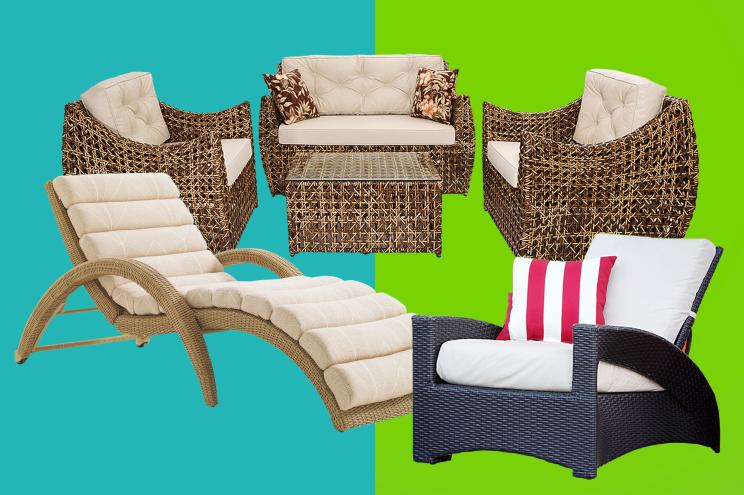
Are you tired of uncomfortable lawn furniture that ruins your relaxing moments outside? Making your own lawn furniture cushions can transform your outdoor space into a cozy retreat.
Imagine sinking into soft, perfectly sized cushions that match your style and last through every season. In this guide, you’ll discover simple steps to create cushions tailored just for you—saving money and adding a personal touch. Ready to upgrade your outdoor comfort and impress your guests?
Let’s get started!

Credit: blog.ripaton.fr
Choosing The Right Materials
Making lawn furniture cushions needs good materials. The right choice keeps cushions comfy and durable.
This guide helps you pick fabrics, foam, and weather-resistant options for cushions.
Selecting Fabric For Outdoors
Outdoor fabric must be strong and easy to clean. It should handle sun, rain, and dirt well.
Look for fabrics that do not fade fast and dry quickly after rain.
- Polyester and acrylic fabrics resist fading and stains
- Olefin fabric dries fast and is mildew resistant
- Sunbrella is a popular brand for outdoor fabric
- Choose darker colors to hide dirt better
Picking The Perfect Foam
Foam gives cushions their softness and support. Pick foam that stays firm but feels comfy.
Outdoor foam should resist water and dry quickly to avoid mold.
- High-density foam holds shape longer
- Reticulated foam lets water drain fast
- Memory foam is comfy but may trap water
- Choose foam with quick-dry features
Considering Weather Resistance
Cushions face sun, rain, and wind. Materials must handle all weather types.
Look for fabrics and foam that resist water, mold, and fading from the sun.
- Use water-resistant fabric to keep cushions dry
- Choose foam that does not absorb water
- Pick UV-resistant materials to prevent fading
- Consider adding a waterproof cover for extra protection
Measuring And Cutting Fabric
Making your own lawn furniture cushions starts with the right measurements. Accurate cutting of fabric ensures a perfect fit and neat look.
This guide explains how to measure and cut fabric for your cushions. It also covers preparing the foam pieces inside.
Taking Accurate Measurements
First, measure the length and width of your lawn furniture seat or backrest. Use a soft tape measure for accuracy.
Add extra inches for seams and cushion thickness. Usually, add 2 to 3 inches on each side.
- Measure the seat width and length carefully.
- Measure the thickness of the cushion foam.
- Add 2-3 inches to each measurement for seams.
- Write down all measurements before cutting.
Cutting Fabric For Cushions
Lay your fabric flat on a clean, smooth surface. Use a ruler and fabric chalk to mark your cut lines.
Cut slowly with sharp fabric scissors to avoid frayed edges. Cut two pieces for each cushion: one for the top and one for the bottom.
- Place fabric on a flat surface.
- Mark measurements with fabric chalk or pencil.
- Use sharp scissors to cut along the marks.
- Cut two pieces for each cushion cover.
Preparing Foam Pieces
Use foam that matches your cushion measurements. If needed, trim foam with a sharp knife for a perfect fit.
Make sure foam edges are smooth and even. This makes the cushion more comfortable and the cover easier to sew.
- Choose foam thickness based on comfort needs.
- Cut foam slightly smaller than fabric size.
- Trim foam edges with a sharp knife.
- Check foam fits snugly inside the fabric cover.
Sewing Cushion Covers
Making your own lawn furniture cushions is fun and saves money. Sewing cushion covers is a key part of this project.
You can choose fabrics and designs that fit your outdoor space. Sewing covers lets you easily clean or change the look.
Basic Sewing Tools Needed
You need a few simple tools to sew cushion covers. These tools help you cut fabric and sew neat seams.
- Sewing machine or needle and thread
- Fabric scissors for clean cuts
- Measuring tape or ruler
- Pins or clips to hold fabric
- Chalk or fabric marker for marking
- Zipper foot for sewing zippers
Creating Seams And Edges
Start by cutting fabric pieces to the right size. Leave extra fabric for seam allowance, usually ½ inch.
Sew the fabric pieces together with a straight stitch. Press seams flat with an iron for a clean look.
- Use a ½ inch seam allowance for strong seams
- Backstitch at the start and end to secure stitches
- Trim corners and clip curves to reduce bulk
- Press seams open or to one side
Adding Zippers Or Velcro
Use zippers or Velcro to close your cushion covers. This makes it easy to remove and wash them.
Sew zippers with a zipper foot for neat edges. Attach Velcro strips by sewing them on the fabric edges.
- Choose a zipper length that fits your cushion size
- Pin the zipper face down on the fabric edge
- Sew slowly to keep the zipper straight
- For Velcro, sew both hook and loop sides firmly
- Test the zipper or Velcro to make sure it opens easily
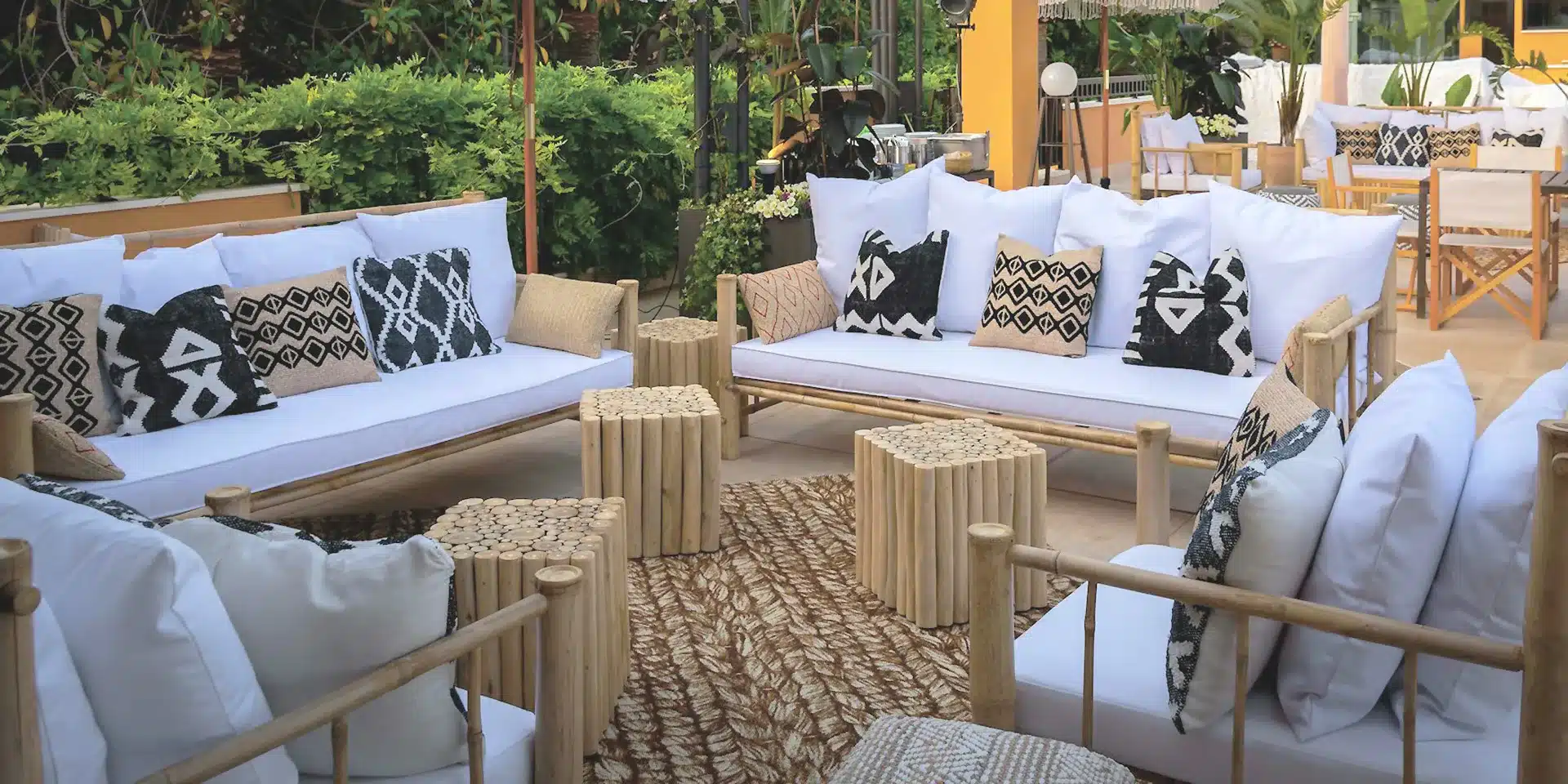
Credit: serwalloutdoor.com
Assembling The Cushions
Making your own lawn furniture cushions is a fun project. Assembling the cushions takes care and patience.
In this part, you will put foam inside covers and secure everything neatly. Let’s look at how to do it.
Inserting Foam Into Covers
Start by choosing foam that fits your cushion covers well. The foam should fill the cover without stretching it.
Slide the foam slowly inside the cover. Adjust it so the foam lies flat and fills all corners.
Securing The Cushion
Make sure the cushion cover is closed tightly after inserting the foam. Use zippers or Velcro to keep the foam inside.
If your cover does not have a closure, sew it shut carefully. This stops the foam from slipping out.
Finishing Touches
Check the cushion for any wrinkles or lumps. Smooth the foam by pressing and shaping the cushion.
You can add decorative buttons or ties to hold the cushion in place on your furniture.
- Check all seams for strength
- Use outdoor fabric for durability
- Add ties to secure cushions to chairs
Maintaining And Caring For Cushions
Lawn furniture cushions need care to stay comfortable and last longer. Proper cleaning and storage help keep them fresh. Small repairs fix damages early.
Follow simple tips to maintain your cushions. This guide shows how to clean, store, and repair them easily.
Cleaning Tips
Clean cushions regularly to remove dirt and stains. Use gentle cleaning methods to protect the fabric and filling.
Spot clean with mild soap and water. Avoid harsh chemicals that can damage the material.
- Brush off loose dirt before washing
- Use a soft cloth or sponge for cleaning
- Rinse well to remove soap residue
- Air dry cushions completely before use
- Clean spills quickly to prevent stains
Storing Cushions Properly
Store cushions in a dry place when not in use. Proper storage stops mold, mildew, and fading.
Use storage bags or containers to protect cushions from dust and pests.
- Keep cushions away from direct sunlight
- Store in a cool, dry area
- Stack cushions flat to avoid misshaping
- Cover cushions with breathable fabric covers
- Check stored cushions regularly for damage
Repairing Minor Damages
Fix small tears or loose seams quickly to prevent bigger problems. Use simple tools and materials for repairs.
Sew tears with a needle and strong thread. Replace missing buttons or ties to keep cushions secure.
- Use fabric glue for small holes or frays
- Patch worn areas with matching fabric
- Re-stuff cushions if filling becomes thin
- Trim loose threads to avoid unraveling
- Inspect cushions often for needed repairs
Design Ideas And Customization
Making your own lawn furniture cushions lets you create a unique look. You can choose colors, patterns, and styles that fit your space.
Custom cushions make your outdoor area more comfortable and inviting. You can add personal touches that show your style.
Choosing Colors And Patterns
Select colors that match your outdoor setting and mood. Light colors keep things cool, while dark colors hide dirt well.
Patterns add interest and style. Stripes, florals, or geometric shapes can make cushions stand out or blend in.
- Use bright colors for a lively feel
- Choose soft pastels for a calm space
- Mix patterns carefully to avoid clashes
- Consider seasonal themes like summer or fall
Adding Decorative Elements
Decorative touches make cushions special. Add buttons, piping, or tassels for extra charm.
Try embroidery or fabric paint to create custom designs. These elements give cushions a handmade look.
- Use contrasting piping to outline cushions
- Sew on buttons for a tufted effect
- Add tassels or fringe for texture
- Paint simple shapes or patterns on fabric
Matching Cushions To Outdoor Décor
Pick cushion styles that fit your furniture and surroundings. Matching cushions create a balanced look.
Consider the colors and materials of your patio furniture and plants. This helps you choose cushions that blend well.
- Match cushion fabric with furniture texture
- Use colors found in outdoor plants or flowers
- Keep patterns simple if furniture is detailed
- Choose durable fabrics that resist weather

Credit: www.homesandgardens.com
Frequently Asked Questions
What Materials Are Best For Lawn Furniture Cushions?
Use weather-resistant fabrics like Sunbrella or polyester. Choose quick-drying foam for comfort and durability outdoors. These materials resist fading, mildew, and moisture, ensuring long-lasting cushions for your lawn furniture.
How Do I Measure Cushions For Lawn Furniture?
Measure the seat width, depth, and thickness. Add an inch or two for a snug fit. Accurate measurements ensure cushions fit perfectly and provide maximum comfort.
Can I Make Waterproof Lawn Furniture Cushions?
Yes, use waterproof fabric or add a water-resistant spray. Choose closed-cell foam to prevent moisture absorption. This keeps cushions dry and extends their lifespan outdoors.
How Do I Maintain And Clean Lawn Furniture Cushions?
Regularly brush off dirt and spot-clean stains with mild soap. Store cushions indoors during harsh weather. Proper care keeps cushions fresh, clean, and durable.
Conclusion
Making your own lawn furniture cushions saves money and adds comfort. You can choose colors and fabrics that fit your style. The process is simple and fun to try at home. Use basic tools and follow easy steps for best results.
Enjoy relaxing outside with cushions you made yourself. This small project brings big satisfaction and a cozy outdoor space. Give it a try and see the difference it makes. Your lawn furniture will look fresh and inviting all season long.