Your outdoor furniture is more than just a place to sit—it’s an investment in your comfort and style. But have you ever worried about how to keep it safe from theft, bad weather, or damage?
Imagine coming home to find your favorite chair gone or ruined after a storm. That feeling of loss can be avoided. You’ll discover simple, effective ways to secure your outdoor furniture, so it stays protected year-round. Ready to learn how to keep your outdoor space safe and inviting?
Let’s dive in.

Credit: www.amazon.ca
Choosing The Right Materials
Picking the right materials helps keep your outdoor furniture safe. Good materials resist damage and last longer.
Strong materials also stop your furniture from breaking in bad weather or wind.
Weather-resistant Options
Materials that handle sun, rain, and snow keep your furniture looking good. These options stop rust and rotting.
- Teak wood is natural and stays strong in all weather.
- Aluminum does not rust and is light to move.
- Plastic resin is waterproof and easy to clean.
- Stainless steel resists rust and lasts a long time.
Durable Frame Choices
Strong frames keep furniture steady and safe from damage. Look for frames that hold weight well.
Metal and hardwood frames often give the best strength and support for outdoor use.
- Powder-coated steel frames resist rust and hold firm.
- Hardwoods like eucalyptus and cedar are tough and decay-resistant.
- Aluminum frames combine light weight with solid durability.
Protective Finishes
Finishes add a layer to stop damage from water, sun, and insects. They keep furniture looking new.
Choose finishes that match the furniture material for best protection.
- Sealants and varnishes protect wood from moisture and UV rays.
- Powder coating on metal frames prevents rust and scratches.
- UV-resistant sprays help plastic resist fading and cracking.
Credit: www.coversandall.com
Anchoring Techniques
Securing outdoor furniture helps prevent damage during strong winds or storms. Anchoring keeps your furniture stable and safe.
There are several ways to anchor outdoor furniture. Choose the best option based on your furniture type and outdoor space.
Using Ground Stakes
Ground stakes are long metal rods you push into the soil. They hold furniture legs firmly in place on soft ground.
Use ground stakes for lightweight chairs or tables placed on grass or dirt. They are easy to install and remove.
- Choose stakes made of rust-resistant metal
- Push stakes deep enough to grip soil firmly
- Attach stakes to furniture legs with straps or ties
Heavy-duty Straps
Heavy-duty straps wrap around furniture and secure it to fixed objects. They help keep furniture from moving or tipping.
Use strong straps made of nylon or polyester. These materials resist weather and do not break easily.
- Wrap straps tightly around furniture
- Fasten straps to fences, poles, or anchors
- Check strap tension regularly
Bolting To Decks Or Patios
Bolting furniture to decks or patios offers a very secure hold. It is ideal for heavy pieces like benches or dining sets.
Drill holes into the furniture legs and the deck surface. Use corrosion-resistant bolts and washers for durability.
- Measure and mark bolt positions carefully
- Use a drill with the right bit size
- Tighten bolts firmly but avoid splitting wood
- Use rubber washers to prevent water damage
Storage Solutions
Protecting outdoor furniture keeps it looking good and lasting longer. Proper storage helps avoid damage from weather and pests.
Use smart storage options to keep your furniture safe during bad weather or off seasons.
Covering Furniture
Cover your outdoor furniture with waterproof covers. This stops rain, dust, and dirt from causing damage.
Choose covers that fit well and allow air to pass. This prevents mold and mildew from growing.
- Use covers made from breathable materials
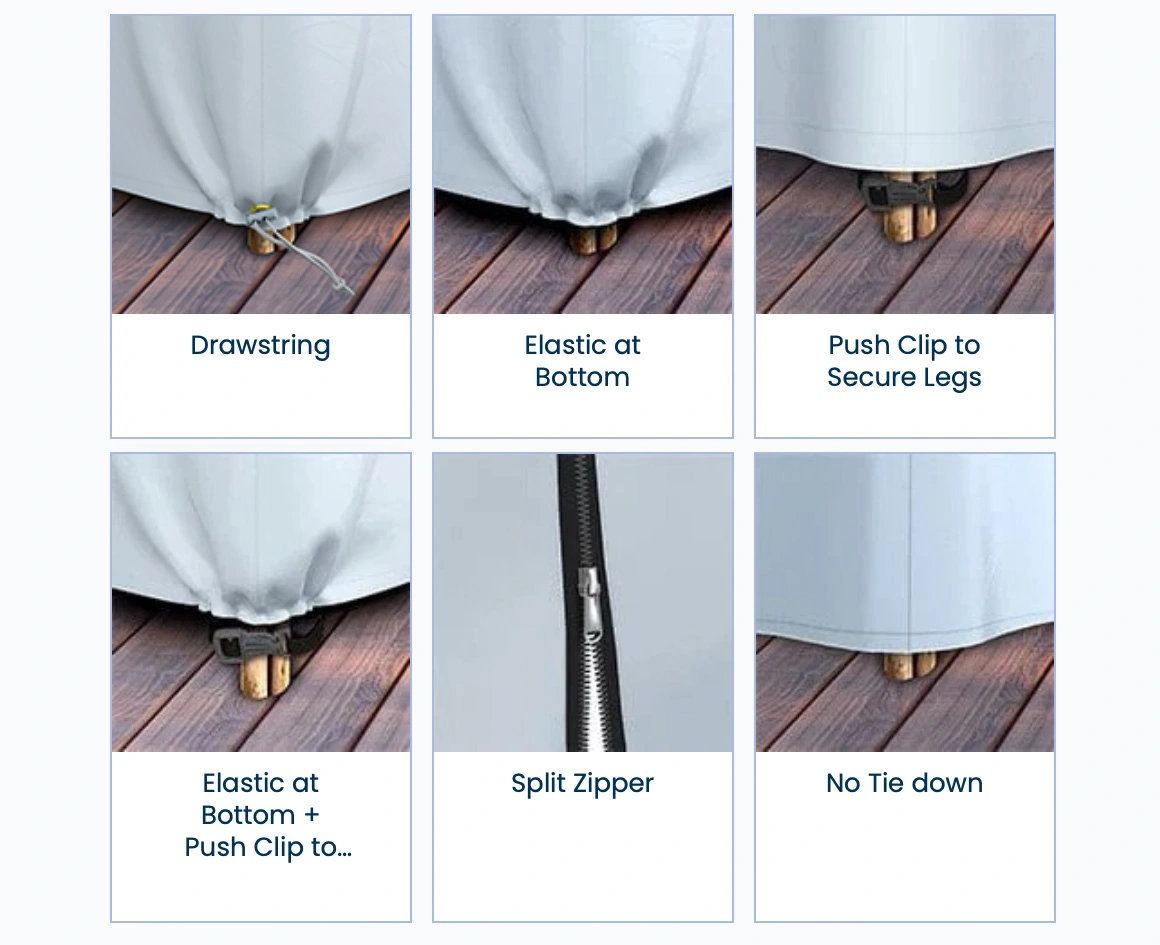
- Secure covers tightly to avoid wind blowing them away
- Remove covers occasionally to check for moisture
Using Storage Sheds
Storage sheds offer a safe place for outdoor furniture. They protect from sun, rain, and snow.
Choose a shed with good ventilation. This reduces moisture build-up that can harm your furniture.
- Keep furniture off the floor using pallets or shelves
- Store cushions inside to keep them dry
- Lock the shed to prevent theft or animal damage
Seasonal Storage Tips
Clean furniture before storing it for the season. Dirt and grime can cause stains and damage.
Dry all items thoroughly. Moisture left on furniture invites mold and rust.
- Disassemble large pieces to save space
- Store cushions in sealed bags or containers
- Check stored furniture monthly for any damage
Maintenance Practices
Keeping outdoor furniture safe and lasting long needs good care. Regular maintenance helps protect it from weather and wear.
Simple actions can stop damage and keep your furniture looking nice. Focus on cleaning, checking for damage, and adding protective layers.
Regular Cleaning
Clean your outdoor furniture often to remove dirt and dust. Use gentle soap and water to avoid damage.
Dry the furniture after washing to prevent mold and rust. Clean cushions and fabrics separately according to their care labels.
- Use soft brushes or cloths for cleaning
- Rinse with clean water after soap
- Let furniture dry completely in shade
- Clean spills quickly to avoid stains
Inspecting For Damage
Look over your furniture regularly to find cracks, rust, or loose parts. Early fixing stops bigger problems.
Check joints, screws, and bolts to make sure they are tight. Replace any broken parts as soon as possible.
- Examine wood for splinters or cracks
- Look for rust on metal frames
- Test stability by gentle shaking
- Check fabric for tears or fading
Applying Protective Coatings
Use protective coatings to guard your furniture from sun and rain. These coatings help stop damage and keep colors bright.
Choose the right coating for the material. Apply it evenly and follow the instructions for best results.
- Use sealants or varnish for wooden furniture
- Apply rust-resistant paint on metal parts
- Use fabric protectors for cushions and covers
- Reapply coatings yearly or after cleaning
Security Measures
Outdoor furniture can be a target for theft and damage. Taking security measures helps protect your items. Simple steps can keep your furniture safe and secure.
Using locks, cameras, and good lighting improves safety. These tools work together to reduce risks and give peace of mind.
Locking Mechanisms
Locking outdoor furniture prevents easy removal. Use locks made for outdoor use to resist weather and tampering. Secure heavier pieces to fixed objects like posts or fences.
Certain locks are better for different furniture types. Chains with padlocks work well for chairs and tables. Cable locks are flexible and can secure various items.
- Use weather-resistant padlocks and chains
- Attach furniture to fixed objects
- Lock cushions or detachable parts separately
Security Cameras
Security cameras help watch your outdoor space day and night. Cameras act as a warning to thieves and record any suspicious activity. Choose cameras with motion sensors and night vision for better coverage.
Place cameras in visible spots covering all furniture areas. Connect cameras to your phone or computer for real-time alerts. Regularly check camera footage to ensure everything works well.
- Install cameras with clear views of furniture
- Use motion detection and night vision features
- Set up alerts on your phone or device
Lighting And Visibility
Good lighting reduces hiding spots near your furniture. Bright lights make it harder for thieves to approach unnoticed. Use outdoor lights with sensors to save energy and improve security.
Keep the area around furniture clear from large bushes or objects. A clear line of sight helps neighbors or passersby spot any strange behavior quickly.
- Install motion-activated outdoor lights
- Keep surrounding area tidy and visible
- Use timers or smart lighting for consistent coverage
Weather Preparedness
Outdoor furniture faces many weather challenges. Preparing your furniture helps it last longer.
Protecting your furniture keeps it safe from rain, wind, snow, and ice damage.
Storm-proofing Furniture
Strong storms can damage outdoor furniture. Secure items to prevent them from blowing away.
Use heavy covers or move furniture to a sheltered spot during storms.
- Place furniture close to walls or fences
- Use furniture straps or bungee cords
- Store cushions indoors or in waterproof boxes
Wind-resistant Arrangements
Wind can tip over light furniture. Arrange pieces to block wind and reduce movement.
Group furniture tightly and place heavy items near the edges of your patio.
- Use heavier furniture in windy areas
- Anchor umbrellas with weighted bases
- Keep lightweight items inside during strong winds
Snow And Ice Protection
Snow and ice can cause cracks and rust. Cover furniture with waterproof tarps.
Clear snow off regularly to stop buildup and avoid damage.
- Lift furniture off the ground if possible
- Use breathable covers to prevent moisture buildup
- Store cushions and fabrics indoors during winter
Credit: purpleleafshop.com
Frequently Asked Questions
How To Protect Outdoor Furniture From Weather?
To protect outdoor furniture from weather, use covers or tarps. Store items indoors during harsh conditions. Apply sealants or protective sprays to wooden or metal pieces. Regular maintenance like cleaning and treating surfaces can extend the lifespan of your furniture, keeping it looking fresh and new.
What Materials Are Best For Outdoor Furniture?
Materials like teak, aluminum, and synthetic wicker are best for outdoor furniture. They resist weather damage and require minimal maintenance. Teak is naturally water-resistant, while aluminum is lightweight and rust-resistant. Synthetic wicker mimics natural wicker but withstands outdoor elements much better.
How Can I Prevent Outdoor Furniture Theft?
To prevent theft, secure furniture with locks or chains. Install motion-sensor lights and cameras for added security. Consider marking your furniture with unique identifiers. Position furniture in less visible areas and ensure your outdoor space is well-lit. These measures can deter potential thieves effectively.
How To Clean Outdoor Furniture Effectively?
To clean outdoor furniture, use mild soap and water. Gently scrub surfaces with a soft brush or cloth. Rinse thoroughly and let them dry completely. For tougher stains, use specialized cleaning solutions. Always follow manufacturer guidelines for best results and to maintain the furniture's integrity.
Conclusion
Securing outdoor furniture keeps it safe and lasts longer. Use covers, locks, or move items indoors during bad weather. Choose sturdy materials that resist wind and rain. Regular cleaning helps prevent damage and keeps furniture looking good. Taking small steps now saves money and effort later.
Protect your outdoor space and enjoy it worry-free all year. Simple actions make a big difference in furniture care. Stay safe and keep your outdoor area inviting.