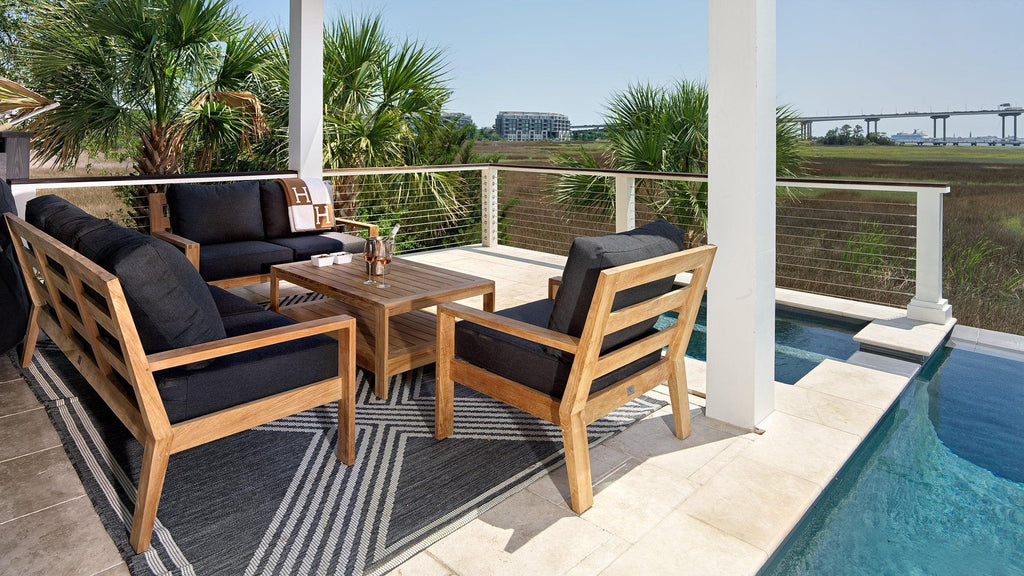
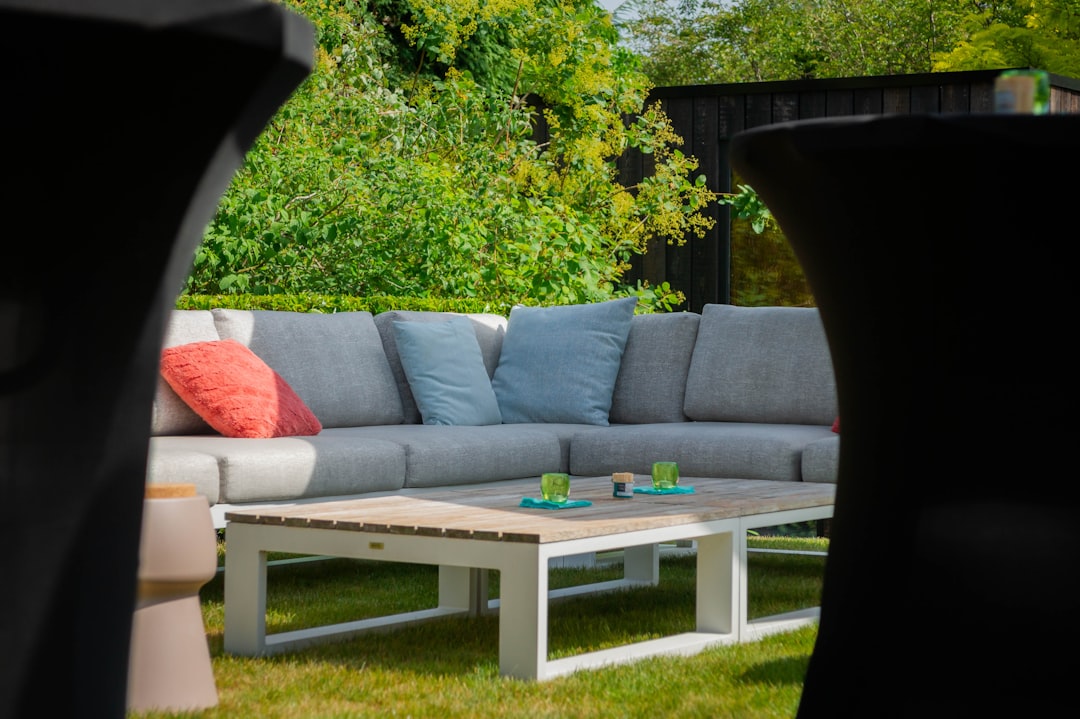
Imagine stepping outside to a cozy, stylish outdoor space that you built yourself. Your hands, your creativity, and just a few simple tools can transform ordinary materials into beautiful furniture that fits your style perfectly.
You don’t need to spend a fortune or wait for delivery. This guide will show you how to create your own outdoor furniture that’s not only budget-friendly but also uniquely yours. Ready to turn your outdoor area into a personal retreat?
Keep reading, and let’s get started!
Choosing Materials
Picking the right materials is key for making outdoor furniture. Your choice affects how long the furniture lasts.
Materials must handle weather changes and stay strong over time. Let’s look at some good options.
Wood Options
Wood is a popular choice for outdoor furniture. It looks natural and feels warm to touch.
Some woods resist water and insects better than others. Choose wood that stays strong outside.
- Teak: Very strong and water-resistant
- Cedar: Naturally repels insects
- Redwood: Durable and fades nicely
- Pine: Affordable but needs sealing
Metal Choices
Metal furniture is sturdy and modern. It can last many years with little care.
Some metals resist rust better. Pick one that suits your style and climate.
- Aluminum: Light and rustproof
- Steel: Strong but can rust
- Wrought iron: Heavy and classic look
- Stainless steel: Rust and stain resistant
Recycled Materials
Using recycled materials helps the environment. Many recycled items work well outdoors.
These materials often need less upkeep and can look unique.
- Recycled plastic: Water and insect proof
- Reclaimed wood: Adds character and strength
- Repurposed metal: Strong and eco-friendly
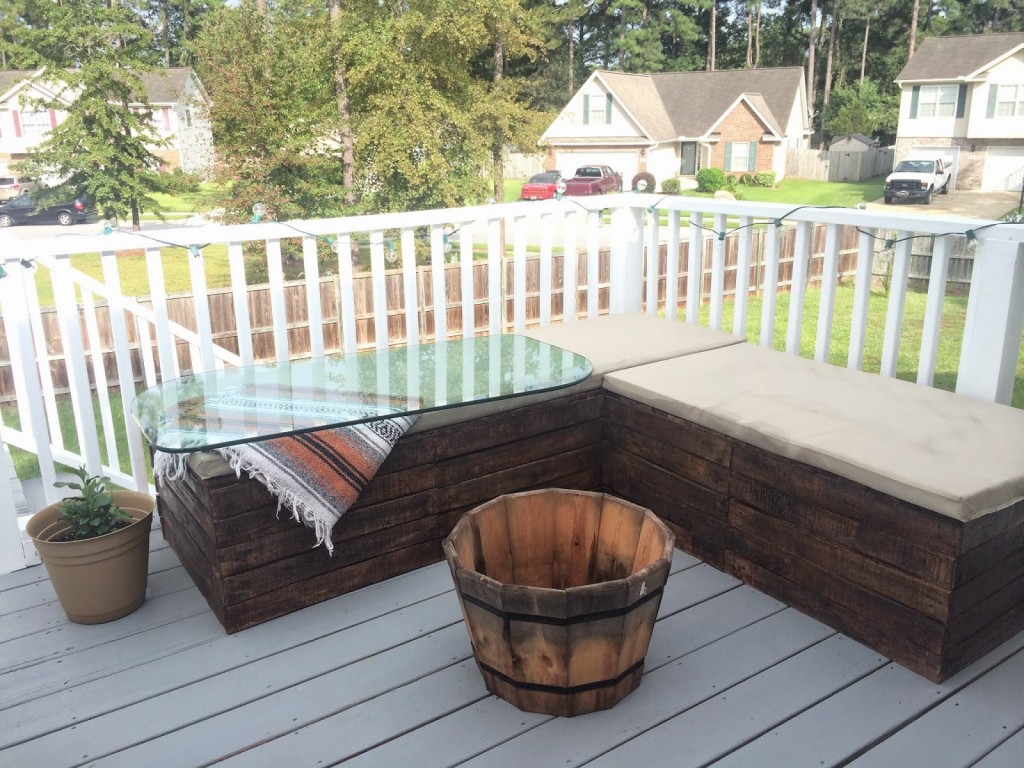
Credit: liketheyogurt.com
Essential Tools
Building your own outdoor furniture is fun and rewarding. Having the right tools makes the job easier and safer.
This guide covers the essential tools you need to get started with your DIY outdoor furniture project.
Basic Hand Tools
Basic hand tools are the foundation of any woodworking project. They help you measure, mark, and assemble pieces accurately.
These tools are easy to use and do not require electricity, making them perfect for small tasks.
- Measuring tape for accurate dimensions
- Pencil for marking cutting lines
- Hammer for driving nails
- Screwdrivers for fastening screws
- Hand saw for simple cuts
- Clamps to hold pieces in place
Power Tools
Power tools make cutting and shaping wood faster. They help you complete larger projects with less effort.
Using power tools requires practice and care to avoid mistakes and injuries.
- Electric drill for making holes and driving screws
- Jigsaw for curved or detailed cuts
- Circular saw for straight, long cuts
- Orbital sander to smooth surfaces
- Power screwdriver for quick fastening
Safety Gear
Safety gear protects your body while working with tools. Always wear the right gear to avoid injuries.
Good safety habits keep your DIY project safe and enjoyable.
- Safety glasses to protect your eyes
- Work gloves to protect your hands
- Ear protection to reduce noise from power tools
- Dust mask to avoid breathing sawdust
- Closed-toe shoes to protect your feet
Easy Diy Projects
Making your own outdoor furniture can be fun and save money. You can create pieces that fit your space perfectly.
Simple projects use easy tools and materials. These ideas work well for beginners and take little time.
Simple Benches
Simple benches add extra seating to your garden or porch. They need only wood planks and screws.
You can paint or stain the bench to match your outdoor style. Sand the wood to avoid splinters.
- Choose sturdy wood like cedar or pine
- Cut planks to your desired bench length
- Attach legs securely with screws
- Sand all surfaces smooth
- Finish with weatherproof paint or stain
Pallet Sofas
Pallet sofas use old wooden pallets stacked to make a couch. Add cushions for comfort.
These sofas are strong and cheap to build. You can paint them or leave the wood natural.
- Find clean pallets in good condition
- Stack two or three pallets for height
- Secure pallets with screws or brackets
- Add weather-resistant cushions on top
- Seal the wood to protect from rain
Planter Tables
Planter tables combine a table and a plant box. They add greenery and function to your patio.
These tables need a planter box in the center and a flat surface around it. Use waterproof wood.
- Build a square or round frame for the table
- Cut and install a planter box in the middle
- Attach a tabletop around the planter
- Seal all wood surfaces with waterproof paint
- Fill the planter with soil and plants

Credit: www.hgtv.com
Creative Design Ideas
Making your own outdoor furniture can be fun and rewarding. You can create pieces that fit your style and space perfectly.
Using simple materials and smart ideas helps you build unique furniture. Let’s explore some creative design ideas for your project.
Colorful Paint Techniques
Adding color to your furniture makes it stand out. Bright or soft colors can change the mood of your outdoor space.
Try using different paint styles to create texture and interest. You can use brushes, sponges, or even spray paint.
- Use stencils to add patterns like flowers or shapes
- Try ombre effects by blending two or more colors
- Distress the paint for a vintage look with sandpaper
- Mix matte and gloss finishes for contrast
Incorporating Cushions
Cushions add comfort and style to outdoor furniture. They make hard benches and chairs soft and inviting.
Pick cushions that match your color scheme and are easy to clean. You can change cushions to refresh the look anytime.
- Choose weather-resistant fabrics for durability
- Mix patterns and solids for a fun look
- Add ties to keep cushions in place
- Use cushions to soften sharp edges of furniture
Mixing Materials
Using different materials can make your furniture more interesting. Wood, metal, and fabric can work well together.
Combining materials adds texture and strength. You can make durable pieces that still look warm and inviting.
- Use metal legs with wooden tops for a modern look
- Add rope or wicker to chairs for a natural feel
- Mix glass tabletops with wooden bases for elegance
- Use recycled materials for a unique, eco-friendly style
Weatherproofing Tips
Outdoor furniture faces rain, sun, wind, and cold. Protecting your DIY pieces helps them last longer.
Simple weatherproofing steps keep wood and fabric safe from damage.
Sealing And Staining
Sealing wood stops water from soaking in. Staining adds color and extra protection.
Choose a stain made for outdoor use. Apply it evenly with a brush or cloth.
- Clean wood before sealing
- Use a waterproof sealant
- Apply multiple coats for better coverage
- Let each coat dry fully
Choosing Outdoor Fabrics
Pick fabrics that resist water and sun damage. Outdoor fabrics dry quickly and do not fade fast.
Look for fabrics labeled as water-resistant or UV-resistant for best results.
- Acrylic fabrics stay bright in sun
- Polyester fabrics dry quickly
- Olefin fabrics resist stains and water
- Check fabric care instructions
Maintenance Practices
Clean your outdoor furniture often to remove dirt and mold. Use mild soap and water.
Cover furniture during heavy rain or snow to prevent damage. Store cushions inside when not in use.
- Check wood for cracks or chips yearly
- Reapply sealant every 1-2 years
- Brush off leaves and debris regularly
- Keep fabric dry and clean

Credit: www.youtube.com
Space Optimization
Making your outdoor space feel larger is easy with smart furniture choices. You can save room and keep your area neat.
DIY outdoor furniture helps you create pieces that fit your space perfectly. This makes your yard or patio more useful.
Compact Furniture Designs
Small furniture fits better in tight outdoor spots. It lets you have seating without crowding your space.
Design chairs and tables that fold or stack. This way, you can store them easily when not in use.
- Use slim frames to reduce bulk
- Build foldable chairs and tables
- Create stackable stools or benches
Multi-functional Pieces
Furniture that serves more than one purpose saves space. You get more use from fewer items.
Examples include benches with storage or tables that turn into seating. These pieces keep your space clear.
- Benches with hidden storage inside
- Tables that change height or fold out
- Ottomans that act as seats and boxes
Storage Solutions
Good storage keeps your outdoor area tidy. It hides tools, cushions, and other items when not needed.
Build storage into your furniture or use wall-mounted options. This frees floor space and protects items from weather.
- Storage benches with lift-up seats
- Wall shelves for small pots or tools
- Deck boxes that double as tables
Budget-friendly Strategies
Making your own outdoor furniture can save money and add charm to your space. You do not need to spend much to create nice pieces.
Using smart ideas helps you stay on budget. You can use materials you already have or find cheap items to reuse.
Using Salvaged Materials
Salvaged materials come from old buildings or discarded items. These materials cost less than new wood or metal.
Look for wood, pallets, or metal pieces at thrift stores, construction sites, or online marketplaces. Clean and sand the wood before use.
- Old pallets can become benches or tables
- Scrap wood works well for shelves or chairs
- Metal pipes can be frames for furniture
Diy Vs. Store-bought Costs
Buying ready-made furniture is often expensive. Building your own saves money and lets you choose designs.
DIY projects need tools and time but cost less overall. You pay mostly for materials and supplies.
| Item | Store-Bought Cost | DIY Cost |
|---|---|---|
| Wooden Bench | $150 - $300 | $50 - $100 |
| Outdoor Table | $200 - $400 | $80 - $150 |
| Chair Set (2) | $120 - $250 | $40 - $90 |
Repurposing Household Items
You can turn old household items into outdoor furniture. This saves money and reduces waste.
Think about items you no longer use, like crates, barrels, or stools. With a little work, they become useful furniture.
- Wooden crates can be stacked for shelves or seats
- Old barrels make unique tables or planters
- Unused stools can serve as side tables
Frequently Asked Questions
How Can I Start Building Outdoor Furniture?
Begin by selecting a simple design that matches your skill level. Gather necessary tools like a saw, drill, and sander. Choose durable materials such as treated wood or metal. Follow step-by-step guides or tutorials for accurate assembly. Always prioritize safety by using protective gear and ensuring a stable workspace.
What Materials Are Best For Outdoor Furniture?
The best materials include teak, cedar, and eucalyptus, known for their durability and weather resistance. Metal options like aluminum and wrought iron are also popular. Consider synthetic materials like high-density polyethylene for lightweight and low-maintenance furniture. Always ensure the materials can withstand various weather conditions for longevity.
How Do I Maintain Outdoor Furniture?
Regularly clean the furniture with mild soap and water to remove dirt. Apply protective coatings or sealants to wooden pieces to prevent weather damage. Metal furniture should be checked for rust and repainted if necessary. Store or cover furniture during harsh weather to prolong its life and maintain appearance.
Can I Customize Diy Outdoor Furniture?
Yes, customization allows for personal style and functionality. You can paint or stain the furniture in your preferred color. Add cushions or upholstery for comfort and aesthetics. Consider incorporating unique features like foldable elements or built-in storage. Experiment with different design ideas to create one-of-a-kind pieces.
Conclusion
Building your own outdoor furniture brings joy and pride. You control the style, size, and materials used. It saves money and lets you customize every detail. Simple tools and basic skills are enough to start. Enjoy fresh air while creating something useful and beautiful.
Your outdoor space becomes unique and personal. Try small projects first, then grow your skills. This hands-on work creates lasting memories and satisfaction. Give it a go, and watch your garden come alive!