If your dog is turning your outdoor furniture into their personal chew toys, you know how frustrating it can be. You want to enjoy your backyard without worrying about ruined chairs or tables.
But what if you could stop this behavior before it causes more damage? You’ll discover simple and effective ways to keep your dog from chewing on your outdoor furniture. By the end, you’ll have easy tips to protect your space and keep your furry friend happy.
Keep reading—you don’t want to miss these must-know solutions!
Reasons Dogs Chew Outdoor Furniture
Dogs often chew on outdoor furniture for many reasons. Understanding why they chew helps stop this behavior.
Chewing is natural for dogs, but it can damage your furniture. Learn the common causes of chewing.
Teething And Growth
Puppies chew because their teeth are growing. Chewing soothes their sore gums.
Even adult dogs may chew as their teeth change. This helps keep their teeth clean and strong.
Boredom And Anxiety
Dogs chew when they feel bored or anxious. Chewing is a way to release energy and stress.
Without enough exercise or attention, dogs may chew outdoor furniture to pass time.
Attraction To Furniture Materials
Some furniture materials smell or taste good to dogs. This makes them chew more.
Wood, wicker, and plastic often attract dogs. They enjoy the texture and flavor of these materials.
- Wood can feel good to chew and remove plaque
- Wicker has a rough texture dogs like
- Plastic may have scents from outdoor use

Credit: www.amazon.com
Choosing Durable Outdoor Furniture
Outdoor furniture must be strong to last long. Dogs can chew and damage weak furniture.
Picking the right materials and design helps stop dogs from chewing your furniture.
Materials That Resist Chewing
Some materials are harder for dogs to chew. These materials keep furniture safe and last longer.
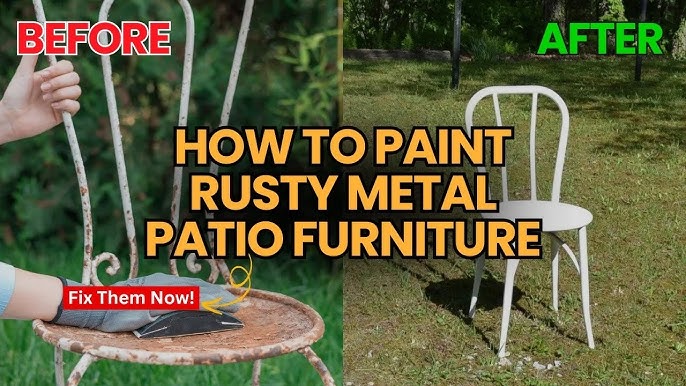
- Metal: Strong and hard to damage
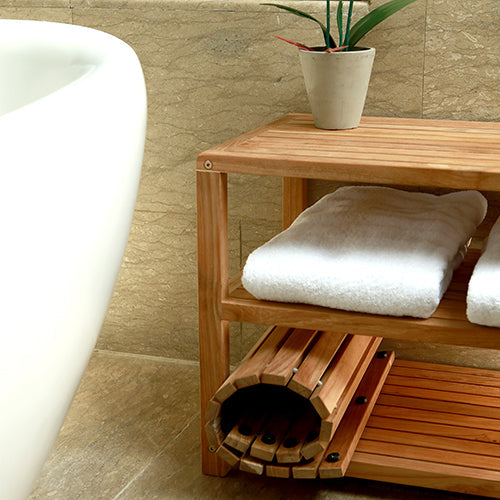
- Teak Wood: Dense and naturally durable
- Plastic Resin: Tough and chew-resistant
- Wrought Iron: Heavy and sturdy
Furniture Design Considerations
Design can help protect furniture from dog chewing. Choose styles that do not invite chewing.
Look for furniture with smooth surfaces and no small parts to bite or break.
- Avoid soft cushions or pillows that dogs can chew
- Choose furniture with rounded edges to prevent damage
- Use furniture that is heavy and hard to move
- Pick pieces with less exposed wood or fabric
Training To Stop Chewing
Dogs often chew outdoor furniture because they are bored or teething. Training can help stop this behavior. Teaching your dog what is okay to chew is important.
Training takes time and patience. Use clear steps to guide your dog away from chewing furniture.
Positive Reinforcement Techniques
Reward your dog when it avoids chewing furniture. Positive reinforcement makes your dog want to repeat good behavior.
Give treats, praise, or pet your dog when it chews the right items. This helps your dog learn what is allowed.
- Offer a treat after your dog stops chewing furniture
- Use a happy voice to praise good behavior
- Repeat rewards consistently to build habits
Using Commands And Boundaries
Teach your dog simple commands like "leave it" or "no". These help control unwanted chewing quickly.
Set clear boundaries by blocking access to furniture or using barriers. This teaches your dog where it can and cannot go.
- Use "leave it" to stop chewing immediately
- Use gates or fences to limit access to furniture
- Be consistent with commands and boundaries every day
Redirecting To Appropriate Toys
Give your dog toys to chew instead of furniture. Redirect chewing to these toys when you see your dog starting to chew furniture.
Keep a variety of toys outside to keep your dog interested and busy. Praise your dog when it chews toys.
- Choose durable chew toys for outdoor use
- Show your dog the toys when it starts chewing furniture
- Reward chewing on toys with treats or praise
Environmental Adjustments
Dogs often chew on outdoor furniture because they feel bored or stressed. Changing the outdoor environment helps stop this behavior. Making simple adjustments creates a better space for your dog.
These changes focus on giving dogs a safe area, reducing access to furniture, and keeping them active. These steps help protect your furniture and keep your dog happy.
Creating A Dog-friendly Outdoor Space
Make an outdoor area just for your dog. Use soft grass or mats where your dog can relax. Add shaded spots to keep your dog cool. This gives your dog a place to enjoy outside without needing to chew furniture.
Include toys and safe chew items in this space. Rotate toys to keep your dog interested. A dog-friendly zone keeps your pet busy and away from your furniture.
Limiting Access To Furniture
Block your dog from reaching outdoor furniture. Use fences, gates, or barriers to keep your dog away. Close doors or use covers on furniture when not in use. This reduces chances for chewing.
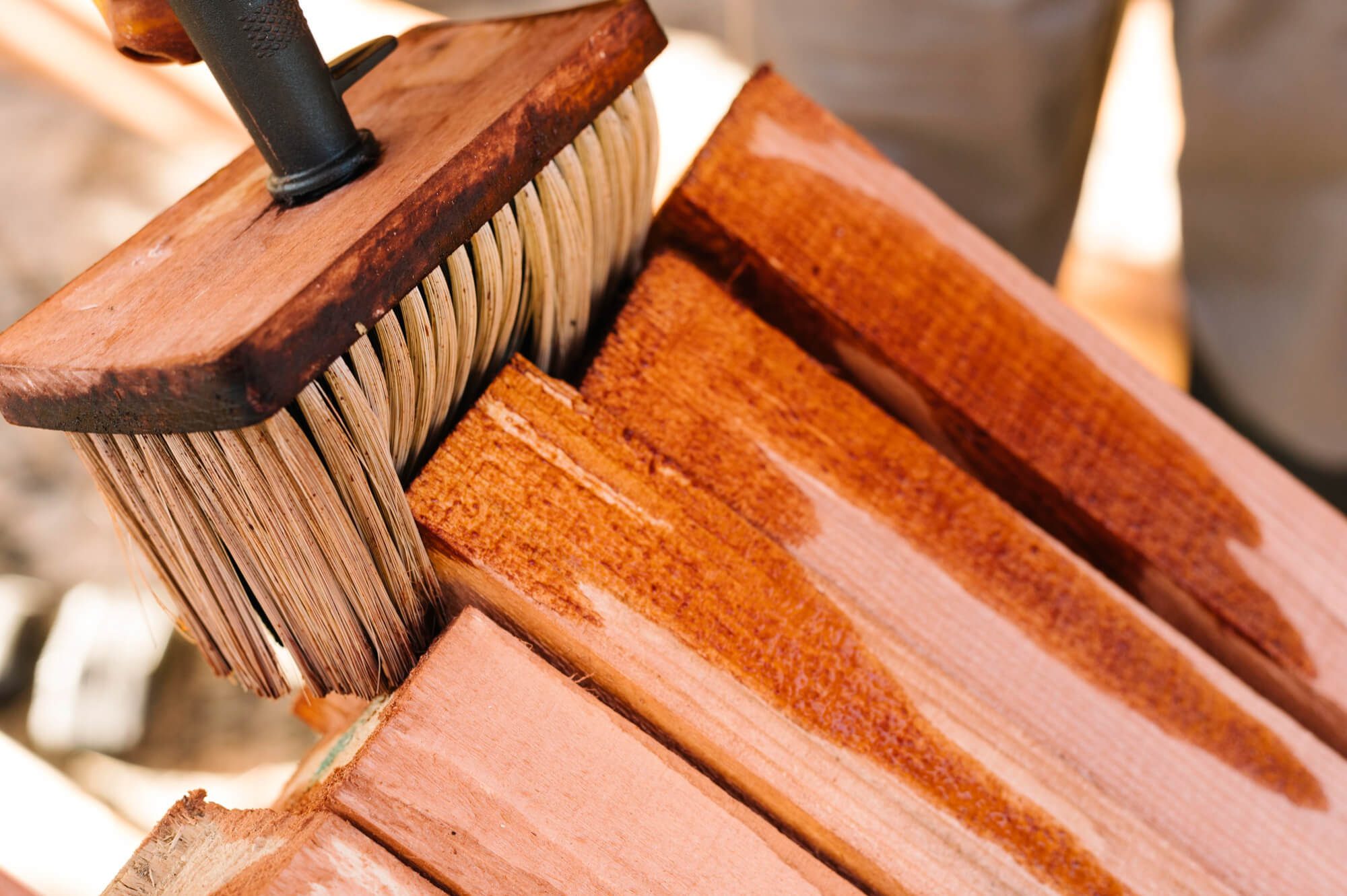
Try spraying furniture with dog-safe deterrent sprays. These sprays taste bad to dogs and discourage chewing. Always test sprays on a small area first to avoid damage.
Providing Ample Exercise And Stimulation
Dogs chew out of boredom or excess energy. Give your dog plenty of exercise every day. Walks, runs, and playtime help use up energy. A tired dog chews less and behaves better.
Mental stimulation is also important. Use puzzle toys and training games. These keep your dog’s mind busy and reduce unwanted chewing.
Using Deterrents Safely
Dogs often chew outdoor furniture out of boredom or curiosity. Using deterrents helps protect your furniture. It also keeps your dog safe.
Choose deterrents that do not harm your dog or the environment. Always follow instructions and watch your dog's reaction.
Applying Bitter Sprays
Bitter sprays taste unpleasant to dogs. You can spray them on wood, plastic, or metal furniture. This stops dogs from chewing.
Make sure to apply the spray evenly on all surfaces your dog reaches. Reapply after rain or cleaning to keep the effect strong.
Natural Repellents
Natural repellents are safe and gentle for your dog and garden. Common options include vinegar, citrus peels, and essential oils.
Use a mix of water and natural ingredients to spray on your furniture. Avoid spraying directly on plants or places your dog drinks water.
- Vinegar mixed with water
- Lemon or orange peels
- Lavender or eucalyptus oils diluted in water
Avoiding Harmful Chemicals
Some chemical sprays can hurt your dog’s skin or lungs. Avoid products with strong poisons or harsh chemicals.
Read labels carefully. Choose only pet-safe products. If unsure, ask your vet before use.
- Do not use pesticides or insecticides on furniture
- Avoid sprays with ammonia or bleach
- Keep chemicals out of your dog’s reach

Credit: blog.kbpatiofurniture.com
When To Seek Professional Help
Sometimes dogs chew outdoor furniture because of deeper problems. It is important to know when to get help from experts. This can keep your dog safe and your furniture safe too.
If your dog’s chewing is very bad or does not stop, a professional can find the cause. They can guide you on the best actions to take.
Identifying Behavioral Issues
Dogs chew for many reasons like boredom, stress, or anxiety. If your dog chews a lot or shows other signs of stress, it may be a behavioral issue.
Look for signs such as:
- Chewing that gets worse over time
- Destructive behavior in many places
- Changes in eating or sleeping habits
- Signs of anxiety like whining or pacing
If you see these signs, a professional can help find the reason for your dog’s behavior.
Consulting Trainers Or Veterinarians
Dog trainers and veterinarians can offer useful help. Trainers teach your dog better habits. Veterinarians check for medical problems that cause chewing.
They can:
- Give advice on training techniques
- Suggest tools to reduce chewing
- Check for health issues like dental pain
- Recommend medications for anxiety if needed
Getting expert advice can make your dog calmer and stop the chewing.

Credit: www.amazon.ca
Frequently Asked Questions
Why Do Dogs Chew Outdoor Furniture?
Dogs chew outdoor furniture due to boredom, anxiety, or teething. Providing chew toys can help redirect their chewing behavior. Regular exercise and mental stimulation can also reduce their need to chew.
How Can I Protect Furniture From Dog Chewing?
Use pet-safe sprays to deter dogs from chewing furniture. These sprays have a bitter taste that dogs dislike. Additionally, training and positive reinforcement can encourage better behavior.
Are Certain Dog Breeds More Likely To Chew?
Yes, some breeds like Labradors and Beagles are more prone to chewing. They have high energy levels and need mental stimulation. Providing appropriate outlets for their energy can reduce chewing.
What Toys Can Prevent Furniture Chewing?
Durable chew toys and puzzle toys can keep dogs engaged and away from furniture. These toys provide mental stimulation and satisfy their natural urge to chew.
Conclusion
Protecting outdoor furniture from dogs takes patience and care. Keep your dog busy with toys and exercise. Use safe sprays or barriers to discourage chewing. Praise good behavior to help them learn. Regularly check your furniture for damage. Small steps make a big difference over time.
A happy dog and intact furniture can coexist. Stay consistent and enjoy your outdoor space together.