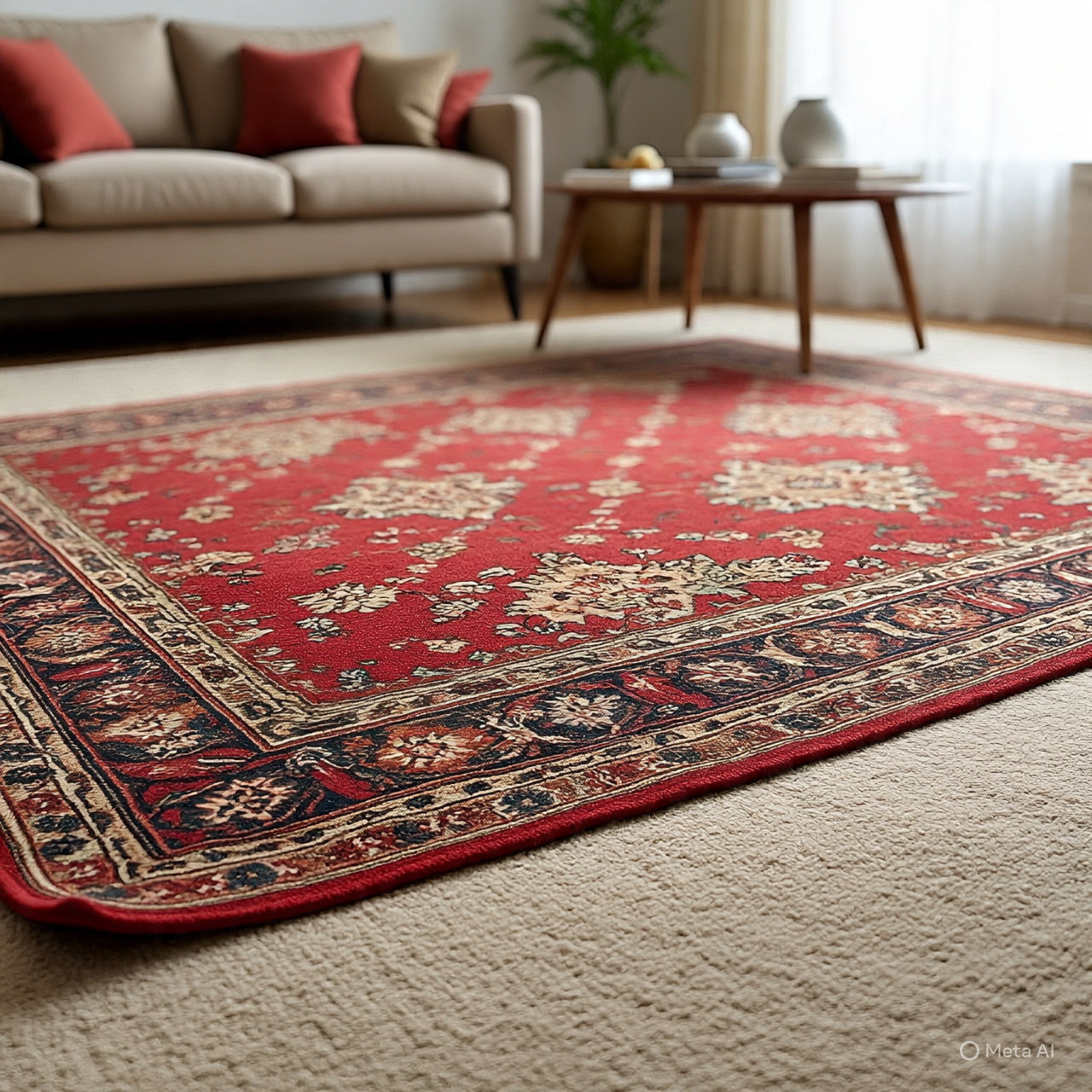
Are you tired of your area rug sliding and shifting every time you walk across your carpet? It can be frustrating when your beautiful rug won’t stay put, creating a mess and even causing trips or falls.
You want your space to look neat and feel safe, but keeping your rug in place can seem like a constant battle. The good news is, there are simple and effective ways to stop your area rug from moving on carpet.
Keep reading to discover easy tips and tricks that will keep your rug firmly in place, so you can enjoy a comfortable and stylish room without the hassle.
Causes Of Rug Slippage
Area rugs often slip and slide on top of carpeted floors. This movement can be annoying and unsafe. Understanding why rugs move helps stop the problem.
Many factors cause rugs to slip on carpets. These include the carpet’s texture, the rug’s material, and how much foot traffic the area gets.
Carpet Texture And Rug Interaction
The type of carpet under your rug affects how much it moves. Smooth or low-pile carpets give less grip to rugs. High-pile carpets can make rugs bunch up or slide.
When the rug and carpet fibers do not grip each other well, the rug can shift easily. Soft carpets may let the rug sink in, causing uneven surfaces that lead to movement.
Rug Material And Backing
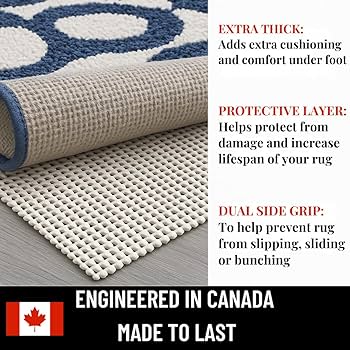
The bottom side of the rug plays a big role in stopping slipping. Rugs with smooth or hard backing slide more on carpet. Rugs with rubber or textured backing hold better.
Natural fiber rugs like wool tend to grip carpet better than synthetic ones. The type of rug material can affect how much it stays in place on carpet floors.
- Rubber backing prevents sliding
- Wool rugs grip carpet well
- Plastic or smooth backs slip easily
- Thin rugs move more than thick ones
Foot Traffic And Movement
High foot traffic can cause rugs to shift on carpet. Walking, running, or moving furniture pushes the rug out of place. The more people walk on the rug, the more it moves.
Even small movements add up over time. Areas with heavy use need extra measures to keep rugs steady. Less traffic means rugs stay put longer.
- Busy areas cause more rug slippage
- Heavy furniture can push rugs out
- Low traffic areas keep rugs stable
Non-slip Rug Pads
Area rugs can slide on carpet, causing trips or damage. Non-slip rug pads keep rugs steady and safe.
These pads create grip between the rug and carpet. They stop rugs from moving and help protect both surfaces.
Types Of Rug Pads
Rug pads come in different materials and styles. Each type works best for certain carpets and rugs.
- Felt Pads:Soft and thick, add cushioning but less grip.
- Rubber Pads:Provide strong grip on carpet and hard floors.
- Memory Foam Pads:Offer comfort and prevent slipping.
- Combination Pads:Mix felt and rubber for grip and cushion.
Choosing The Right Size And Thickness
Pick a rug pad slightly smaller than your rug. This avoids edges showing or curling.
Thickness affects comfort and grip. Thicker pads add softness but may raise the rug too high.
- Measure your rug before buying a pad.
- Choose 1/4 inch thick pads for balance of comfort and stability.
- Use thinner pads on low-profile rugs.
Placement Tips
Place the rug pad flat on the carpet. Make sure it covers the rug area completely.
Keep the rug pad edges aligned with the rug edges. This prevents slipping and curling.
- Clean the carpet and rug bottom before placing the pad.
- Check the pad regularly for wear or movement.
- Replace the pad if it loses grip or becomes damaged.
Double-sided Tape Solutions
Area rugs can slip and slide on carpeted floors. This movement can be annoying and cause safety issues. Double-sided tape helps keep rugs in place without damaging floors.
Using the right tape and applying it correctly makes a big difference. It also helps if you know how to maintain and remove the tape safely.
Best Tape Options
Choose tape designed for rugs and carpets. These tapes stick well but remove cleanly. Avoid tapes that leave sticky residue or damage fibers.
- Carpet tape with strong adhesive on both sides
- Double-sided foam tape for extra grip and cushioning
- Removable carpet tape for easy cleaning
- Clear or white tape to stay hidden under the rug
Application Techniques
Clean the carpet and rug backing before applying tape. This helps the tape stick better. Cut tape strips to fit the rug edges and center.
- Place tape along all four sides of the rug
- Add strips in the middle for larger rugs
- Press the rug firmly after taping
- Check tape grip after a few days and replace if needed
Maintenance And Removal
Keep the taped area clean to avoid dust buildup. Vacuum gently over the rug to protect the tape. If the tape loses stickiness, replace it promptly.
Remove tape slowly by pulling it back on itself at a low angle. Use warm water or mild cleaner to remove any leftover residue. Avoid harsh chemicals that can damage carpet fibers.

Credit: www.amazon.ca
Velcro And Hook Solutions
Area rugs can slip or slide on carpet, causing trips or wrinkles. Using Velcro or hooks helps keep rugs in place.
These simple tools create grip between the rug and carpet. They are easy to install and remove when needed.
Using Velcro Strips
Velcro strips stick to the bottom of the rug and the carpet. The hook side attaches to the carpet, while the soft loop side sticks to the rug.
This creates a firm hold without damaging the carpet or rug. Cut the strips to fit your rug size for best results.
- Clean surfaces before applying Velcro
- Press strips firmly for strong hold
- Use strips on all rug corners
- Remove gently to avoid residue
Attaching Hooks To Carpet And Rug
Hooks can be sewn or attached to the rug’s underside. They catch the carpet fibers and stop the rug from moving.
Some hooks come with adhesive backing. You can stick them on the rug and press into the carpet for grip.
- Sew hooks carefully on rug corners
- Use adhesive hooks for easy setup
- Check hooks regularly for wear
- Remove hooks gently to avoid damage
Pros And Cons
| Solution | Pros | Cons |
|---|---|---|
| Velcro Strips |
|
|
| Hooks |
|
|
Natural And Diy Fixes
Area rugs can slide around on carpets, causing discomfort and potential falls. You can fix this problem with simple, natural, and DIY solutions at home.
These methods use items you likely have already. They are easy to do and keep your rug stable without harsh chemicals.
Using Hot Glue Dots
Hot glue dots are small, sticky spots made with a glue gun. They help grip the rug to the carpet underneath.
Place a few dots on the underside corners of the rug. Press the rug firmly on the carpet. This stops slipping and is easy to remove later.
Applying Caulk Under Rug
Caulk with silicone works well as a natural rug grip. Use clear or white caulk for the best look.
Apply small beads of caulk in lines or dots on the rug’s back. Let it dry fully before placing the rug down. This creates a strong grip without damage.
Other Household Items
You can also use common household items to stop your rug from moving on carpet.
- Double-sided tape: Stick it on the rug’s back edges to hold it firmly.
- Rubber shelf liner: Cut to rug size and place under the rug for grip.
- Velcro strips: Attach one side to the carpet and the other to the rug.
- Carpet gripper pads: Use pads made for keeping rugs in place.

Credit: www.amazon.ca
Preventive Measures
Area rugs can slip and slide on carpeted floors. This can cause tripping and damage to the rug. Taking simple steps helps keep the rug in place.
Preventive measures make your area rug safer and last longer. These tips work well on carpeted surfaces.
Regular Cleaning
Clean both the rug and carpet often. Dirt and dust reduce grip and cause slipping. A clean surface helps the rug stay put.
Vacuum the carpet and rug at least once a week. Remove any debris under the rug to keep it steady.
Rotating Rugs
Turn your rug regularly to spread wear evenly. This helps avoid one side becoming slippery or worn out. Rotate the rug every few months.
Changing the rug's position can also help it grip better on different carpet spots.
Furniture Placement
Place heavy furniture on the edges of the rug. The weight keeps the rug from moving. Use furniture to anchor the rug in place.
Make sure the furniture covers the rug corners or sides to prevent slipping.
Credit: www.amazon.ca
Frequently Asked Questions
How To Stop Area Rug From Slipping On Carpet?
To prevent an area rug from slipping on carpet, use a non-slip rug pad. These pads provide extra grip and stability. Alternatively, double-sided carpet tape can also secure your rug. This will prevent it from moving and causing potential hazards.
Why Does My Rug Move On Carpet?
Rugs can move on carpet due to foot traffic and carpet pile direction. This movement is often caused by friction and pressure differences. Using a non-slip rug pad or tape helps maintain the rug's position. Proper placement and securing techniques can significantly reduce rug movement.
Can Rug Pads Damage My Carpet?
High-quality rug pads typically do not damage carpets. Choose pads made from materials like felt or natural rubber. These materials are safe and gentle on carpet fibers. Avoid pads with sticky adhesives, as they can leave residue or cause carpet discoloration.
Are There Diy Solutions To Keep Rug In Place?
Yes, DIY solutions include using velcro strips or silicone caulking. Apply them to the rug's underside for extra grip. Another option is sewing non-slip fabric to the rug's bottom. These methods are cost-effective and can keep your rug securely in place.
Conclusion
Keeping your area rug from sliding on carpet helps your room stay neat. Use rug pads or double-sided tape to hold it in place. Choose a method that fits your rug size and carpet type. Regularly check the rug’s position and adjust if needed.
Small steps make a big difference in safety and comfort. Enjoy your space without worrying about slipping rugs. Simple fixes work well and save you trouble later.