Accidents happen, and when urine gets on your memory foam mattress or pillow, it can feel like a disaster. You might worry about stains, odors, or even damage to your favorite memory foam item.
But don’t panic—there are simple steps you can take to clean it effectively and protect your investment. You’ll learn exactly how to get urine out of memory foam, so your mattress or pillow looks and smells fresh again. Keep reading, because these easy tips will save you time, money, and stress.

Credit: www.sweetnight.com
Causes Of Urine Stains On Memory Foam
Memory foam is a popular material for mattresses and cushions. It feels soft and comfortable. But memory foam can easily get stained by urine. This happens because the foam soaks up liquids quickly.
Understanding why urine stains happen helps you clean and protect your memory foam better. Let’s look at common reasons for urine accidents and why memory foam absorbs urine.
Common Sources Of Accidents
Urine stains on memory foam often come from pets or children. Pets may have accidents if they are not fully trained. Children might wet the bed or have accidents during the night.
- Pets like dogs and cats can urinate on furniture
- Young children may have bedwetting accidents
- Older adults with health issues might leak urine
- Accidents happen during illness or medication side effects
Knowing these sources helps you watch for accidents early. Quick action can stop stains from setting in deeply.
Why Memory Foam Absorbs Urine
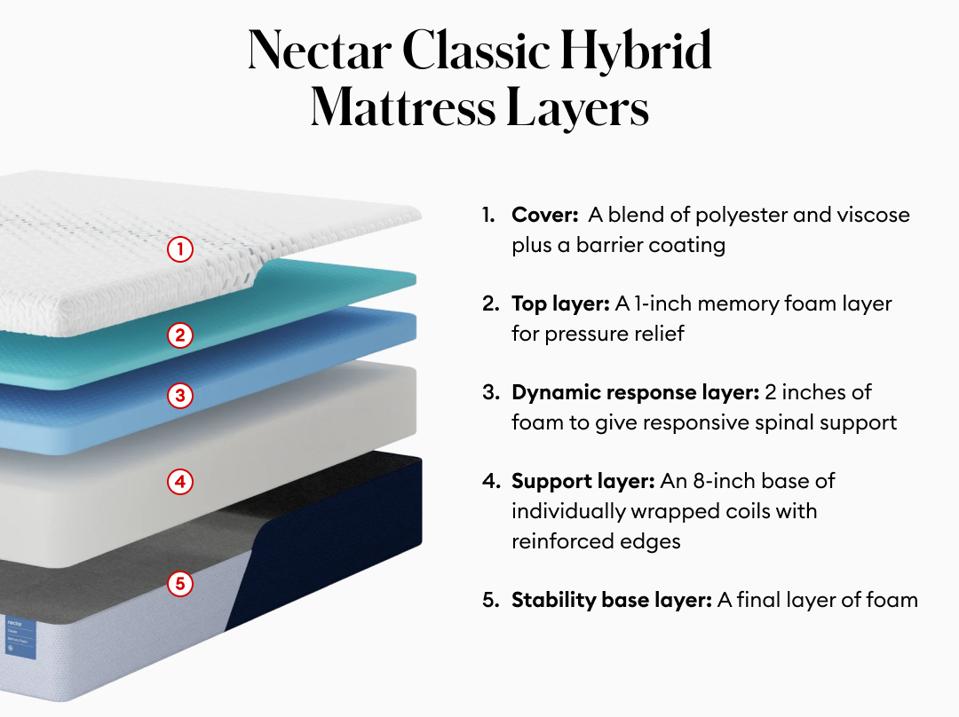
Memory foam has tiny open cells inside. These cells soak up liquids like a sponge. When urine touches memory foam, the liquid moves deep inside the foam.
This makes cleaning hard because the urine goes beyond the surface. The foam also traps smells from the urine, which can be strong and unpleasant.
- Open cells allow liquids to enter quickly
- Urine spreads inside the foam layers
- Trapped liquid causes bad odors
- Memory foam dries slowly after wetting
Immediate Actions After The Spill
Spilling urine on memory foam can be stressful. Acting fast helps prevent stains and odors.
Quick and careful cleanup keeps your memory foam fresh and lasting longer.
Blotting Excess Urine
Use a clean towel or paper towels to blot the urine. Press gently to soak up as much liquid as possible.
Avoid rubbing because it pushes urine deeper into the foam. Keep blotting with dry towels until wetness stops.
- Place towels on the spill immediately
- Press down gently to absorb liquid
- Replace towels when they get soaked
- Continue blotting until no more liquid comes up
Avoiding Damage During Cleanup
Memory foam is delicate and can be damaged by harsh cleaning. Use mild cleaners and avoid soaking the foam.
Do not use strong chemicals or scrub hard. Let the foam dry naturally in a well-ventilated area.
- Use a gentle detergent or cleaner
- Do not pour large amounts of water on the foam
- Avoid scrubbing or twisting the foam
- Dry in air, avoid direct heat or sunlight
Cleaning Solutions For Urine Removal
Removing urine from memory foam can be tricky. The soft material soaks liquids quickly. You need the right cleaning solution to avoid damage.
Good cleaning solutions break down urine and stop odors. You can use homemade remedies or commercial products. Each type has its benefits.
Homemade Cleaning Remedies
Homemade remedies use common household items. They are often gentle and safe for memory foam. Many people prefer these for quick cleaning.
One simple remedy is white vinegar mixed with water. Vinegar helps neutralize urine and kills bacteria. Baking soda also works to absorb moisture and odors.
- Mix equal parts white vinegar and water in a spray bottle.
- Spray the affected area lightly, do not soak.
- Let it sit for 10 minutes to break down urine.
- Sprinkle baking soda over the area to absorb moisture.
- Allow the baking soda to sit for several hours or overnight.
- Vacuum the baking soda completely from the foam.
Commercial Cleaning Products
Many commercial cleaners target urine stains and smells. These products often contain enzymes that break down urine proteins. They can be stronger than homemade options.
Choose enzyme-based cleaners made for upholstery or mattresses. Avoid bleach or harsh chemicals. Test the cleaner on a small patch first to check for damage.
- Use enzyme cleaners that remove stains and odors.
- Apply the product according to label instructions.
- Let the cleaner work for the recommended time.
- Blot excess moisture with a clean cloth.
- Allow memory foam to air dry fully before use.
Step-by-step Cleaning Process
Cleaning urine from memory foam needs care and patience. This guide shows simple steps to remove stains and smells.
Follow these steps to prepare, clean, and dry your memory foam safely.
Preparing The Memory Foam
Start by removing any covers or sheets from the memory foam. Blot the area with paper towels to soak up fresh urine.
Do not rub the stain. This can push urine deeper into the foam. Use gentle pressure to lift as much liquid as possible.
Applying Cleaning Solutions
Mix a cleaning solution using equal parts water and white vinegar. Vinegar helps neutralize odors and break down urine.
Spray or gently pour the solution on the stained area. Let it sit for 5 to 10 minutes to work on the stain and smell.
- After soaking, blot the area again with clean towels.
- Sprinkle baking soda over the damp spot to absorb moisture and odors.
- Leave baking soda on the foam for several hours or overnight.
Drying Techniques
Remove the baking soda by vacuuming the foam gently. Make sure to get all powder off the surface.
Dry the memory foam in a well-ventilated area. Avoid direct sunlight to prevent damage or discoloration.
- Use a fan or open windows to speed up drying.
- Flip the foam to dry both sides evenly.
- Allow at least 24 hours for complete drying before use.
Deodorizing Memory Foam
Memory foam can absorb odors, especially from urine. Deodorizing helps remove bad smells and keeps your foam fresh.
Using the right techniques can clean and refresh your memory foam without damage.
Natural Deodorizers
Natural deodorizers remove odors without harsh chemicals. They are safe for memory foam and your health.
Baking soda is one of the best natural options. It absorbs moisture and neutralizes smells.
- Sprinkle baking soda over the foam
- Let it sit for several hours or overnight
- Vacuum the foam to remove the baking soda
- Repeat if odors persist
White vinegar also helps break down urine odors. Dilute it with water and lightly spray the foam.
Let the foam air dry completely before using it again.
Preventing Lingering Odors
Prevent odors by cleaning spills quickly. The longer urine stays, the worse the smell gets.
Keep your memory foam dry and well-ventilated. Air flow helps stop odor buildup.
- Use a waterproof cover to protect the foam
- Blot spills immediately with a clean cloth
- Allow the foam to dry fully after cleaning
- Freshen foam regularly with baking soda

Credit: www.sweetnight.com
Preventive Measures For Future Spills
Memory foam mattresses and cushions can be hard to clean after spills. Taking steps to protect them helps keep them fresh. This guide shows ways to stop urine from soaking into memory foam.
Preventing spills is easier than cleaning them. Use covers and maintain your foam regularly for best results.
Using Protective Covers
Protective covers shield memory foam from liquids and stains. They stop urine from reaching the foam. Covers also make cleaning easier.
Choose waterproof or water-resistant covers made from breathable materials. These covers keep foam dry and fresh.
- Use a waterproof mattress protector under sheets
- Pick covers with good ventilation
- Wash covers often to remove odors and bacteria
- Check covers for tears or holes regularly
Regular Maintenance Tips
Keep memory foam in good shape with regular care. Clean it gently and air it out often. This reduces odors and stops damage from spills.
Spot clean stains quickly and avoid harsh cleaners. Use mild soap and water. Let foam dry completely before use.
- Vacuum foam weekly to remove dust and dirt
- Air out foam in sunlight for a few hours monthly
- Use baking soda to absorb odors before vacuuming
- Address spills immediately to prevent stains
When To Seek Professional Help
Removing urine from memory foam can be tricky. Sometimes home cleaning is not enough.
Knowing when to call a professional helps protect your mattress and health.
Signs That Require Experts
Some urine stains and smells are very hard to remove. Professionals have tools to handle tough cases.
Look for these signs to know if you need expert help:
- Strong, lasting urine odor after cleaning
- Large or deep stains soaking into memory foam
- Visible mold or mildew growing on the foam
- Multiple urine spots making home cleaning hard
- Foam damage like discoloration or breakdown
Choosing The Right Cleaning Service
Not all cleaning services handle memory foam well. Pick a service with foam experience.
Check for these features when choosing a cleaner:
- Use of gentle, foam-safe cleaning products
- Experience with urine and odor removal
- Positive customer reviews and ratings
- Offers mattress inspection before cleaning
- Provides drying and deodorizing after cleaning

Credit: www.reddit.com
Frequently Asked Questions
How Do I Remove Urine From Memory Foam?
To remove urine, start by blotting the area with a clean cloth. Apply a mixture of white vinegar and water. Let it sit for 10 minutes, then blot again. Sprinkle baking soda over the area to absorb odors. Vacuum thoroughly once dry for best results.
Can Vinegar Damage Memory Foam?
Vinegar is generally safe for memory foam when used correctly. Use a diluted mixture of vinegar and water. Avoid soaking the foam to prevent damage. Blot excess moisture with a clean cloth. Always perform a spot test on a small, hidden area first.
Is Baking Soda Effective For Urine Stains?
Yes, baking soda is effective for removing urine stains and odors. Sprinkle it generously over the affected area. Let it sit for several hours to absorb moisture and smells. Vacuum thoroughly once the baking soda has dried completely for the best outcome.
How Long Should I Leave Baking Soda On?
Leave baking soda on for at least 8 hours to ensure it absorbs moisture and odors. For best results, let it sit overnight. Vacuum the area thoroughly to remove all traces of baking soda. This will help ensure your memory foam is fresh and clean.
Conclusion
Cleaning urine from memory foam needs quick action and care. Use gentle cleaners and blot, never rub, to protect the foam. Dry the area well to stop smells and mold. Small stains clean best with mild soap and water. For deep odors, baking soda helps absorb moisture and smell.
Regular cleaning keeps your memory foam fresh and comfortable. Easy steps can save your mattress or cushion from lasting damage. Take care, and your memory foam will stay clean and soft longer. Simple, careful cleaning makes all the difference.