Are you wondering if your memory foam mattress really needs a box spring? It’s a question many people ask when setting up their perfect sleep space.
The right foundation can make a huge difference in how comfortable and long-lasting your mattress feels. But is a box spring necessary, or could it even harm your memory foam? Keep reading to discover what works best for your mattress and how to get the most restful night’s sleep possible.
Your comfort depends on it!
Memory Foam Mattress Basics
Memory foam mattresses are popular for their comfort and support. They adjust to your body shape to help you sleep better.
This type of mattress needs a good foundation for long-lasting use. Understanding memory foam helps you choose the right bed setup.
What Is Memory Foam?
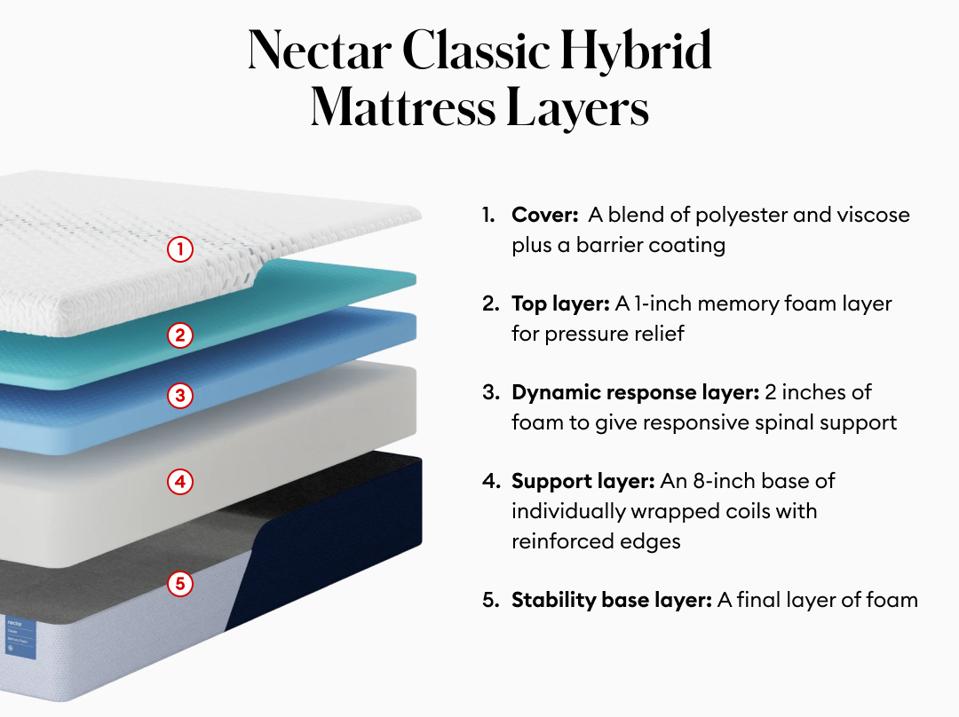
Memory foam is a soft, flexible material made from polyurethane. It reacts to heat and pressure by molding to your body.
This foam helps reduce pressure points and supports your spine. It was first used in the 1960s for NASA seats.
Benefits Of Memory Foam Mattresses
Memory foam mattresses offer many benefits for a good night’s sleep. They improve comfort and reduce body pain.
- Supports body shape evenly
- Reduces pressure on joints
- Limits motion transfer between sleepers
- Helps with spinal alignment
- Durable and long-lasting
Role Of Box Springs
Box springs support mattresses by absorbing shock and weight. They help keep mattresses comfortable and long-lasting.
Memory foam mattresses are different from traditional mattresses. Knowing if you need a box spring for them is important.
Purpose Of A Box Spring
A box spring lifts the mattress off the floor. This helps with air circulation and keeps the mattress dry.
It also adds support and absorbs some weight. This can prevent mattress damage and improve comfort.
- Raises mattress height for easier getting in and out
- Improves mattress ventilation to reduce moisture
- Absorbs shock to protect mattress springs or foam
- Provides a stable, even surface for the mattress
Types Of Box Springs
Box springs come in several designs. Each type offers different support and looks.
Choosing the right type depends on your bed frame and mattress needs.
- Standard Box Spring:A wooden frame with springs inside. It provides good shock absorption.
- Low-Profile Box Spring:Thinner than standard. Good for low bed frames or a modern look.
- Foundation:A solid, flat base without springs. Best for memory foam mattresses needing firm support.
- Adjustable Box Spring:Can change positions. Ideal for people who want to raise head or feet.
Compatibility Factors
Choosing the right base for a memory foam mattress matters. The base affects comfort and mattress life.
Not all bases work well with memory foam. Understanding compatibility helps you pick the best option.
Memory Foam And Box Spring Interaction
Memory foam mattresses need a flat and sturdy surface. Traditional box springs have springs that may not support memory foam well.
Some box springs are designed with a solid platform on top. These work better with memory foam mattresses.
- Old box springs can cause sagging in memory foam
- Newer box springs with solid tops provide good support
- Flat surfaces help memory foam keep its shape
Weight And Support Considerations
Memory foam mattresses are heavy. The base must hold weight evenly to avoid damage.
Check if the box spring or foundation can support your mattress weight plus your body weight.
- Heavy mattresses need strong and firm support
- Weak box springs can break or bend under weight
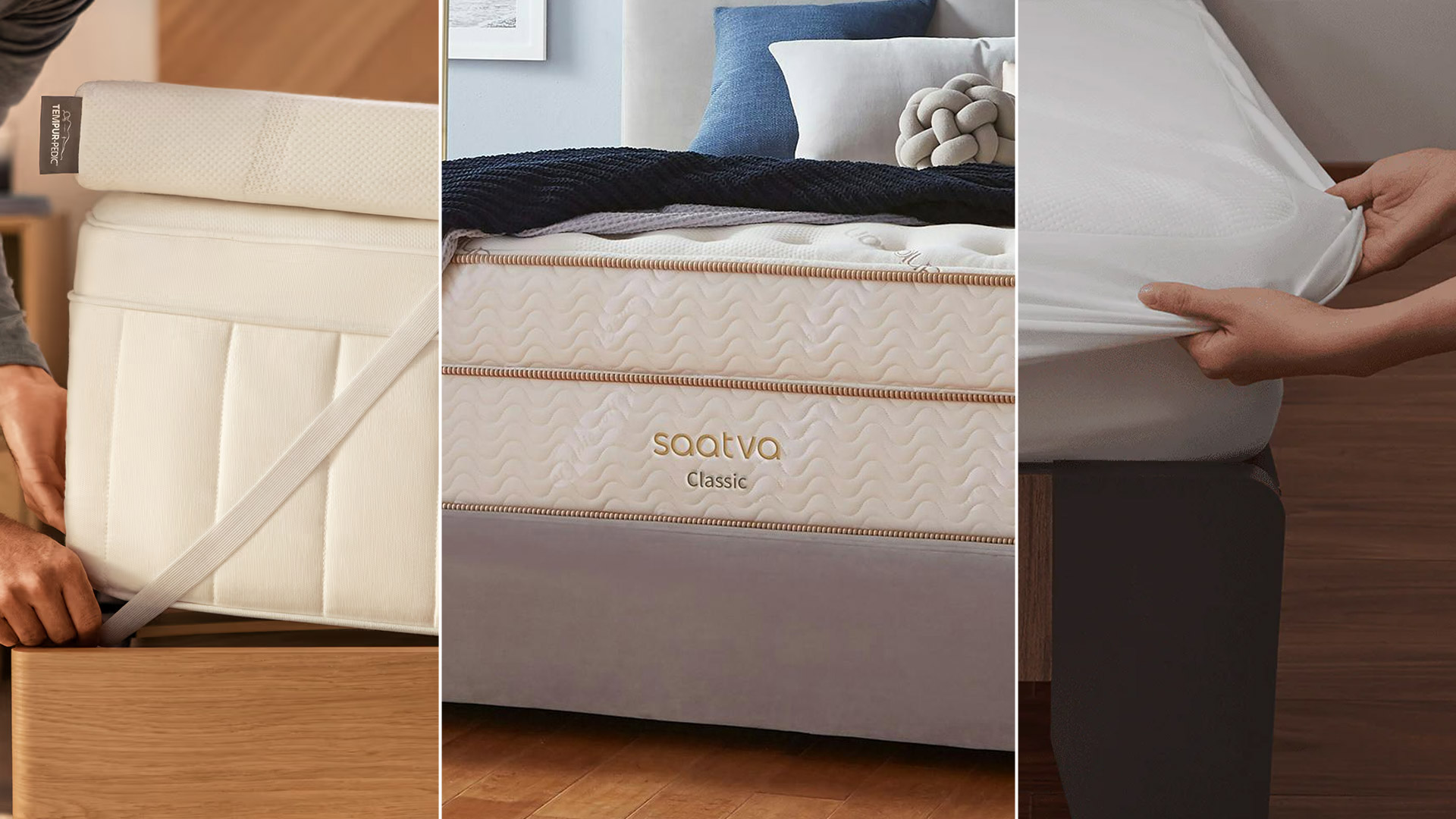
- Platform beds or solid foundations usually support weight better
Credit: www.tomsguide.com
Alternatives To Box Springs
You do not always need a box spring for a memory foam mattress. Many other bed bases work well. These options give good support and can last a long time.
Choosing the right base helps your mattress stay comfortable. It also keeps the mattress from sagging or getting damaged.
Platform Beds
Platform beds have a solid surface that holds the mattress. They do not need a box spring. The flat base gives even support to the mattress.
These beds often come with a simple, modern look. They also provide good airflow under the mattress to keep it fresh.
Slatted Bed Frames
Slatted bed frames have wooden or metal slats spaced evenly apart. They support the mattress without needing a box spring. The slats help air circulate under the mattress.
Make sure the slats are close enough together. This keeps the mattress from bending between them. Usually, slats should be no more than 3 inches apart.
- Supports mattress evenly
- Allows good air flow
- Must have slats close together
Adjustable Bases
Adjustable bases let you change the mattress position. They work well with memory foam mattresses. These bases do not need a box spring.
You can raise the head or feet for comfort. Adjustable bases also provide strong support. They help reduce pressure points while you rest.
Pros And Cons Of Using Box Springs
Box springs are often used under mattresses for extra support. Memory foam mattresses are different from traditional mattresses. This means the need for a box spring is not always clear.
Choosing the right base can affect comfort and mattress life. Let's look at the advantages and potential drawbacks of using box springs with memory foam mattresses.
Advantages For Memory Foam Mattresses
Box springs can add height to your bed. This makes it easier to get in and out of bed. They also provide a flat, even surface for your mattress to rest on.
Using a box spring may improve airflow under the mattress. This can help keep the mattress cool and dry.
- Raises bed height for easier access
- Offers a flat, stable foundation
- Improves airflow and ventilation
- Helps protect mattress from floor moisture
Potential Drawbacks
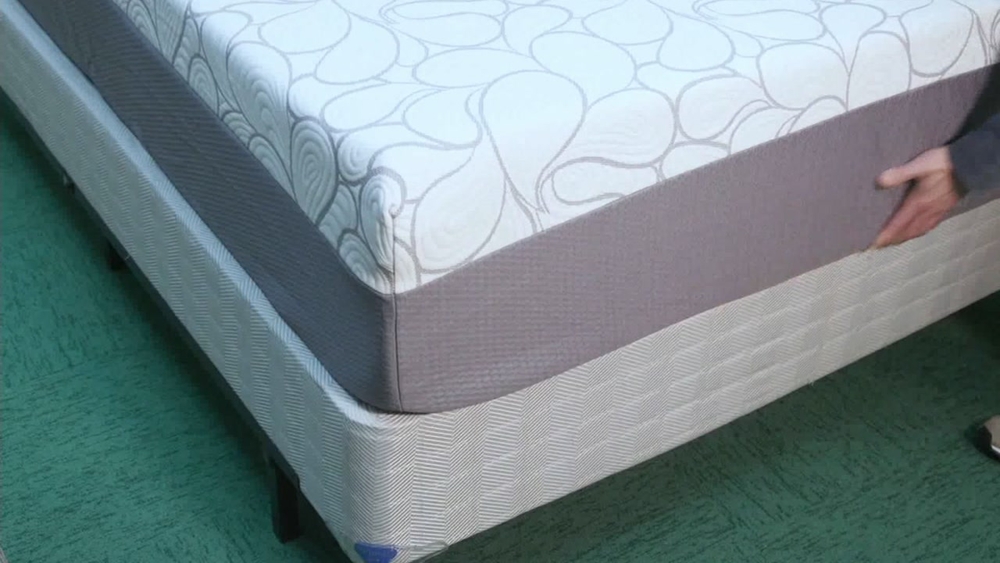
Memory foam mattresses need firm support. Some box springs are too soft or have springs inside. This can cause sagging and reduce mattress life.
Box springs can be bulky and heavy. They add extra cost and take up space. Also, some mattress warranties require solid foundations, not box springs.
- Some box springs are too soft for memory foam
- May cause mattress sagging over time
- Added weight and bulk in the bed frame
- Possible warranty issues with certain mattresses
Credit: abc7news.com
Maintenance And Longevity
Memory foam mattresses need proper care to last longer. Using the right base affects their comfort and support.
A box spring can help, but it depends on the mattress and frame you use. Good support prevents damage and keeps your mattress comfy.
Extending Mattress Life
To make your memory foam mattress last, keep it clean and dry. Avoid jumping or folding it, which can cause damage.
Rotate the mattress every few months. This helps even out wear and keeps it comfortable longer.
- Use a mattress protector to stop spills and stains
- Keep the mattress in a cool, dry place
- Rotate mattress head to foot every 3-6 months
- Avoid bending or folding the mattress
Proper Support Techniques
Memory foam mattresses need firm, even support. A box spring is not always needed but can work with some bed frames.
Platform beds or slatted frames with close slats (less than 3 inches apart) give good support. This stops sagging and damage.
- Use a solid platform bed or slatted frame
- Check slat spacing; keep it under 3 inches
- Avoid old or broken box springs
- Ensure the frame supports the mattress fully
Expert Recommendations
Many people ask if a box spring is needed for a memory foam mattress. It depends on the mattress type and bed setup. Experts give advice to help you decide.
Using the right foundation improves comfort and mattress life. Some setups need a box spring, while others work better with different bases.
When To Use A Box Spring
Use a box spring if your bed frame needs extra height or support. Traditional box springs work well with innerspring mattresses and some memory foam models.
A box spring can add bounce and improve airflow under the mattress. It also helps absorb shock and reduce wear over time.
- Your bed frame requires a box spring for mattress support
- You want extra height for easier mattress access
- Your memory foam mattress is compatible with box springs
- You prefer added bounce and slight firmness
- You want better airflow under the mattress
When To Choose Alternatives
Many memory foam mattresses work best on solid, flat surfaces. Alternatives like platform beds or slatted frames often give better support without a box spring.
Using a wrong foundation can cause sagging or damage. Choose alternatives if your mattress warranty requires it or if you want firmer support.
- Your mattress needs a firm, flat surface for support
- You want to avoid extra height from a box spring
- You have a platform bed or slatted frame with close slats
- Your warranty does not cover box spring use
- You prefer a firmer feel without bounce

Credit: dynastymattress.com
Frequently Asked Questions
Do Memory Foam Mattresses Need Box Springs?
Memory foam mattresses do not require a box spring for support. Instead, they perform best on a solid or slatted foundation. A box spring may not provide the necessary support, potentially affecting the mattress's comfort and durability. Consider a platform bed or adjustable base for optimal results.
What Foundation Is Best For Memory Foam?
A solid or slatted foundation is best for memory foam mattresses. These foundations provide the necessary support to maintain the mattress's structure and comfort. Ensure the slats are no more than 3 inches apart. This ensures even support and enhances the mattress's lifespan and performance.
Can Using A Box Spring Damage Memory Foam?
Using a box spring with memory foam may cause damage over time. Box springs are designed for innerspring mattresses and might not offer even support. This lack of support can lead to sagging and reduce the mattress's lifespan. Opt for a solid platform or slatted base instead.
How Does A Platform Bed Support Memory Foam?
A platform bed provides stable and uniform support for memory foam mattresses. It typically has a solid or slatted surface. This design prevents sagging and maintains the mattress's structure. Platform beds are ideal for ensuring your mattress performs optimally and lasts longer.
Conclusion
A box spring can support a memory foam mattress well. It helps keep the mattress firm and lasts longer. Some mattresses work fine without a box spring too. A solid, flat base also offers good support. Choose what fits your bed frame and comfort needs.
The right foundation improves your sleep quality greatly. Think about space, budget, and mattress type before buying. Sleep better with a strong, stable base under your mattress. Simple choices can make a big difference in comfort.