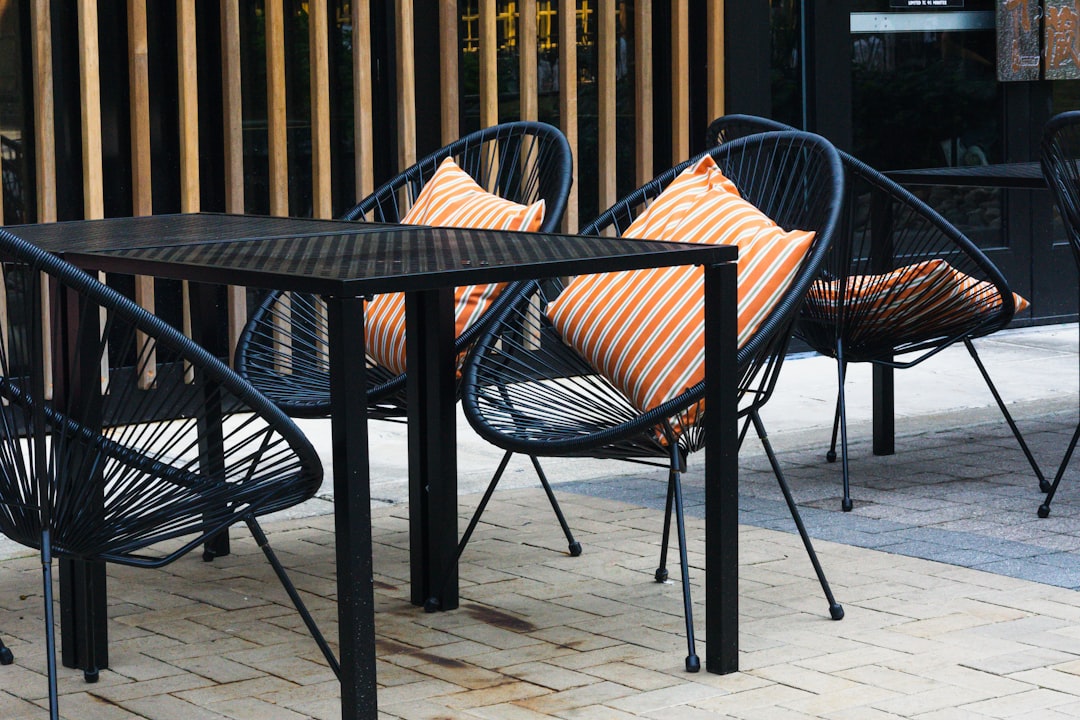
When winter arrives, your patio furniture faces harsh weather that can cause damage. You want to keep your investment safe and ready for next season.
But how do you cover your patio furniture properly to protect it from snow, rain, and cold? You’ll discover simple, effective steps to shield your outdoor pieces. Follow these tips, and you’ll save time and money while keeping your patio looking great year after year.
Ready to learn how to protect your furniture this winter? Let’s get started.
Choosing The Right Covers
Covering your patio furniture helps protect it from winter damage. Picking the right cover keeps your furniture safe and in good shape.
Consider factors like material, waterproofing, breathability, and size. These will help you find covers that work well for your furniture.
Material Types
Furniture covers come in many materials. Some are thick and strong, while others are light and flexible. Choose a material that matches your furniture and weather conditions.
- Polyester: Durable and resists tearing.
- Vinyl: Waterproof but can trap moisture.
- Canvas: Heavy and breathable but less waterproof.
- Polyethylene: Lightweight and water-resistant.
Waterproof Features
Winter covers need to keep rain and snow out. Waterproof covers stop water from soaking your furniture. Look for covers with sealed seams and water-resistant coatings.
Some covers have special layers that block water but let air pass. These help keep furniture dry and prevent mold and mildew.
Breathability Considerations
Breathable covers let moisture escape. This stops condensation and mold growth. Covers that are waterproof but not breathable can trap moisture inside.
Choose covers with mesh vents or breathable fabric. These keep your furniture dry and fresh during winter.
Size And Fit
A cover must fit your furniture well. Too small covers leave parts exposed. Too big covers can blow away in the wind.
- Measure your furniture before buying.
- Pick covers slightly larger for easy use.
- Look for covers with adjustable straps or drawstrings.
- Ensure covers fit furniture shapes like chairs or tables.
Preparing Furniture Before Covering
Covering patio furniture for winter protects it from cold and moisture. Proper preparation extends furniture life and keeps it in good shape.
Before covering, clean and fix your furniture. Make sure it is dry and add protective coatings if needed. This helps avoid damage during winter.
Cleaning Surfaces
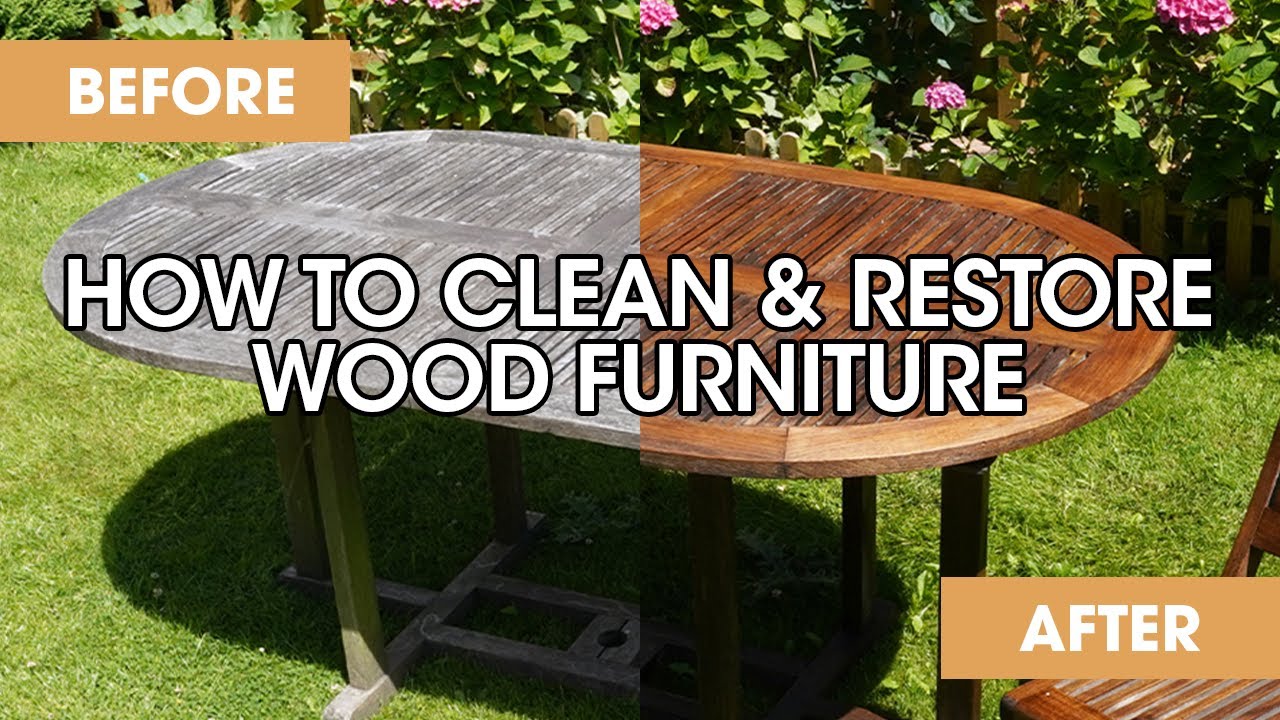
Start by cleaning all dirt, dust, and debris from the furniture surfaces. Use mild soap and water for most materials like wood, metal, or plastic.
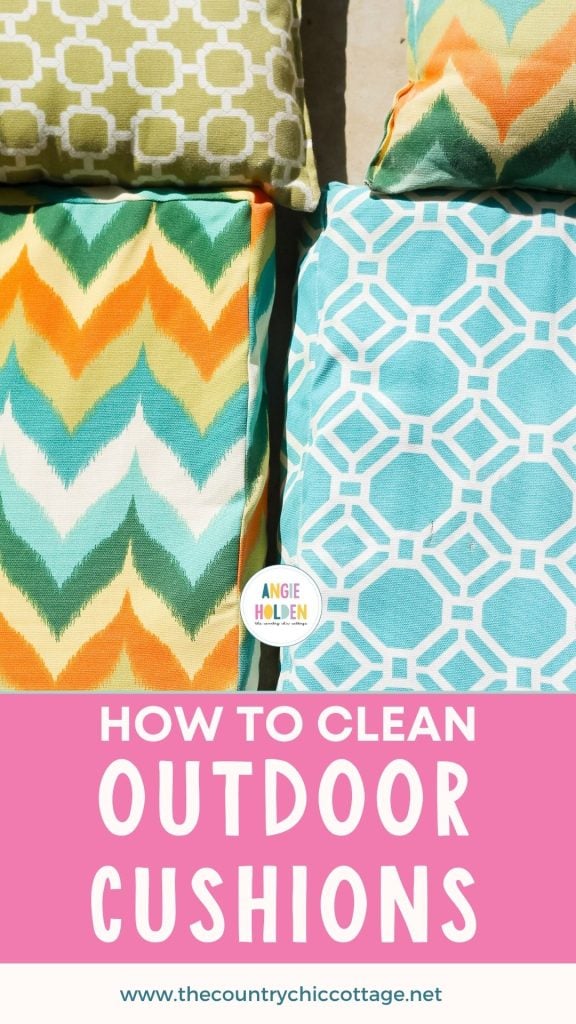
Remove leaves and grime from corners and crevices. Clean cushions separately if they are removable and washable.
- Use a soft brush or cloth for gentle cleaning
- Avoid harsh chemicals that damage furniture finish
- Rinse off soap with clean water
- Clean cushions according to care labels
Drying Thoroughly
Dry all furniture parts completely before covering them. Moisture trapped under covers causes mold and rust.
Air dry furniture outdoors or use towels to remove water. Check cushions and fabric parts for dampness as well.
- Leave furniture in sunlight if possible to speed drying
- Flip cushions to dry both sides
- Ensure no wet spots remain
Repairing Damages
Check for any damages like cracks, loose screws, or rust spots. Fix these problems before covering the furniture.
Repairing now prevents further damage during winter. Use wood filler, rust remover, or tighten screws as needed.
- Fill cracks and sand rough areas
- Remove rust and apply rust-proof paint
- Tighten all screws and bolts
- Replace broken parts if possible
Applying Protective Coatings
Apply protective coatings to shield furniture from moisture and cold. Use sealants or waterproof sprays suitable for your furniture type.
Coatings help prevent water damage and fading. Follow product instructions for best results and allow coatings to dry fully before covering.
- Use wood sealant for wooden furniture
- Apply rust-resistant spray on metal parts
- Choose waterproof fabric sprays for cushions
- Let coatings dry completely before covering
Securing Covers Effectively
Covering patio furniture protects it from snow, rain, and dirt during winter. Securing covers well keeps them in place. Proper methods stop damage and save your furniture.
Use strong and tight ways to hold covers on. This keeps wind and weather from moving or tearing the covers.
Using Straps And Ties
Straps and ties help hold covers tightly on furniture. They wrap around legs, arms, or frames to keep covers from flying off.
Choose straps made of nylon or rubber. Use adjustable ties to fit different furniture shapes.
- Wrap straps under furniture legs
- Secure ties to cover grommets
- Tighten straps to remove slack
- Check straps regularly for wear
Preventing Wind Damage
Wind can lift covers and cause tears. To stop this, tuck covers under furniture edges. Make sure covers fit well without loose areas.
Use wind-resistant covers made from heavy materials. Avoid thin plastic covers that blow away easily.
- Tuck covers under cushions or furniture parts
- Secure all open ends tightly
- Use windproof cover fabrics
- Place furniture near wind barriers if possible
Weighting Down Covers
Adding weight stops covers from moving in strong wind. Use heavy objects or special weights designed for covers.
Place weights evenly around cover edges. This keeps covers snug and protects furniture below.
- Use sandbags or bricks as weights
- Attach weights to cover corners
- Check weights after storms
- Avoid sharp objects that can tear covers
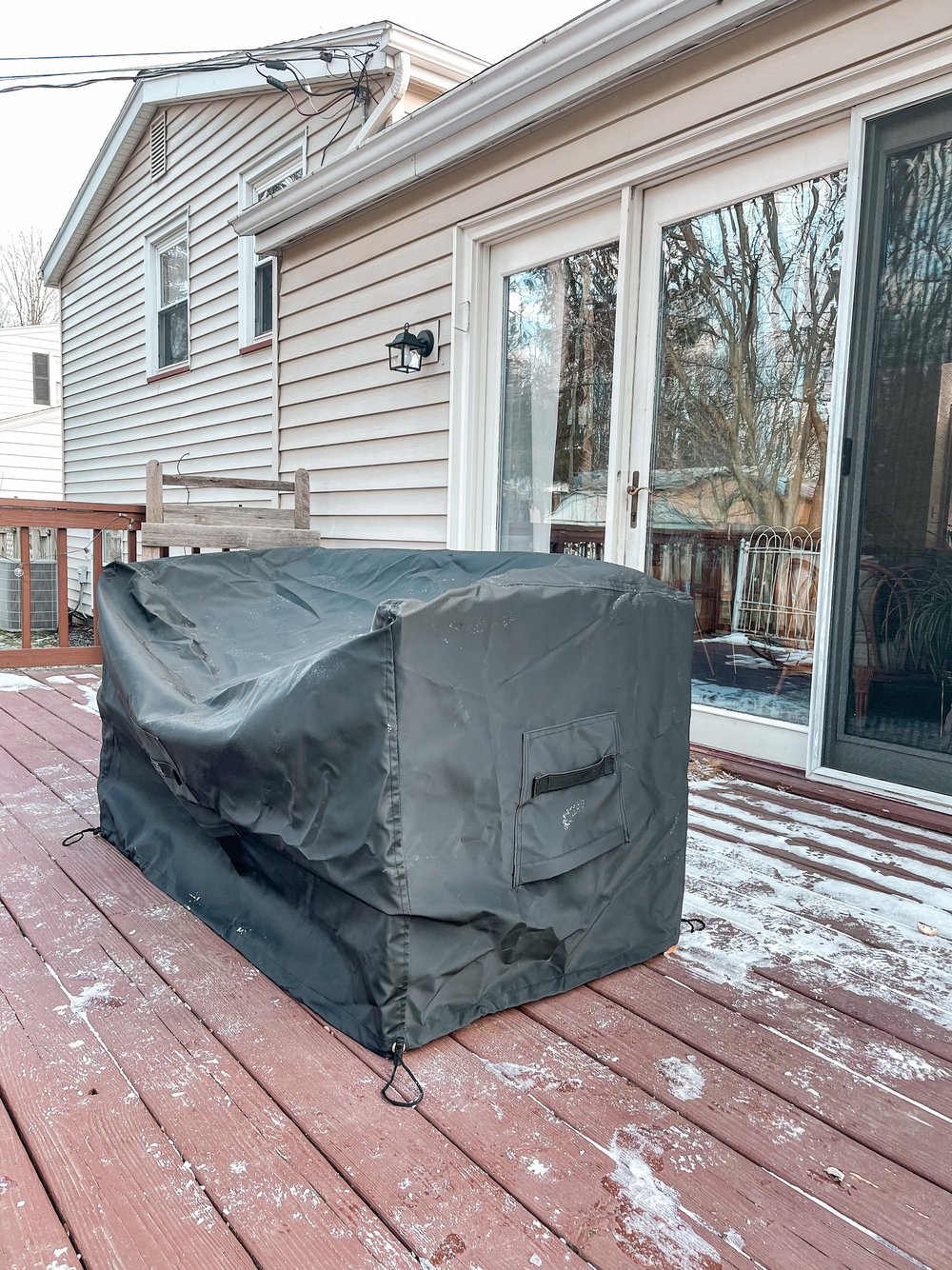
Credit: aratariathome.squarespace.com
Storing Cushions And Accessories
Covering patio furniture for winter means careful storage of cushions and accessories. Proper care keeps them clean and ready for use.
Storing these items correctly prevents damage from moisture, dirt, and pests. This helps them last longer and stay fresh.
Cleaning And Drying Cushions
Clean cushions before storing to remove dirt and stains. Use mild soap and water for most fabrics.
Dry cushions fully in the sun or a well-ventilated area. Wet cushions can grow mold and mildew during storage.
- Vacuum loose dirt first
- Spot clean with gentle detergent
- Rinse with clean water
- Air dry completely before storing
Storage Options
Choose dry, cool places to store cushions and accessories. Avoid damp basements or garages that stay cold and wet.
Use storage bins with lids or large plastic bags to protect items from dust and pests.
- Plastic storage bins with tight lids
- Heavy-duty plastic bags sealed well
- Storage benches designed for cushions
- Indoor closets or shelves
Protecting Against Mold And Mildew
Keep cushions dry to stop mold and mildew growth. Moisture is the main cause of damage during winter storage.
Add moisture absorbers or silica gel packs to storage containers. Check cushions regularly for any signs of mold.
- Use silica gel or moisture-absorbing packets
- Open storage bins occasionally for air circulation
- Keep cushions off cold floors
- Store cushions in a dry, well-ventilated place
Maintaining Covers During Winter
Keeping your patio furniture covered during winter protects it from cold weather. Proper care of covers helps them last longer and keep furniture safe.
Check your covers often to stop damage from snow, ice, or wind. Small fixes now prevent bigger problems later.
Removing Snow And Ice
Snow and ice build-up can weigh down covers and cause damage. Remove them gently to keep covers in good shape.
Use a soft broom or brush to clear snow. Avoid sharp tools that could tear the cover material.
- Brush off snow after every snowfall
- Do not pull or scrape ice forcefully
- Let ice melt naturally if possible
- Clear water from melted snow to prevent freezing
Checking For Tears
Check covers regularly for holes or tears. Small damage can get worse if left unattended.
Repair tears quickly using patch kits or strong tape made for outdoor fabrics. This keeps covers waterproof and strong.
- Look at seams and edges carefully
- Fix small holes as soon as you see them
- Replace covers if damage is too big
Repositioning Covers
Wind and weather can move covers out of place. Keep covers tight and in the right spot to protect furniture well.
Adjust covers after storms or strong winds. Use straps or ties if covers do not stay put on their own.
- Check cover position weekly
- Pull covers tight to avoid flapping
- Secure covers with clips or cords
- Lift covers carefully when adjusting

Credit: www.amazon.ca
Alternative Protection Methods
Protecting patio furniture in winter helps it last longer. You can use different ways to keep it safe from cold weather and snow.
This guide explains some alternative protection methods you can try. These options work well if you want more than just covers.
Using Tarps
Tarps are a simple way to cover patio furniture. They block rain, snow, and wind from damaging your items.
Choose a heavy-duty tarp that is waterproof and tear-resistant. Secure it tightly with ropes or bungee cords to stop it from blowing away.
- Use a tarp slightly larger than your furniture
- Wrap the furniture completely
- Tie the tarp down firmly to strong points
- Check the tarp regularly for holes or loose spots
Building A Shelter
You can build a small shelter to protect your patio furniture. This shelter can be made from wood, metal, or plastic.
A shelter keeps snow and rain off your furniture. It also allows air to flow, stopping mold and mildew.
- Make sure the shelter is bigger than your furniture
- Leave space for air circulation
- Use waterproof materials for the roof
- Secure the structure to avoid damage from wind
Indoor Storage
Indoor storage is the best way to protect patio furniture. It keeps the furniture safe from all weather conditions.
Find a dry place like a garage or shed. Clean the furniture before storing it to stop dirt or moisture from causing damage.
- Clean and dry the furniture fully
- Cover the pieces with cloth or plastic sheets
- Store furniture off the ground if possible
- Keep the storage area ventilated

Credit: www.amazon.ca
Frequently Asked Questions
What Materials Are Best For Covering Patio Furniture?
For winter protection, use durable, waterproof covers made of polyester or vinyl. These materials shield furniture from moisture, snow, and ice. Look for covers with UV protection to prevent fading. Ensure they have secure tie-downs or elastic hems to withstand winter winds.
How Can I Prevent Mold On Covered Furniture?
Before covering, clean and dry the furniture thoroughly to prevent mold growth. Use breathable covers to allow moisture escape. Elevate furniture slightly off the ground to improve air circulation. Regularly check under the covers for signs of mold and address immediately.
Should I Cover All Types Of Patio Furniture?
Yes, covering all patio furniture, including metal, wood, and plastic, is essential. This protects against moisture damage, rust, and fading. Different materials have specific vulnerabilities, and covers provide a universal solution to extend their lifespan through harsh winter conditions.
How Often Should I Check The Covers During Winter?
Check your patio furniture covers at least once a month. Ensure they are secure and free from damage. Regular inspections prevent moisture buildup and address issues like tears or loose ties promptly. This ensures optimal protection throughout the winter season.
Conclusion
Covering patio furniture protects it from cold weather damage. Use the right cover and secure it tightly. Check for tears or holes before storing. Keep furniture clean and dry to avoid mold. Proper care helps your furniture last many winters.
Simple steps save money and keep your patio nice. Ready for winter? Just cover and relax until spring.