Are your metal bed frame legs making noise or scratching your floors? Or maybe they just don’t match your room’s style the way you want.
You’re not alone—many people face the same problem and wonder how to fix it quickly and easily. The good news is, there are simple, affordable ways to cover those metal legs that protect your floors and give your bed a fresh look.
Keep reading, and you’ll discover easy tricks and smart tips that anyone can use to transform your bed frame without spending a fortune. Your room—and your floors—will thank you.
Reasons To Cover Metal Bed Frame Legs
Metal bed frame legs can cause problems if left uncovered. They may scratch floors and make noise. Covering them solves these issues and adds style.
Many people choose to cover their bed frame legs to protect floors, reduce noise, and improve the look of their bedroom.
Protect Floors From Scratches
Metal legs can scratch wood, tile, or vinyl floors. These scratches are hard to fix. Covering the legs stops damage and keeps floors looking new.
Soft covers like rubber or felt pads act as a cushion. They create a barrier between the metal and the floor surface.
- Prevents marks and dents
- Protects valuable flooring
- Easy to replace when worn out
Enhance Bedroom Decor
Covering metal legs can make the bed frame look more polished. You can choose covers that match your room style or color scheme.
Decorative covers add a soft touch to a hard metal frame. This makes the bed feel cozy and inviting.
- Choose colors that match your bedding
- Use materials like wood or fabric covers
- Change covers easily to update the look
Reduce Noise And Movement
Metal legs can create noise when the bed moves. This noise can disturb sleep or others in the room. Covers help reduce these sounds.
Soft materials absorb sound and stop the frame from sliding on the floor. This keeps the bed stable and quiet.
- Stops squeaks and rattles
- Prevents bed from shifting
- Improves sleep quality

Credit: casper.com
Materials For Covering Bed Frame Legs
Covering metal bed frame legs helps protect floors and improve the look of the bed. Choosing the right material depends on your needs and style.
Many materials can cover bed legs, from soft fabrics to hard pads. Each option offers unique benefits and protection levels.
Fabric Sleeves And Socks
Fabric sleeves and socks are soft covers that slip over bed legs. They protect floors from scratches and reduce noise when moving the bed.
These covers come in different colors and patterns. They add a cozy look and feel to the bed frame while being easy to remove and wash.
Rubber And Silicone Caps
Rubber and silicone caps fit tightly on metal legs. They stop the bed from sliding and protect floors from damage.
These caps are durable and water-resistant. They work well on hard floors like wood, tile, and laminate.
- Slip-resistant surface
- Easy to install
- Protects floors from scratches
- Long-lasting material
Wooden And Felt Pads
Wooden pads add a solid base to bed legs. Felt pads stick to the bottom and help slide the bed smoothly on floors.
Felt pads prevent marks and reduce noise. Wooden pads give a natural look and raise the bed slightly for better air flow.
- Felt pads reduce floor scratches
- Wooden pads provide sturdy support
- Both protect hard and soft floors
- Easy to attach with glue or nails
Decorative Wraps And Tapes
Decorative wraps and tapes cover bed legs with style. They come in many colors, patterns, and textures to match your room.
These materials are simple to apply and change. They also protect legs from scratches and rust while adding a personal touch.
Diy Covering Ideas
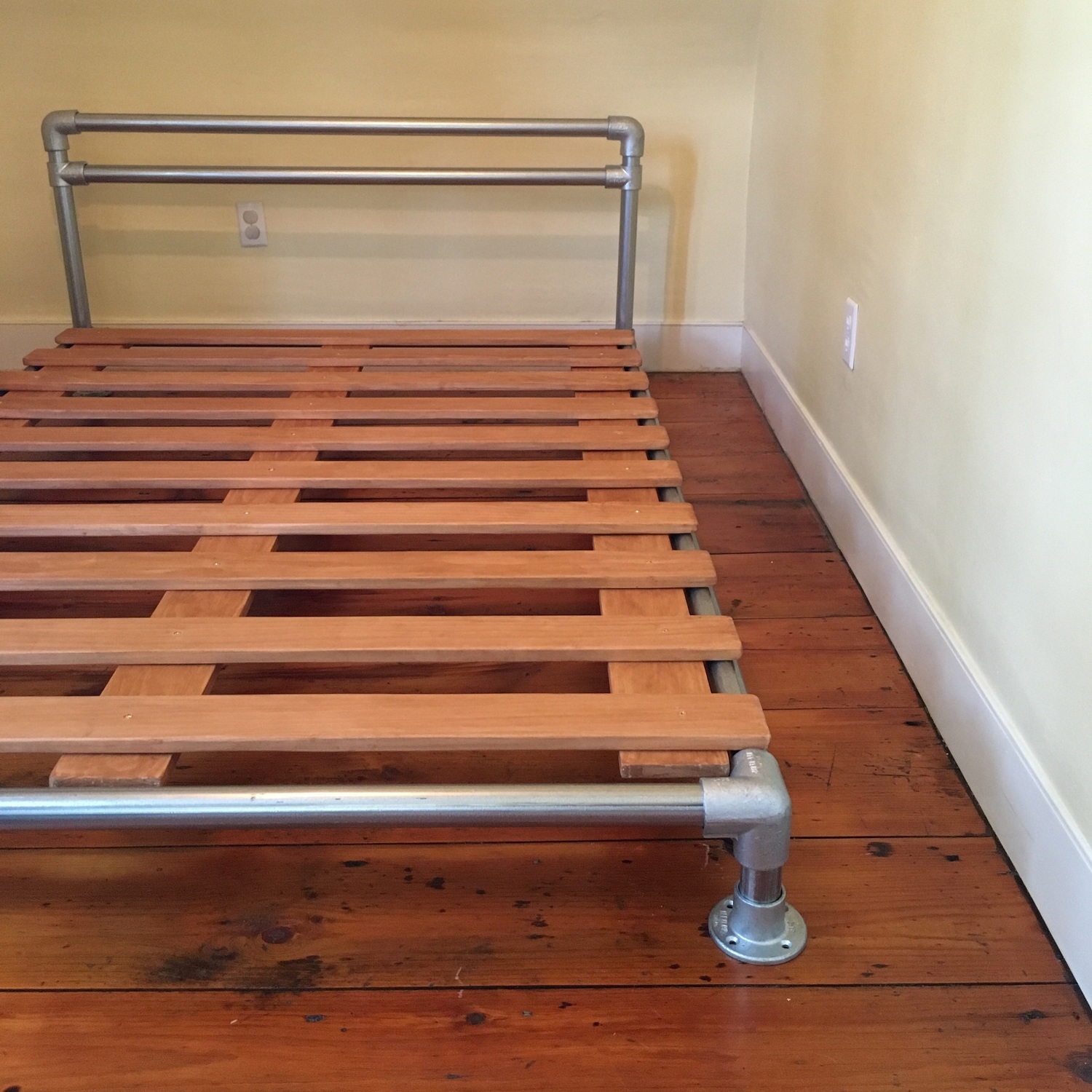
Metal bed frame legs can look cold and plain. Covering them adds style and protects floors. You can use simple items found at home or craft stores.
These DIY ideas are easy and budget-friendly. They let you refresh your bed frame without buying new parts.
Using Old Socks Or Tights
Old socks or tights can cover metal legs softly. They add color and protect your floor from scratches. Choose thick or patterned socks for a fun look.
Slide the sock or tights over each leg. Cut the toe part if needed. Secure with rubber bands or small stitches to keep them in place.
- Use thick socks for extra padding
- Pick colorful or patterned tights
- Secure covers to avoid slipping
- Wash socks before use for freshness
Wrapping With Rope Or Twine
Wrapping metal legs with rope or twine gives a rustic look. Use natural fiber ropes for a warm style. Wrap tightly from bottom to top for full coverage.
Glue the ends to keep the rope from unraveling. This method also protects floors and hides scratches on the legs.
- Choose jute, cotton, or sisal rope
- Use hot glue to fix the ends
- Wrap evenly with no gaps
- Try different rope colors for contrast
Painting Or Stenciling Legs
Painting metal legs changes their look completely. Use spray paint made for metal for smooth coverage. Stenciling adds patterns and shapes easily.
Clean the legs before painting. Apply primer if needed. Use painter’s tape to create clean stencil edges. Let paint dry fully between coats.
- Use metal spray paint for durability
- Prime legs before painting
- Apply thin, even paint layers
- Use stencils for patterns or designs
- Let paint dry completely before use

Credit: www.amazon.com
Step-by-step Covering Methods
Covering metal bed frame legs can protect your floors and improve the look of your bed. There are simple ways to do this with common materials. Follow these steps to cover the legs neatly and safely.
Each step helps you pick the right materials and apply them correctly. Use these easy methods to keep your bed frame legs safe and stylish.
Measuring And Selecting Materials
First, measure the height and width of each metal leg. Use a tape measure for accuracy. Note the shape too, like round or square.
Choose materials that fit your needs. Soft pads protect floors, fabric covers add style, and wraps give a decorative touch.
- Measure leg height and width carefully
- Note the leg shape for better fitting
- Pick protective pads for floor safety
- Select fabric covers for a cozy look
- Choose wraps for decoration and grip
Applying Protective Pads
Protective pads stop the metal from scratching floors. Clean the leg bottom before applying pads. This helps them stick well.
Peel the pad backing and press it firmly on each leg. Check that the pad covers the full base. Replace pads if they wear out.
- Clean leg bottoms with a dry cloth
- Peel off pad adhesive backing
- Press pads on firmly and hold for 10 seconds
- Check full coverage on the leg base
- Replace pads every few months
Installing Fabric Covers
Fabric covers add a soft touch to metal legs. Cut fabric to fit the leg size plus extra for folding. Use stretchy fabric for a tight fit.
Wrap the fabric around the leg. Secure it with fabric glue, velcro, or small stitches. Smooth out wrinkles for a clean look.
- Cut fabric slightly larger than leg size
- Choose stretchy fabric for easy wrapping
- Wrap fabric evenly around each leg
- Use fabric glue or velcro to secure
- Smooth wrinkles and adjust fit
Securing Decorative Wraps
Decorative wraps add style and protect metal legs. Choose wraps like rope, tape, or vinyl strips. Measure the length needed before cutting.
Start wrapping from the bottom up. Overlap slightly to cover gaps. Use glue or clear tape to keep the wrap in place at the ends.
- Pick wrap material that suits your style
- Measure leg length to cut wrap correctly
- Wrap tightly from bottom to top
- Overlap edges slightly for full coverage
- Secure ends with glue or clear tape
Maintenance Tips For Covered Legs
Covering metal bed frame legs helps protect floors and adds style. Proper care keeps the covers looking good and lasting longer.
Follow simple steps to clean and maintain the covered legs. This prevents damage and keeps your bed stable.
Regular Cleaning Techniques
Dust and dirt can build up on covered legs. Clean them regularly to avoid scratches and stains.
Use a soft cloth or a small brush to remove dirt. Mild soap and water work well for most covers.
- Wipe with a damp cloth weekly
- Use mild soap for tougher dirt
- Dry covers completely after cleaning
- Avoid harsh chemicals that damage materials
Replacing Worn Covers
Over time, covers may tear or wear out. Replace them to keep the legs protected and safe.
Check covers often for holes or thinning areas. Replace covers that no longer fit well or look damaged.
- Inspect covers every few months
- Remove old covers carefully
- Choose replacements that fit snugly
- Secure covers properly to avoid slipping
Preventing Moisture Damage
Moisture can cause rust on metal legs and damage covers. Keep the area dry to avoid problems.
Use moisture barriers or waterproof covers if needed. Always dry covers and legs quickly after spills.
- Place bed away from damp areas
- Use waterproof covers if moisture is common
- Dry wet covers immediately
- Check for leaks or spills regularly
Credit: www.alchemyeclectic.com
Where To Buy Covers And Accessories
Covering metal bed frame legs can protect your floors and improve the look of your bedroom. Many stores sell covers and accessories for this purpose.
You can find these items in different places. Each option has its own benefits and variety of products.
Online Retailers
Online stores offer a wide range of covers and accessories. You can easily compare prices and read customer reviews.
Many sites have filters to help you find the right size and style for your metal bed frame legs.
- Amazon
- eBay
- Walmart online
- Wayfair
Local Home Improvement Stores
Local home improvement stores often carry furniture leg covers and floor protectors. You can see the products before buying them.
Staff can help you choose the right size and type for your metal bed frame legs.
- Home Depot
- Lowe’s
- Menards
- Ace Hardware
Specialty Furniture Shops
Specialty furniture stores sell covers made for different furniture styles. They often have unique or decorative options.
These shops may also offer custom covers to fit unusual bed frame legs perfectly.
- Local furniture boutiques
- Custom upholstery shops
- Furniture repair and accessory stores
Frequently Asked Questions
How Do I Cover Metal Bed Frame Legs?
To cover metal bed frame legs, use fabric or decorative covers. You can choose colors and patterns that match your room decor. Another option is using adhesive pads to attach the fabric securely. Covering the legs not only enhances aesthetics but also protects the floor from scratches.
What Materials Are Best For Covering Bed Frame Legs?
The best materials for covering bed frame legs include soft fabrics, foam pads, and felt covers. These materials provide cushioning, protect floors, and offer a decorative touch. Choose a material that complements your bedroom design and meets your functional needs.
Can I Use Diy Methods To Cover Bed Legs?
Yes, you can use DIY methods to cover bed legs. Use fabric, foam, or adhesive pads to create custom covers. DIY solutions allow you to personalize the look and save money. Ensure the materials are durable and match your room's style.
Why Cover Metal Bed Frame Legs?
Covering metal bed frame legs improves aesthetics and prevents floor damage. It also reduces noise and prevents accidental injuries. Decorative covers can blend with your room's theme, adding a stylish touch. Additionally, covering legs can protect against rust and wear over time.
Conclusion
Covering metal bed frame legs can change your room’s look quickly. Simple materials and easy steps make this task fun and fast. Choose covers that match your style and protect your floors well. Small changes bring big comfort and charm to your space.
Try different ideas until you find what fits best. Enjoy a neat, cozy bedroom with covered bed legs. This small effort makes a noticeable difference every day.