

When it comes to setting up your dining space, one question often pops up: How much room should you leave around your dining table? You want your guests to feel comfortable, not cramped, but you also don’t want to waste precious space.
Finding that perfect balance can transform your dining area from just a place to eat into a welcoming spot where memories are made. Keep reading, and you’ll discover simple tips that make your dining experience easier and more enjoyable—for you and everyone around your table.
Ideal Clearance Around A Dining Table
Having enough space around your dining table makes meals more comfortable. It helps people sit, eat, and move easily.
Planning the right clearance ensures your dining area feels open and functional.
Minimum Space For Comfortable Seating
Each person needs enough room to sit and eat without bumping elbows. Allow space for plates, utensils, and arms.
About 24 inches (60 cm) per person is a good rule to follow for seating space at the table.
- 24 inches per person along the table edge
- Enough width for plates and serving dishes
- Room for comfortable arm movement
Space Needed For Moving Chairs
People need extra space to pull chairs out and sit down. Chairs require clearance behind them to move freely.
Allow at least 18 inches (45 cm) behind chairs for easy movement without hitting walls or furniture.
- 18 inches behind each chair for pulling out
- More space if your chairs have arms or cushions
- Extra clearance helps prevent damage to walls
Allowance For Walking Paths
Clear paths around the table let people walk without squeezing. Narrow spaces make the room feel crowded.
A walking path of at least 36 inches (90 cm) wide is ideal for smooth traffic flow around the dining area.
- Minimum 36 inches wide walking paths
- Keep paths clear of obstacles and furniture
- Wider paths improve comfort in busy rooms
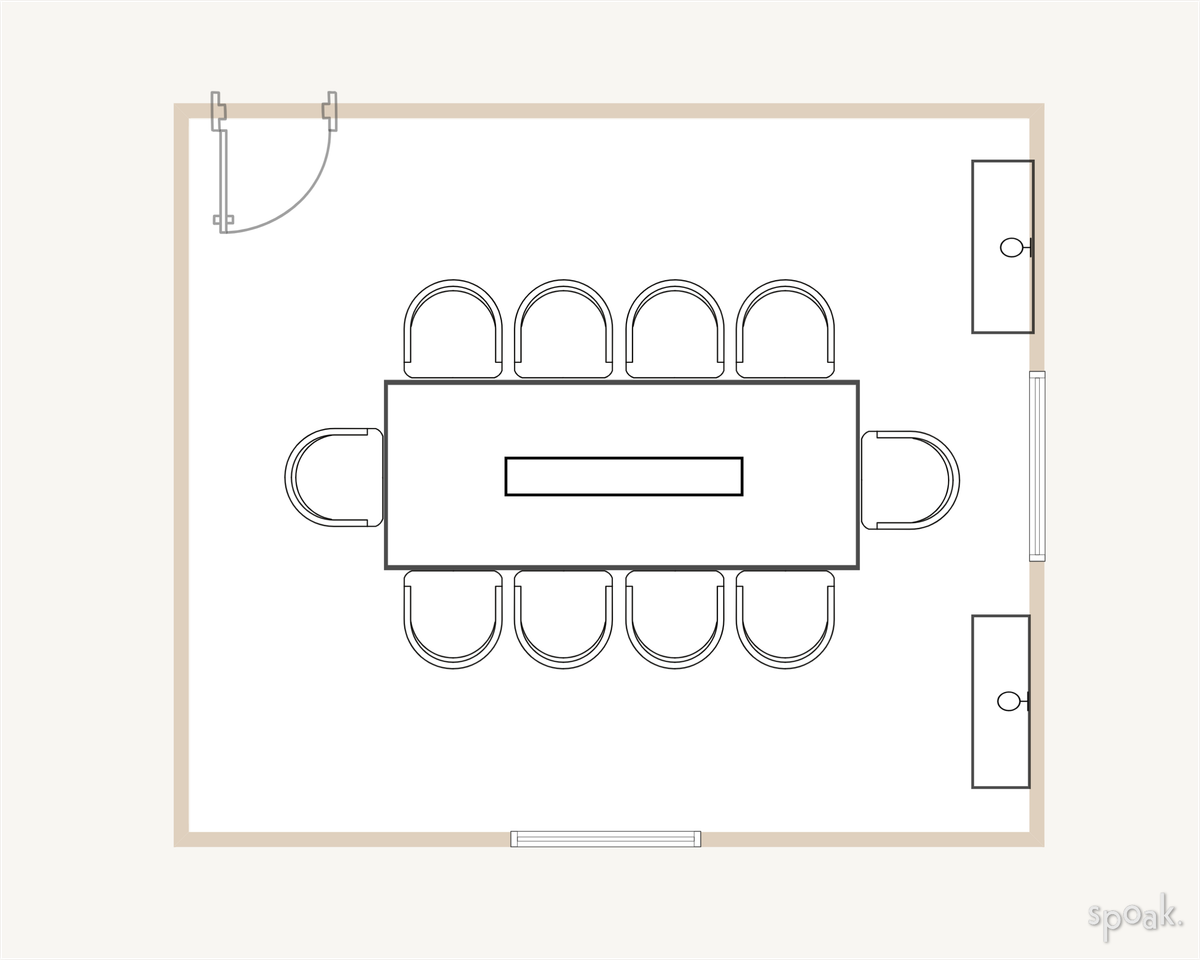
Credit: www.spoak.com
Factors Influencing Space Requirements
Knowing how much room to leave around a dining table helps people move easily. Space affects comfort and usability in your dining area.
Several factors change the space you need around your dining table. These include the table’s shape, size, and the number of people seated.
Table Shape And Size
The shape and size of your dining table affect the space needed around it. Larger tables need more clearance for chairs and walking.
Round tables usually take less space around because they have no corners. Rectangular or square tables need more room to allow easy movement.
- Round tables: allow easier flow around the table
- Rectangular tables: need more clearance on all sides
- Square tables: corners require extra space for chairs
- Large tables: require more space for pulling chairs out
Number Of Seating
The number of seats at your dining table changes how much space you need. More seats mean more room for chairs and people.
Each person needs enough space to sit and move their chair comfortably. Plan for at least 24 inches per seat width.
- Allow 24 inches width per person at the table
- Leave 36 inches between table edge and walls or furniture
- More seats require larger clearance for easy movement
Room Layout And Furniture Placement
The layout of your room and other furniture affects the space around your dining table. You need clear paths for walking and access.
Place your table so it does not block doors or walkways. Consider other furniture like cabinets or sofas when planning the space.
- Keep at least 36 inches of clearance for walking paths
- Avoid placing tables in front of doors or windows
- Arrange other furniture to allow easy chair movement
Space Guidelines For Different Table Shapes
Choosing the right space around your dining table is important. It helps people move freely and sit comfortably.
Each table shape needs a different amount of room. Let’s look at space guidelines for common table shapes.
Rectangular Tables
Rectangular tables are common in dining rooms. They need enough space on all sides for chairs and walking.
Leave at least 36 inches (90 cm) around the table. This gives enough room to pull chairs and move around.
- 36 inches (90 cm) from table edge to wall
- More space if the room is busy or small
- Allow extra space for serving areas
Round Tables
Round tables are great for small spaces and social dining. They need space to pull chairs out easily.
Plan at least 36 inches (90 cm) around the table. This space helps guests move without bumping into walls.
- 36 inches (90 cm) clear space all around
- Consider extra space for larger groups
- Round tables fit well in square rooms
Square Tables
Square tables work well in small to medium rooms. They need enough room on each side for seating.
Keep at least 36 inches (90 cm) around the table. This space allows chairs to move and people to walk.
- 36 inches (90 cm) from table edge to walls
- Good for corner or center placement
- Extra space helps with larger chairs
Oval Tables
Oval tables combine the length of rectangular tables with soft edges. They need room for chairs and movement.
Allow 36 inches (90 cm) of space around the table. This helps guests sit and move without problems.
- 36 inches (90 cm) clearance all around
- Oval shape fits well in narrow rooms
- Extra space helps when guests stand or serve

Credit: www.briansbenham.com
Tips For Small Dining Areas
Small dining spaces need smart planning to feel open and comfortable. Knowing how much room to leave around the table helps.
We will share ideas to save space and still have a nice dining area.
Compact Table Options
Choose tables that fit small spaces well. Round or square tables often work best.
Drop-leaf and foldable tables save space when not in use. They also offer extra room when needed.
- Round tables help with flow and fit more people
- Square tables fit neatly in corners
- Drop-leaf tables fold down to save space
- Foldable tables are easy to store away
Maximizing Space With Seating
Pick seating that fits well around your table without crowding the room. Benches and stools work well.
Benches slide under the table when not in use. Stools are easy to move and store.
- Use benches to save space and seat more people
- Choose stools that tuck under the table
- Keep walking space around seating at least 30 inches
- Place chairs that fit the table size
Using Multipurpose Furniture
Furniture that serves more than one purpose helps in small dining areas. Look for pieces with storage or that transform.
Examples include tables with shelves and seats with storage inside. These save space and keep things neat.
- Tables with built-in shelves for dishes or decor
- Storage benches to hold dining accessories
- Expandable tables that grow for guests
- Stackable or foldable chairs for easy storage
Common Mistakes To Avoid
Choosing the right amount of space around a dining table is very important. It helps everyone sit comfortably and move easily.
Many people make mistakes that make the dining area feel cramped or hard to use. Avoid these common errors to improve your space.
Overcrowding The Dining Area
Putting too many chairs or a large table in a small room causes overcrowding. This leaves little space for people to move.
Overcrowding makes dining uncomfortable and hard to enjoy. It also blocks access to other furniture or doors.
- Leave at least 36 inches between the table edge and walls or furniture
- Use smaller tables in tight spaces
- Limit the number of chairs to fit the room size
Ignoring Pathways
People need clear paths to walk around the dining table. Ignoring this creates traffic jams and accidents.
Make sure there is enough space to pass behind chairs when they are pulled out. This keeps movement smooth.
- Keep pathways at least 36 inches wide
- Check clearance behind chairs for easy seating
- Plan routes to other rooms without obstacles
Choosing Inappropriate Table Sizes
Selecting a table that is too big or too small causes problems. A large table wastes space and a small one feels cramped.
Match the table size to the room and the number of people who use it often. This keeps the dining area balanced.
| Room Size | Recommended Table Size | Seating Capacity |
|---|---|---|
| Small (up to 10x10 feet) | 36-48 inches round or 36x48 inches rectangular | 2-4 people |
| Medium (10x12 feet) | 48-60 inches round or 48x72 inches rectangular | 4-6 people |
| Large (12x14 feet or more) | 60-72 inches round or 60x84 inches rectangular | 6-8 people or more |

Credit: www.reddit.com
Measuring Your Dining Space
Knowing how much room you have around your dining table is important. It helps you place furniture comfortably and use your space well.
Measuring your dining area carefully lets you plan where to put your table and chairs. This makes the room look balanced and easy to move in.
Tools For Accurate Measurement
Use the right tools to measure your dining space. This gives you exact numbers to work with. A tape measure is the best tool for most rooms.
A laser measure can also help if you want quick and precise results. Make sure to have a notebook to write down all measurements.
- Tape measure for length and width
- Laser measure for fast distance checks
- Notebook or paper to record data
- Pencil to mark points or write notes
Planning Furniture Layout
After measuring, think about where to place your dining table and chairs. Leave enough space for people to sit and move around easily.
It is good to keep at least 36 inches (90 cm) of space around the table. This space helps chairs pull out and people walk by without trouble.
- Place the table in the center of the space
- Keep 36 inches of clearance on all sides
- Check for doors and windows that may affect placement
- Think about adding a buffet or sideboard if space allows
Visualizing Space With Templates
Using paper or digital templates helps you see how furniture fits in your dining room. Cut shapes that match your table and chairs to scale.
Move these shapes around on the floor or a drawing. This shows if the layout feels crowded or roomy before you buy or move anything.
- Draw shapes for table and chairs to scale
- Cut out the shapes from cardboard or paper
- Arrange pieces in your dining area to test layouts
- Adjust spacing until movement feels easy and clear
Frequently Asked Questions
How Much Space Is Needed Around A Dining Table?
Allow at least 36 inches (3 feet) around the table for comfortable movement. This space lets guests pull out chairs easily and walk around without obstruction.
What Is The Ideal Clearance Between Table And Wall?
Maintain a minimum of 36 inches between the table edge and walls. This clearance ensures enough room for diners to sit and stand without bumping into walls.
How Much Room Is Required For Dining Chairs?
Dining chairs typically need 24 to 30 inches of space each. This allows guests to sit comfortably and move their chairs without crowding the table.
Can Less Space Around A Dining Table Work?
You can reduce clearance to 30 inches in tight spaces. However, this may limit movement and make seating less comfortable during meals.
Conclusion
Creating the right space around your dining table is essential. It ensures comfort and ease during meals. Aim for at least 36 inches of clearance. This allows chairs to move freely. It also prevents cramped seating. Your dining area will feel open and inviting.
You can enjoy meals without bumping into others. Remember, the right amount of space enhances the dining experience. Choose a table that fits your room. Consider the room's layout and your lifestyle needs. This way, you create a harmonious dining space.
A place for enjoyable meals and gatherings.


