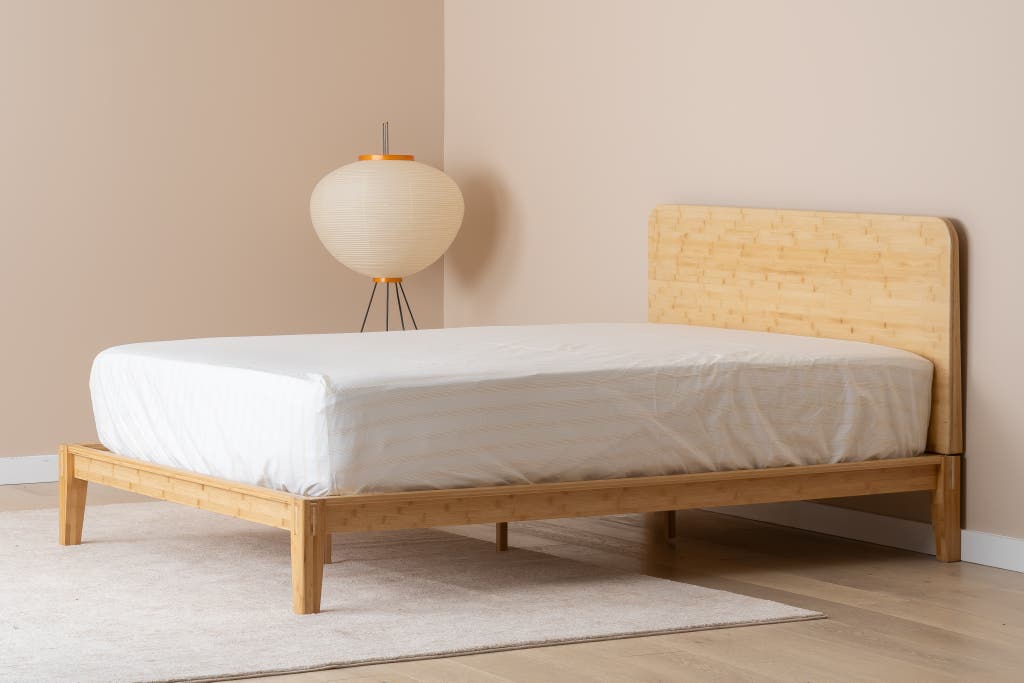
Have you ever wondered how long your bed frame will last before it needs replacing? Your bed frame is more than just a support for your mattress—it impacts your sleep quality and bedroom style.
Knowing its lifespan helps you plan for upgrades and avoid unexpected breaks. You’ll discover what affects a bed frame’s durability and how to make yours last longer. Keep reading to protect your investment and sleep soundly for years to come.

Credit: www.yahoo.com
Factors Affecting Bed Frame Lifespan
Bed frames hold your mattress and support your sleep. Their lifespan varies based on many factors. Knowing these helps you choose a frame that lasts longer.
We will look at key factors that affect how long a bed frame lasts. These include the materials, construction, usage, and environment.
Material Types And Their Durability
Different materials wear out at different rates. Wood, metal, and engineered materials are common bed frame types. Each has its own strengths and weaknesses.
- Solid wood:Strong and can last 10 to 15 years or more with care.
- Engineered wood:Less durable than solid wood; may last 5 to 10 years.
- Metal:Very durable if not exposed to rust; can last 15 years or longer.
- Plastic or composite:Least durable; often lasts less than 5 years.
Impact Of Frame Construction
How a bed frame is built affects its strength. Frames with strong joints and solid parts last longer. Look for frames with metal brackets or dowel joints.
| Construction Type | Durability |
| Mortise and tenon joints | Very strong and long-lasting |
| Screws and bolts | Strong but may loosen over time |
| Staples or nails | Less durable; may weaken quickly |
Role Of Usage And Weight
How often you use the bed and the weight on it affects wear. Heavy weight or frequent movement can stress the frame parts. A frame under light use lasts longer.
- Heavier people may need stronger frames.
- Jumping or rough use shortens lifespan.
- Regularly checking and tightening screws helps.
Environmental Influences
Where you place your bed frame matters. High humidity can cause wood to warp or metal to rust. Dry, clean rooms help frames last longer.
Environmental tips for bed frame care:
- Keep the frame away from damp walls.
- Use a dehumidifier in humid areas.
- Clean dust and dirt regularly.
- Protect metal frames with rust-resistant paint.

Credit: www.reddit.com
Common Bed Frame Materials
Bed frames come in different materials, each with its own lifespan. Knowing the material helps you choose a frame that lasts long and fits your style.
This guide covers wood, metal, upholstered, and composite bed frames and how long they typically last.
Wood Frames And Their Longevity
Wood bed frames are classic and sturdy. Solid hardwoods like oak and maple last longer than softwoods. Proper care can extend their life by many years.
Wood frames may last 10 to 20 years or more. Signs of wear include cracks or loose joints. Regular tightening and polishing help keep them strong.
Metal Frames: Strength And Wear
Metal bed frames are known for their strength and durability. Steel frames can last 15 years or longer. They resist pests and warping better than wood.
- Steel frames resist rust if coated well
- Aluminum frames are lightweight but less sturdy
- Look for welded joints for extra strength
- Metal frames may squeak if bolts loosen
Upholstered Frames: Durability Considerations
Upholstered bed frames combine wood or metal with fabric or leather covering. Their lifespan depends on the inner frame and fabric quality.
| Material | Average Lifespan | Durability Notes |
| Wood frame with fabric | 8-15 years | Fabric may wear or stain over time |
| Metal frame with leather | 10-20 years | Leather needs care to avoid cracking |
Composite And Engineered Materials
Composite bed frames use engineered wood or particleboard. They cost less but usually last 5 to 10 years. Moisture and heavy weight reduce their life.
Care tips for composite frames:
- Avoid damp areas to prevent swelling
- Do not overload with heavy mattresses
- Check screws and joints often
Signs Your Bed Frame Needs Replacement
Your bed frame supports your mattress and affects your sleep. Over time, it can weaken or break.
Knowing the signs of damage helps you decide when to replace your bed frame.
Visible Damage And Wear
Look for cracks, bends, or rust on metal frames. Wooden frames may have splinters or broken slats.
- Cracked wood or loose joints
- Rust spots or chipped paint on metal
- Missing screws or bolts
- Warped or bent frame parts
Unusual Noises And Instability
If your bed frame creaks, squeaks, or feels wobbly, it may be failing. Loose parts cause noise and reduce support.
| Noise Type | Possible Cause |
| Creaking | Loose joints or worn wood |
| Squeaking | Metal parts rubbing together |
| Wobbling | Broken or missing support beams |
Impact On Sleep Quality
A bad bed frame can hurt your sleep. It may cause discomfort or make your mattress sag.
Signs your bed frame harms sleep:
- Feeling unstable when you move
- Mattress edges sagging or dipping
- Waking up with aches or stiffness
- Noise disrupting your rest

Credit: woodenwoodworks.com
Maintenance Tips To Extend Bed Frame Life
A good bed frame can last many years with proper care. Small maintenance steps help keep it strong and stable. These tips will help you protect your bed frame from damage.
Taking time to clean and check your bed frame regularly can extend its life. Follow simple steps to keep it in top shape.
Regular Cleaning And Care
Dust and dirt can build up on your bed frame. Clean it often to stop scratches and wear. Use a soft cloth or vacuum with a brush tool to remove dust from all parts.
For wooden frames, use a wood cleaner or mild soap with water. Avoid soaking the wood. For metal frames, wipe with a damp cloth and dry well.
- Clean dust every 1-2 weeks
- Use gentle cleaners
- Dry the frame completely
- Check for dirt in corners and joints
Tightening And Repairing Joints
Loose screws and bolts cause wobbling and damage. Check all joints regularly and tighten any loose parts. This keeps the bed frame stable and safe.
Look for cracks or broken parts. Repair or replace them quickly to avoid bigger problems. Use the right tools and parts for your bed frame model.
- Inspect joints every 3-6 months
- Tighten screws and bolts firmly
- Fix cracks or splits early
- Replace worn out hardware
Protecting Against Moisture And Pests
Moisture can cause wood to warp and metal to rust. Keep your bedroom dry and well-ventilated. Use a dehumidifier if needed.
Pests like termites or bed bugs can damage wooden frames. Check for signs of pests and treat your bed frame if you see any damage or bugs.
- Keep room dry and ventilated
- Avoid placing bed near windows or damp walls
- Check for pest damage regularly
- Use pest control treatments if necessary
Choosing A Durable Bed Frame
Picking the right bed frame matters for comfort and durability. A strong bed frame can last many years. It supports your mattress and keeps you comfortable.
Knowing how to choose a durable frame helps you get the best value. This guide covers quality, mattress match, and budget tips.
Assessing Quality And Build
Look for bed frames made from solid materials like hardwood or metal. These last longer than softwood or particleboard. Check the joints and welds for tight, secure connections.
- Choose frames with strong slats or a solid platform.
- Avoid frames with thin or weak legs.
- Test for wobbling before buying.
- Read reviews about frame durability.
Matching Frame To Mattress Type
Different mattresses need different support. A good frame matches your mattress type to avoid damage or discomfort. For example, memory foam mattresses need a solid or closely spaced slat base.
| Mattress Type | Recommended Frame Support |
| Innerspring | Slatted frame with 3-4 inch gaps |
| Memory Foam | Solid platform or slats less than 3 inches apart |
| Latex | Solid platform or sturdy slats |
| Air Mattress | Flat, solid surface |
Budget Vs. Longevity Considerations
Cheaper bed frames may save money now but might break sooner. Investing a bit more usually gives better quality and longer use. Think about how long you want the bed frame to last.
- Set a price range before shopping.
- Look for sales on quality brands.
- Consider secondhand frames in good shape.
- Check warranties for added protection.
- Remember that a sturdy frame supports your mattress better.
Frequently Asked Questions
How Long Does A Typical Bed Frame Last?
A typical bed frame lasts 7 to 15 years. Its lifespan depends on material quality and usage frequency. Proper care can extend its durability significantly.
What Affects The Lifespan Of A Bed Frame?
Material, construction quality, weight support, and maintenance affect bed frame lifespan. Metal frames usually last longer than wooden ones. Regular tightening and cleaning help maintain stability.
Can A Bed Frame Last Over 20 Years?
Yes, high-quality bed frames can last over 20 years. Solid wood or metal frames with good care often exceed this lifespan. Avoid excessive weight and moisture to prevent damage.
How To Know When To Replace Your Bed Frame?
Replace your bed frame if it creaks, wobbles, or shows structural damage. Visible cracks or loose joints indicate it's time for a new frame. Comfort and safety should guide replacement decisions.
Conclusion
Choosing a durable bed frame is crucial for long-lasting comfort. Quality materials and construction influence a bed frame's lifespan. Metal frames often last longer than wood. Regular maintenance extends their life too. Check for loose bolts or screws often. Avoid overloading the bed to prevent damage.
Investing in a good mattress also helps. Together, they ensure better sleep. Consider your needs and budget when buying. A well-chosen bed frame saves money in the long run. Prioritize durability and care for your frame. Sleep well and comfortably for years.