Are you dreaming of a cozy outdoor space that feels truly yours? Imagine sitting on garden furniture you built with your own hands—customized, unique, and made to fit your style perfectly.
Creating your own garden furniture doesn’t have to be complicated or expensive. In fact, it can be a fun and rewarding project that transforms your garden and gives you a real sense of pride. Keep reading, and you’ll discover easy steps and clever tips to help you build beautiful garden furniture that will make your outdoor space shine.
Your perfect garden setup is closer than you think!

Credit: www.familyhandyman.com
Choosing Materials
Picking the right materials is key for making garden furniture. Good materials last longer and look nice outside.
Think about how you want your furniture to feel and how much care it needs. This helps you pick the best materials.
Wood Options For Durability
Wood is a popular choice for garden furniture. It can be strong and last a long time if you pick the right type.
Hardwoods like teak and oak resist weather well. Softwoods like pine need more protection but cost less.
- Teak: Naturally oily, very durable
- Oak: Strong and weather-resistant
- Cedar: Light, resists rot and insects
- Pine: Affordable but needs sealing
Metal For Modern Looks
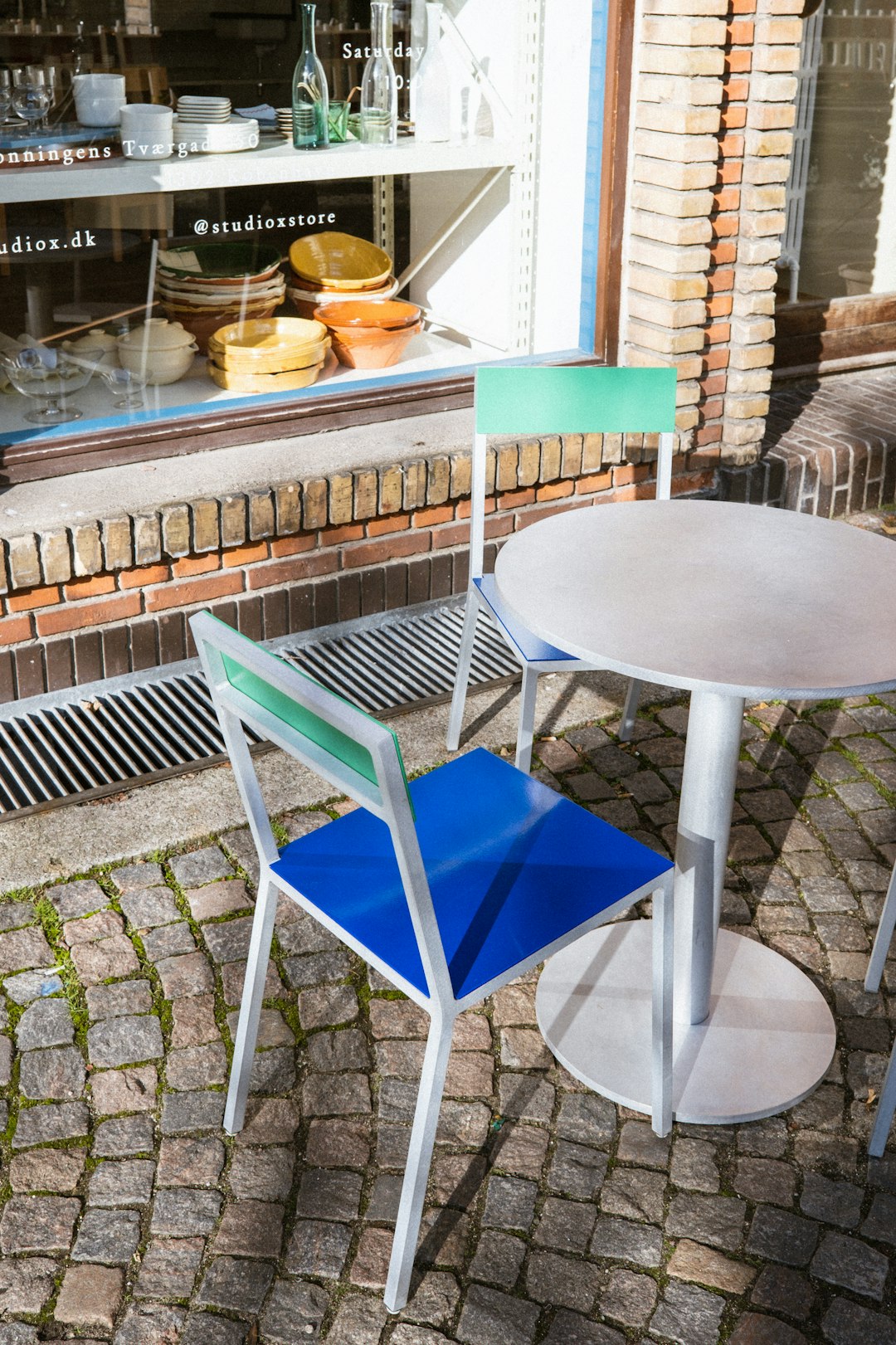
Metal gives a sleek, modern look to garden furniture. It is strong and can last many years with care.
Steel and aluminum are common metals. Steel is very strong but can rust. Aluminum is light and rust-resistant.
- Steel: Heavy and sturdy, needs paint or coating
- Aluminum: Lightweight and does not rust
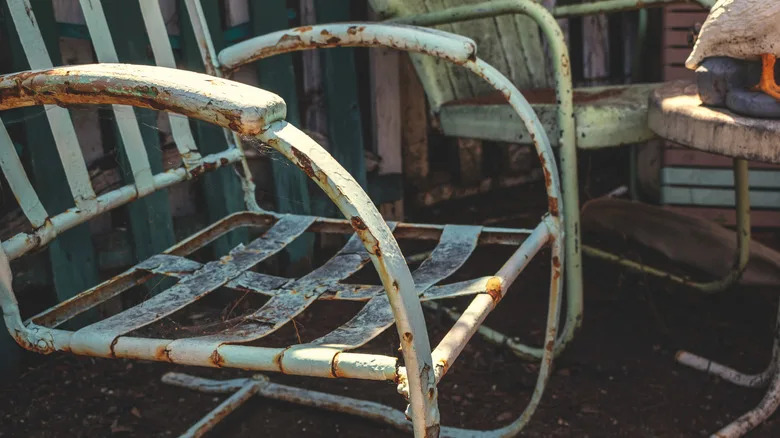
- Wrought iron: Classic look, may need rust treatment
Recycling Old Items
Using old items to make garden furniture saves money and helps the environment. You can create unique pieces.
Look for old wood, metal frames, or pallets. Clean and fix them well before use to make sure they last.
- Old wooden doors or windows can become table tops
- Metal bed frames can make chair bases
- Pallets can be turned into benches
- Check all items for damage before use
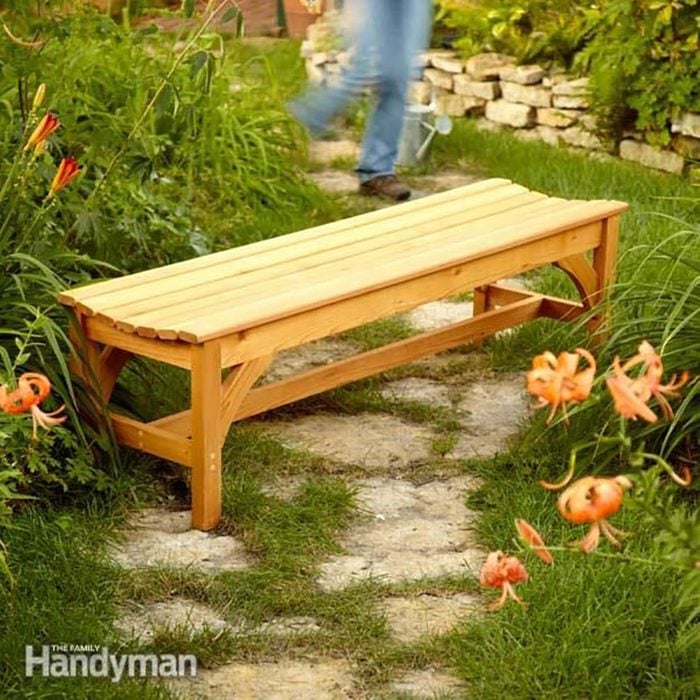
Credit: www.familyhandyman.com
Basic Tools Needed
Building your own garden furniture is a fun and rewarding project. You only need a few basic tools to get started. These tools help you cut, shape, and join wood safely and easily.
Knowing which tools to use makes your work more efficient. It also helps you avoid mistakes and saves time.
Essential Hand Tools
Hand tools are the foundation for any DIY furniture project. They are easy to use and do not require electricity. These tools help you measure, cut, and assemble your wood pieces.
- Measuring tape for accurate sizes
- Pencil to mark cutting lines
- Hand saw for simple cuts
- Hammer for nails
- Screwdriver for screws
- Chisel for shaping wood
- Clamps to hold pieces together
Power Tools For Efficiency
Power tools save time and effort in your project. They help you make precise cuts and fasten parts quickly. Using them carefully improves your work quality.
- Circular saw for straight cuts
- Electric drill for drilling holes and driving screws
- Jigsaw for curved cuts
- Orbital sander to smooth surfaces
- Power screwdriver to speed up assembly
Safety Gear To Use
Safety gear protects you from accidents and injuries. Always wear these items when working with tools. Staying safe helps you finish your project without problems.
- Safety glasses to protect your eyes
- Work gloves to protect your hands
- Ear protection against loud noise
- Dust mask to avoid breathing sawdust
- Closed-toe shoes for foot safety
Simple Furniture Projects
Making your own garden furniture can be fun and easy. You do not need many tools or skills.
This guide shows three simple projects. Each one uses common materials and basic steps.
Building A Pallet Bench
Use old pallets to build a sturdy garden bench. Pallets are cheap and easy to find.
Sand the pallets to remove rough spots. Stack two pallets for the seat and one for the back.
- Place two pallets side by side for the seat
- Attach a pallet vertically for the backrest
- Use screws to join pallets securely
- Paint or seal the wood to protect it
Diy Wooden Table
A wooden table can be made with just four legs and a flat top. Use pine or oak wood.
Cut the tabletop to your desired size. Attach legs with screws and wood glue for strength.
- Choose a flat, smooth board for the tabletop
- Cut four equal-length legs
- Secure legs under the table with brackets
- Sand all surfaces before finishing
- Apply varnish to protect the wood
Creating A Garden Stool
A garden stool is small and easy to build. It is useful when planting or relaxing outside.
Use a round or square wood piece for the seat. Attach three or four legs evenly under it.
- Cut a circle or square for the seat
- Make legs about 12 inches tall
- Attach legs at equal distances
- Check that the stool stands steady
- Paint or stain for a nice look
Creative Design Ideas
Making your own garden furniture is fun and lets you be creative. You can design pieces that fit your space and style perfectly.
Simple changes can make your garden furniture look fresh and inviting. Here are some ideas to get started.
Incorporating Planters
Adding planters to your garden furniture gives a natural and fresh look. You can use small pots or built-in planter boxes.
Planters bring flowers and greenery close to your seating area. This adds color and life to your outdoor space.
- Attach small pots on armrests or sides
- Build planter boxes into benches
- Use recycled containers for a rustic touch
- Choose plants that need little care
Using Bright Paints
Bright paints can make your garden furniture stand out. Choose colors that match your garden or contrast with the plants.
Painting old furniture is an easy way to refresh it. Use weather-resistant paint to keep colors bright for longer.
- Try bold colors like red, blue, or yellow
- Use patterns like stripes or polka dots
- Paint flower or leaf designs on surfaces
- Mix colors for a playful look
Adding Cushions And Fabrics
Cushions and fabrics add comfort and style to garden furniture. Pick fabrics that can handle sun and rain.
Use bright or patterned cushions to make the seating cozy. You can also add fabric covers to chairs for extra color.
- Choose outdoor fabrics that resist fading
- Mix different patterns for a fun look
- Use cushions to soften hard surfaces
- Change fabrics seasonally for variety
Finishing Touches
After building your garden furniture, finishing touches make it last longer. These details improve how your furniture looks and works outside.
Simple steps protect your furniture from weather and add style. Proper care keeps it strong for many seasons.
Weatherproofing Tips
Protect your furniture from rain, sun, and cold to avoid damage. Use good weatherproofing to keep wood and materials safe.
Apply sealants, paints, or oils made for outdoor use. Reapply them every year or after heavy weather.
- Use outdoor varnish or wood sealant
- Cover furniture with waterproof covers when not used
- Store furniture inside during winter if possible
- Sand and reapply finishes to avoid peeling
Decorative Accessories
Add cushions, pillows, or throws to make furniture cozy and inviting. Choose colors that match your garden style.
Use plant pots, lanterns, or small tables nearby to decorate the area. These extras make your garden space more enjoyable.
- Waterproof cushions with removable covers
- Use bright or natural colors for cushions
- Add outdoor rugs to define seating areas
- Place potted plants or flowers close to furniture
Maintaining Your Furniture
Clean your furniture regularly to keep it looking fresh. Remove dirt, dust, and leaves to prevent damage.
Check for loose screws or cracks and fix them quickly. Proper maintenance helps your furniture last longer.
- Wash with mild soap and water
- Dry furniture well after cleaning
- Tighten screws and bolts every few months
- Inspect wood for cracks or rot and repair as needed
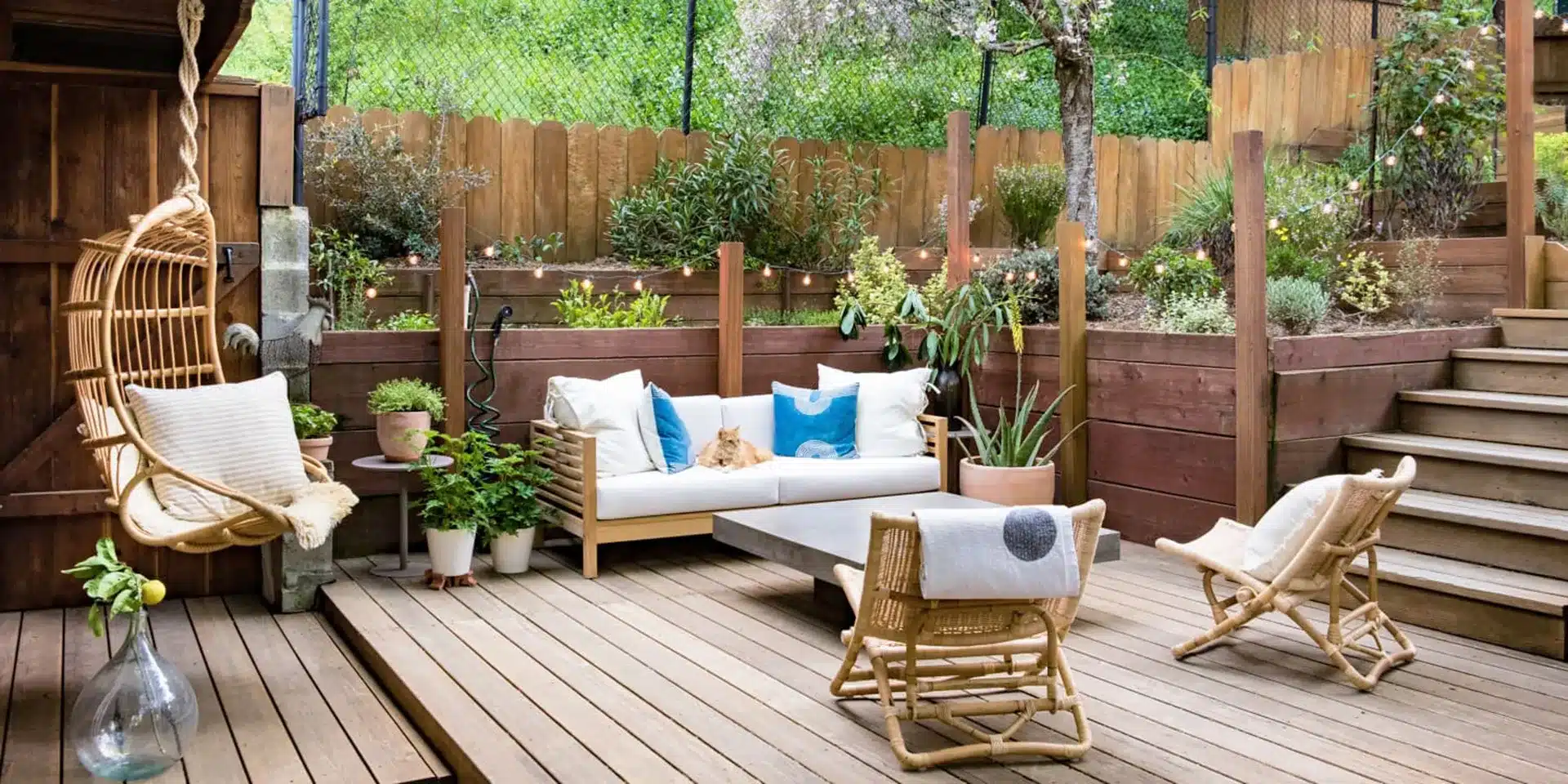
Credit: serwalloutdoor.com
Maximizing Small Spaces
Small outdoor spaces need smart furniture to feel open and useful. DIY garden furniture can help you use every inch well.
Building your own pieces lets you design exactly what fits your space and style. This guide shows easy ideas to save room.
Foldable Furniture Designs
Foldable furniture saves space by folding flat when not in use. You can store chairs and tables in small spots easily.
These designs are great for tiny patios or balconies. You can set them up quickly and fold them away after use.
- Foldable chairs that hang on walls
- Tables with folding legs
- Benches that fold into compact shapes
Vertical Seating Options
Using vertical space helps fit more seating in small gardens. Tall stools or benches with backs work well in narrow spots.
Stacking or hanging seats free up floor space. You can create cozy spots without crowding the garden floor.
- Wall-mounted fold-down seats
- Stackable stools or chairs
- Benches with storage underneath
Multi-functional Pieces
Furniture that serves more than one purpose is perfect for small gardens. A bench can also store tools or cushions.
Tables with shelves or seats with built-in planters add value without extra space. These pieces keep the garden neat and useful.
- Benches with hidden storage
- Tables with built-in shelves
- Seats that double as plant holders
Budget-friendly Solutions
Building your own garden furniture can save money and add charm. You do not need to spend a lot to create useful pieces.
Using simple ideas and everyday items helps keep costs low. Let’s look at some ways to make garden furniture on a budget.
Sourcing Free Materials
Look for free materials in your neighborhood or online. Pallets, old wood, and leftover building supplies often get discarded.
Check with local stores or recycling centers. They may offer scraps or wood pieces for free or very cheap.
- Ask at furniture stores for damaged pallets
- Visit construction sites for leftover wood
- Join local freecycle or community groups online
Upcycling Household Items
Use old furniture and items around the house to make garden pieces. Chairs, crates, and doors can become seats or tables.
Painting and fixing these items gives them new life and saves money on buying new furniture.
- Turn old crates into storage benches
- Refinish wooden chairs for outdoor use
- Use an old door as a tabletop
Cost-saving Techniques
Plan your project to avoid waste and extra costs. Measure twice and cut once to save materials.
Use simple designs that need fewer tools and parts. Reuse nails and screws from old furniture when possible.
- Buy materials in bulk for discounts
- Use water-based paint for easy cleanup
- Borrow or rent tools instead of buying
Frequently Asked Questions
What Tools Are Needed For Diy Garden Furniture?
To create DIY garden furniture, you'll need basic tools like a saw, drill, and screwdriver. Sandpaper, measuring tape, and clamps are also essential. For finishing, brushes and paint or wood stain are useful. Ensure safety by using gloves and protective eyewear.
These tools ensure a smooth and efficient building process.
How Can I Choose The Right Materials?
Select durable, weather-resistant materials like treated wood, metal, or recycled plastic. Consider your garden's climate and aesthetic. For a rustic look, reclaimed wood is a great choice. Ensure the materials complement your garden's style. Proper materials ensure longevity and enhance your garden's appeal.
Are There Easy Diy Garden Furniture Projects For Beginners?
Yes, start with simple projects like benches, stools, or pallet tables. These projects require minimal tools and skills. Online tutorials offer step-by-step guidance. Kits with pre-cut pieces are available for beginners. These projects build confidence and add functional beauty to your garden.
How Do I Maintain Diy Garden Furniture?
Regular cleaning with mild soap and water helps maintain your furniture. Apply a protective finish annually to prevent weather damage. Store furniture indoors or use covers during harsh weather. Regular inspections for damage extend the furniture's life. Proper maintenance ensures long-lasting beauty and functionality.
Conclusion
Creating your own garden furniture can bring joy and pride. It saves money and adds a personal touch to your outdoor space. You control the design, size, and materials. Small projects can be easy and fun to complete. Each piece tells your story and fits your style.
Start with simple plans and build your skills step by step. Enjoy the process and the comfort of your handmade furniture. Your garden will feel unique and welcoming. Give it a try and see the difference for yourself.