Choosing the right size for your TV stand can feel tricky. You want it to fit your TV perfectly, look great in your room, and hold all your accessories safely.
But how big should your TV stand really be? If it’s too small, your TV might look awkward or even be unstable. If it’s too big, it can take up too much space and throw off your room’s balance. You’ll discover simple, practical tips to find the perfect size for your TV stand.
Keep reading, and you’ll never have to worry about picking the wrong one again.

Credit: fitueyes.com
Choosing The Right Size
Choosing the right size for your TV stand is important for both style and safety. The right size helps your TV look balanced and fits your space well.
To find the best size, you need to think about your TV size, how far you sit from it, and your room space.
Measure Your Tv Dimensions
Start by measuring the width, height, and depth of your TV. You need these numbers to pick a stand that fits well.
The stand should be at least as wide as your TV. It should also support the TV’s weight safely.
- Measure the TV’s width from edge to edge
- Check the height to see how tall the stand should be
- Measure depth to ensure the stand can hold the TV securely
Consider Viewing Distance
Think about how far you sit from the TV. This affects the size of the stand you need.
If you sit close, a smaller stand works well. For longer distances, a bigger stand may look better.
- Close viewing: smaller stand fits the space
- Far viewing: bigger stand balances the room
- Match the stand height to your eye level when seated
Account For Room Size
Look at your room size before choosing a stand. The stand should fit without crowding the space.
Make sure there is space to walk around and other furniture fits well with the stand.
- Small rooms need compact stands
- Large rooms allow bigger, wider stands
- Leave space on each side for other items or decorations

Credit: rusticsocial.co.uk
Types Of Tv Stands
Choosing the right TV stand helps your room look neat and organized. It also supports your TV safely.
There are many types of TV stands. Each type fits different room shapes and styles.
Standard Stands
Standard stands are the most common type. They sit directly on the floor and hold TVs of many sizes.
These stands often have shelves or cabinets for storing devices and media.
- Easy to move and install
- Good storage space
- Wide range of styles and materials
Corner Stands
Corner stands fit nicely into room corners. They save space and make the room look open.
These stands often have angled shapes to fit TVs securely in corners.
- Use small or awkward spaces well
- Can hold small to medium TVs
- Often include shelves for extra storage
Floating Stands
Floating stands attach to the wall and keep the floor clear. They give a modern look to any room.
These stands do not have legs and can hold small to medium TVs safely.
- Save floor space
- Easy to clean under
- Look sleek and modern
Material And Style Options
Choosing the right material and style is important for your TV stand. It affects how your stand looks and lasts.
Consider the room's decor and your TV size when picking materials and designs.
Wooden Stands
Wooden TV stands offer warmth and a classic feel. They come in many types like oak, pine, and walnut.
Wood is strong and can hold heavy TVs. It often includes shelves and drawers for storage.
- Easy to match with other wooden furniture
- Available in many colors and finishes
- Can be carved or smooth for style
- Requires some care to avoid scratches
Metal And Glass Stands
Metal and glass stands give a sleek, modern look. They often use steel or aluminum frames with glass shelves.
These stands are lighter and can be easy to move. Glass shelves show off your devices and decor.
- Metal frames are strong but can get cold
- Glass can be tempered for safety
- Works well in modern or minimalist rooms
- Needs regular cleaning to stay clear
Modern Vs Traditional Designs
Modern TV stands focus on clean lines and simple shapes. They fit well in contemporary homes.
Traditional stands have more details like moldings and curves. They add charm to classic rooms.
- Modern styles use materials like metal, glass, and light wood
- Traditional styles favor rich wood tones and ornate details
- Modern designs often have open shelves
- Traditional designs usually include cabinets and drawers
Storage And Functionality
Choosing the right size for a TV stand depends on storage and how well it works in your space. A good TV stand holds your TV and other items neatly.
Think about what you want to keep on or inside the stand. This helps decide the size and style you need.
Shelves And Cabinets
Shelves and cabinets give space to store devices, games, and movies. Open shelves show items, while cabinets hide clutter.
Choose a stand with enough shelves or cabinets to hold all your stuff. This keeps your room tidy and organized.
- Shelves fit DVD players, consoles, and decor
- Cabinets hide wires, remotes, and games
- Adjustable shelves add flexibility
- Glass doors protect from dust
Cable Management
Cable management keeps cords neat and out of sight. It stops tangled wires and makes cleaning easier.
Look for stands with holes or clips to guide cables. This helps keep your TV area safe and tidy.
- Built-in holes let cables pass through
- Clips or hooks hold cords in place
- Back panels hide cables behind the stand
- Easy access to outlets and ports
Additional Features
Extra features add convenience and style to your TV stand. Think about what fits your needs best.
Some stands have wheels for moving, lighting for ambiance, or extra drawers for small items.
- Wheels make it easy to move the stand
- Built-in lighting adds a soft glow
- Drawers store remotes and cables
- Adjustable height or width options
Safety And Stability
Choosing the right size for your TV stand is important for safety and stability. A stand that is too small can cause accidents. A stable stand keeps your TV secure and prevents falls.
Understanding the weight capacity, anti-tip features, and proper installation helps you pick a safe TV stand. These factors protect your TV and your home.
Weight Capacity
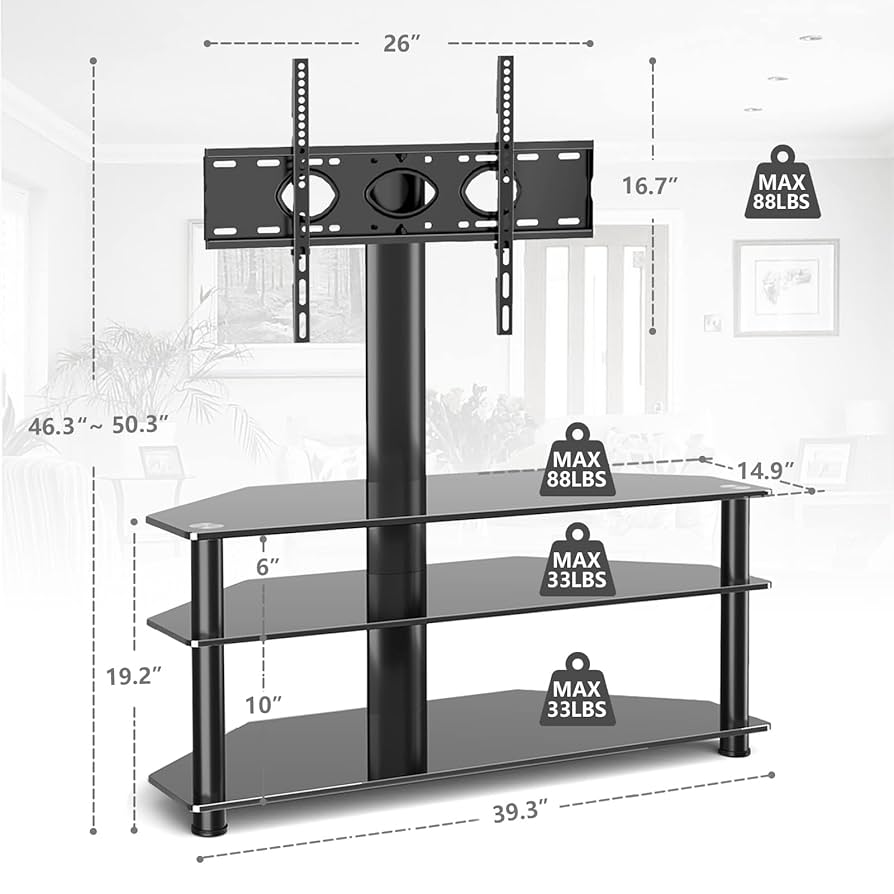
The TV stand must hold your TV’s weight safely. Check the stand’s weight limit before buying. A stand with low capacity can break or tip over.
Always choose a stand that supports more than your TV’s weight. This extra strength keeps the stand stable and safe.
- Know your TV’s weight from the manual or label
- Select a stand with a higher weight capacity than the TV
- Include space for any extra devices on the stand
Anti-tip Features
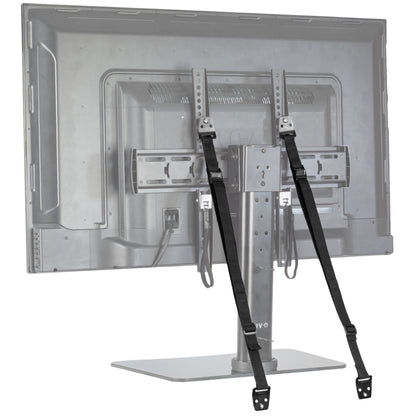
Anti-tip features stop the TV stand from falling forward. These features keep your TV safe, especially in homes with kids or pets.
Look for stands with built-in straps or brackets. These parts attach the stand to the wall for extra safety.
- Wall anchors or straps are common anti-tip devices
- Some stands have wider bases for better balance
- Use anti-tip kits if your stand does not include them
Proper Installation
Installing the TV stand properly adds to its stability. Follow the instructions carefully to avoid mistakes.
Make sure the stand is on a flat surface. Check that all screws and bolts are tight. This prevents wobbling and accidents.
- Place the stand on a level floor or carpet
- Tighten all fasteners securely
- Attach anti-tip straps to wall studs if possible
- Double-check the TV is centered on the stand
Credit: fitueyes.com
Budget Considerations
Choosing the right size for your TV stand depends on your budget. It is important to balance cost and quality.
Knowing what to expect in different price ranges helps you pick a good stand without overspending.
Price Ranges
TV stands come in many price ranges. Low-cost stands may use cheaper materials and smaller sizes.
Mid-range stands offer better durability and styles. High-end stands have premium materials and features.
- Budget: $50 to $150 – Basic sizes and materials
- Mid-range: $150 to $400 – Better quality and design
- High-end: $400 and up – Premium materials and custom sizes
Value Vs Cost
Cost is how much you pay. Value is what you get for that price. A cheap stand may not last long.
Look for stands that fit your TV well and last many years. This gives better value for your money.
- Check the material quality
- Make sure the size fits your TV and space
- Consider extra storage or features you need
Diy Options
Making your own TV stand can save money. You control the size and style to fit your space exactly.
DIY projects need tools and time. If you enjoy building, this can be a fun and cheap option.
- Use wood planks or pallets for a simple stand
- Find free plans online for different sizes
- Paint or stain to match your room decor
Frequently Asked Questions
What Size Tv Stand Do I Need?
The size of your TV stand should match your TV's width. Ideally, it should be wider than your TV. This ensures stability and additional space for other devices. Measure your TV and choose a stand that complements your room's decor.
Should Tv Stand Be Wider Than Tv?
Yes, a TV stand should generally be wider than the TV. This provides better support and balance. It also allows space for decorations or additional equipment. A wider stand enhances the visual appeal of your setup.
How Do I Choose The Right Tv Stand Height?
Choose a TV stand height based on your eye level when seated. The center of the TV screen should align with your eyes. This ensures comfortable viewing and reduces neck strain. Consider the height of your seating arrangement for the best experience.
Can A Tv Stand Be Too Big?
Yes, a TV stand can be too big for your space. It may overwhelm the room and look disproportionate. Ensure your TV stand complements your room's size and layout. A well-sized stand enhances the room's aesthetic and functionality.
Conclusion
Choosing the right TV stand size matters a lot. It helps your room look neat and balanced. Match the stand width with your TV for the best fit. Think about extra space for devices or decorations. A good size keeps your TV safe and stable.
Measure your room before buying to avoid mistakes. A well-sized stand makes watching TV more comfortable. Simple steps lead to a better setup and happy viewing.