Are you wondering if you really need a box spring with your bed frame? It’s a question that can save you money, space, and even improve your sleep quality.
Choosing the right setup for your bed isn’t just about comfort—it affects how long your mattress lasts and how good you feel every morning. Keep reading to discover the simple truth about box springs and bed frames, so you can make the best choice for your bedroom and wake up refreshed every day.
Role Of A Box Spring
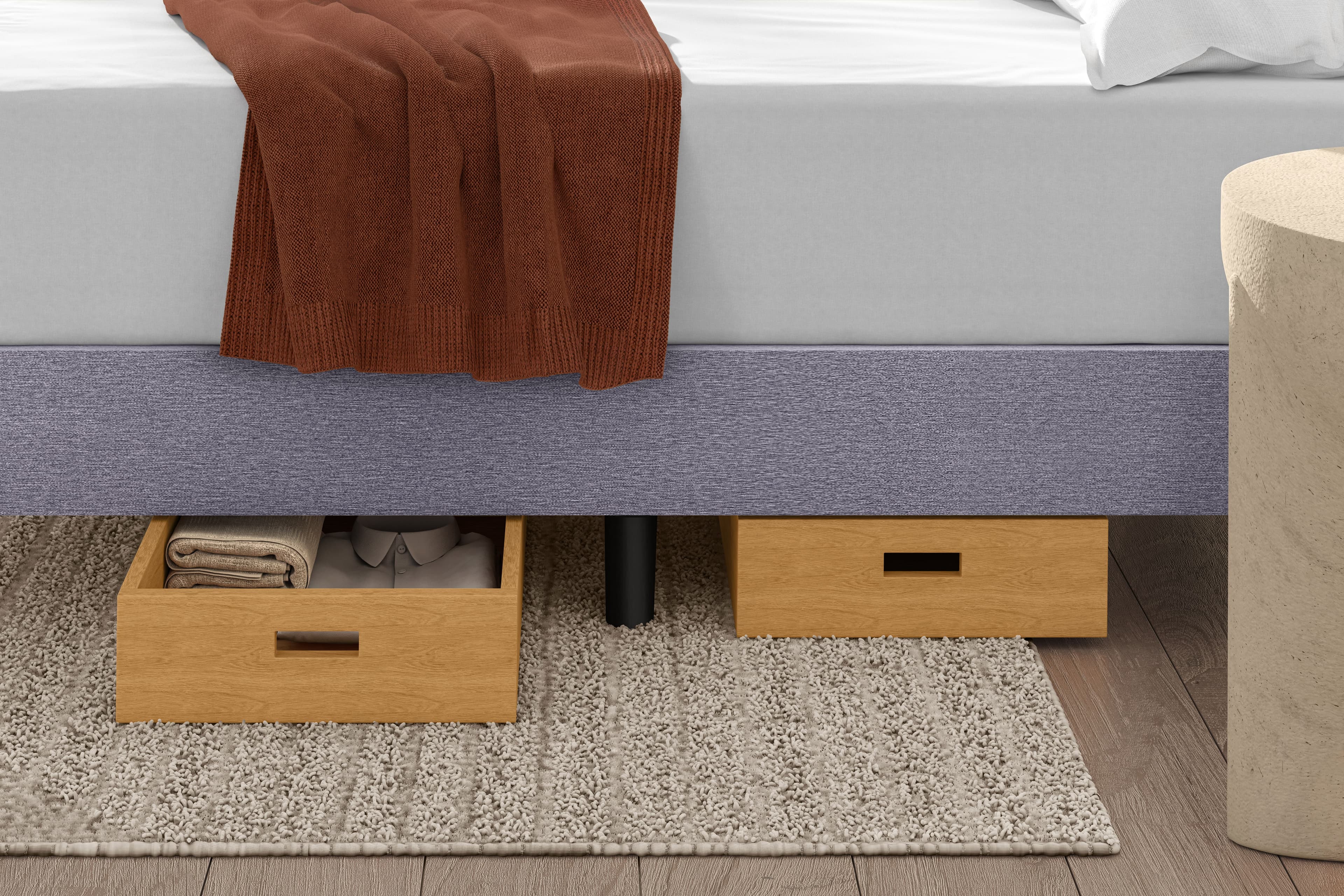
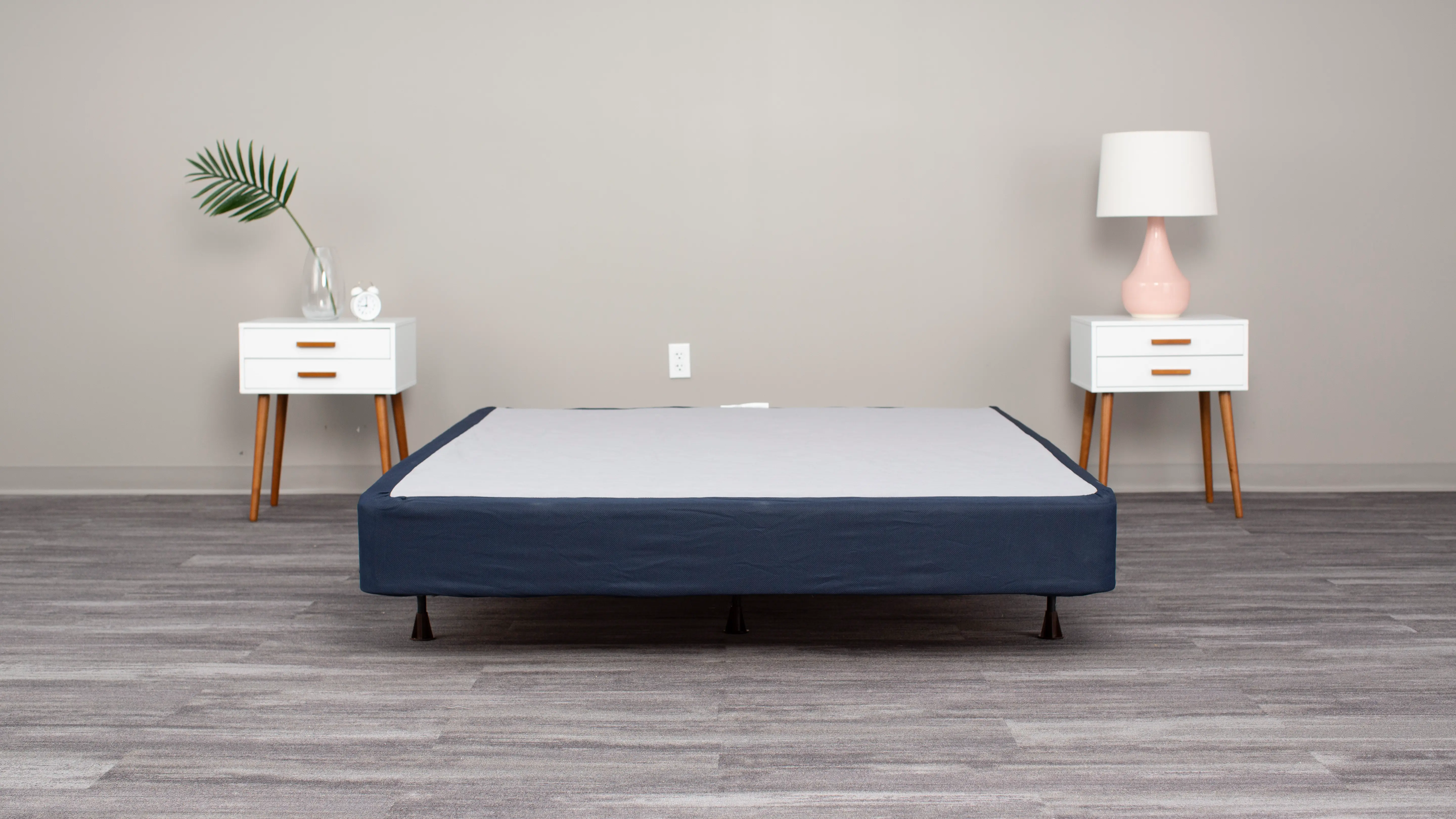
A box spring is a base that supports your mattress. It works with your bed frame to improve sleep quality.
Many people wonder if they need a box spring with a bed frame. Understanding its role helps you decide.
Support And Comfort
A box spring gives extra support under your mattress. It helps keep the mattress firm and stable.
This support improves comfort by making the mattress feel softer. It also helps your body rest better.
Extending Mattress Life
A box spring spreads weight evenly across the mattress. This stops certain areas from wearing out fast.
By reducing wear, the box spring helps your mattress last longer. This saves money over time.
Absorbing Shock
Box springs absorb movement and shocks from people moving on the bed. This protects the mattress structure.
Less shock means less damage to mattress springs or foam. It keeps the mattress comfortable for years.
Credit: www.leesa.com
Types Of Bed Frames
Choosing the right bed frame affects your mattress support and bedroom style. Bed frames come in different types. Each type works differently with or without a box spring.
Understanding bed frames helps you decide if you need a box spring with your frame. Here are common types of bed frames.
Platform Frames
Platform frames have a solid or slatted surface to hold the mattress. They usually do not require a box spring. The mattress sits directly on the frame.
This type of frame offers good support and is often lower to the ground. It suits modern and minimalist bedroom styles.
Metal Frames
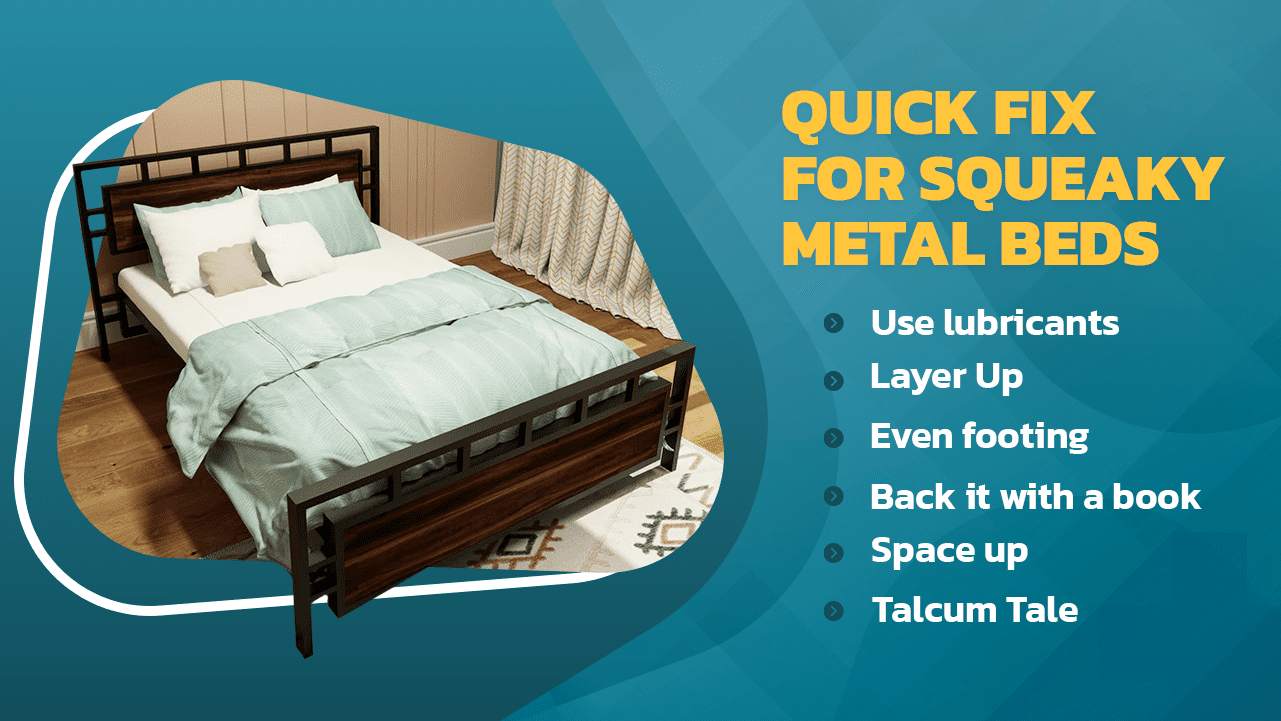
Metal frames are strong and lightweight. They often need a box spring to support the mattress properly. The box spring helps avoid mattress sagging.
These frames are easy to move and come in simple designs. They work well with most mattress types if used with a box spring.
Wooden Frames
Wooden frames add warmth and style to the bedroom. They can have slats or a solid platform. Slatted frames might need a box spring depending on the slat spacing.
Solid wooden platforms usually do not need a box spring. These frames are sturdy and come in many finishes to match decor.
Adjustable Frames
Adjustable frames let you change the mattress position for comfort. They do not need a box spring because the frame itself supports the mattress fully.
These frames work best with flexible mattresses like memory foam. They offer health benefits by allowing you to raise your head or feet.
When A Box Spring Is Necessary
Choosing the right support for your mattress is important. A box spring can add height and support to your bed setup.
Not all beds need a box spring. It depends on the mattress type, bed frame, and your comfort needs.
Compatibility With Mattress Types
Some mattresses work best with a box spring. Traditional innerspring mattresses often need one for good support.
Memory foam and latex mattresses usually do not need box springs. They need firm, flat surfaces instead.
- Innerspring mattresses: Often require box springs
- Memory foam mattresses: Use platform or slats
- Latex mattresses: Prefer solid, flat bases
- Hybrid mattresses: Check manufacturer guidelines
Frame Design Considerations
Bed frames differ in design and support type. Some frames include slats or solid platforms that replace box springs.
Frames with thin slats need a box spring for extra support. Solid platform frames do not need box springs.
- Slatted frames with gaps: Box spring recommended
- Solid platform frames: Box spring not needed
- Metal frames without platform: Often need box springs
Personal Comfort Preferences
Some people like the extra height and bounce a box spring adds. It can make getting in and out of bed easier.
If you prefer a firmer feel, skip the box spring. Your mattress will sit lower and feel more stable without it.
- Want more bounce and height: Use a box spring
- Prefer firm and low bed: No box spring needed
- Consider your mobility and style preferences
When To Skip The Box Spring
A box spring is a common part of many bed setups. It supports the mattress and adds height. But not everyone needs one. Some bed frames and mattresses work fine without a box spring.
Skipping the box spring can save money and space. It can also change the look and feel of your bed. Here are some cases when you can skip the box spring.
Using Platform Bed Frames
Platform bed frames have a solid or slatted surface to hold the mattress. They do not need a box spring for support. The mattress sits directly on the frame.
Platform beds are strong and stable. They keep your mattress flat and prevent sagging. This design makes box springs unnecessary.
Memory Foam And Latex Mattresses
Memory foam and latex mattresses are flexible and need firm support. Box springs can cause these mattresses to wear out faster. A flat, solid base works better.
Using a platform bed or a foundation made for foam mattresses helps keep their shape. This support type improves comfort and mattress life.
Space And Budget Factors
Box springs add height and cost to your bed setup. If you have limited space, skipping the box spring can lower the bed.
Leaving out the box spring saves money. It also makes moving the bed easier. This helps if you change homes often or want a simple bed design.
Alternatives To Box Springs
Box springs are common support for mattresses. Some people want other options instead. There are several alternatives that work well with bed frames.
These alternatives can offer good mattress support. They may save space or add comfort. Here are popular choices to consider.
Slatted Bed Bases
Slatted bed bases use wooden or metal slats. These slats run across the bed frame. They support the mattress evenly.
Slats allow air to flow under the mattress. This helps keep the mattress fresh and dry. They come in different widths and spacing.
- Good ventilation for mattress
- Strong and flexible support
- Easy to install and replace
- Works with many mattress types
Bunkie Boards
Bunkie boards are thin, flat boards placed under mattresses. They offer firm, solid support without height.
These boards are useful if you want a low profile bed. They fit well inside most bed frames. Bunkie boards stop mattress sagging.
- Thin and sturdy support
- Low height under mattress
- Prevents mattress sagging
- Works with platform beds
Adjustable Bases
Adjustable bases let you change the bed’s position. You can raise the head or feet for comfort. They replace both bed frame and box spring.
These bases fit many mattresses, especially memory foam and latex. They add health benefits like better circulation and less back pain.
- Adjusts head and foot positions
- Enhances sleeping comfort
- Compatible with many mattress types
- Eliminates need for box springs

Credit: www.blissfulnights.com
Impact On Mattress Warranty
Using the right support for your mattress is important. It can affect your mattress warranty.
Some mattresses need a box spring with a bed frame. Others do not. Knowing this helps keep your warranty valid.
Manufacturer Requirements
Manufacturers set rules about mattress support. These rules protect the mattress from damage.
Many mattress companies require a box spring or a specific foundation. This support helps the mattress hold its shape.
- Check if a box spring is needed for your mattress type.
- Use only approved bed frames or foundations.
- Follow manufacturer instructions carefully.
Avoiding Warranty Voids
Using the wrong base can void your mattress warranty. This means repairs or replacements may not be covered.
Always use a bed frame and box spring that meet the mattress maker’s rules. This helps avoid problems later.
- Do not place the mattress directly on the floor unless allowed.
- Use a sturdy, flat surface to support the mattress.
- Keep all receipts and warranty papers for proof.
Cost And Practicality
Choosing whether to use a box spring with a bed frame affects both cost and practicality. It is important to understand the benefits and drawbacks before making a decision.
This guide explains the initial costs, long-term benefits, and ease of moving and setup for beds with or without box springs.
Initial Investment
Box springs add extra cost to your bed setup. You pay for the frame and the box spring separately.
Bed frames alone usually cost less than a frame and box spring combined. But a box spring can protect your mattress, possibly saving money later.
- Box spring price varies by size and brand
- Buying only a bed frame costs less upfront
- Combined purchase may cost more at first
Long-term Benefits
A box spring can increase mattress life by providing extra support. This reduces mattress wear and sagging over time.
Some bed frames work well without a box spring. These frames often have built-in support that helps the mattress last longer.
- Box springs absorb shocks and protect mattress
- Better mattress support can delay replacement
- Bed frames with slats may not need box springs
Ease Of Moving And Setup
Box springs add weight and size to your bed setup. This can make moving and setting up the bed harder.
Using only a bed frame makes the bed lighter and easier to handle. It is simpler to move, especially in tight spaces.
- Box springs increase bulk and weight
- Bed frames alone are lighter and smaller
- Less effort needed when moving or rearranging
Tips For Choosing The Right Setup
Choosing the right bed setup can improve your sleep quality. One common question is whether you need a box spring with your bed frame.
This guide helps you decide by looking at mattress type, bed frame, and your sleep needs.
Assessing Mattress Type
Different mattresses need different support. Some mattresses work well with box springs. Others do not.
Memory foam and latex mattresses usually need a solid, flat surface. Innerspring mattresses often need a box spring for extra support.
- Memory foam: Use platform or solid base, no box spring needed
- Latex: Similar to memory foam, solid support is best
- Innerspring: Box spring adds extra support and height
- Hybrid: Check manufacturer advice, some need box springs
Evaluating Bed Frame Structure
Bed frames come in many styles. Some frames have slats, others are flat platforms.
If your frame has closely spaced slats or a flat surface, you may not need a box spring. If slats are far apart, a box spring can protect your mattress.
- Platform frames: Usually do not need box springs
- Frames with wide slats: Consider a box spring for support
- Metal frames without slats: Box spring often required
- Adjustable frames: Box springs usually not compatible
Personal Sleep Needs
Your comfort and sleep style affect your setup choice. Some people prefer higher beds, others want firm support.
Box springs add height and can make getting in and out of bed easier. They may also improve mattress life by adding shock absorption.
- Need higher bed? Box spring adds height
- Prefer firmer base? Check mattress and frame first
- Want longer mattress life? Box spring may help
- Like adjustable bed? Skip box spring
Credit: www.bigfigmattress.com
Frequently Asked Questions
Do All Bed Frames Need A Box Spring?
Not all bed frames require a box spring. Platform beds usually do not need one. Traditional frames often do. It depends on the frame design and mattress type.
Can A Mattress Work Without A Box Spring?
Yes, many mattresses work well without box springs. Memory foam and latex mattresses often need solid support. Check your mattress warranty for specific support requirements.
Does A Box Spring Improve Mattress Comfort?
A box spring can add slight cushioning and support. It helps absorb shock and extend mattress life. However, comfort also depends on mattress quality and personal preference.
Will A Box Spring Increase Bed Height?
Yes, box springs add height to your bed setup. They typically add 7 to 9 inches. This can make getting in and out of bed easier for some.
Conclusion
Choosing the right bed setup is important. A box spring can offer support and comfort. But not all beds need one. Consider your mattress type and personal comfort needs. Platform beds, for example, often don't require a box spring. Check your bed frame instructions.
They might suggest the best option. Think about your budget too. Box springs can add to the cost. Comfort should guide your decision. Try different setups. Find what feels best for you. Good sleep matters most. Make sure your choice enhances it.