You’ve invested in a memory foam mattress for the perfect night’s sleep. But have you ever wondered what you should put underneath it?
The right base can make all the difference in comfort, support, and mattress life. Choosing the wrong foundation might leave you tossing and turning or even damage your mattress over time. You’ll discover exactly what works best under your memory foam mattress to keep you sleeping soundly and protect your investment for years to come.
Keep reading—you won’t want to miss these simple but powerful tips!

Credit: www.amazon.ca
Choosing The Right Base
Picking the right base for your memory foam mattress helps it last longer. The base supports the mattress and keeps it comfortable.
Different bases work well with memory foam. You should know the options and what fits your needs best.
Platform Beds
Platform beds have a solid flat surface. They give strong support for your mattress without needing a box spring.
This base helps keep the mattress firm and even. It is simple and often lower to the ground.
- Strong and stable support
- No need for extra foundation
- Good for memory foam mattresses
Box Springs
Box springs are common mattress bases with springs inside. They offer some bounce and absorb shock.
Memory foam mattresses do not always need a box spring. Using one may affect mattress feel and support.
- Provides extra height to bed
- May reduce mattress lifespan if not made for foam
- Check mattress warranty rules before use
Adjustable Bases
Adjustable bases let you change the mattress position. You can raise or lower the head and feet areas.
Memory foam adapts well to adjustable bases. They add comfort and help with health issues like back pain.
- Customizes bed angles
- Works well with memory foam
- May improve sleep quality
Slatted Frames
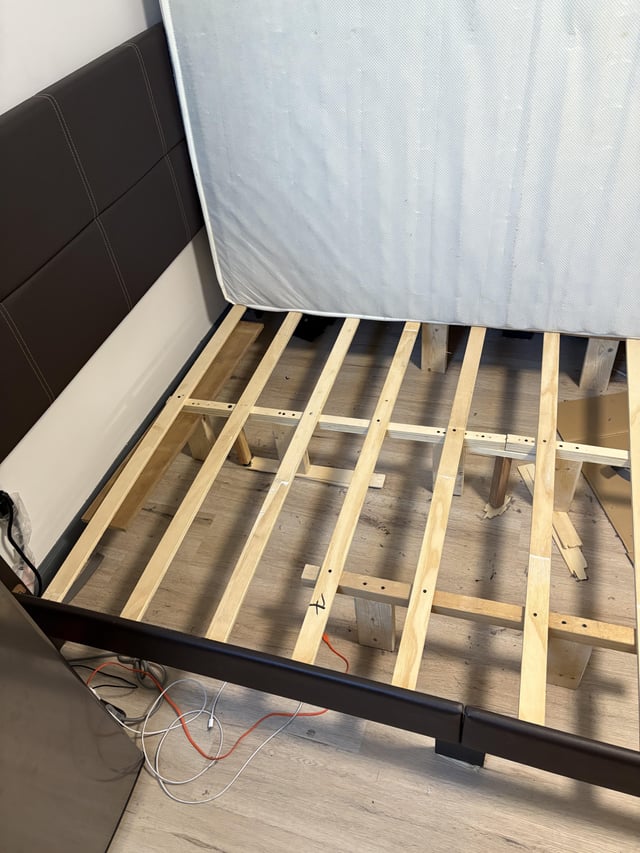
Slatted frames have wooden or metal slats spaced apart. They allow air to flow under the mattress.
For memory foam, slats should be close together. Wide gaps can damage the mattress or reduce support.
- Supports mattress evenly
- Allows mattress to breathe
- Slats should be no more than 3 inches apart
Benefits Of Proper Support
Placing a memory foam mattress on the right base is very important. Proper support helps the mattress perform well.
Good support improves comfort and keeps the mattress in good shape for many years.
Extending Mattress Life
Proper support spreads your weight evenly. This stops the mattress from wearing out too fast.
A strong base can prevent damage to the foam layers inside the mattress.
- Protects foam from breaking down
- Keeps mattress shape stable
- Reduces early mattress damage
Enhancing Comfort
The right support helps the mattress keep its softness and pressure relief.
This makes your sleep more restful and pain-free.
- Maintains mattress softness
- Supports body shape correctly
- Improves sleep quality
Preventing Sagging
Memory foam can sag if not supported well. Proper support stops this from happening.
Sagging can cause discomfort and reduce mattress life.
- Stops mattress sinking
- Keeps surface even
- Protects foam layers from damage
Ideal Slat Spacing
Memory foam mattresses need proper support to last longer. The space between slats under the mattress matters a lot.
Choosing the right slat spacing helps keep the mattress firm and comfortable.
Recommended Distance
The best distance between slats is usually 3 inches or less. This keeps the mattress well supported.
Some experts suggest spacing no wider than 2.75 inches to avoid mattress sagging.
- 3 inches maximum gap is ideal
- Less than 3 inches gives better support
- More support means longer mattress life
Impact Of Wide Gaps
Wide gaps between slats can cause your mattress to bend too much. This may lead to damage over time.
Wide spacing can also reduce comfort and cause uneven wear on the foam.
- Mattress may sag between slats
- Foam can lose shape quickly
- Comfort and support decrease
Material Considerations
Slats are usually made of wood or metal. Each material affects mattress support differently.
Wood slats must be sturdy and smooth. Metal slats should be strong and not bend under weight.
- Wood slats offer natural firmness
- Metal slats provide strong support
- Check for durability and even spacing
Using Plywood For Extra Support
Memory foam mattresses need a strong base to keep their shape. Plywood is a good choice to give extra support. It helps the mattress last longer and feel firm.
Placing plywood under your mattress can stop sagging. It also spreads weight evenly for better comfort.
Choosing The Right Thickness
Pick plywood that is thick enough to hold weight without bending. Thin plywood can break or warp over time.
Most people use plywood that is 3/4 inch thick. This size offers good support for most mattresses.
- 1/2 inch is too thin and may crack
- 3/4 inch is strong and stable
- 1 inch or thicker is extra sturdy but heavier
Placement Tips
Put the plywood flat on your bed frame. Make sure it covers the entire mattress bottom for even support.
Check that the plywood has no sharp edges. Sand the edges if needed to protect the mattress cover.
- Place plywood directly on slats or bed base
- Use screws or brackets if plywood moves
- Keep the area clean and dry to avoid mold
Pros And Cons
Plywood support has clear benefits but also some downsides. Think about both before using it under your mattress.
- Pros:Adds strong support, stops sagging, spreads weight evenly
- Cons:Adds weight, may reduce airflow, needs sanding to avoid damage
Avoiding Common Mistakes
Choosing what to put under a memory foam mattress is very important. The right base keeps the mattress comfortable and lasting longer.
Many people make simple mistakes that harm their mattress. Learn what to avoid to keep your bed in good shape.
Unsuitable Foundations
Not every foundation works well with a memory foam mattress. Solid bases without proper support can cause damage.
Box springs made for innerspring mattresses do not suit memory foam beds. They can make the mattress sag or lose shape.
- Wood slats should be close together, no more than 3 inches apart
- Flat, firm platforms offer good support
- Old or broken foundations can harm the mattress
- Avoid wire grids or very soft surfaces
Ignoring Manufacturer Guidelines
Each mattress brand has specific rules about what base to use. Ignoring these can void your warranty.
Read the instructions that come with your mattress. Follow them closely to protect your investment and comfort.
- Check mattress warranty for foundation requirements
- Use only recommended bed frames or platforms
- Contact customer service if unsure about your base
Poor Maintenance Practices
Not maintaining the base and mattress can reduce their lifespan. Dirt, moisture, and uneven support cause damage.
Clean and check your foundation often. Fix any broken parts and keep the area dry to avoid mold and mildew.
- Vacuum foundation and mattress surface regularly
- Wipe down wooden slats or platform with a dry cloth
- Inspect for cracks, warps, or loose screws
- Rotate mattress every few months for even wear

Credit: www.amazon.ca
Special Cases And Considerations
Choosing what to put under a memory foam mattress can affect comfort and mattress life. Some factors need special attention.
Understanding these cases helps protect your mattress and improve sleep quality.
Sleeping Positions And Support Needs
Different sleeping positions need different mattress support. Side sleepers may want softer bases to reduce pressure.
Back and stomach sleepers need firmer support to keep the spine aligned. The base should match these needs.
- Side sleepers: softer foundation or slatted base with close slats
- Back sleepers: firm, flat base for support
- Stomach sleepers: very firm base to avoid sinking
Humidity And Climate Effects
Humidity and climate affect memory foam and the base material. High moisture can cause mold or damage.
Use breathable bases in humid areas. Avoid solid platforms that trap moisture under the mattress.
- In humid climates, use slatted or mesh bases for airflow
- Avoid solid, non-ventilated foundations to prevent mold
- Use a moisture barrier if needed to protect the mattress
Weight And Mattress Support
Heavier sleepers need stronger support under the mattress to avoid sagging. Lightweight sleepers have more options.
Choose a base that can hold the weight without bending or breaking. This keeps the mattress firm and comfortable.
- Heavy sleepers: sturdy foundations like solid wood or metal frames
- Light sleepers: slatted bases or adjustable frames work well
- Check base weight limits before buying

Credit: www.amazon.ca
Frequently Asked Questions
What Is The Best Base For A Memory Foam Mattress?
A solid platform bed or a slatted base with narrow gaps is ideal. These provide consistent support, preventing sagging. Avoid box springs as they can reduce the mattress's lifespan. Proper support ensures longevity and comfort for your memory foam mattress.
Always check manufacturer recommendations for optimal support.
Can I Put A Memory Foam Mattress On The Floor?
Yes, you can place it on the floor temporarily. However, ensure the area is clean and dry to prevent mold. Long-term use on the floor may affect mattress breathability and support. Elevating it eventually is recommended for better hygiene and durability.
Does A Memory Foam Mattress Need A Box Spring?
Memory foam mattresses do not require a box spring. Instead, they need a sturdy, supportive base. Box springs can lead to premature sagging and wear. Opt for a platform bed or slatted foundation to maximize mattress performance and lifespan. Always follow the manufacturer's guidelines for best results.
Can Slats Support A Memory Foam Mattress?
Yes, slats can support a memory foam mattress effectively. Ensure the slats are no more than 3 inches apart. This arrangement provides adequate support and ventilation. A good slatted base helps maintain mattress integrity and comfort, enhancing sleep quality. Check with the mattress manufacturer for specific recommendations.
Conclusion
Choosing the right support under a memory foam mattress matters a lot. A solid, flat surface helps the mattress last longer. Avoid surfaces that bend or sag. Plywood or a sturdy platform works well. Box springs may not be the best choice.
Proper support keeps your mattress comfortable and firm. It also helps with proper airflow and hygiene. Take time to pick the right base for better sleep. Your body will thank you every morning. Simple steps lead to a better night’s rest.