Are you wondering what to put under your memory foam mattress for the best support and comfort? Choosing the right base can make a huge difference in how your mattress feels and how long it lasts.
The wrong foundation might cause sagging or reduce the mattress’s ability to contour to your body. You’ll discover the best options to place under your memory foam mattress, so you can sleep better and protect your investment. Keep reading to find out exactly what works—and what doesn’t—under your mattress.
Credit: ca.style.yahoo.com
Choosing The Right Base
Picking the right base for your memory foam mattress is very important. The base affects the mattress support and lifespan.
A good base keeps the mattress flat and helps air flow. This keeps the mattress comfortable and clean.
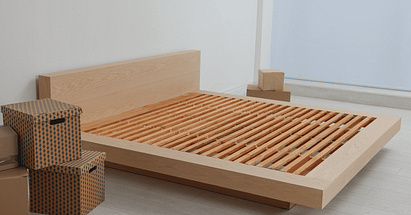
Platform Beds
Platform beds have a solid or slatted surface to hold the mattress. They often do not need a box spring.
These beds offer strong support and keep the mattress firm. They also allow some air to move under the mattress.
- Provide stable, flat support
- Good air circulation if slatted
- Usually no extra box spring needed
Box Springs
Box springs have a wooden frame with springs inside. They add extra bounce and height to the mattress.
For memory foam, box springs must be sturdy and flat. Not all box springs work well with foam mattresses.
- Use a strong, flat box spring
- Check for even support surface
- Helps raise mattress height
Slatted Bed Frames
Slatted bed frames have wooden or metal slats spaced evenly. They support the mattress and allow air flow.
Slats should be close together, no more than 3 inches apart. Wide gaps can cause mattress sagging.
- Slats no more than 3 inches apart
- Provide good ventilation
- Support mattress evenly

Credit: www.amazon.ca
Floor Placement Tips
Placing a memory foam mattress on the floor needs care. The right base helps keep it clean and comfortable.
This guide shares tips to protect your mattress and improve your sleeping space.
Using Plywood Sheets
Put plywood sheets under your mattress for a flat surface. It stops the mattress from sagging on the floor.
Plywood also protects the mattress from dirt and moisture coming from the floor.
- Choose smooth plywood without splinters
- Cut the sheets to mattress size
- Place them evenly for full support
Adding Area Rugs
Area rugs under your mattress add extra comfort and warmth. Rugs also protect the mattress from dust and cold floors.
Pick rugs with low pile to avoid uneven support.
- Clean the rug regularly to reduce dust
- Use non-slip pads to keep it in place
- Choose durable materials for long use
Ensuring Proper Ventilation
Memory foam needs air to stay fresh and dry. Good airflow prevents mold and bad smells.
Raise the mattress slightly or leave space around it to let air move freely.
- Use slatted platforms or risers if possible
- Avoid placing mattress directly on damp floors
- Air out the mattress regularly by lifting it
Mattress Protectors And Pads
Choosing what to put under your memory foam mattress is important. Mattress protectors and pads help keep the mattress clean and comfortable.
They add a layer of protection and can improve how your mattress feels every night.
Benefits Of Mattress Protectors
Mattress protectors guard your mattress against spills and stains. They stop liquids from soaking into the foam.
They also protect against dust mites and allergens. This keeps your sleeping area healthier and cleaner.
- Prevents stains and spills
- Blocks dust mites and allergens
- Keeps mattress fresh longer
- Easier to clean than the mattress
- Protects warranty by avoiding damage
Memory Foam Mattress Pads
Memory foam mattress pads add softness and support to your mattress. They can improve comfort without changing the mattress.
These pads also help protect the mattress from wear and tear. They are easy to remove and clean.
- Add comfort and cushioning
- Protect mattress surface
- Easy to clean and maintain
- Extend mattress lifespan
- Help regulate temperature

Credit: www.amazon.ca
Avoiding Common Mistakes
Choosing the right surface under your memory foam mattress helps it last longer. Some common mistakes can damage the mattress or reduce comfort.
Knowing what to avoid protects your mattress and improves your sleep quality. This guide covers key issues to watch out for.
Unsupported Surfaces
Memory foam mattresses need a strong, flat base. Unsupported surfaces cause the mattress to sag or lose shape.
Common unsupported surfaces include slats that are too far apart or soft floors like thick carpet alone.
- Use a solid platform or closely spaced slats (less than 3 inches apart)
- Avoid placing the mattress directly on the floor without support
- Check your bed frame for any broken or weak parts
Moisture And Mold Risks
Memory foam absorbs moisture easily. This can lead to mold growth if the mattress sits on a damp surface.
To prevent moisture buildup, avoid non-breathable bases and keep the area well-ventilated.
- Do not place the mattress on concrete or cold floors without a moisture barrier
- Use a breathable foundation like a wooden slatted frame
- Allow air to flow under the mattress to keep it dry
- Check regularly for damp spots or musty smells
Enhancing Mattress Longevity
Choosing what to put under a memory foam mattress helps it last longer. A good base supports the mattress well.
Proper care also keeps the mattress clean and in shape. This stops damage and improves comfort.
Rotating And Flipping
Rotate your mattress every three months. This spreads out wear evenly across the mattress surface.
Some memory foam mattresses can be flipped. Check your mattress type before flipping it.
- Rotate mattress 180 degrees to balance pressure
- Flip mattress if the design allows
- Use a sturdy, flat base underneath
Regular Cleaning
Keep the area under the mattress clean. Dust and dirt can damage the foam over time.
Use a mattress protector to stop stains. Clean the base and bed frame often to avoid mold and bugs.
- Vacuum under the mattress monthly
- Wipe down solid bases with a damp cloth
- Use a mattress protector for extra safety
Frequently Asked Questions
What Is The Best Base For A Memory Foam Mattress?
The best base for a memory foam mattress is a solid platform bed. A slatted base with slats no more than 3 inches apart also works. These options provide the necessary support and ventilation. Avoid using box springs as they can cause the mattress to sag.
Can You Put Memory Foam On The Floor?
Yes, you can put a memory foam mattress on the floor. However, it's not recommended for long-term use. The floor may not provide proper support and can hinder ventilation. This can lead to mold and mildew growth. Use a breathable mattress protector if placed on the floor.
Do I Need A Box Spring For Memory Foam?
No, a box spring is not needed for a memory foam mattress. Memory foam requires a flat, stable surface for support. Box springs can make the mattress sag over time. A solid platform bed or a slatted base is ideal for memory foam mattresses.
Is Plywood A Good Base For Memory Foam?
Plywood can be used as a base for memory foam mattresses. It provides a flat and stable surface. However, it lacks ventilation, which can trap moisture. For better airflow, consider a platform bed or a slatted base. Ensure the plywood is smooth to avoid damaging the mattress.
Conclusion
Choosing the right base under your memory foam mattress matters a lot. A solid, flat surface helps the mattress last longer. It also keeps you comfortable through the night. Avoid placing the mattress directly on the floor to prevent moisture issues.
Slatted bed frames work well if the slats are close together. Plywood or a sturdy platform can also support your mattress properly. Remember, good support means better sleep and mattress care. Take time to pick the best foundation for your memory foam mattress.
Your body will thank you.