

Mold on your furniture is more than just an eyesore—it can damage your favorite pieces and even affect your health. If you’ve spotted those stubborn spots creeping onto your couch, table, or chairs, you’re probably wondering how to get rid of them safely and effectively.
You’ll discover simple steps and trusted tips to clean mold off your furniture without causing harm. Keep reading to protect your home and bring your furniture back to life.
Credit: www.angi.com
Identifying Mold On Furniture
Mold can grow on many types of furniture. It often appears in damp or humid areas. Identifying mold early helps protect your furniture and health.
This guide explains how to spot mold on your furniture. You will learn the common signs and types of mold on different materials.
Common Signs Of Mold
Mold usually looks like spots or patches. The color can be black, green, white, or gray. It may have a fuzzy or slimy texture.
You may notice a musty or damp smell near moldy furniture. Mold can cause stains that do not come off with cleaning.
- Discolored spots on the surface
- Fuzzy or slimy patches
- Musty, earthy odors
- Stains that resist cleaning
- Peeling or cracking finishes
Types Of Mold On Different Materials
Mold grows differently on wood, fabric, and leather. Each material shows distinct mold types and damage.
| Material | Common Mold Types | Signs |
| Wood | Black mold, white mold | Dark spots, soft or rotting wood |
| Fabric | Green mold, mildew | Discoloration, musty smell, fuzziness |
| Leather | White mold, black mold | White powdery spots, dark stains |
Knowing these mold types helps you choose the right cleaning method. Always check hidden areas like under cushions or behind furniture.

Credit: www.thisoldhouse.com
Safety Precautions Before Cleaning
Mold on furniture can harm your health. Cleaning it needs care and safety.
Before you clean, take steps to protect yourself and your home.
Protective Gear To Wear
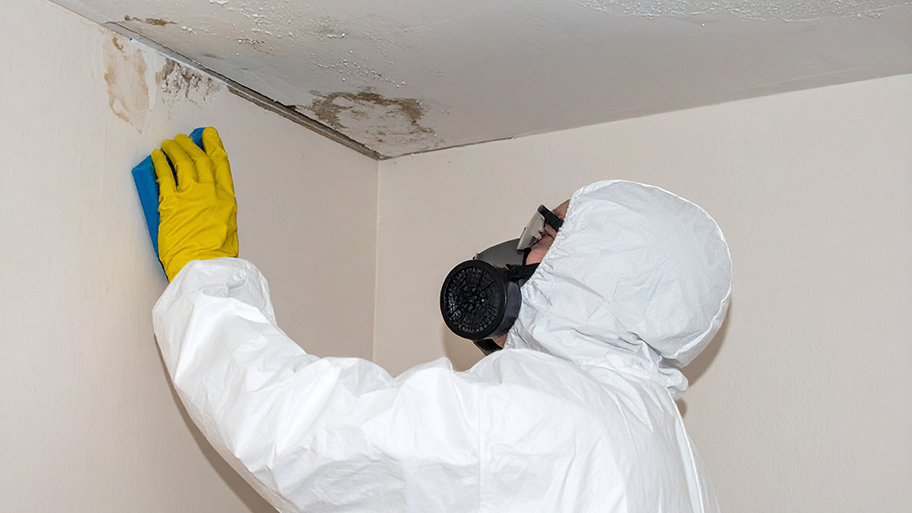
Wear protective gear to keep mold spores away from your skin and lungs.
Important items include gloves, masks, and eye protection.
- Use rubber or latex gloves to protect your hands.
- Wear an N95 mask to avoid breathing mold spores.
- Use safety goggles to protect your eyes.
- Wear old clothes that cover your arms and legs.
Ventilating The Area
Good airflow helps remove mold spores from the air while cleaning.
Open windows and use fans to keep fresh air moving.
- Open all windows and doors in the room.
- Place fans near windows to push air outside.
- Avoid using central air during cleaning to stop spreading spores.
Cleaning Solutions For Mold Removal
Mold on furniture can damage wood and fabric. It can also cause health problems. Cleaning mold quickly is important to keep your home safe.
There are different cleaning solutions to remove mold. You can use natural remedies or commercial cleaners. Each option works well for different needs.
Natural Remedies
Natural remedies use common household items to clean mold. They are safe and eco-friendly. These solutions work well on light mold stains.
White vinegar and baking soda are two popular natural cleaners. Vinegar kills mold spores, and baking soda removes odor and dirt.
- Spray white vinegar on the moldy area and let it sit for one hour.
- Use a brush to scrub the mold gently.
- Mix baking soda with water to form a paste.
- Apply the paste to the mold and scrub again.
- Wipe the area with a clean, damp cloth.
- Let the furniture dry completely in fresh air.
Commercial Cleaners
Commercial cleaners are made to kill mold quickly. They are stronger than natural remedies. Use them for tough mold or large areas.
Look for cleaners labeled as mold removers or mildew cleaners. Follow the instructions on the label carefully to avoid damage.
- Wear gloves and a mask to protect yourself.
- Spray the cleaner on the moldy surface.
- Let it sit for the time the label says.
- Scrub the area with a soft brush or cloth.
- Rinse with water if needed and dry well.
Credit: www.clorox.com
Step-by-step Mold Removal Process
Mold can damage your furniture and cause health issues. Cleaning mold properly keeps your home safe.
This guide shows you how to remove mold from furniture in simple steps.
Preparing The Furniture
Start by moving the furniture outside or to a well-ventilated area. This stops mold spores from spreading indoors.
Wear gloves, a mask, and old clothes to protect yourself from mold exposure.
- Move furniture outdoors or to fresh air
- Wear gloves and a mask
- Remove cushions or covers if possible
- Vacuum the surface with a HEPA filter vacuum
Applying The Cleaning Solution
Use a cleaning solution that kills mold. Mix equal parts water and white vinegar or use a commercial mold cleaner.
Test the solution on a small hidden spot first to avoid damage.
- Mix water and white vinegar 1:1
- Or use a store-bought mold cleaner
- Test on hidden furniture area
- Apply solution with a spray bottle or cloth
Scrubbing And Wiping
Use a soft brush or cloth to scrub the moldy areas gently. Avoid hard scrubbing to protect the furniture surface.
Wipe the area with a clean damp cloth to remove mold and cleaning residue.
- Gently scrub mold spots with soft brush
- Wipe with clean damp cloth
- Repeat if mold remains
- Dispose of used cloths safely
Drying And Preventing Recurrence
Dry the furniture completely using sunlight or a fan. Mold grows in moist places, so keep it dry.
To prevent mold, keep furniture away from damp areas and clean it regularly.
- Dry furniture in sun or air flow
- Keep furniture away from moisture
- Use dehumidifiers in damp rooms
- Clean furniture often to spot mold early
Special Care For Different Furniture Types
Mold can grow on many furniture types. Each type needs special cleaning care. Using the wrong method can damage your furniture.
Learn how to clean mold safely from wood, upholstered, metal, and plastic furniture. Proper care keeps your furniture fresh and lasting longer.
Wood Furniture
Wood furniture can absorb moisture, making mold a problem. Avoid soaking wood to stop damage. Use gentle cleaners to protect the finish.
Start by wiping mold with a dry cloth. Use a mixture of water and mild soap to clean. Dry wood quickly after cleaning to prevent mold return.
- Use a soft cloth for wiping
- Mix mild soap with water
- Do not soak wood surfaces
- Dry immediately with a clean towel
- Use fans or open windows for faster drying
Upholstered Furniture
Mold on fabric needs careful cleaning. Avoid rubbing hard to stop fabric damage. Use a vacuum with a brush attachment to remove loose mold first.
Spot clean with a mix of water and vinegar or a fabric-safe cleaner. Test the cleaner on a hidden spot first. Let the fabric dry fully in sunlight if possible.
- Vacuum mold spores gently
- Use water and vinegar for spot cleaning
- Test cleaner on hidden fabric areas
- Air dry upholstery in sunlight
- Avoid soaking fabric to prevent damage
Metal And Plastic Furniture
Metal and plastic furniture handles mold well. Use stronger cleaners without fear of damage. Wipe surfaces with a mix of water and bleach for tough mold.
Rinse well after cleaning to remove any chemical residue. Dry with a cloth to avoid water spots or rust on metal parts.
- Use water and bleach solution for cleaning
- Wear gloves to protect skin
- Rinse surfaces thoroughly after cleaning
- Dry metal parts immediately to prevent rust
- Use soft cloths to avoid scratches on plastic
Preventing Mold Growth On Furniture
Mold can damage your furniture and cause health problems. It grows in damp and dark places.
Preventing mold is easier than cleaning it. Keep your furniture dry and clean to stop mold.
Controlling Humidity
Mold grows best where the air is humid. Keep indoor humidity below 60% to prevent mold.
Use dehumidifiers or air conditioners to control moisture. Open windows to increase airflow.
- Use a hygrometer to monitor humidity levels
- Fix leaks and water problems quickly
- Ventilate rooms regularly
Regular Cleaning Tips
Clean furniture often to stop mold spores from settling. Dust and wipe surfaces regularly.
Use mild soap and water for cleaning. Avoid harsh chemicals that can damage furniture.
- Vacuum fabric furniture weekly
- Wipe wooden furniture with a damp cloth
- Dry furniture completely after cleaning
Proper Furniture Placement
Place furniture where air flows well. Avoid tight spots with poor ventilation.
Keep furniture away from damp walls and windows. This reduces moisture buildup on surfaces.
- Leave space between furniture and walls
- Use furniture stands to keep items off the floor
- Avoid placing furniture in basements or damp rooms
Frequently Asked Questions
How To Remove Mold From Wooden Furniture?
To remove mold from wooden furniture, mix vinegar and water in equal parts. Gently scrub the affected area with a soft cloth. Allow the solution to sit for a few minutes before wiping it clean. Ensure the furniture is thoroughly dried to prevent future mold growth.
What Natural Products Clean Mold Off Furniture?
Vinegar, baking soda, and tea tree oil effectively clean mold from furniture. Vinegar kills mold spores, while baking soda absorbs moisture. Tea tree oil is a natural fungicide. Mix these with water and apply to the affected area. Wipe clean and dry the furniture afterward.
Can Vinegar Effectively Kill Mold On Furniture?
Yes, vinegar is effective against mold on furniture. Its acidic nature breaks down mold structure. Spray undiluted vinegar on the affected area and let it sit for an hour. Wipe the area with a damp cloth and dry it thoroughly.
Repeat if necessary for stubborn mold.
Is It Safe To Use Bleach On Furniture Mold?
Using bleach on furniture mold is generally not recommended. Bleach can damage furniture surfaces and only removes surface mold. It doesn't kill mold spores. Opt for vinegar or specialized mold cleaners instead. These alternatives are safer for furniture and more effective at eliminating mold completely.
Conclusion
Cleaning mold off furniture keeps your home safe and fresh. Act quickly to stop mold from spreading further. Use gentle cleaners and soft cloths to protect surfaces. Dry furniture well after cleaning to prevent mold return. Regular checks help catch mold early and save your items.
A clean space feels better and lasts longer. Simple steps make a big difference in mold control. Stay careful and keep your furniture mold-free for a healthy home.


