Have you ever wondered what makes memory foam so special? Whether you're shopping for a new mattress or a comfy pillow, understanding what memory foam is made of can help you make a smarter choice.
This material adapts to your body, giving you support where you need it most. But what exactly is inside that soft, contouring foam? Keep reading, and you'll discover the simple ingredients behind memory foam and why it feels just right for your comfort and rest.

Credit: www.sleepinggiant.com.au
Origins Of Memory Foam
Memory foam is a special type of foam that changes shape with heat and pressure. It was first made to help astronauts feel more comfortable in space.
This foam slowly returns to its original shape after being pressed. Its unique feel makes it popular for mattresses and pillows.
Development By Nasa
Memory foam was created in the 1960s by NASA scientists. They wanted a material to improve seat cushions in airplanes and spaceships.
The foam helps spread pressure evenly. This reduces stress on the body during space missions.
Material Composition
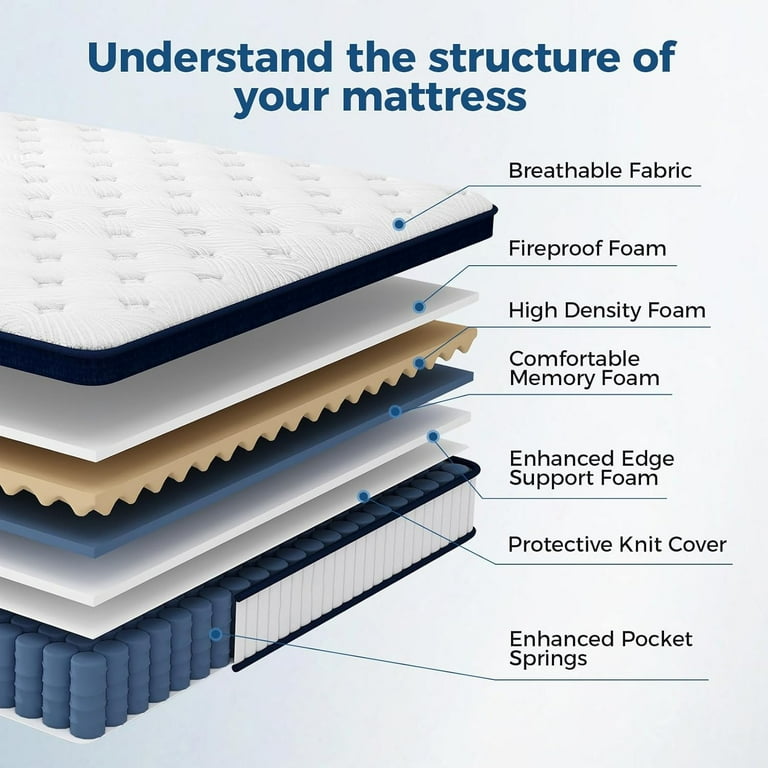
Memory foam is made from polyurethane combined with other chemicals. These chemicals increase its density and viscosity.
The mix creates a foam that reacts to body heat. It softens and molds to the shape pressing on it.
Commercial Use And Evolution
In the 1980s, companies started using memory foam for mattresses and pillows. It became popular because of its comfort and support.
Since then, memory foam formulas have improved. Manufacturers now create different types for cooling and durability.
Credit: www.walmart.com
Core Ingredients
Memory foam is a special type of foam used in mattresses and pillows. It is soft and molds to your body shape. The foam is made from different materials mixed together.
Understanding the main ingredients helps explain why memory foam feels comfortable and supportive. These ingredients work together to create the unique texture.
Polyurethane Basics
Polyurethane is the main base of memory foam. It is a type of plastic made by combining chemicals called polyols and isocyanates. This mix forms a flexible foam.
The foam’s density and softness depend on how these chemicals react. Polyurethane provides the structure and support for memory foam.
- Polyols: liquid compounds that react to form foam
- Isocyanates: chemicals that link polyols to create the foam
- Water: helps create bubbles that make the foam soft
Viscoelastic Components
Viscoelastic parts give memory foam its unique slow response. They make the foam soft and able to mold to shapes.
These components react to heat and pressure. They allow the foam to slowly return to its original shape after use.
- Viscous properties provide slow movement
- Elastic properties allow the foam to bounce back
- Heat sensitivity makes foam soften with body warmth
Additives And Enhancers
Memory foam often contains extra ingredients to improve its feel and function. These additives can change how the foam smells, lasts, or feels.
Some additives help the foam cool down faster or stop it from breaking down over time.
- Blowing agents create foam cells for softness
- Flame retardants increase safety
- Antimicrobial agents prevent mold and bacteria
- Cooling gels help reduce heat buildup
Manufacturing Process
Memory foam is a special type of foam known for its comfort. It is made through a careful manufacturing process. This process changes raw materials into soft, supportive foam.
The process has several important steps. Each step helps create the unique texture and feel of memory foam.
Chemical Reactions
The making of memory foam starts with chemical reactions. These reactions happen when certain chemicals mix together. The main chemicals are polyols and isocyanates.
When these chemicals combine, they form a substance called polyurethane. This material is the base of memory foam. Other ingredients control the foam's softness and durability.
Foam Formation
After the chemicals react, foam starts to form. A blowing agent creates tiny bubbles in the mixture. These bubbles make the foam soft and flexible.
The size and number of bubbles affect how the foam feels. More bubbles make the foam lighter and more breathable. Less bubbles make it firmer and denser.
- Mix chemicals thoroughly
- Add blowing agent for bubbles
- Control bubble size for desired texture
Curing And Shaping
Once the foam forms, it needs to cure. Curing means the foam hardens and sets its shape. This step takes several hours at controlled temperatures.
After curing, the foam is cut and shaped. It is made into blocks or sheets for mattresses and cushions. The final shapes match product designs.

Credit: customsizebeds.co.uk
Types Of Memory Foam
Memory foam is a popular material used in mattresses and cushions. It shapes itself to your body for comfort and support.
There are different types of memory foam. Each type has unique features and benefits.
Traditional Memory Foam
Traditional memory foam is made from polyurethane and other chemicals. It reacts to heat and pressure, softening where your body touches it.
This type is known for its slow response and deep contouring. It helps relieve pressure points and supports your body well.
Gel-infused Foam
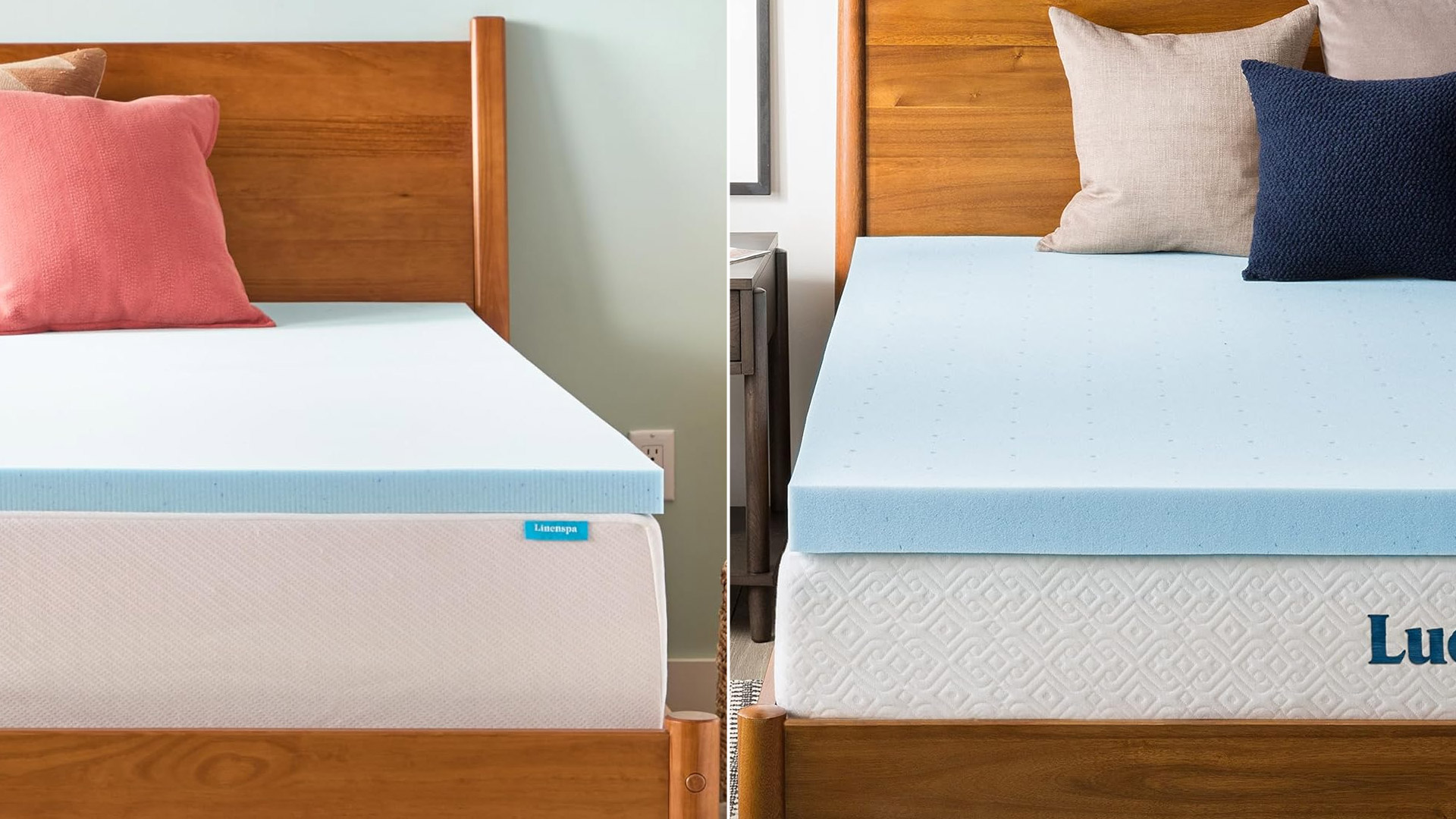
Gel-infused foam contains small gel beads or swirls inside the foam. These gel parts help absorb heat and keep the surface cool.
This foam is good for people who sleep hot. It offers the same support as traditional foam but feels cooler.
Plant-based Foam
Plant-based foam replaces some chemicals with natural oils like soy or castor oil. This makes it more eco-friendly.
It still provides good comfort and support. Plant-based foam often has less odor and better breathability than traditional foam.
Benefits Of Memory Foam Materials
Memory foam is a special material used in mattresses and pillows. It is made from polyurethane and other chemicals. This makes it soft, flexible, and supportive.
Many people like memory foam because it provides comfort and support in different ways. It helps the body rest well during sleep.
Pressure Relief
Memory foam molds to the shape of your body. It spreads your weight evenly across the surface. This reduces pressure points on hips, shoulders, and other areas.
This pressure relief helps to lower pain and discomfort. It can improve blood flow and reduce tossing and turning at night.
Durability
Memory foam is made to last longer than many other mattress materials. It keeps its shape even after years of use. This means it does not sag or get lumpy easily.
Its strong structure helps support the body well over time. This makes memory foam a good choice for long-term comfort.
Temperature Sensitivity
Memory foam reacts to your body heat. It softens as it warms up, fitting your shape better. When you get up, it cools down and returns to its original form.
This temperature sensitivity helps memory foam provide custom support. It also helps reduce the feeling of stiffness in the morning.
Environmental And Health Considerations
Memory foam is a popular material used in mattresses and pillows. It is made from polyurethane and other chemicals. These materials affect the environment and health in different ways.
Understanding the environmental impact and health risks helps consumers make better choices. This section explains important concerns and safer alternatives.
Off-gassing Concerns
Memory foam can release gases after it is unpacked. This process is called off-gassing. The smell comes from chemicals used in making the foam.
Some people may feel headaches or breathing problems from these fumes. It is best to air out new memory foam products before use.
- Off-gassing usually lasts a few days to weeks
- Proper ventilation reduces exposure to chemicals
- Some people are more sensitive to the smell
Eco-friendly Alternatives
Traditional memory foam uses petroleum-based chemicals. This process can harm the environment and use nonrenewable resources.
Eco-friendly alternatives use natural or plant-based materials. These options reduce pollution and lower the carbon footprint.
- Plant-based memory foam uses soy or castor oil
- Natural latex foam comes from rubber trees
- Recycled materials help reduce waste
Safety Standards
Memory foam products must meet safety rules. These rules limit harmful chemicals and fire risks.
Certifications show that products follow safety standards. Look for labels that confirm low chemical emissions and safe materials.
- CertiPUR-US® tests foam for emissions and durability
- OEKO-TEX® checks for harmful substances in textiles
- Fire safety standards require flame retardant treatments
Frequently Asked Questions
What Materials Are In Memory Foam?
Memory foam is primarily made of polyurethane, a type of polymer. It may also contain additional chemicals to enhance its density and viscosity. Some memory foams include plant-based materials to improve eco-friendliness. The unique structure allows it to conform to body shape, providing comfort and support.
Is Memory Foam Toxic?
Memory foam is generally not considered toxic. Most manufacturers adhere to safety standards, ensuring low levels of volatile organic compounds (VOCs). However, some individuals may be sensitive to its off-gassing smell. It's advisable to choose memory foam certified by organizations like CertiPUR-US for safety assurance.
How Is Memory Foam Manufactured?
Memory foam is manufactured through a process called polymerization. This involves combining polyurethane with other chemicals to create a dense, viscoelastic foam. The mixture is then poured into molds and cured. The final product is cut to desired sizes for various applications like mattresses and pillows.
Does Memory Foam Contain Latex?
Memory foam does not typically contain latex. It is primarily made from polyurethane. However, some hybrid products may combine memory foam with latex layers. If you have a latex allergy, it’s crucial to check product specifications. Pure memory foam is a safe alternative for those sensitive to latex.
Conclusion
Memory foam is made from polyurethane and other chemicals. It changes shape when you apply pressure. This helps support your body evenly while you rest. The foam also slowly returns to its original form. This material offers comfort and pressure relief.
Many use it in mattresses and pillows. Knowing what memory foam contains helps you choose wisely. It blends science and comfort in one product. Understanding its makeup makes shopping easier and smarter.