Are your metal outdoor furniture pieces looking dull or rusty? You don’t have to buy new ones to refresh your outdoor space.
With a little effort and the right steps, you can transform your old metal furniture into vibrant, eye-catching pieces. Imagine enjoying your patio with furniture that looks brand new, lasts longer, and reflects your style perfectly. Ready to learn how to paint your metal outdoor furniture the right way?
Keep reading, and you’ll discover simple tips that make the whole process easy and rewarding.

Credit: roomfortuesday.com
Choosing The Right Paint
Painting metal outdoor furniture protects it from rust and weather damage. Choosing the right paint makes your furniture last longer.
Not all paints work well on metal surfaces. You need paint that sticks firmly and resists fading.
Types Of Paint For Metal
Use paint made for metal surfaces. It prevents rust and holds up outdoors.
- Oil-based paint: Strong and durable but takes longer to dry.
- Acrylic paint: Water-based, dries fast, and resists cracking.
- Spray paint: Easy to apply evenly on metal curves and details.
- Rust-inhibiting paint: Stops rust and protects old metal furniture.
Choose paint with rust protection for the best outdoor results.
Selecting Colors And Finishes
Pick colors that match your outdoor space. Bright colors add energy, while neutral tones blend well.
Finishes affect how the paint looks and lasts. Choose one that fits your style and use.
- Glossy finish: Shiny and easy to clean but shows imperfections.
- Satin finish: Soft shine that hides dirt and marks well.
- Matte finish: No shine, gives a modern look but can be harder to clean.
Preparing The Furniture
Painting metal outdoor furniture can refresh its look and protect it from weather. Preparing the furniture well makes the paint last longer.
Start by cleaning and fixing the surface. This helps the paint stick better and prevents rust.
Cleaning And Removing Rust
Clean dirt and old paint using soap and water. Use a brush to scrub off loose rust and dirt.
Remove rust spots with a wire brush or rust remover. Rust can cause paint to peel later.
- Mix warm water and mild soap
- Scrub furniture with a stiff brush
- Use wire brush on rusty areas
- Apply rust remover if needed
- Rinse and dry completely
Sanding For Smooth Surface
Sanding smooths rough areas and removes old paint flakes. Use medium-grit sandpaper for best results.
After sanding, wipe dust off with a damp cloth. A clean surface helps paint stick well.
- Use 120- to 150-grit sandpaper
- Sand all metal surfaces evenly
- Focus on rusty or peeling paint spots
- Clean dust with damp cloth
- Let dry before painting
Applying Primer
Primer protects metal and helps paint stick better. Choose a primer made for metal surfaces.
Apply a thin, even coat of primer. Let it dry fully before painting to avoid peeling.
- Use rust-inhibiting metal primer
- Apply with brush or spray
- Cover all metal parts evenly
- Follow drying time on label
- Check for missed spots
Painting Techniques
Painting metal outdoor furniture helps protect it from rust and weather damage. Using the right techniques makes the paint last longer and look better.
Good painting methods can also make the process easier and reduce mistakes. Here are some useful tips for painting metal furniture.
Using Brushes Vs. Sprayers
Brushes give more control for small or detailed areas. They help spread paint evenly on corners and curves. Brushes are easy to clean and good for touch-ups.
Sprayers cover large surfaces quickly. They create a smooth, even finish without brush marks. Sprayers need more preparation and careful use to avoid drips and overspray.
- Brushes: good for detailed work and small spots
- Sprayers: fast coverage and smooth finish on big areas
- Brushes: easier cleanup and less mess
- Sprayers: need more protection for nearby objects
Applying Thin, Even Coats
Apply thin layers of paint to avoid drips and runs. Thick coats take longer to dry and can peel off later. Thin coats dry faster and stick better to metal.
Use smooth, even strokes to cover the surface. Keep a wet edge to prevent streaks. Multiple thin coats build strong protection over time.
- Thin coats dry faster and last longer
- Even strokes prevent streaks and lumps
- Build up color with several layers
- Avoid thick paint to stop peeling
Drying Time Between Coats
Let each coat dry fully before adding the next. This stops paint from smudging or trapping moisture. Drying times depend on paint type and weather.
Check the paint label for recommended wait times. Usually, waiting 1 to 4 hours between coats works well. Avoid painting in cold or humid conditions.
- Wait 1 to 4 hours between coats
- Follow paint manufacturer’s drying instructions
- Dry weather speeds up drying time
- Cold or humid weather slows drying

Credit: www.reddit.com
Sealing And Protecting
Painting metal outdoor furniture is not complete without sealing it. A good sealant protects the paint from weather damage. It also stops rust and keeps your furniture looking fresh.
Choosing the right sealant and applying it well will make your furniture last longer. This guide will help you pick the best sealant and use it properly.
Choosing A Protective Sealant
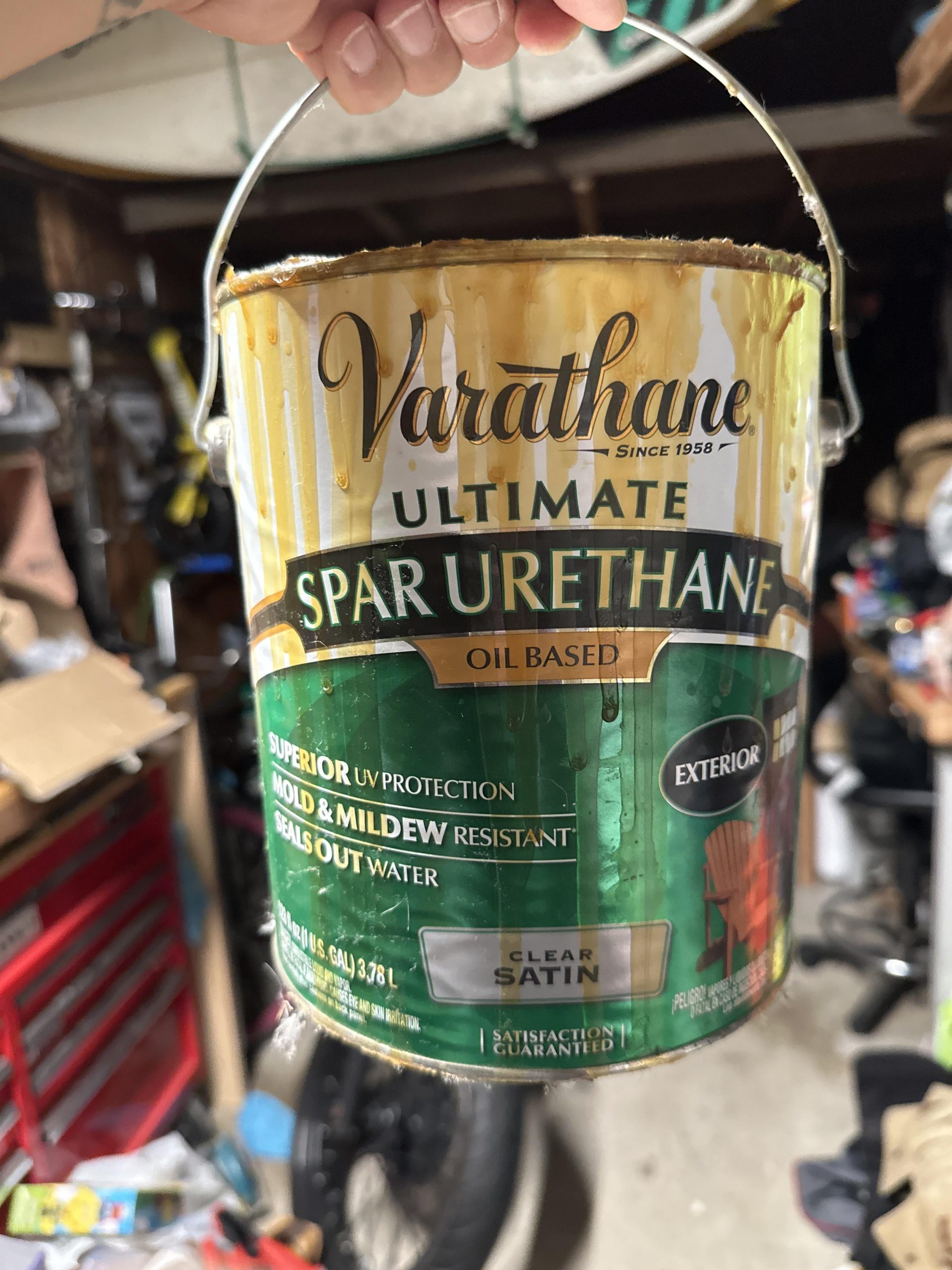
Pick a sealant made for metal and outdoor use. It should resist water, sun, and rust. Clear sealants keep your paint color bright. Some sealants add a shiny finish, while others stay matte.
Look for these types of sealants:
- Polyurethane sealants for strong protection
- Acrylic sealants for quick drying and flexibility
- Epoxy sealants for extra durability
- Rust-inhibiting sealants for old or rusty metal
Applying The Sealant Properly
Clean the furniture before sealing. Remove dust and dirt with a cloth. Make sure paint is fully dry. Apply sealant in thin, even coats for best results.
Use these tips to apply sealant:
- Work in a well-ventilated area
- Use a brush or spray for smooth coverage
- Let each coat dry before adding another
- Avoid thick layers that can drip or crack
- Check manufacturer instructions for drying times
Maintenance Tips
Keeping your metal outdoor furniture looking good takes care and attention. Regular maintenance helps protect the paint and metal underneath.
Simple cleaning and fixing small damages can make your furniture last longer. This guide shows easy ways to maintain painted metal furniture.
Cleaning Painted Furniture
Clean your painted metal furniture often to remove dirt and dust. Use a soft cloth or sponge with mild soap and water.
Avoid harsh chemicals or scrubbing pads. They can damage the paint and metal surface.
- Use gentle soap mixed with warm water
- Wipe furniture with a soft cloth or sponge
- Rinse with clean water to remove soap
- Dry with a soft towel to stop rust
- Clean at least once a month or after bad weather
Touching Up Scratches And Chips
Check your furniture for scratches or paint chips. Fix them quickly to stop rust and further damage.
Use paint that matches your furniture color. Clean the area well before applying touch-up paint.
- Sand the damaged spot lightly to smooth edges
- Remove dust and dirt with a clean cloth
- Apply a thin layer of matching paint
- Let the paint dry completely before use
- Repeat paint layers if needed for good coverage

Credit: www.littlegreene.us
Frequently Asked Questions
How Do You Prepare Metal Furniture For Painting?
To prepare metal furniture for painting, first clean it thoroughly to remove dirt and rust. Use sandpaper or a wire brush to smoothen the surface. Apply a metal primer to ensure paint adhesion. Let the primer dry completely before applying your chosen paint for a smooth, durable finish.
What Paint Is Best For Metal Furniture?
The best paint for metal furniture is a high-quality, rust-resistant spray paint or oil-based paint. These options provide excellent coverage and durability. Choose a paint specifically designed for outdoor use to withstand weather conditions. This ensures your furniture remains vibrant and protected from rust over time.
How Many Coats Of Paint Are Needed?
Applying two to three coats of paint is recommended for metal furniture. This ensures even coverage and long-lasting protection. Allow each coat to dry completely before applying the next. Follow the manufacturer's instructions for drying times. Multiple coats will provide a more durable and attractive finish.
Can I Paint Metal Furniture Without Primer?
It's possible, but not recommended to paint metal furniture without primer. Primer ensures proper paint adhesion and prevents rust. It helps achieve a smooth and durable finish. Skipping primer may result in peeling or chipping paint. For best results, always use a primer specifically designed for metal surfaces.
Conclusion
Painting metal outdoor furniture can brighten your space and protect it well. Clean and sand the surface first for better paint hold. Choose paint made for metal and outdoor use. Apply thin, even coats and let each dry fully. This simple process keeps furniture looking fresh and lasts longer.
Enjoy your renewed furniture and a beautiful outdoor area. Small effort, big difference. Try it yourself and see the change.