

Have you ever wondered what makes a bean bag so comfortable and inviting? You might think it’s just a simple chair, but there’s more to it than meets the eye.
Inside your favorite bean bag lies a secret that shapes the way it feels, supports your body, and lasts over time. Understanding what’s inside can change the way you choose and use bean bags, making sure you get the best comfort and value.
Keep reading to discover the surprising materials and design tricks that make your bean bag the perfect spot to relax.
Bean Bag Anatomy
A bean bag has different parts that make it comfortable and durable. Knowing these parts helps you choose the right bean bag.
This guide explains the outer fabric, inner filling, and seams with zippers inside a bean bag.
Outer Fabric Materials
The outer fabric is what you touch and see. It protects the inner filling and adds style to the bean bag.
Common materials include cotton, polyester, and leather. Each material has different textures and durability.
- Cotton:Soft and breathable but can wear out faster.
- Polyester:Durable and easy to clean. Resists stains well.
- Leather:Strong and stylish but needs special care.
- Microfiber:Smooth and comfortable, often water-resistant.
Inner Filling Types
The filling inside a bean bag makes it soft and moldable. It supports your body when you sit.
There are several filling types, each with unique comfort and durability features.
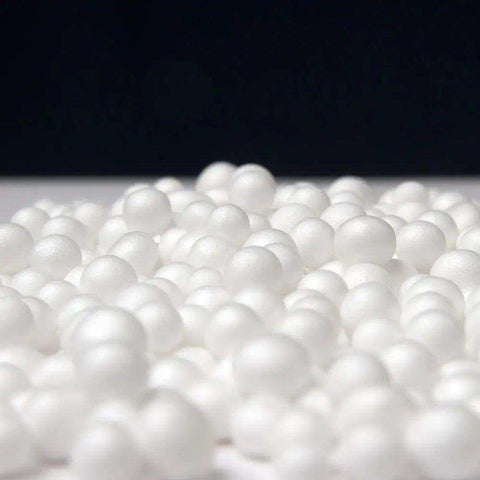
- EPS Beads:Small foam balls that are lightweight and mold to your shape.
- Memory Foam:Soft foam pieces that give extra comfort and support.
- Microbeads:Tiny beads that create a smooth, silky feel.
- Shredded Foam:Foam pieces shredded into small bits for flexible support.
Seams And Zippers
Seams hold the fabric pieces together and keep the filling inside. Strong seams increase durability.
Zippers allow easy access to the filling. You can refill or replace the filling if needed.
- Double-stitched seams:Strong seams that prevent tearing.
- Hidden zippers:Zippers that blend into the fabric for a clean look.
- Locking zippers:Zippers that stay closed to keep beads inside.
Credit: www.beanbagsrus.com.au
Common Fillings Explained
Bean bags are soft seats that use different materials inside. These fillings affect comfort and support.
Many types of fillings exist. Each type has its own features and benefits.
Polystyrene Beads
Polystyrene beads are small, lightweight balls. They are the most common filling in bean bags.
These beads provide good support and shape. They move easily, letting the bag mold to your body.
- Lightweight and easy to move
- Affordable and widely available
- Can compress over time
- Offers a firm but flexible feel
Microbeads
Microbeads are even smaller than polystyrene beads. They create a smoother, softer feel inside the bag.
These beads help the bean bag hold shape better. They give gentle support and feel more like memory foam.
- Finer texture for softness
- Better shape retention
- More expensive than regular beads
- Good for gentle support
Foam Chunks
Foam chunks are pieces of foam cut into small shapes. They make the bean bag feel fuller and softer.
These chunks do not compress as much. They keep their shape and provide firm support with softness.
- Soft and cushy feel
- Good for long-term use
- Heavier than beads
- Can be mixed with beads for balance
Natural Fillings
Natural fillings use organic materials like buckwheat hulls or dried beans. They are eco-friendly choices.
These fillings offer firm support and good airflow. They can be heavier and less flexible than synthetic fillings.
- Eco-friendly and biodegradable
- Firm support with natural feel
- Can make noise when moved
- Heavier and less soft
Benefits Of Different Fillings
Bean bags come with various fillings that affect comfort and use. Different materials give unique benefits.
Choosing the right filling helps you get the best comfort, support, and durability for your needs.
Comfort And Support
Fillings like memory foam and microbeads offer soft and cozy seating. They mold to your body shape well.
Foam pieces give firmer support and keep their shape longer. They help with good posture.
- Memory foam: soft, molds to body
- Microbeads: smooth, lightweight
- Foam pieces: firm, supportive
Durability
Some fillings last longer and resist flattening. Foam beads tend to keep their shape well over time.
EPS beads are durable but can break down if used heavily. Memory foam may wear out faster with constant use.
- Foam pieces: high durability
- EPS beads: moderate durability
- Memory foam: less durable
Weight And Portability
Lightweight fillings make bean bags easy to move. EPS beads are very light and portable.
Foam and memory foam fillings add more weight, which can make moving the bean bag harder.
- EPS beads: very light
- Microbeads: light
- Foam pieces: heavier
Eco-friendliness
Some bean bag fillings are better for the environment. Natural fillings break down faster and are less harmful.
Recycled EPS beads reduce waste but still come from plastic. Organic fillings like buckwheat hulls are eco-friendly.
- Buckwheat hulls: natural and biodegradable
- Recycled EPS beads: use less new plastic
- Memory foam: less eco-friendly
How Fillings Affect Use
Bean bags come with different fillings that change how they feel and work. The type of filling affects comfort, support, and durability.
Choosing the right filling helps you get the best use from your bean bag. It also affects how you care for it and who can use it comfortably.
Adjusting Firmness
The filling inside the bean bag controls its firmness. Some fillings are soft and squishy, while others are firmer.
You can add or remove filling to make the bean bag softer or harder. This lets you change the feel to fit your comfort needs.
- EPS beads give a light, soft feel but can flatten over time.
- Memory foam offers firm support and molds to your body.
- Microbeads provide a smooth, medium firmness.
Maintenance And Refilling
Bean bags need refilling as the filling breaks down or compresses. The type of filling affects how often you refill it.
Some fillings are easier to refill or replace. Regular maintenance keeps the bean bag comfortable and extends its life.
- EPS beads may need topping up every year or two.
- Foam pieces last longer but can be harder to replace.
- Some bean bags have zippers for easy refilling.
Suitability For Different Users
Different fillings suit different people. Age, weight, and health affect the best choice of filling.
Choosing the right filling helps ensure comfort and support for each user.
- Light EPS beads suit children and light users well.
- Memory foam is good for adults who need firm support.
- Microbeads work for users who want a balance of softness and support.
- Allergy-sensitive users should check for hypoallergenic fillings.
Safety And Environmental Impact
Bean bags are popular for comfort, but it is important to know what is inside them. The filling material affects safety and the environment.
This content explains the materials used inside bean bags and their effects on health and nature.
Non-toxic Materials
Many bean bags use non-toxic fillings to keep people safe. These materials do not release harmful chemicals or odors.
Common safe fillings include expanded polystyrene beads and natural materials like buckwheat hulls. They prevent health risks for users.
Recyclability
The filling inside bean bags can affect how easy it is to recycle the product. Some materials break down faster and are eco-friendly.
Polystyrene beads can be recycled, but the process is limited. Natural fillings like buckwheat are biodegradable and better for the planet.
- Polystyrene beads: recyclable but not biodegradable
- Buckwheat hulls: natural and biodegradable
- Corn fiber: eco-friendly and compostable
Allergy Considerations
Some bean bag fillings may cause allergies. Natural materials like buckwheat can trigger reactions in sensitive people.
Using hypoallergenic or synthetic beads helps reduce allergy risks. Always check the filling type if allergies are a concern.

Credit: healthydadhacks.com
Innovations In Bean Bag Design
Bean bags have changed a lot over the years. New ideas make them more comfortable and useful.
Designers now use new materials and fillings. These changes improve how bean bags feel and last.
Smart Fabrics
Smart fabrics help bean bags stay clean and strong. They can resist water and dirt easily.
Some fabrics also control temperature. They keep you cool or warm depending on the weather.
- Water-resistant materials
- Stain-proof coatings
- Temperature regulating textiles
- Durable and soft textures
Hybrid Fillings
Hybrid fillings mix different materials inside the bean bag. This makes them more comfy and sturdy.
Some bean bags combine foam with beads. Foam adds softness while beads keep the shape well.
- Memory foam and microbeads
- Gel-infused beads for cooling
- Recycled materials for eco-friendly options
Customizable Options
Customizable bean bags let buyers choose size, color, and filling. This fits personal needs better.
Some designs allow users to change the cover or add extra padding. This extends the bean bag’s life.
- Interchangeable covers
- Adjustable filling levels
- Multiple size choices

Credit: www.nytimes.com
Frequently Asked Questions
What Materials Fill A Bean Bag Chair?
Bean bags are typically filled with small polystyrene beads or foam pellets. These materials provide comfort and flexibility. The beads conform to your body shape, making the seat cozy and supportive. Some bean bags use shredded memory foam for extra softness and durability.
How Do Bean Bag Fillings Affect Comfort?
The type of filling impacts softness and support. Polystyrene beads offer lightweight, moldable comfort. Foam fillings provide a firmer, more cushioned feel. The right filling depends on personal preference and intended use. Quality fillings ensure long-lasting comfort and shape retention.
Are Bean Bag Fillings Safe And Non-toxic?
Most bean bag fillings are safe and non-toxic. Polystyrene beads and foam are commonly used and meet safety standards. However, it's important to buy from reputable brands. Avoid fillings that emit strong odors or contain harmful chemicals for health safety.
Can Bean Bag Fillings Be Replaced Or Refilled?
Yes, many bean bags have zippers to allow refilling. Over time, fillings compress and lose volume. Refilling extends the bean bag's lifespan and comfort. Replacement fillings are widely available online or in stores. Always use recommended materials for best results.
Conclusion
Bean bags hold small, soft beads that make them comfy. The outer cover keeps the beads inside and adds style. Different materials and fillings affect how a bean bag feels. Knowing what’s inside helps you choose the right one. It also helps you care for it better.
Now you understand why bean bags are so popular. They offer comfort, flexibility, and fun in one simple design.


