

Are you ready to give your old bench seat a fresh, stylish new look? Upholstering your bench seat yourself is easier than you might think—and it’s a great way to save money while adding a personal touch to your space.
Imagine sinking into a seat covered in fabric you love, tailored perfectly to your style. In this guide, you’ll discover simple, step-by-step instructions that anyone can follow, even if you’ve never done upholstery before. Stick with me, and by the end, you’ll have the skills to transform your bench into a comfortable, eye-catching piece that will impress everyone who sees it.
Let’s get started!
Materials And Tools Needed
Upholstering a bench seat is a great way to refresh old furniture. You need the right materials and tools to do the job well.
This guide helps you gather what you need before starting your upholstery project.
Choosing The Right Fabric
Select a fabric that is strong and fits your style. Look for durable materials that can handle daily use.
Consider fabric types, colors, and patterns that suit your room and bench size.
- Cotton: Soft and easy to clean
- Linen: Breathable with a natural look
- Leather: Durable and stylish
- Polyester: Stain-resistant and strong
- Velvet: Luxurious but needs care
Essential Upholstery Tools
Having the right tools makes upholstering easier and faster. These basic tools help you remove old fabric and attach new fabric securely.
- Staple gun with staples
- Scissors for cutting fabric
- Flathead screwdriver to remove old staples
- Pliers to pull out staples
- Measuring tape for accurate fabric size
- Hammer to tap in tacks or nails
- Upholstery needle for hand sewing
Additional Supplies
You may need extra supplies for comfort and finishing touches. These items help improve the look and feel of your bench seat.
- Foam padding for cushion support
- Batting to smooth the foam edges
- Spray adhesive to hold foam in place
- Fabric marker or chalk for marking cuts
- Corner irons for neat fabric corners
- Protective gloves to avoid cuts
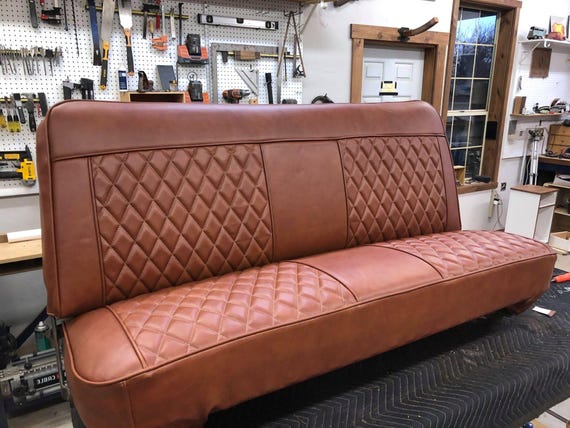
Credit: www.etsy.com
Preparing The Bench Seat
Before upholstering a bench seat, you need to prepare it well. This helps the new fabric fit nicely and last longer.
Preparing the bench seat includes removing old materials, checking the frame, and cleaning the surface.
Removing Old Upholstery
Start by taking off the old fabric and padding. Use pliers or a screwdriver to remove staples or nails.
Keep the old fabric pieces to use as a pattern for cutting the new fabric later.
- Use pliers to pull out staples carefully
- Remove old padding and foam
- Save old fabric for reference
Inspecting And Repairing The Frame
Check the bench frame for damage like cracks or loose joints. A strong frame supports the seat well.
Fix any broken parts with wood glue or screws. Tighten loose joints to make the frame sturdy.
- Look for wood cracks or splits
- Tighten loose screws and joints
- Glue and clamp any broken parts
Cleaning The Surface
Clean the bench seat surface to remove dirt and dust. A clean surface helps the new padding and fabric stick better.
Use a damp cloth to wipe the wood and let it dry completely before adding new materials.
- Wipe with a damp cloth
- Remove dust and debris
- Allow the surface to dry fully
Cutting And Attaching Foam
Upholstering a bench seat starts with the foam. Cutting and attaching foam properly makes the seat comfortable and neat.
This guide covers how to select the right foam thickness, cut it to size, and secure it to the bench seat.
Selecting Foam Thickness
Choose foam thickness based on comfort and seat use. Thicker foam feels softer but may be harder to fit.
Common thicknesses range from 1 inch to 4 inches. For a bench seat, 2 to 3 inches usually works well.
- 1 inch: firm, good for a thin cushion
- 2-3 inches: balanced comfort and support
- 4 inches: very soft, best for plush seating
Cutting Foam To Size
Measure your bench seat carefully before cutting foam. Add a little extra for shaping if needed.
Use a sharp knife or electric foam cutter. Cut slowly to get clean, straight edges.
- Place foam on a flat surface
- Mark the size with a pen or chalk
- Cut along the marks with smooth strokes
- Check the fit and trim if needed
Securing Foam To Seat
Attach foam firmly to the bench seat to keep it in place. Use spray adhesive or hot glue for best results.
Apply adhesive evenly on the seat base. Press foam down and hold until it sticks well.
- Clean seat surface before gluing
- Use spray adhesive for even coverage
- Press foam firmly to avoid air bubbles
- Let glue dry before adding fabric
Cutting The Fabric
Cutting the fabric is a key step in upholstering a bench seat. It ensures the fabric fits well and looks neat.
Accurate cutting saves time and prevents fabric waste. Follow simple steps to cut your fabric right.
Measuring The Seat
Start by measuring the bench seat carefully. Measure the length, width, and thickness of the seat.
Write down each measurement clearly. Double-check to avoid mistakes.
- Measure seat length from one end to the other
- Measure seat width from side to side
- Measure thickness from top to bottom
Adding Seam Allowances
Add seam allowances to your measurements. This extra fabric helps when sewing or stapling the fabric.
A common seam allowance is 2 to 3 inches around all sides. This gives enough fabric to pull and attach securely.
- Add at least 2 inches on length and width
- Include extra fabric for wrapping around edges
- Make allowances for fabric thickness
Cutting Fabric Pieces
Lay your fabric flat on a clean surface. Use your measurements plus seam allowances to mark the fabric.
Cut slowly with sharp scissors or a rotary cutter. Keep the edges straight for a neat finish.
- Mark fabric with chalk or a fabric pen
- Cut along marked lines carefully
- Check fabric grain direction before cutting
Upholstering The Seat
Upholstering a bench seat gives it a fresh look and feel. It is a simple way to update old furniture.
This guide explains how to cover the seat with fabric for a smooth finish.
Positioning The Fabric
Place the fabric on a flat surface with the pattern side down. Lay the bench seat on top carefully.
Make sure the fabric covers all sides with extra around the edges for stapling.
- Center the seat on the fabric
- Leave 3 to 4 inches of fabric on each side
- Align any patterns or stripes evenly
Stapling Techniques
Start stapling the fabric at the center of one side. Pull the fabric tight but not too hard.
Staple opposite sides first to keep the fabric even and smooth.
- Use a staple gun with heavy-duty staples
- Staple every 2 to 3 inches along the edges
- Check the fabric tension as you work
- Staple corners last with careful folding
Smoothing Wrinkles And Folds
Pull the fabric gently to remove wrinkles before stapling. Keep the fabric tight to avoid folds.
Fold corners neatly by making small tucks and secure them with staples.
- Work from the center outwards
- Use your hands to smooth the fabric
- Adjust staples if wrinkles appear
- Trim excess fabric after stapling
Finishing Touches
After attaching the fabric to your bench seat, the last steps make it look neat and complete. These finishing touches help the bench last longer and look great.
We will cover trimming excess fabric, adding decorative elements, and putting the bench back together.
Trimming Excess Fabric
Cut off any extra fabric around the edges carefully. Leave about one inch to avoid the fabric pulling loose later.
Use sharp scissors to get a clean cut. Cut slowly to prevent damaging the fabric or padding underneath.
Adding Decorative Elements
Decorative elements can make your bench seat look unique. You might add buttons, trim, or nailhead tacks along the edges.
Choose decorations that match the style of your bench and room. Attach them firmly to keep them in place.
- Cover buttons with matching fabric for a tufted look
- Apply decorative trim with glue or staples
- Use nailhead tacks for a classic design
Reassembling The Bench
Once the fabric and decorations are set, put the bench parts back together. Attach the seat to the frame using screws or bolts.
Check that everything is tight and stable. Test the bench by sitting on it gently to ensure it feels secure.
Maintenance Tips
Upholstered bench seats add style and comfort to any space. Taking care of them keeps them looking nice longer.
Simple maintenance helps prevent damage and saves money on repairs or new upholstery.
Cleaning Upholstered Surfaces
Dust and dirt can wear down fabric fibers. Clean your bench seat regularly to keep it fresh and bright.
Use a soft brush or vacuum with an upholstery attachment to remove dust. Spot clean stains quickly to stop them from setting.
- Vacuum weekly to remove dust and debris
- Blot spills immediately with a clean cloth
- Use mild soap and water for spot cleaning
- Avoid harsh chemicals that can damage fabric
Preventing Wear And Tear
Wear happens from daily use. Protect your bench by limiting direct sunlight and heavy loads.
Use cushions or covers to reduce friction. Rotate cushions if possible to spread out wear evenly.
- Keep bench out of direct sunlight to prevent fading
- Place cushions or fabric covers to protect the seat
- Rotate cushions regularly to avoid uneven wear
- Avoid sitting with sharp objects in pockets
When To Reupholster Again
Reupholster your bench seat when fabric looks worn or damaged. This keeps it comfortable and attractive.
Check for tears, stains that won’t clean, or sagging padding. These signs mean it is time to update the upholstery.
- Fabric is torn or frayed
- Stains do not come out with cleaning
- Padding feels flat or uneven
- Bench frame feels loose or unstable

Credit: www.dixierestorationdepot.com

Credit: www.youtube.com
Frequently Asked Questions
What Materials Are Needed To Upholster A Bench Seat?
You need fabric, foam, batting, a staple gun, scissors, and a screwdriver. These tools help you remove the old cover, cut new materials, and attach them securely for a fresh look.
How Do I Remove Old Upholstery From A Bench Seat?
Use a screwdriver and pliers to remove staples or tacks. Carefully lift the old fabric and foam without damaging the wood frame for a smooth reupholstering process.
What Type Of Foam Is Best For Bench Seat Cushioning?
High-density foam is best for bench seats. It offers firm support, durability, and comfort, ensuring your seat stays comfortable and retains shape over time.
How Do I Secure Fabric Tightly On A Bench Seat?
Pull fabric taut and staple it underneath the seat frame. Start from the center and work towards edges to avoid wrinkles and ensure a smooth finish.
Conclusion
Upholstering a bench seat is a fun and simple project. Choose fabric and tools carefully. Follow each step with patience and care. Your bench will look fresh and new. This skill saves money and adds personal style. Enjoy the comfort and charm it brings.
Try it yourself and see the results!


