

Choosing the right area rug size can change the entire look and feel of your room. But how do you know which size fits your space perfectly?
If you’ve ever stood in a store wondering whether a rug will look too small or overwhelm your room, you’re not alone. Understanding area rug sizes is key to creating a cozy, balanced, and stylish home. You’ll discover simple tips to pick the ideal rug size for every room.
Keep reading, and you’ll never second-guess your rug choice again.
Common Area Rug Sizes
Area rugs come in many sizes to fit different rooms and spaces. Choosing the right size helps make a room look balanced and cozy.
Knowing common area rug sizes can help you pick the best rug for your home.
Small Rugs
Small rugs are perfect for small spaces like bathrooms or entryways. They add color and texture without covering the whole floor.
Common small rug sizes include:
- 2 feet by 3 feet (24" x 36")
- 3 feet by 5 feet (36" x 60")
- 4 feet by 6 feet (48" x 72")
Medium Rugs
Medium rugs work well in living rooms or bedrooms. They cover a good part of the floor and help tie the furniture together.
Typical medium rug sizes are:
- 5 feet by 7 feet (60" x 84")
- 6 feet by 9 feet (72" x 108")
Large Rugs
Large rugs cover most of the floor in big rooms. They make spaces feel warm and inviting.
Common large rug sizes include:
- 8 feet by 10 feet (96" x 120")
- 9 feet by 12 feet (108" x 144")
- 10 feet by 14 feet (120" x 168")
Runner Rugs
Runner rugs are long and narrow. They fit well in hallways, kitchens, or stairs.
Standard runner sizes are:
- 2 feet by 6 feet (24" x 72")
- 2 feet by 8 feet (24" x 96")
- 2 feet by 10 feet (24" x 120")

Credit: shopping.yahoo.com
Choosing Rugs For Different Rooms
Area rugs add comfort and style to any room. Choosing the right size helps make the room look balanced and cozy.
Each room needs a different rug size based on its purpose and furniture arrangement. Picking the right size can improve the room’s look.
Living Room Rugs
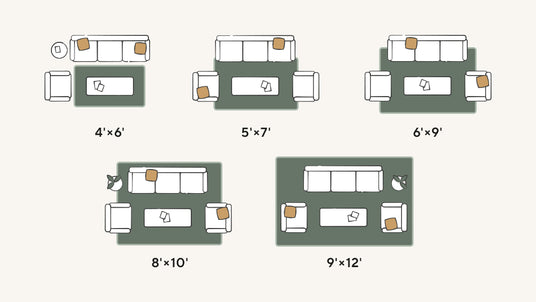
In the living room, rugs should fit under key furniture pieces like sofas and chairs. This helps create a unified space.
Common sizes are 5x8 feet, 8x10 feet, and larger. The rug should be large enough to hold the front legs of the furniture.
- 5x8 feet for small seating areas
- 8x10 feet for medium rooms
- 9x12 feet for large spaces
Bedroom Rugs
Bedroom rugs add warmth and comfort near the bed. They should be big enough to extend beyond the bed edges.
For queen and king beds, rugs sized 8x10 feet or 9x12 feet work well. Smaller rugs can go on each side of the bed.
- Place rug under the bed, extending 18-24 inches on each side
- Use runners if space is tight
- Smaller rugs can go beside the bed
Dining Room Rugs
Dining room rugs should fit the table and chairs. The rug must be large enough to hold chairs when pulled out.
Choose rugs at least 24 inches wider than the table on all sides. This allows chairs to stay on the rug.
- For a 6-foot table, use an 8x10 feet rug
- For an 8-foot table, use a 9x12 feet rug
- Round tables need round rugs that extend 24 inches beyond
Kitchen Rugs
Kitchen rugs are often smaller and placed in work areas. They add comfort while standing and protect floors.
Choose rugs that fit the space in front of the sink or stove. Common sizes are 2x3 feet or 3x5 feet.
- Use small rugs near sink or stove
- Choose easy-to-clean materials
- Consider runners for long kitchen layouts
Entryway Rugs
Entryway rugs should cover the area where people enter and remove shoes. They help keep dirt out of the home.
Choose rugs that fit the width of the door and extend into the entry space. Sizes like 3x5 feet or runners work well.
- Use a rug that covers door width
- Runners work well for long entry halls
- Choose durable materials for high traffic
Measuring Your Space
Choosing the right area rug size starts with measuring your room. Knowing the space helps you pick a rug that fits well.
Take accurate measurements before buying. This avoids rugs that are too big or too small.
Room Dimensions
Measure the length and width of your room. Write down these numbers to guide your rug choice.
Use a tape measure and note the total space. This helps you see what rug sizes will work best.
Furniture Placement
Think about where your furniture sits. Rugs should fit well with sofas, chairs, and tables.
Decide if you want all furniture legs on the rug or just the front legs. This affects rug size choices.
- All legs on the rug: use a larger rug
- Front legs on the rug: medium-sized rug works
- No legs on the rug: smaller accent rug fits
Traffic Flow Considerations
Check how people walk through the room. Rugs should not block normal walking paths.
Leave enough space around the rug for easy movement. This keeps the room safe and comfortable.
- Keep at least 18 inches of bare floor around the rug in large rooms
- Allow clear paths near doors and hallways
- Choose rug sizes that fit open spaces without crowding
Rug Placement Tips
Choosing the right area rug size is important for your room. A well-placed rug can make a space feel cozy and balanced.
Follow simple tips to place your rug correctly and enhance your furniture and room layout.
Centering Rugs
Center the rug in the room or under a main piece of furniture. This creates a balanced look and draws attention.
Make sure the rug is not too close to the walls. Leave some floor space around the edges for a neat feel.
- Place the rug under a coffee table in the living room
- Center it under the dining table with enough space for chairs
- Align it with the bed in the bedroom, leaving some floor visible
Layering Rugs
Layering rugs adds texture and style to a room. Use a smaller rug on top of a larger one.
Choose colors and patterns that match but do not clash. This technique works well in living rooms and bedrooms.
- Place a patterned rug over a neutral base rug
- Mix different textures for interest
- Keep the bottom rug larger to frame the top rug
Aligning With Furniture
Align your rug with furniture to define spaces. The rug should fit well under key pieces like sofas and chairs.
Use the rug size to create zones in open rooms. Make sure furniture legs sit fully or partially on the rug.
- In the living room, place all front legs of furniture on the rug
- For dining rooms, choose a rug that fits the table and chairs when pulled out
- In bedrooms, position the rug under the bed and bedside tables
Material And Texture Choices
Area rugs come in many materials and textures. Choosing the right one helps your room feel cozy and stylish.
Understanding different fibers and pile heights lets you pick a rug that fits your needs and space.
Natural Fibers
Natural fiber rugs use materials from plants and animals. They feel soft and add warmth to any room.
Common natural fibers include wool, cotton, jute, and sisal. Each has a unique look and texture.
- Wool:Durable and soft, good for high-traffic areas.
- Cotton:Lightweight and easy to clean, best for casual spaces.
- Jute:Rough texture, adds natural charm to rooms.
- Sisal:Strong and coarse, ideal for busy rooms.
Synthetic Fibers
Synthetic fiber rugs use man-made materials. They often cost less and resist stains well.
Popular synthetic fibers include nylon, polyester, and polypropylene. They come in many colors and patterns.
- Nylon:Strong and durable, good for heavy use.
- Polyester:Soft and colorfast, resists fading.
- Polypropylene:Water-resistant and easy to clean.
Pile Heights
Pile height means how tall the rug fibers stand. It affects how the rug feels and looks.
Rugs have low, medium, or high pile. Choose based on comfort and room use.
- Low Pile:Short fibers, easy to clean, good for busy areas.
- Medium Pile:Balanced height, soft and practical.
- High Pile:Long fibers, very soft, best for low-traffic spots.

Credit: maiahomes.com
Maintaining Area Rugs
Area rugs add style and comfort to any room. Keeping them clean and cared for helps them last longer.
Regular maintenance protects your rugs from damage and keeps them looking fresh.
Cleaning Methods
Clean your area rugs often to remove dirt and dust. This prevents fibers from breaking down.
Vacuum gently and avoid harsh chemicals that can damage the rug’s colors and fibers.
- Vacuum at least once a week
- Spot clean spills immediately with mild soap
- Use a rug shampoo for deep cleaning once or twice a year
- Test cleaning products on a small area first
Preventing Wear
Place rugs in low-traffic areas to reduce wear. Rotate them regularly to spread out use.
Use rug pads underneath to stop slipping and protect the floor below.
- Rotate rugs every 3 to 6 months
- Keep rugs away from direct sunlight to avoid fading
- Use furniture coasters to prevent heavy spots
- Keep pets’ nails trimmed to avoid snags
Storage Tips
Clean rugs before storing to avoid stains setting in. Roll them, do not fold, to prevent creases.
Store rugs in a dry, cool place. Use breathable covers to protect from dust and pests.
- Roll rugs with the pile facing inward
- Wrap with cotton sheets or cloth covers
- Keep rugs off the floor to avoid moisture
- Check stored rugs regularly for damage
Credit: boutiquerugs.com
Frequently Asked Questions
What Are Standard Area Rug Sizes?
Standard area rug sizes include 5x8, 8x10, and 9x12 feet. These sizes accommodate most room layouts and furniture arrangements. Choosing the right size enhances the room's aesthetics and functionality. Smaller sizes like 3x5 feet are also available for specific areas like entryways or kitchens.
How To Choose The Right Rug Size?
Consider room dimensions and furniture layout when selecting a rug size. The rug should complement the space without overwhelming it. Ensure the rug fits under furniture, like sofas or dining tables. This enhances the room's harmony and visual appeal, creating a balanced atmosphere.
Can A Rug Be Too Big For A Room?
Yes, a rug can overwhelm a room if it's too large. A rug should fit comfortably within the room's boundaries. It should leave some floor space visible around the edges. Correct sizing ensures the rug enhances rather than dominates the room's design.
Is An 8x10 Rug Large Enough For A Living Room?
An 8x10 rug suits most living rooms, accommodating typical furniture arrangements. It fits well under sofas and coffee tables, creating a cohesive look. This size provides ample coverage without overwhelming the space. Consider the room's dimensions to ensure it complements your specific layout.
Conclusion
Choosing the right area rug size can change your room’s look and feel. Rugs help define spaces and add comfort underfoot. Think about your furniture and room size before buying. A well-sized rug ties everything together and makes the space feel cozy.
Remember, simple steps make picking the perfect rug easier. With these tips, your room will look balanced and inviting. Enjoy creating a space that feels just right with the perfect area rug size.


