Are you wondering if your new memory foam mattress needs a box spring? It’s a common question that can affect how well you sleep and how long your mattress lasts.
Choosing the right foundation isn’t just about support—it can impact your comfort and even your health. Keep reading to discover the surprising facts about memory foam mattresses and box springs, and learn exactly what you need to get the best night’s sleep possible.
Your mattress setup might be easier—and better—than you think.
Memory Foam Mattress Basics
Memory foam mattresses are popular for comfort and support. They adapt to your body shape and reduce pressure points.
Many people wonder if memory foam mattresses need box springs. Understanding how memory foam works helps answer this question.
How Memory Foam Works
Memory foam is made from a special type of polyurethane. It softens when warmed by your body heat. This allows it to mold to your shape.
The foam slowly returns to its original shape when you get up. This makes it good at relieving pressure points and supporting your body evenly.
Types Of Memory Foam Mattresses
There are several types of memory foam mattresses. Each type offers different comfort and support levels.
- Traditional memory foam: Soft and contours closely to the body
- Gel-infused memory foam: Helps keep the mattress cool
- Plant-based memory foam: Made with some natural materials
- Open-cell memory foam: More breathable and cooler

Credit: masterbenfurniture.en.made-in-china.com
Role Of Box Springs
Box springs support mattresses by providing a strong base. They help keep the mattress in good shape.
Memory foam mattresses are different. They need specific support to keep comfort and durability.
Purpose Of Box Springs
Box springs raise the mattress off the floor. This helps air flow under the mattress.
They also absorb shock and reduce wear on the mattress. This can extend the mattress life.
- Provide height and support
- Help with mattress ventilation
- Absorb impact from weight
- Prevent mattress sagging
Box Springs Vs. Foundations
Box springs have springs inside to add bounce. Foundations are solid and flat without springs.
Memory foam mattresses need a firm and flat surface. Foundations work better than box springs for this.
- Box springs: spring support, more bounce
- Foundations: solid wood or metal, flat surface
- Memory foam needs firm, flat support
- Foundations prevent mattress sagging better
Compatibility Of Memory Foam And Box Springs
Memory foam mattresses need the right support to last long. Box springs can offer support, but not all memory foam mattresses need them. It depends on the mattress design and the bed frame used.
Understanding if a box spring works with your memory foam mattress helps you avoid damage. It also ensures you get good comfort and support.
When Box Springs Are Needed
Some memory foam mattresses work well with box springs. This is true if the mattress is designed to be used like a traditional mattress. Box springs add height and a soft base for these mattresses.
Box springs can also help if you have an old bed frame that needs extra support. They can protect the mattress from sagging and keep it firm.
- Mattresses made for use with box springs
- Old or low bed frames needing extra height
- People who want a softer base under the mattress
When Box Springs Are Not Recommended
Many memory foam mattresses need a flat, solid surface. Box springs with springs can cause uneven support. This may damage the mattress or reduce comfort.
Using a box spring that is not solid can lead to mattress sagging. It can also void the mattress warranty. Most memory foam brands suggest using a platform bed or slatted frame with close slats.
- Memory foam mattresses requiring firm, flat support
- Box springs with springs or uneven surfaces
- Warranty rules that forbid box springs
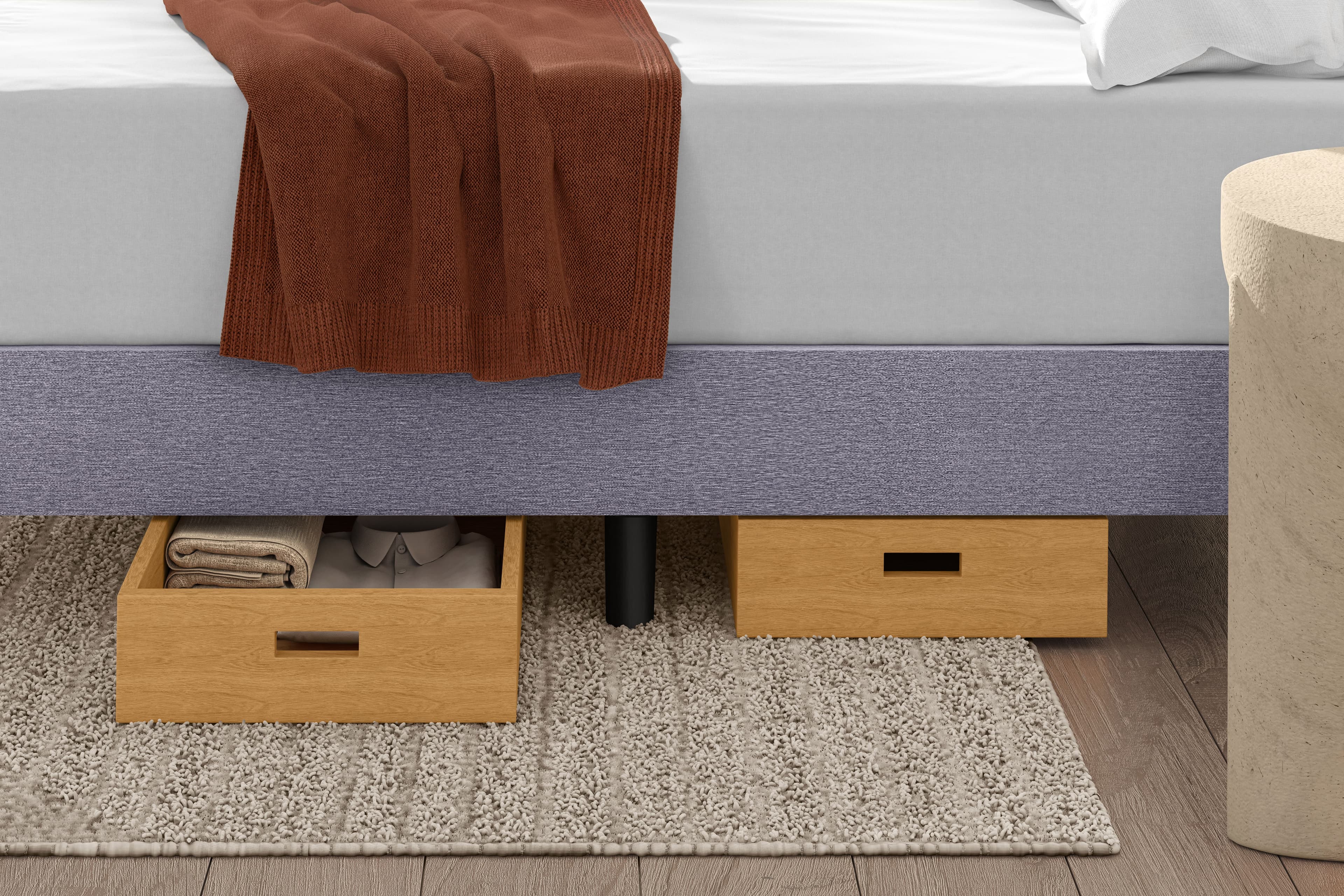
Credit: www.leesa.com
Alternative Support Options
Memory foam mattresses need solid support to last long and feel comfortable. Box springs are not the only way to support them. Many other bed frames work well with memory foam.
These options provide good stability and allow your mattress to perform properly. Below are some common alternatives to box springs.
Platform Beds
Platform beds have a flat, sturdy surface that supports your mattress evenly. They do not need a box spring. The solid base prevents sagging and keeps the mattress firm.
Many platform beds are stylish and low to the ground. They also offer good airflow to keep the mattress fresh.
Slatted Bed Frames
Slatted bed frames use wooden or metal slats spaced evenly across the frame. The slats support the mattress and allow air to flow underneath.
Make sure the slats are close together, usually less than 3 inches apart. This spacing prevents the mattress from sagging and extends its life.
- Slats should be strong and sturdy
- Spacing should be no more than 3 inches
- Check weight limits of the frame
Adjustable Bases
Adjustable bases let you raise or lower the head and foot of the bed. They work well with memory foam mattresses because foam can bend without damage.
These bases provide extra comfort and support. They do not require a box spring, as they have a solid platform or slats built in.
Impact On Mattress Longevity
Memory foam mattresses need proper support to last long. Using the right base can protect the mattress from damage.
Box springs are one option, but not always required. The base type affects how the mattress holds up over time.
Support And Durability
Memory foam mattresses need a flat and firm surface for support. This stops the foam from sagging or wearing out fast.
A box spring may not provide the best support because it is made for innerspring mattresses. Solid platforms or slatted beds with close slats work better.
- Use a solid platform for steady support
- Slatted bases should have slats less than 3 inches apart
- Box springs can cause uneven support and wear
Warranty Considerations
Many memory foam mattress warranties need proper support. Using the wrong base may void the warranty.
Check the warranty rules before choosing a box spring or other base. Following guidelines helps keep the warranty valid.
- Read mattress warranty terms carefully
- Use recommended foundations to avoid issues
- Keep receipts and proof of proper support

Credit: www.yahoo.com
Expert Tips For Choosing Support
Choosing the right support for your memory foam mattress is important. It helps the mattress last longer and keeps you comfortable.
Not all mattresses need a box spring. Knowing what kind of base works best can save you money and improve your sleep.
Matching Mattress And Base
Memory foam mattresses work best with flat, firm bases. A solid platform or slatted frame with close slats supports the mattress well.
Using a box spring with a memory foam mattress is usually not needed. It may cause the mattress to sag or wear out faster.
- Choose a platform bed with a solid surface
- Use a slatted base with slats no more than 3 inches apart
- Avoid traditional box springs made for innerspring mattresses
Signs Of Inadequate Support
Watch for dips or sagging in your mattress. These signs mean the base is not supporting the mattress well.
Other signs include noise from the base or mattress feeling uneven. Poor support can cause discomfort and reduce mattress life.
- Mattress edges sagging or sinking
- Unusual creaking sounds when moving
- Feeling pressure points or uneven surface
- Mattress feels softer or less supportive over time
Frequently Asked Questions
Do Memory Foam Mattresses Need Box Springs?
Memory foam mattresses do not require box springs. They work best on a solid, flat surface. A platform bed or slatted foundation offers the necessary support. This ensures the mattress performs optimally and maintains its longevity.
What Is The Best Base For Memory Foam?
The best base for memory foam is a solid platform bed. It provides even support and enhances the mattress's comfort. Slatted foundations with closely spaced slats also work well. Avoid using box springs as they can compromise support.
Can You Put Memory Foam On Slats?
Yes, memory foam can be placed on slats. Ensure the slats are no more than 3 inches apart. This provides adequate support and prevents sagging. A slatted foundation enhances the mattress's performance and lifespan.
Does Using A Box Spring Affect Memory Foam?
Using a box spring can affect memory foam negatively. Box springs don't provide uniform support needed. This can lead to premature sagging and reduced comfort. Opt for a solid platform or closely spaced slatted foundation instead.
Conclusion
Memory foam mattresses need a solid base for proper support. A box spring may work, but a platform or slatted bed frame often suits better. These provide good ventilation and prevent mattress sagging. Choosing the right foundation helps keep your mattress comfortable and durable.
Think about your bed frame’s design and mattress warranty rules. Proper support means better sleep and longer mattress life. Simple steps make a big difference in comfort and mattress care.