Your outdoor furniture can easily get blown away by strong winds, ruining your setup and causing damage. You want your space to stay cozy and secure, no matter the weather.
But how do you keep your chairs, tables, and umbrellas from shifting or tipping over? You’ll discover simple and effective ways to weigh down your outdoor furniture. These tips will help you protect your investment and enjoy your outdoor space without worry.
Keep reading to find out how easy it is to make your furniture steady and safe.

Credit: www.amazon.com
Choosing The Right Weights
Weighing down outdoor furniture keeps it from moving in wind. The right weight stops tipping and damage.
Pick weights based on your furniture type and outdoor space. Safety and ease matter when choosing.
Heavy-duty Sandbags
Sandbags are strong and easy to use. They fit around furniture legs and add good weight.
Use bags made from tough fabric to resist tears. They work well on patios and decks.
Concrete Blocks And Bricks
Concrete blocks and bricks provide solid weight for heavy furniture. They stay in place well.
You can stack them or set one block per leg. Make sure edges won’t damage floors or furniture.
- Use smooth blocks to avoid scratches
- Place pads under blocks for wood decks
- Stack carefully to keep stable
Water-filled Weights
Water-filled weights are light when empty and heavy when filled. They are easy to move and store.
Fill them with water outdoors to add weight. Empty before cold weather to avoid damage.
Metal Chains And Anchors
Metal chains and anchors secure furniture to the ground. They are very strong and hard to move.
Use anchors designed for outdoor use. Check that chains do not scratch or damage the furniture.
- Choose rust-resistant metal
- Secure anchors deep in soil or concrete
- Use protective covers on chains

Credit: www.amazon.com
Securing Furniture With Straps
Outdoor furniture can move or tip over in strong winds. Using straps helps keep furniture stable. Straps hold items tightly in place.
This guide shows how to use straps to weigh down outdoor furniture. It covers types of straps, where to place them, and using ratchet straps.
Types Of Straps To Use
Choose strong straps made from durable materials. Nylon and polyester straps resist weather and stretch less.
Flat straps work well for wrapping around furniture. Round cords or bungee cords can also help, but they stretch more.
- Nylon straps are strong and weather-resistant
- Polyester straps have low stretch and good durability
- Bungee cords stretch but provide some hold
- Flat straps distribute pressure evenly
Proper Strap Placement
Place straps where they hold furniture firmly without damage. Wrap straps around the legs or base for good support.
Secure the straps tightly but not so tight they cut into the furniture. Check that straps do not block moving parts or damage cushions.
- Wrap straps around legs or base
- Keep straps tight but not too tight
- Avoid covering cushions or movable parts
- Check strap placement for stability
Using Ratchet Straps For Extra Hold
Ratchet straps provide a very strong hold. They allow you to tighten the strap securely and lock it in place.
Use ratchet straps on heavy furniture or in windy areas. These straps reduce slipping and keep furniture stable for longer times.
- Use ratchet straps for heavy or large furniture
- Tighten straps carefully using the ratchet mechanism
- Lock the ratchet to prevent loosening
- Check straps regularly for tightness
Using Furniture Anchors
Outdoor furniture can move or tip over in strong winds. Furniture anchors help keep your furniture in place. They add safety and protect your furniture.
Anchors come in many types. Choosing the right one depends on your furniture and surface type.
Ground Stakes And Pegs
Ground stakes and pegs are simple anchors. You drive them into the ground to hold furniture legs or frames.
They work best on soft surfaces like soil or grass. Stakes are strong and resist pulling forces from wind.
- Choose stakes made of metal for strength
- Use long stakes for deeper grip
- Drive stakes at an angle for better hold
- Check stakes regularly for loosening
Anchor Kits For Different Surfaces
Anchor kits are ready-made sets with straps, stakes, or screws. They suit various surfaces like concrete, wood, or grass.
Select kits based on your surface type and furniture weight. Some kits include heavy-duty straps for extra hold.
- Concrete anchors use expansion bolts or screws
- Wood anchors use screws or lag bolts
- Soft ground anchors use stakes and straps
- Check kit weight limits before buying
Installation Tips For Stability
Proper installation ensures furniture stays steady. Follow these tips to install anchors correctly.
- Clean the surface before installing anchors
- Measure anchor positions carefully
- Use a hammer or drill as needed
- Secure straps tightly but avoid damage
- Test stability by gently pushing furniture
- Check anchors regularly and retighten
Diy Weight Solutions
Outdoor furniture can move or tip over in strong winds. Adding weight keeps it steady. You can make your own weights at home.
Using simple materials, you can secure your furniture without buying special products. This saves money and uses what you already have.
Filling Containers With Sand Or Gravel
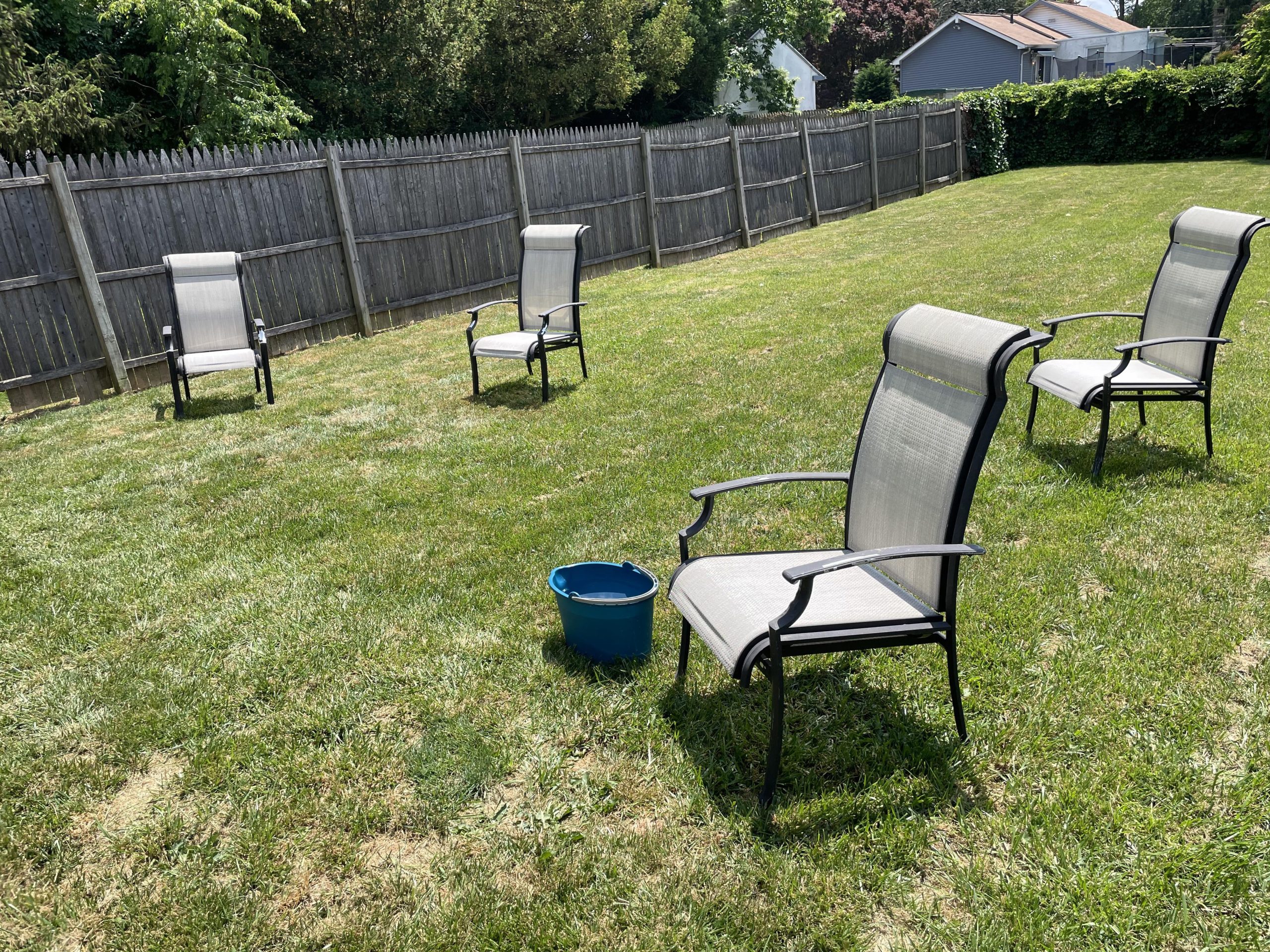
Fill plastic containers with sand or gravel to create heavy weights. Choose containers with lids to keep the material inside.
Place these filled containers under furniture legs or inside hollow bases for stability. This method is easy and affordable.
- Use buckets, old watering cans, or storage bins
- Seal containers tightly to avoid spills
- Adjust weight by adding more or less sand/gravel
Repurposing Household Items
Look around your home for heavy items that can weigh down furniture. Old bricks, books, or metal tools work well.
Wrap or cover these items to protect your furniture and keep the look neat. Use what you have to avoid extra costs.
- Stack bricks or stones near the base
- Use weighted bags or backpacks filled with heavy objects
- Place metal weights or toolboxes under furniture legs
Creating Custom Weight Covers
Make covers for your weights to match your outdoor decor. Use fabric, old cushions, or waterproof materials to hide the weights.
Custom covers protect the weights from weather and keep your furniture area tidy. Sew or glue the covers around your weights.
- Use canvas or outdoor fabric for durability
- Add ties or Velcro for easy removal
- Choose colors that blend with your furniture
Maintenance And Safety Tips
Weighing down outdoor furniture keeps it stable during wind and bad weather. Proper care helps your furniture last longer and stay safe.
Follow simple steps to check weights, protect them, and avoid damage to your furniture.
Regular Weight Checks
Check the weights on your outdoor furniture often. This helps you see if they have moved or lost weight.
Look for signs like shifting or tipping. Add more weight if needed to keep furniture steady.
- Inspect weights weekly during windy seasons
- Ensure weights stay firmly attached
- Replace worn or broken weights promptly
Protecting Weights From Weather
Weather can damage weights over time. Rain, sun, and snow can cause rust or wear.
Cover weights with waterproof materials or move them indoors when not in use. This keeps them strong and safe.
- Use waterproof covers to shield weights
- Store weights inside during storms or winter
- Check for rust or cracks regularly
Avoiding Damage To Furniture
Heavy weights can scratch or dent furniture. Use soft pads between weights and furniture legs.
Handle weights gently to stop dropping or banging. This protects your furniture’s finish and structure.
- Place rubber or felt pads under weights
- Lift weights carefully, do not drag
- Check furniture for marks or dents often

Credit: www.amazon.com
Frequently Asked Questions
How To Secure Outdoor Furniture From Wind?
To secure outdoor furniture from wind, use heavy-duty furniture weights or anchors. Alternatively, consider using sandbags or water-filled bases. Positioning furniture in sheltered areas can also help. Fastening items to each other or to a sturdy structure can prevent movement during strong gusts.
What Materials Weigh Down Furniture Best?
Concrete, sand, and water are excellent materials for weighing down furniture. Concrete is heavy and durable. Sand is versatile and easy to use. Water-filled bases provide weight and stability. Choose materials based on your furniture type and aesthetic preferences.
Are There Diy Methods To Weigh Down Furniture?
Yes, you can use DIY methods to weigh down furniture. Fill plant pots with rocks or sand and place them around furniture legs. Use bungee cords to secure furniture to nearby structures. Repurpose old weights or gym equipment to add stability.
Can Outdoor Rugs Help Stabilize Furniture?
Outdoor rugs can help stabilize furniture by providing traction and reducing sliding. They create friction between furniture legs and the ground. Choose a heavy, weather-resistant rug for best results. Ensure the rug is large enough to cover the entire furniture area.
Conclusion
Weighing down outdoor furniture keeps it safe from wind and damage. Use heavy objects or special weights to hold furniture in place. Choose methods that fit your furniture type and outdoor space. Secure furniture before storms or strong winds arrive.
This simple step protects your investment and keeps your area neat. Stay prepared, and enjoy your outdoor space without worry. Easy and effective ways make your furniture stable and secure.