Winter is tough on your outdoor furniture. If you want to keep your pieces looking great year after year, knowing how to store them properly is key.
You might think just leaving them outside or covering them with a tarp is enough, but that can lead to damage, rust, or fading. You’ll discover simple, effective ways to protect your outdoor furniture from cold, moisture, and pests. By the time you finish reading, you’ll have the confidence to make your furniture last through the winter and shine again come spring.
Let’s get started!

Credit: serwalloutdoor.com
Prepare Furniture For Storage
Storing outdoor furniture properly protects it during winter months. Good preparation helps keep your furniture in great shape.
Follow simple steps to clean, dry, and check your furniture before storing it away.
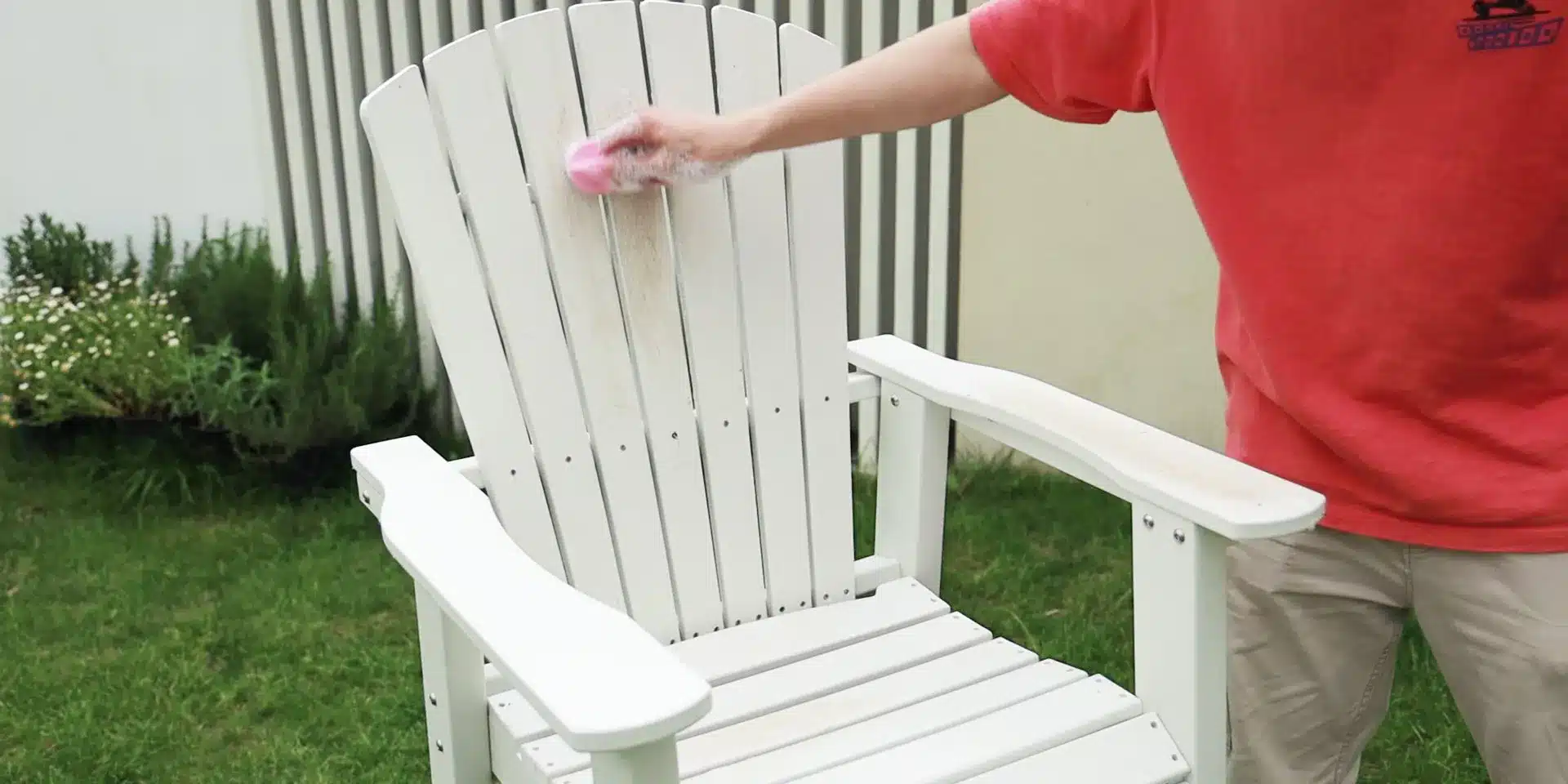
Clean Thoroughly
Remove all dirt, dust, and stains from your furniture. Use mild soap and water for cleaning.
Clean every part, including cushions and crevices, to avoid mold and mildew growth.
- Use a soft brush or cloth
- Rinse with clean water
- Avoid harsh chemicals
Dry Completely
Make sure furniture is fully dry before storing. Moisture causes rust and mold during storage.
Air dry outside or use towels to remove moisture from cushions and surfaces.
- Leave furniture in the sun if possible
- Check cushions for dampness
- Dry metal parts to prevent rust
Inspect For Damage
Look over your furniture for cracks, chips, or loose parts. Fix problems before storing.
Repairing damage early helps keep furniture safe and ready for use next season.
- Check joints and screws
- Look for worn or torn fabric
- Note any rust or corrosion
Choose The Right Storage Spot
Storing outdoor furniture in winter keeps it safe and lasts longer. Picking the right spot protects it from damage.
Think about space, weather, and how easy it is to access your furniture. This helps you find the best place to store it.
Indoor Vs. Outdoor Options
Indoor spots like garages or basements protect furniture from harsh weather. Outdoor covers can work but need care.
Indoor storage keeps furniture cleaner and safer from wind and snow. Outdoor storage needs strong covers and good placement.
- Indoor: garage, basement, shed
- Outdoor: covered patio, under a sturdy tarp
- Indoor storage is usually better for delicate materials
Avoid Moisture And Pests
Moisture can cause wood to rot and metal to rust. Pests like insects and rodents can damage cushions and wood.
Choose a dry place to store furniture. Check the area for signs of pests before storing.
- Use waterproof covers if outdoors
- Keep furniture off the ground to avoid dampness
- Seal cracks and holes to keep pests out
Ensure Proper Ventilation
Good airflow stops mold and mildew from growing on your furniture. It also helps keep materials dry.
Do not wrap furniture too tightly. Leave space for air to move around each piece.
- Use breathable furniture covers
- Store furniture with space between pieces
- Avoid plastic sheets that trap moisture
Protect Furniture With Covers
Outdoor furniture needs protection during winter months. Covers help keep your furniture safe from snow, rain, and cold.
Using the right covers can extend your furniture's life and keep it looking good for years.
Select Weather-resistant Covers
Choose covers made from materials that resist rain, snow, and wind. These keep water out and protect your furniture from damage.
Look for covers labeled as waterproof or weather-resistant. They work best in harsh winter conditions.
Secure Covers Properly
Make sure covers fit tightly over your furniture. Loose covers can blow away or let snow inside.
Use straps, ties, or weights to hold covers in place. Check covers regularly to keep them secure.
- Use elastic hems for snug fit
- Fasten straps under furniture legs
- Add weights to corners if windy
- Adjust covers after strong winds
Use Breathable Materials
Pick covers with breathable fabric to stop moisture buildup. Trapped moisture can cause mold and mildew.
Breathable covers let air pass while keeping rain out. This keeps furniture dry and fresh during winter.
Disassemble And Store Parts
Storing outdoor furniture properly in winter helps protect it from damage. Taking apart pieces makes storage easier and saves space.
Disassembling also prevents parts from breaking or warping during cold weather. Keep everything safe and ready for next season.
Remove Cushions And Fabrics
Take off all cushions, pillows, and fabric covers from your furniture. Moisture and cold can cause mold and mildew on these items.
Clean and dry each cushion and fabric before storing. Use airtight bags or plastic bins to keep them dry and dust-free.
Store Small Components Safely
Keep screws, bolts, and small parts in one place to avoid losing them. Use small containers or sealable bags for storage.
Store these containers in a dry area to prevent rust and corrosion. This will help keep all parts in good condition.
- Use clear plastic bags or small boxes
- Label each container with the furniture name
- Keep containers together in one storage box
Label Parts For Easy Reassembly
Mark each furniture part with a label before storing. This makes putting the furniture back together faster and easier.
Use masking tape or stickers to write part names or numbers. Keep instructions or photos with the parts if possible.
- Label legs, arms, and panels clearly
- Store labels in a visible place on each part
- Keep assembly instructions with the parts
Maintain Furniture During Winter
Storing outdoor furniture in winter needs care to keep it in good shape. Proper maintenance helps your furniture last longer.
Simple steps can protect your furniture from damage caused by cold and wet weather.
Check For Moisture Build-up
Moisture can damage outdoor furniture if it stays trapped. Check your furniture often for water or damp spots.
Look under cushions and inside crevices where water can collect. Dry any wet areas quickly to prevent mold or rust.
- Remove cushions and dry them separately
- Wipe down surfaces with a dry cloth
- Use a fan or open space to air out furniture
Reapply Protective Coatings
Protective coatings keep outdoor furniture safe from weather damage. Check if paint, varnish, or sealant is wearing off.
Reapply coatings before winter to add a strong barrier against moisture and cold. This helps prevent cracking and fading.
- Clean the furniture before applying new coatings
- Use weatherproof paint or sealant
- Apply thin, even layers for best protection
Rotate Or Reposition If Needed
Furniture placed in one spot may wear unevenly. Move pieces now and then to avoid damage from sun or moisture.
Changing the position helps furniture dry evenly and reduces pressure on weak spots. This keeps furniture stable through winter.
- Shift furniture away from direct rain or snow
- Elevate furniture off the ground to avoid dampness
- Turn pieces to expose different sides to air

Credit: serwalloutdoor.com
Credit: serwalloutdoor.com
Frequently Asked Questions
How To Clean Outdoor Furniture Before Storage?
Before storing, clean your furniture with mild soap and water. Remove dirt and debris using a soft brush. For stubborn stains, use a specialized cleaner suitable for the material. Ensure the furniture is completely dry to prevent mold and mildew growth during storage.
Can I Leave Outdoor Furniture Outside In Winter?
Leaving outdoor furniture outside in winter is not recommended. Harsh weather conditions can damage materials. Store furniture in a dry, sheltered place. Use protective covers if indoor storage is not possible. This extends the lifespan and maintains the appearance of your furniture.
What Materials Withstand Winter Weather Best?
Teak, aluminum, and all-weather wicker withstand winter weather well. Teak naturally resists moisture and pests. Aluminum is lightweight and rust-resistant. All-weather wicker is durable and low-maintenance. Despite their resilience, storing these materials indoors during winter is still advisable for longevity.
Is It Necessary To Cover Outdoor Furniture?
Covering outdoor furniture is necessary, especially if left outside. Covers protect against moisture, dirt, and UV rays. Opt for breathable, weather-resistant covers for best results. This precaution helps maintain your furniture's condition, reducing potential damage and prolonging its usability.
Conclusion
Storing outdoor furniture properly protects it from winter damage. Clean and dry each piece before putting it away. Use covers or store furniture indoors for best results. Keep items off the ground to avoid moisture. Check your storage area for pests and dampness.
Taking these simple steps saves money on repairs. Your furniture will stay nice and ready for spring. A little effort now means long-lasting enjoyment later. Ready for winter? Yes, you are.