You’ve invested in a memory foam mattress because you value comfort and quality sleep. But what happens when you need to store it?
Storing your memory foam mattress the wrong way can cause damage, reduce its lifespan, and ruin your investment. You want to keep it fresh, clean, and ready for use when the time comes. You’ll discover simple, effective tips to store your mattress safely.
Follow these steps, and you’ll protect your mattress just like a pro—making sure it feels as good as new every time you lay down. Keep reading to learn exactly how to do it right.
Credit: www.tomsguide.com
Prepare Mattress For Storage
Storing a memory foam mattress properly keeps it fresh and lasts longer. You need to prepare it before putting it away.
Taking time to clean and remove items helps protect the mattress from damage and smells.
Clean And Dry Thoroughly
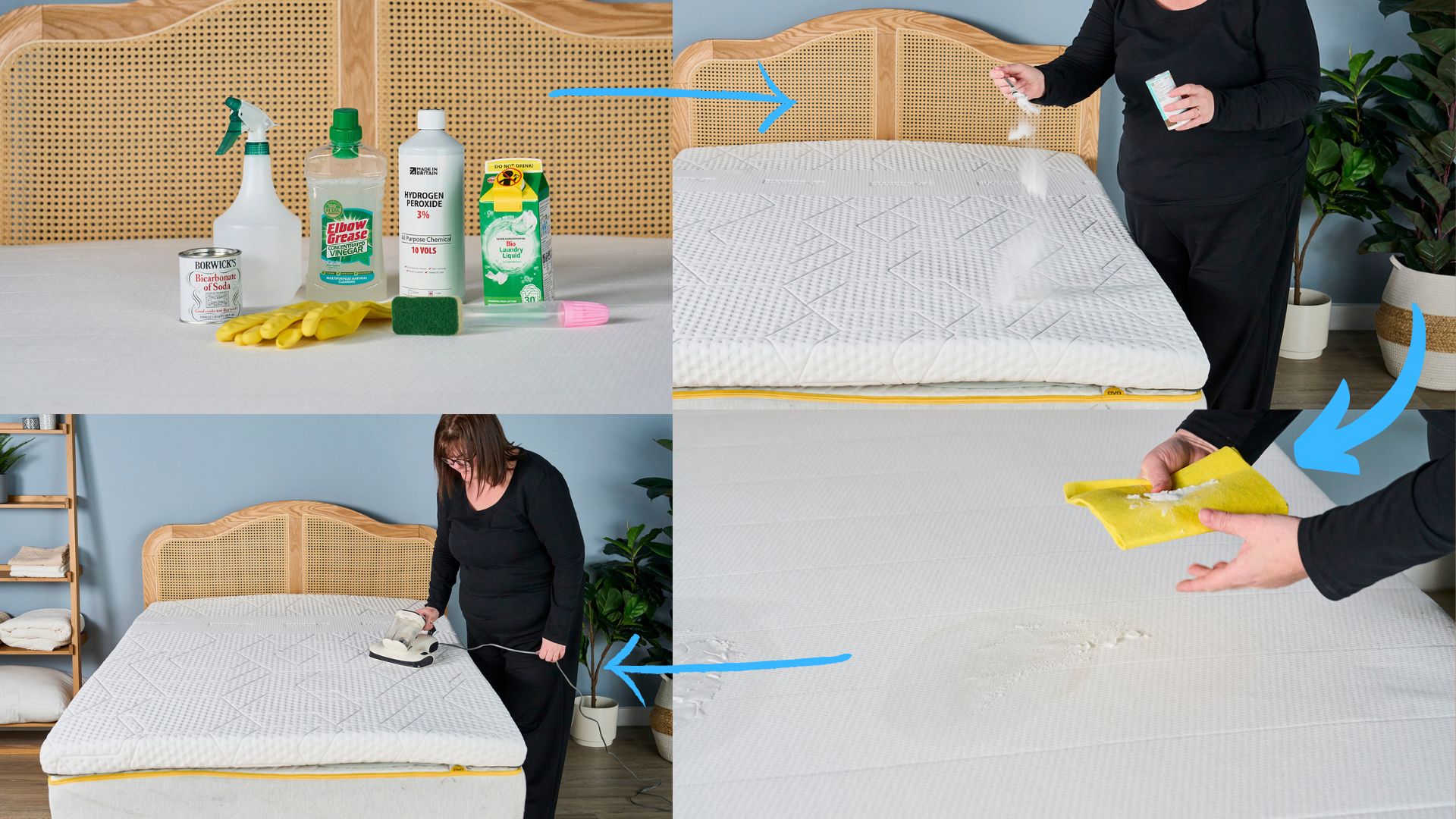
Make sure the mattress is clean before storing it. Dirt and moisture can cause mold and bad odors.
Use a vacuum cleaner to remove dust and debris. Spot clean stains with mild soap and water. Let the mattress dry completely in a well-ventilated area.
- Vacuum all sides of the mattress
- Use mild soap for stains
- Dry fully before storage
- Avoid direct sunlight to prevent damage
Remove Bedding And Accessories
Remove all sheets, mattress protectors, and pillows before storing. These items can trap moisture and cause mold.
Store bedding separately in a clean, dry place. This keeps the mattress fresh and ready to use later.
Choose The Right Storage Location
Storing a memory foam mattress properly helps it last longer. Picking a good place keeps it safe from damage.
Think about the space before you store your mattress. A poor spot can cause mold or warping.
Avoid Moisture And Humidity
Moisture harms memory foam. It can cause mold, mildew, and bad smells. Keep your mattress away from damp areas.
Rooms like basements or garages often have high humidity. Avoid these places for mattress storage.
- Use a dehumidifier if the space is slightly damp
- Store mattress off the floor to avoid moisture
- Cover mattress with a breathable fabric cover
Select A Temperature-controlled Space
Memory foam works best in stable temperatures. Too hot or cold can break down the foam faster.
Choose a spot where the temperature stays steady. Avoid places that get very hot in summer or cold in winter.
- Ideal temperature range: 60°F to 75°F (15°C to 24°C)
- Keep mattress away from direct sunlight
- Avoid areas near heating or cooling vents
Use Proper Covering Materials
Storing a memory foam mattress correctly keeps it clean and fresh. Using the right covering materials helps prevent damage during storage.
Choosing covers that protect but allow the mattress to breathe is very important. This stops moisture and mold from growing inside.
Opt For Breathable Covers
Breathable covers let air flow through the mattress. This helps stop moisture buildup and keeps the foam healthy.
Use covers made from cotton or mesh fabric. These materials are soft and allow air to move freely.
- Prevents mold and mildew growth
- Keeps mattress dry and fresh
- Protects from dust and dirt
Avoid Plastic Wrapping
Plastic wraps trap moisture inside the mattress. This can cause mold and damage the foam over time.
Avoid using plastic covers when storing your mattress. Instead, pick materials that allow air to circulate well.

Credit: www.paroissestpaul.ca
Store Mattress Correctly
Storing a memory foam mattress properly keeps it in good shape. It helps the mattress last longer and stay comfortable.
Follow simple steps to avoid damage and keep the mattress clean and fresh during storage.
Store Flat Instead Of Upright
Always store your memory foam mattress flat on a clean surface. Standing it upright can cause the foam to bend or warp.
Flat storage helps the mattress keep its shape and prevents permanent damage to the foam layers.
- Place the mattress on a flat, dry surface
- Avoid leaning the mattress against walls
- Ensure the storage area has good airflow
Avoid Placing Heavy Objects On Top
Do not put heavy items on the mattress while storing it. Weight can compress the foam and cause dents.
Keeping the mattress free from pressure protects its comfort and support for future use.
- Keep storage area clear of heavy boxes or furniture
- Use a protective cover to keep dust off
- Check mattress regularly to avoid damage
Maintain Mattress During Storage
Storing a memory foam mattress properly keeps it fresh and lasts longer. You must care for it while in storage.
Simple steps help avoid damage and keep the mattress comfortable for future use.
Regularly Air Out Mattress
Air out the mattress every few weeks. This stops moisture build-up that can cause mold or odors.
Place the mattress in a dry, clean area with good airflow. Let fresh air reach all sides.
- Remove any covers before airing
- Lift and tilt the mattress to air both sides
- Avoid direct sunlight to prevent damage
- Keep the area dry and dust-free
Check For Signs Of Damage
Inspect the mattress regularly for tears, stains, or mold. Early checks help stop bigger problems.
Look closely at seams and edges. These spots can wear out or gather dirt.
- Feel for soft spots or lumps
- Look for discoloration or stains
- Check for mold or mildew smell
- Fix small tears with fabric glue or patch
Credit: www.tomsguide.com
Prepare Mattress For Use After Storage
After storing a memory foam mattress, you need to get it ready for use. Proper preparation helps your mattress feel comfortable again.
This guide shows simple steps to prepare your mattress before sleeping on it.
Allow Mattress To Regain Shape
Memory foam can compress when stored. Let the mattress sit flat in a room for a full day. This helps it return to its original shape.
Make sure the room has good air flow. Avoid placing heavy objects on the mattress during this time.
- Unroll the mattress carefully
- Lay it flat on a clean surface
- Leave it for at least 24 hours
- Keep the area dry and ventilated
Clean Before Use
Dust and dirt can settle on the mattress during storage. Clean it gently before use to keep it fresh and healthy.
Use a vacuum cleaner with a soft brush attachment. Spot clean any stains with mild soap and water. Let the mattress dry completely before putting sheets on it.
- Vacuum entire surface
- Spot clean stains carefully
- Use mild soap and water only
- Allow mattress to air dry fully
Frequently Asked Questions
How To Clean A Memory Foam Mattress Before Storage?
To clean a memory foam mattress, first vacuum both sides thoroughly. Use mild detergent mixed with water for spot cleaning stains. Avoid soaking the foam. Let it air dry completely before storing to prevent mold. Ensure the mattress is dry and clean to maintain its quality during storage.
Can You Roll A Memory Foam Mattress For Storage?
Yes, you can roll a memory foam mattress for storage. However, be cautious to avoid damaging the foam. Use a mattress bag to protect it from dust and moisture. Rolling it tightly helps save space, but don't leave it rolled for too long to preserve its shape.
What Is The Best Way To Store A Memory Foam Mattress?
The best way to store a memory foam mattress is flat in a cool, dry area. Use a breathable mattress cover to protect it. Avoid storing it upright, as this can cause sagging. Ensure the storage area is free from moisture and pests to maintain mattress integrity.
How Long Can You Store A Memory Foam Mattress?
A memory foam mattress can be stored for several months if conditions are optimal. Ensure it's kept in a dry, temperature-controlled environment. Regularly check the storage area for moisture or pests. Proper storage techniques will ensure the mattress remains in good condition for future use.
Conclusion
Storing a memory foam mattress properly keeps it fresh and comfortable. Choose a dry, cool place to avoid mold and damage. Roll or fold it gently without squeezing too hard. Use a breathable cover to protect from dust and dirt.
Check the mattress occasionally to ensure it stays in good shape. Taking these simple steps helps your mattress last longer. Enjoy better sleep whenever you use it again. Easy care makes a big difference for memory foam mattresses.