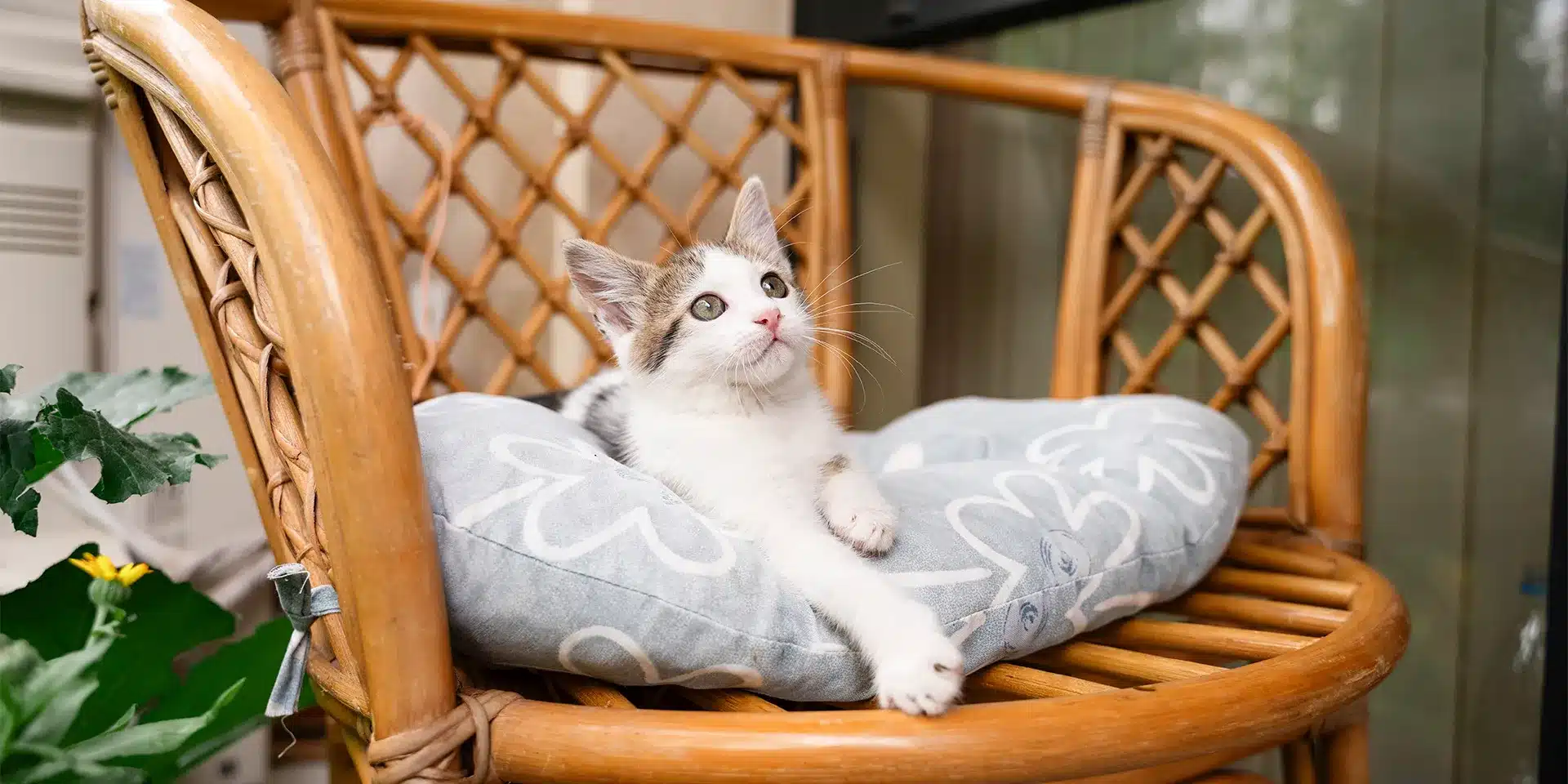
Are your outdoor furniture cushions looking tired and worn out? You don’t have to buy new pieces to refresh your patio.
Imagine turning your old, faded cushions into something vibrant and comfortable again—all by yourself. Reupholstering outdoor furniture can save you money and give your space a fresh, personalized look. In this guide, you’ll discover simple steps to bring new life to your outdoor seating.
Ready to transform your furniture and enjoy your outdoor space like never before? Let’s dive in!

Credit: thevspotblog.com
Tools And Materials Needed
Reupholstering outdoor furniture helps refresh old pieces. You need the right tools and materials to do the job well.
This guide covers what fabrics and tools are best for outdoor furniture reupholstery.
Choosing The Right Fabric
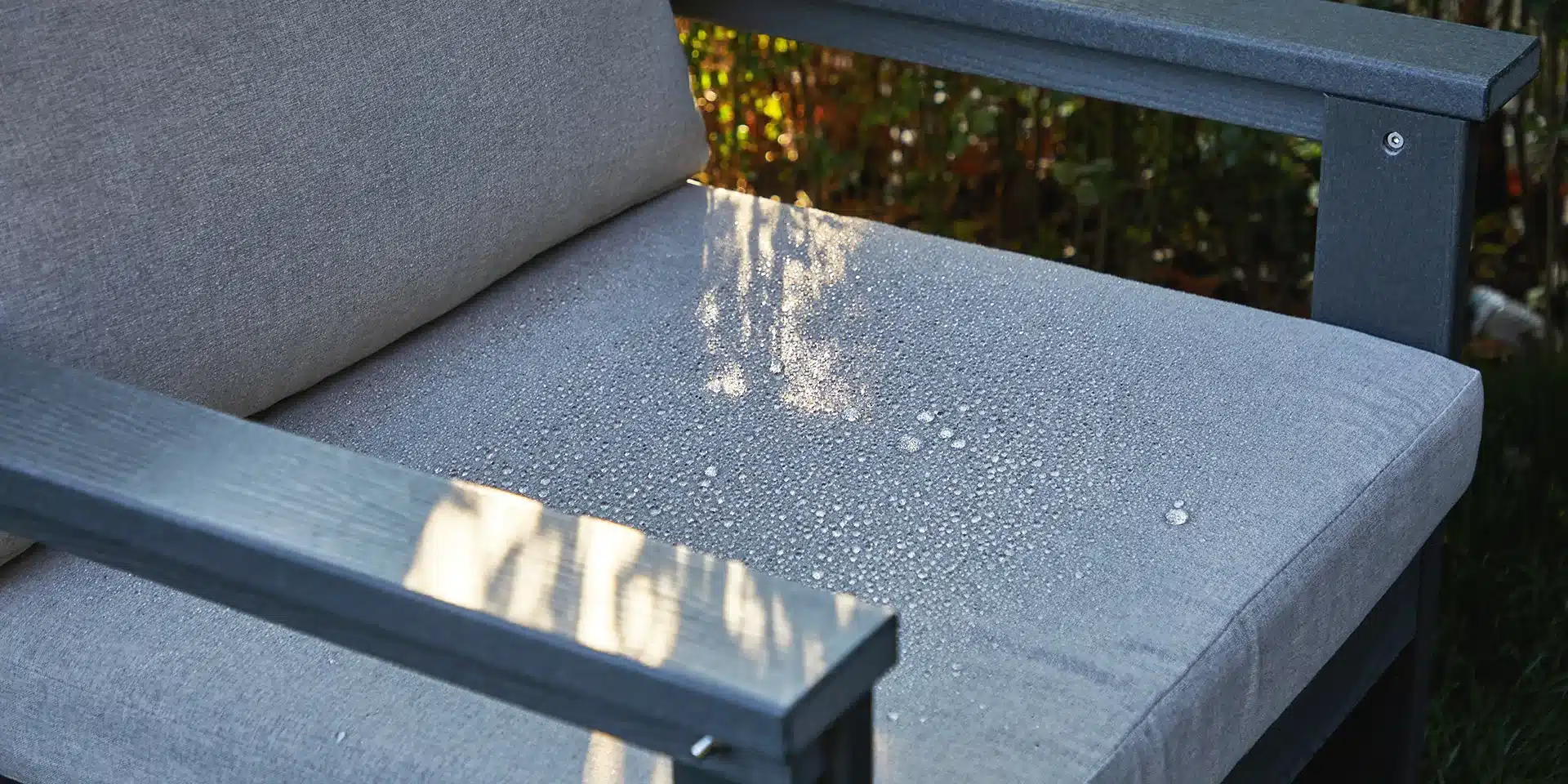
Outdoor furniture fabric must resist water and sun damage. It should be strong and easy to clean.
Look for fabrics that are made for outdoor use. These fabrics last longer and keep their color.
- Solution-dyed acrylic: Fades slowly and resists stains
- Olefin fabric: Water-resistant and mildew-proof
- Polyester with PVC coating: Durable and easy to clean
- Textilene mesh: Breathable and quick-drying
- Sunbrella fabric: Popular for outdoor durability
Essential Tools Checklist
Use good tools to make reupholstering easier and faster. Keep everything ready before you start.
- Staple gun with outdoor staples
- Scissors or fabric shears
- Screwdriver or drill to remove old fabric
- Measuring tape for accurate cuts
- Needle-nose pliers to pull out staples
- Fabric glue (optional for extra hold)
- Chalk or fabric marker to mark cuts
- Rubber mallet for frame adjustments
- Protective gloves to avoid injuries
Preparing Your Furniture
Before you start reupholstering, you need to prepare your outdoor furniture. This step helps you get the best results. It includes cleaning, inspecting, and removing old materials.
Proper preparation makes your furniture ready for new fabric and padding. It also helps you find any damage that needs fixing.
Cleaning And Inspecting
Clean your furniture well to remove dirt and debris. Use a brush or cloth and mild soap with water. Let it dry completely before moving on.
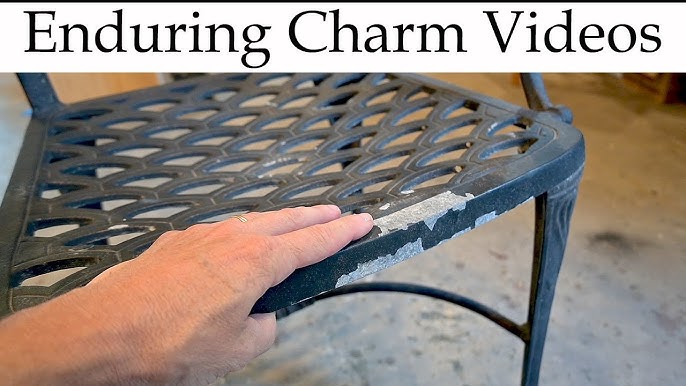
Check all parts carefully. Look for cracks, rust, or loose joints. Make a note of what needs repair or replacement.
- Remove all cushions and fabric pieces
- Clean frame and any metal parts
- Inspect wood or metal for damage
- Check screws and joints for stability
Removing Old Upholstery
Take off old fabric carefully to avoid damage to the frame. Use pliers or a staple remover to pull out staples or tacks.
Remove old padding and any nails or staples left behind. Clean the surface so the new fabric will stick well.
- Start at one corner and work slowly
- Keep old fabric pieces to use as a template
- Remove all staples, nails, and tacks
- Clear away dust and old padding
Measuring And Cutting Fabric
Reupholstering outdoor furniture starts with measuring and cutting fabric correctly. Accurate work helps the fabric fit perfectly and last longer.
Taking careful steps during measuring and cutting saves time and avoids waste. It also makes your furniture look neat and fresh.
Taking Accurate Measurements
Use a tape measure to get the exact size of each furniture part. Measure the length, width, and thickness of cushions or seats.
Write down all measurements clearly. Add a few extra inches for seams and tucking the fabric around edges.
- Measure twice to avoid mistakes
- Include extra fabric for wrapping and seams
- Note down all dimensions carefully
Cutting Fabric For Precision
Spread the fabric on a flat surface before cutting. Use sharp scissors or a rotary cutter to get clean edges.
Follow your measurements closely and cut slowly. Mark cutting lines with chalk or a fabric marker for better accuracy.
- Place fabric on a smooth, clean surface
- Mark fabric with chalk before cutting
- Cut slowly to keep edges straight
- Use sharp tools for clean cuts

Credit: www.sunbrella.com
Attaching The New Fabric
Attaching new fabric is a key part of reupholstering outdoor furniture. It gives your furniture a fresh, clean look.
Careful placement and secure attachment help the fabric last longer outdoors.
Positioning And Securing Fabric
Start by laying the fabric over the furniture. Make sure it covers all areas evenly.
Pull the fabric tight but do not stretch it too much. This keeps it smooth and neat.
- Align fabric edges with furniture edges
- Smooth out wrinkles before securing
- Leave extra fabric to wrap around edges
- Check fabric pattern direction if needed
Using Staple Guns Effectively
Use a staple gun to attach fabric to the frame. Start stapling in the center of one side.
Work your way outwards, adding staples every few inches. Pull the fabric tight before each staple.
- Use outdoor or rust-resistant staples
- Staple at a 45-degree angle for better hold
- Keep staples close but avoid bunching fabric
- Trim excess fabric after stapling
Finishing Touches
After reupholstering your outdoor furniture, the last steps make a big difference. These touches protect the fabric and give a neat look.
Focus on trimming extra material and adding coatings. These tasks keep your furniture looking great and lasting longer.
Trimming Excess Material
Cut away any fabric that sticks out past the edges. Use sharp scissors for a clean cut. Be careful not to cut too close to the staples or tacks.
Leave about half an inch of extra fabric to keep the covering secure. This helps stop the fabric from fraying or pulling loose over time.
Adding Protective Coatings
Apply a fabric protector to guard against water, dirt, and sun damage. Choose a spray made for outdoor fabrics. Test on a small area first.
Reapply the coating yearly to keep your furniture safe. This step helps your outdoor pieces stay fresh and clean longer.
Maintenance Tips
Keeping your reupholstered outdoor furniture in good shape helps it last longer. Regular care prevents damage and keeps the fabric looking fresh.
Follow simple steps to clean and protect your furniture from weather effects. This guide shows how to maintain your pieces well.
Cleaning Your Reupholstered Furniture
Clean your furniture often to remove dirt and dust. Use a soft brush or vacuum with a brush attachment to avoid hurting the fabric.
Spot clean stains quickly with mild soap and water. Avoid strong chemicals that can fade or damage the fabric.
- Brush or vacuum weekly to remove loose dirt
- Mix mild soap with warm water for cleaning
- Use a soft cloth to gently wipe the fabric
- Rinse with clean water and let air dry
- Treat stains immediately for best results
Protecting Fabric From Weather
Outdoor furniture faces sun, rain, and wind. Protect the fabric by using covers or storing pieces in a dry place during bad weather.
Apply fabric protectors that block UV rays and repel water. These help keep your upholstery strong and prevent fading.
- Use waterproof covers when not in use
- Store furniture indoors during heavy rain or snow
- Apply UV-resistant fabric spray every few months
- Keep furniture away from direct sunlight if possible
Credit: www.idealhome.co.uk
Frequently Asked Questions
What Tools Do I Need To Reupholster Furniture?
To reupholster outdoor furniture, you'll need staple gun, staples, fabric scissors, and a seam ripper. Additional tools like a screwdriver, measuring tape, and a sewing machine might be required. These tools help remove old fabric and attach the new upholstery effectively.
How Do I Choose The Right Fabric?
Select a fabric that's durable and weather-resistant for outdoor use. Polyester and acrylic are popular choices. Consider color, pattern, and texture to match your outdoor décor. Ensure the fabric is UV-resistant to prevent fading. Waterproof fabrics can further protect against rain and moisture damage.
Can I Reupholster Without Professional Help?
Yes, reupholstering outdoor furniture can be a DIY project. With the right tools and materials, you can update your furniture. Follow step-by-step guides and take your time. However, if the project feels overwhelming, consulting a professional can ensure high-quality results.
How Long Does The Reupholstering Process Take?
The time required depends on your experience and the furniture's complexity. Simple projects might take a few hours. Larger, more intricate pieces could take a weekend. Proper planning and organization can make the process smoother and more efficient.
Conclusion
Reupholstering outdoor furniture can refresh your space easily. Choose the right fabric for weather resistance and comfort. Take your time to measure and cut carefully. Use proper tools to ensure a neat finish. This project saves money and gives old furniture new life.
Enjoy your cozy, stylish outdoor area after the work. Give your furniture a fresh look that lasts. Simple steps lead to great results and satisfaction. Start your reupholstering project with confidence today.