Is your favorite wicker patio furniture looking worn or damaged? Don’t worry—you don’t have to replace it just yet.
With a few simple steps, you can bring your wicker pieces back to life and enjoy them for many more seasons. Imagine relaxing outside on furniture that looks fresh and sturdy again. In this guide, you’ll discover easy and effective ways to repair your wicker patio furniture, saving you time and money.
Keep reading to learn how to protect your investment and make your outdoor space inviting once more.

Credit: www.amazon.ca
Assessing Damage
Before fixing wicker patio furniture, check how much damage it has. This helps you know what tools and materials you need.
Careful inspection saves time and stops small problems from getting worse. Take your time to look closely at the furniture.
Identifying Common Issues
Wicker furniture often has problems like broken strands, loose weaving, or worn finish. Look for these signs to know what to fix.
- Cracked or broken wicker strands
- Loose or missing weaving
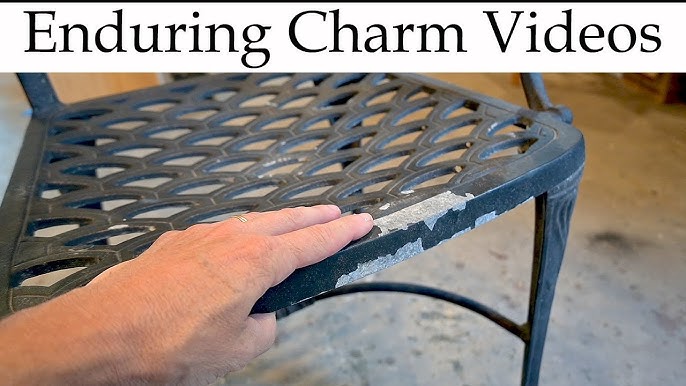
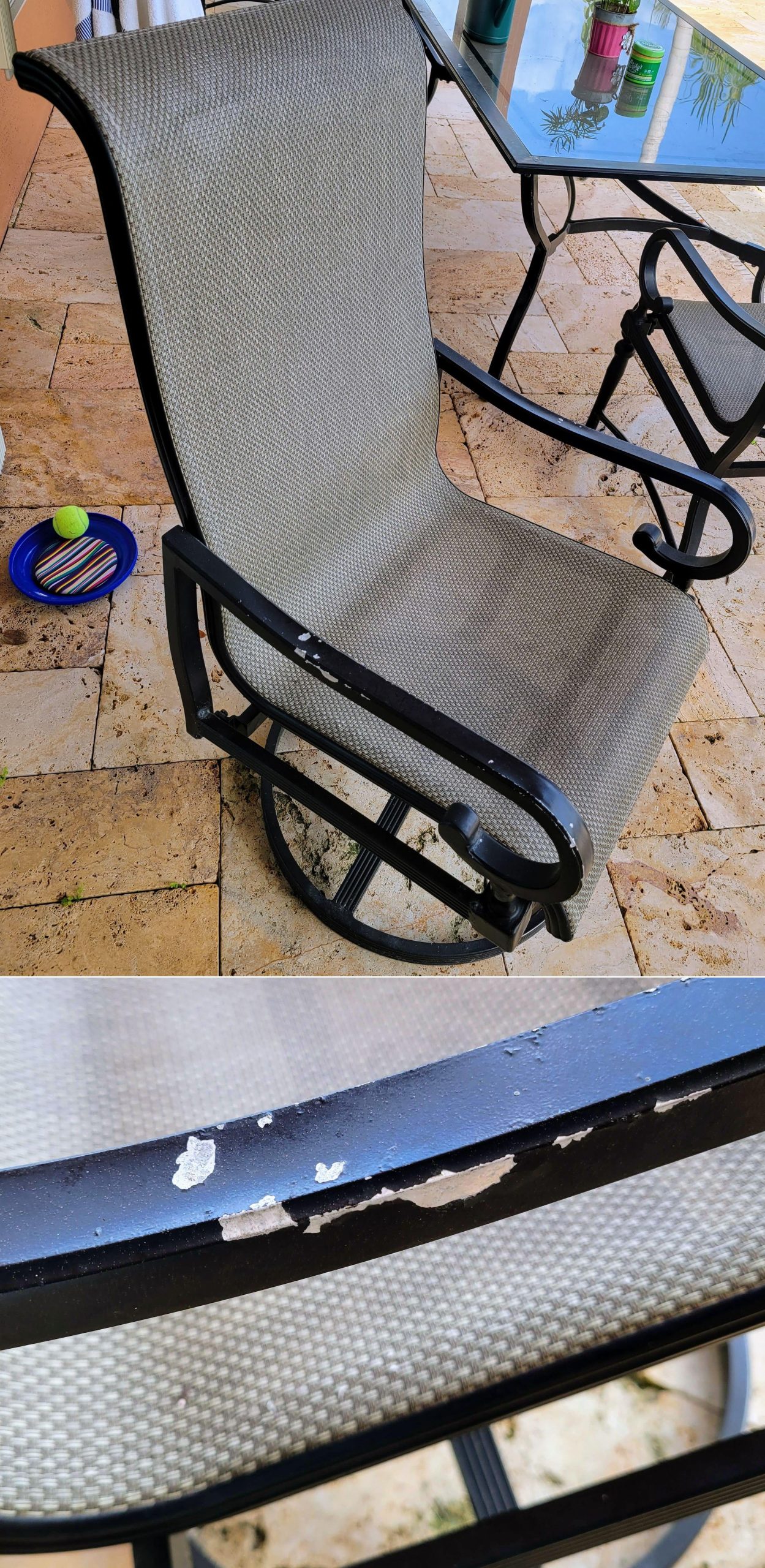
- Faded or peeling paint or varnish
- Discoloration from sun or water damage
- Frayed ends or splintered areas
Note these issues before starting repairs. This helps you gather the right supplies and plan your work.
Checking Structural Integrity
Look at the frame and joints to see if the furniture is strong. The frame holds everything together, so it must be solid.
Test for wobbly parts or cracks. Press gently on corners and legs. Check if screws or nails are loose or missing.
- Check for loose or broken joints
- Look for cracks in wood or metal frame
- Push on legs to test stability
- Find missing or rusted screws and nails
- Note any bent or warped parts
Gathering Repair Supplies
Fixing wicker patio furniture needs the right supplies. Gathering tools and materials first makes the job easier.
Good preparation helps you repair the furniture quickly and safely. You avoid missing important items during repair.
Essential Tools
Tools help you clean, remove old parts, and attach new pieces. Having the right tools saves time and effort.
- Wire cutters for cutting broken wicker strands
- Flathead screwdriver to loosen tight areas
- Scissors for trimming repair materials
- Sandpaper to smooth rough spots
- Small paintbrush for applying glue or finish
- Clamps to hold wicker while drying
- Tweezers to handle small wicker pieces
Recommended Materials
Materials replace damaged wicker and help restore furniture strength. Choose materials that match your furniture style.
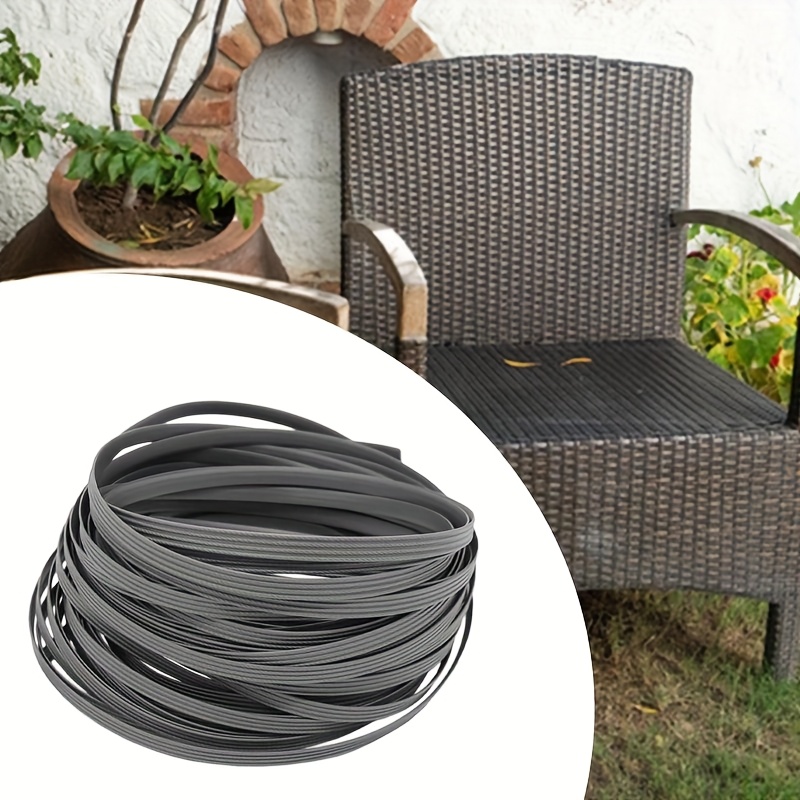
- Wicker repair rattan or reed strips
- Wood glue or waterproof craft glue
- Clear varnish or outdoor sealant
- Replacement wicker strands in matching color
- Rattan binding cane for securing wicker
- Soft cloth for cleaning the furniture
Cleaning The Furniture
Cleaning your wicker patio furniture helps keep it in good shape. Dirt and dust can weaken the material over time.
Regular cleaning makes repairs easier and extends the furniture’s life.
Removing Dirt And Debris
Start by brushing off loose dirt with a soft brush or cloth. This removes dust from the surface and between the wicker strands.
Use a vacuum with a brush attachment to clean hard-to-reach areas. This clears out debris stuck in tight spaces.
- Use a soft brush or cloth to sweep dirt
- Vacuum with a brush tool for detailed cleaning
- Blow away dust with a handheld blower if available
- Avoid using hard brushes that may damage wicker
Preparing For Repairs
After cleaning, let the furniture dry completely. Wet wicker is harder to fix and may cause mold.
Inspect the furniture for broken or loose strands. Mark the areas that need repair before starting work.
- Dry furniture in a shaded, ventilated area
- Check for cracks, breaks, or loose weaving
- Note damaged spots for targeted repairs
- Gather tools and materials after inspection
Fixing Broken Weaves
Wicker patio furniture often breaks after long use. Fixing broken weaves can make your furniture look good again.
This guide covers easy ways to repair wicker by reweaving and securing loose strands.
Reweaving Techniques
Start by removing the damaged strands carefully. Use a small tool like a flathead screwdriver to pull out broken pieces.
Use new wicker strands or rattan strips that match the color and thickness of the old weave. Soak them in water for 10 minutes to make them flexible.
- Weave the new strand over and under the existing strands like the original pattern.
- Keep the weave tight but not too tight to avoid damage.
- Trim any extra length with sharp scissors.
- Let the new weave dry fully before use.
Securing Loose Strands
Loose strands can cause more damage if not fixed. Use glue designed for wood or wicker to hold loose ends in place.
Apply a small drop of glue on the loose strand and press it gently against the frame. Use clothespins or clips to hold it until the glue dries.
- Check all strands regularly for looseness.
- Trim frayed ends before gluing.
- Use waterproof glue to keep repairs strong outdoors.
Repairing Frame Damage
Wicker patio furniture frames can wear out or break over time. Fixing these damages keeps your furniture strong and safe to use.
Repairing the frame is easier than you think. Use simple tools and materials to restore your furniture’s support.
Fixing Cracks And Breaks
Small cracks in the frame need quick attention to stop them from growing. Larger breaks require joining parts back together tightly.
Clean the damaged area well before starting repairs. Remove dirt and old glue for a better hold.
- Use wood glue for wooden frames and let it dry fully
- Clamp broken parts together to keep them tight
- Fill small cracks with epoxy or wood filler
- Sand the filled areas smooth after drying
- Touch up with paint or stain to match the frame
Reinforcing Weak Areas
Weak spots in the frame can cause bigger problems. Adding support helps the furniture hold weight and last longer.
Use extra materials like metal braces or wooden strips to strengthen weak joints and corners.
- Attach metal corner braces with screws for strong support
- Glue and nail small wooden strips along weak frame parts
- Wrap joints tightly with strong twine or rattan strips
- Check all reinforcements regularly for wear or loosening
Credit: www.temu.com
Applying Finishing Touches
After repairing your wicker patio furniture, finishing touches improve its look. These steps help protect and polish the surface.
Careful sanding and painting make your furniture last longer and look new again.
Sanding And Smoothing
Sanding removes rough spots and old paint from wicker. It makes the surface smooth for painting or sealing.
Use fine-grit sandpaper and gently sand the repaired areas. Smooth the edges and any splinters carefully.
- Choose 120 to 220 grit sandpaper for best results
- Sand in the direction of the wicker weave
- Wipe off dust with a clean cloth after sanding
Painting And Sealing
Painting adds color and protects wicker from weather damage. Choose paint designed for outdoor use and wicker material.
After painting, apply a clear sealer to keep the finish safe. This helps prevent moisture and sun damage.
- Use a small brush for even paint coverage
- Apply thin coats and let each dry fully
- Seal with a clear outdoor varnish or polyurethane
- Allow sealer to dry in a well-ventilated area
Maintaining Repaired Furniture
Keeping your wicker patio furniture in good shape after repairs is important. Proper care helps it last longer and stay beautiful.
Regular maintenance protects your furniture from damage and wear. Small efforts make a big difference over time.
Regular Cleaning Tips
Clean your wicker furniture often to remove dirt and dust. Use a soft brush or cloth to avoid damage.
Use mild soap mixed with water for deeper cleaning. Rinse gently and let the furniture dry completely before use.
- Dust weekly with a soft brush or cloth
- Wash with mild soap and water monthly
- Dry fully in the sun or shade
- Check for new damage during cleaning
Protecting Against Weather
Keep your wicker furniture safe from rain and sun. Weather can weaken the material and cause breaks.
Use covers or move furniture indoors during bad weather. Store cushions separately to keep them dry.
- Cover furniture with waterproof covers
- Bring furniture inside during storms
- Keep cushions in dry storage
- Avoid long exposure to direct sunlight

Credit: www.walmart.com
Frequently Asked Questions
How Do You Clean Wicker Patio Furniture?
To clean wicker patio furniture, use a soft brush or vacuum to remove dust. Mix mild soap with water and gently scrub the wicker. Rinse with a damp cloth and let it air dry completely. Avoid using harsh chemicals, as they can damage the material.
What Materials Repair Wicker Furniture Best?
For repairing wicker furniture, use resin or rattan strips for minor damages. Wood glue is effective for reattaching loose strands. Epoxy resin works well for larger repairs. These materials ensure durability and maintain the natural look of the furniture. Always match the repair material with the original wicker.
How Can You Prevent Wicker From Cracking?
To prevent wicker from cracking, keep it away from direct sunlight and excessive moisture. Regularly apply a protective sealant to maintain flexibility. Use cushions to reduce stress on the material. Store furniture indoors during harsh weather to prolong its lifespan and prevent damage.
Is Painting Wicker Furniture A Good Idea?
Yes, painting wicker furniture is a good idea to refresh its appearance. Use spray paint for even coverage and to reach intricate areas. Choose a paint specifically designed for outdoor furniture. Before painting, clean the surface thoroughly and let it dry.
Always apply a primer for better adhesion.
Conclusion
Repairing wicker patio furniture is easier than it seems. Small fixes can extend its life for years. Use the right tools and materials for best results. Take your time and work carefully on each part. Clean and protect your furniture after repairs to keep it strong.
Regular care helps avoid big problems later. Enjoy your refreshed outdoor space with comfort and style. Simple steps make a big difference in furniture repair. Keep your wicker looking nice and ready for any season.