Your patio furniture is an investment that adds comfort and style to your outdoor space. But have you ever noticed how quickly it can wear down from sun, rain, and dirt?
Protecting your patio furniture isn’t just about keeping it clean—it’s about making it last longer and saving you money. In this guide, you’ll discover simple and effective ways to shield your furniture from damage. By the end, you’ll know exactly what steps to take to keep your outdoor setup looking fresh and inviting all year round.
Ready to give your patio furniture the care it deserves? Let’s dive in.

Credit: www.outdoorsrockingchair.com
Choosing Durable Materials
Patio furniture faces sun, rain, wind, and dust every day. Picking strong materials helps your furniture last longer. Durable materials resist damage and keep the furniture looking good.
Choosing the right material saves money and effort on repairs. It also makes your outdoor space more comfortable and inviting.
Weather-resistant Wood Options
Some woods handle weather better than others. They resist water, insects, and sun damage. These woods keep their color and strength for a long time.
Teak, cedar, and eucalyptus are top choices for outdoor furniture. They need less maintenance and look natural in outdoor settings.
- Teak has natural oils that protect it from water and bugs.
- Cedar resists rot and smells good, keeping insects away.
- Eucalyptus is strong and affordable but needs some care.
Metal Furniture Benefits
Metal furniture is strong and can handle harsh weather. It does not break easily and can hold heavy weight. Metals like aluminum and steel are common for patios.
Metal furniture often has a protective coating. This coating stops rust and fading. It also makes cleaning quick and simple.
- Aluminum is light, rust-proof, and easy to move.
- Steel is very strong but needs a rust-resistant finish.
- Wrought iron is heavy and classic but may need more care.
Synthetic And Plastic Choices
Synthetic materials like resin, plastic, and wicker look good and last long. They are water-resistant and do not fade easily. These materials can handle sun and rain without damage.
Plastic furniture is light and easy to clean. Synthetic wicker feels natural but does not break like real wicker. These options are great for low maintenance.
- Resin wicker resists water and sun damage well.
- Plastic furniture is affordable and easy to move.
- UV protection in materials helps prevent color fading.

Credit: arktarps.com.au
Regular Cleaning Techniques
Keeping your patio furniture clean helps it last longer. Dirt and dust can cause damage over time.
Regular cleaning removes buildup and keeps furniture looking nice. It also prevents stains and wear.
Removing Dirt And Debris
Start by brushing off loose dirt and debris. Use a soft brush or cloth to avoid scratching.
For stuck-on dirt, rinse with water before cleaning. This helps loosen grime and dust.
Safe Cleaning Products
Choose mild soap or detergent when cleaning patio furniture. Strong chemicals can harm surfaces.
Avoid bleach or harsh cleaners. These can fade colors or weaken materials.
- Use dish soap mixed with water
- Test cleaner on a small spot first
- Rinse well after washing
- Use soft cloths or sponges only
Frequency Of Cleaning
Clean your patio furniture at least once a month. More often if it gets heavy use or bad weather.
After storms or pollen season, wipe down furniture quickly. This stops buildup and damage.
- Monthly cleaning for regular use
- After bad weather or dust storms
- Seasonal deep cleaning before storage
Proper Storage Solutions
Protecting patio furniture keeps it looking good longer. Proper storage stops damage from weather and dirt. It also saves space and makes cleaning easier.
Using the right storage methods can extend furniture life. This guide covers covers, indoor ideas, and seasonal tips.
Using Covers Effectively
Covers shield furniture from rain, sun, and dust. Use covers made of breathable material to avoid moisture buildup. Make sure covers fit tightly to keep out pests and dirt.
Remove covers occasionally to air out furniture. Check covers for holes or tears and replace if needed. Clean covers regularly to prevent mold and mildew.
Indoor Storage Ideas
Indoor storage protects furniture from extreme weather. Use a garage, shed, or basement to keep pieces safe. Place furniture on pallets or shelves to avoid moisture damage.
If space is tight, fold or stack items carefully. Cover stored furniture with cloth to keep dust away. Make sure the area is dry and well ventilated.
Seasonal Storage Tips
Clean furniture before storing it for the season. Remove cushions and store them separately in dry places. Dry furniture fully to stop mold growth.
- Store furniture in a cool, dry spot during winter
- Use protective sealants on wood before storage
- Check stored furniture monthly for damage or pests
- Rotate storage spots to prevent warping or fading
Protective Treatments And Coatings
Patio furniture faces many outdoor challenges like rain, sun, and dirt. Protective treatments help keep your furniture safe and looking good.
Using the right coatings can stop damage from water, rust, and sun. This guide explains ways to protect your patio furniture.
Applying Sealants And Stains
Sealants and stains add a protective layer to wood and other materials. They block moisture and prevent cracks and warping.
Choose a sealant or stain made for outdoor use. Apply it evenly with a brush and let it dry fully before use.
- Clean furniture before applying
- Use a brush or sprayer for even coverage
- Apply multiple coats for better protection
- Reapply every year or as needed
Rust Prevention Methods
Metal patio furniture can rust when wet. To stop rust, use rust-resistant paint or coatings designed for metal.
Keep furniture dry and clean to avoid rust build-up. Cover or store furniture indoors during wet seasons.
- Apply rust-proof primer before painting
- Use spray-on rust inhibitors for hard-to-reach spots
- Wipe off water and dirt regularly
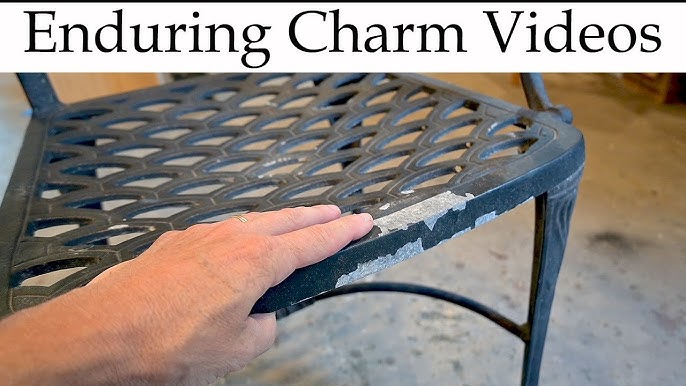
- Check for scratches that expose metal and fix them fast
Uv Protection Options
Sunlight can fade colors and weaken materials over time. UV protection helps keep your furniture strong and bright.
Look for coatings or sprays that block UV rays. These products help reduce sun damage and keep furniture looking new.
- Use UV-blocking sprays on fabric cushions
- Apply UV-resistant finishes to wood and plastic
- Place furniture in shaded areas if possible
- Use furniture covers with UV protection
Handling Weather Challenges
Patio furniture faces many weather challenges outside. Rain, snow, and sun can damage it over time.
Protecting your furniture helps keep it strong and looking good for years.
Managing Rain And Moisture
Rain and moisture can cause wood to rot and metal to rust. Fabric cushions may grow mold and mildew.
Use waterproof covers to shield furniture from rain. Store cushions indoors or in dry places.
- Apply water-resistant sealants on wood
- Use rust-proof paint on metal parts
- Dry furniture quickly after rain
- Keep furniture off wet ground
Dealing With Snow And Ice
Snow and ice can crack wood and freeze water inside metal joints. Ice also makes surfaces slippery and unsafe.
Cover furniture with heavy-duty tarps or move it to a sheltered area during winter months.
- Remove snow buildup gently to avoid damage
- Store cushions and fabrics indoors
- Check for ice in moving parts
- Use furniture covers designed for winter
Heat And Sun Exposure Care
Strong sun and heat can fade colors and dry out materials like wood and plastic. Heat can weaken fabric fibers.
Place furniture in shaded areas or use umbrellas to reduce sun exposure. Use UV-protective sprays on fabrics.
- Apply sunscreen sprays for fabrics
- Choose UV-resistant paint or finishes
- Move furniture to shade during peak sun
- Cover furniture when not in use

Credit: www.amazon.ca
Routine Maintenance Practices
Keeping your patio furniture in good shape needs regular care. Small tasks done often can stop big problems.
This guide covers simple steps to keep your furniture safe and looking good all year.
Inspecting For Damage
Look over your furniture every few weeks. Check for cracks, rust, or loose parts. Early finding helps stop damage from growing.
Pay close attention to joints and areas that touch the ground. These spots wear out faster.
- Check wood for splinters or rot
- Look for rust on metal parts
- Spot cracks or chips on plastic pieces
- Test if cushions have tears or stains
Tightening And Repairing
Loose screws or bolts can cause furniture to break. Tighten them with a screwdriver or wrench as needed.
Fix small issues fast. Use glue for small wood cracks or rust remover for metal parts. This keeps furniture stable and safe.
- Use the right tools for screws and bolts
- Apply wood glue to small cracks
- Sand and paint rusty metal areas
- Replace missing screws immediately
Replacing Worn Parts
Parts like cushions, screws, or slats can wear out. Replace them to keep furniture strong and comfy.
Use parts made for your furniture type. This helps keep the look and function the same.
- Buy cushions that fit your chairs
- Use matching screws and bolts
- Replace broken wood or plastic slats
- Keep spare parts handy for quick fixes
Enhancing Furniture Longevity
Patio furniture faces sun, rain, and dirt every day. Protecting it helps keep it strong and good-looking for years.
Simple care steps can stop damage and save you money. Use these tips to make your furniture last longer.
Using Cushions And Pads
Cushions and pads add comfort and protect furniture from scratches and stains. They also reduce wear from heavy use.
Choose cushions made for outdoor use. They resist water and dry quickly to avoid mold and mildew.
- Pick cushions with waterproof covers
- Use pads under furniture legs to prevent scratches
- Store cushions when not in use to keep them clean
Elevating Furniture Off Ground
Keeping furniture off the ground stops moisture from causing rust or rot. It also helps air flow under the furniture.
Use blocks or furniture risers to lift legs a few inches. This prevents water damage and insect problems.
- Place furniture on wooden or plastic risers
- Check risers regularly for stability
- Lift furniture during heavy rain or snow seasons
Avoiding Harsh Chemicals
Harsh cleaners can damage finishes and fabrics on patio furniture. They may cause fading or weaken materials.
Use mild soap and water for cleaning. Test any cleaner on a small spot first to see if it causes damage.
- Choose gentle, outdoor-safe cleaning products
- Rinse furniture well after cleaning
- Avoid bleach, ammonia, or strong solvents
Frequently Asked Questions
How Can I Protect Patio Furniture From Rain?
To protect your patio furniture from rain, use waterproof covers or tarps. Store cushions indoors during wet weather. Regularly apply water-repellent sprays to wooden surfaces. Ensure metal pieces are rust-resistant by applying protective sealants. For wicker furniture, consider a weather-resistant finish to prevent moisture damage.
What Materials Are Best For Weatherproof Furniture?
Weatherproof furniture materials include teak, stainless steel, and all-weather wicker. Teak is naturally resistant to water and insects. Stainless steel is durable and rust-resistant. All-weather wicker can withstand various climates. These materials offer longevity and minimal maintenance, making them ideal for outdoor furniture exposed to the elements.
How Do I Clean Outdoor Furniture Properly?
Clean outdoor furniture using mild soap and water. For metal furniture, remove rust with a wire brush. Use a gentle brush to clean wicker furniture. Wooden pieces benefit from occasional oiling or sealing. Always let furniture dry completely before using or covering it to prevent mold growth.
Can I Leave Cushions Outside All Year?
It's best not to leave cushions outside year-round. Store them indoors during harsh weather. Use weather-resistant covers if storage is unavailable. Regularly clean and dry cushions to prevent mildew. By protecting cushions from the elements, you'll extend their lifespan and maintain their appearance.
Conclusion
Protecting patio furniture takes simple, regular care steps. Cover your furniture when not in use. Clean it gently to avoid damage. Store cushions inside during bad weather. Use protective sprays to keep materials strong. Small efforts help your furniture last longer.
Enjoy your outdoor space without worry. Keep your patio looking fresh and inviting. A little care goes a long way.