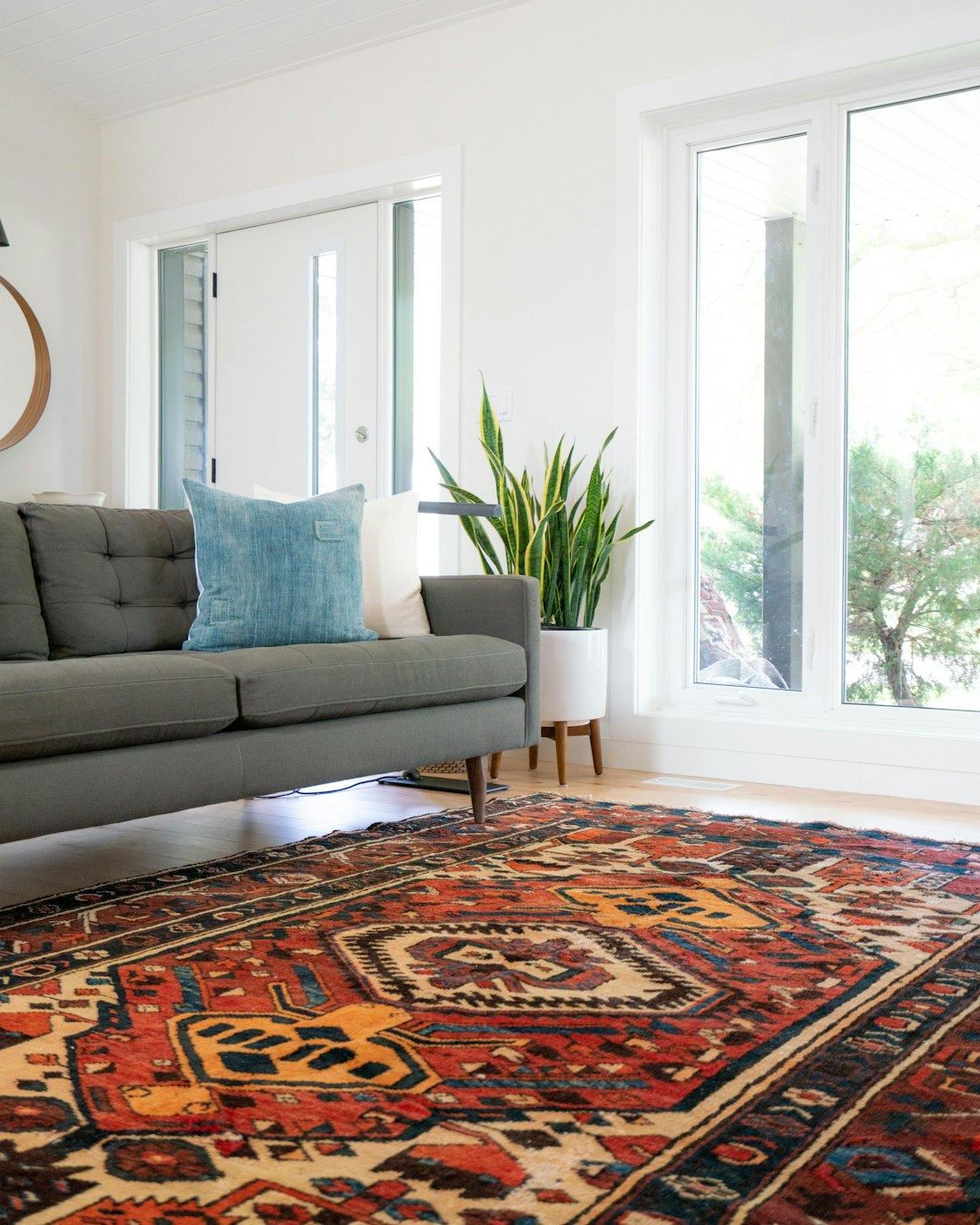
Choosing the perfect color for your area rug might seem simple, but it can change the entire feel of your room. You want a color that matches your style, complements your furniture, and adds warmth without overwhelming your space.
If you pick the wrong shade, your room could feel off balance or dull. But don’t worry—this guide will help you find the right rug color that fits your taste and home perfectly. Keep reading to discover easy tips that will make your space look inviting and stylish in no time.
Factors To Consider
Choosing the right rug color can change the look of your room. You should think about many factors before picking a color.
These factors help the rug fit well with your space and style. Here are some key things to consider.
Room Size And Shape
The size and shape of your room affect the rug color you choose. Light colors make small rooms look bigger.
Dark colors work well in large rooms because they add warmth and coziness. Rectangular rugs fit well in long rooms.
- Light colors open up small spaces
- Dark colors add comfort in big rooms
- Match rug shape to room shape for balance
Existing Color Palette
Look at the colors already in your room. Your rug color should blend or contrast nicely with walls and furniture.
Neutral walls allow bright rugs to stand out. If your furniture is colorful, pick a rug with soft or neutral tones.
- Match rug color to main room colors
- Use neutral rugs to balance bright furniture
- Bright rugs can highlight neutral rooms
Lighting Conditions
Natural and artificial light change how rug colors look in your room. Check your rug in different lights before buying.
Rooms with little light do well with light or bright rugs. Sunny rooms can handle darker colors without feeling dull.
- Test rug color under natural light
- Light rugs brighten dark rooms
- Dark rugs suit bright, sunny rooms
Furniture Style
Your furniture style influences the best rug color choice. Modern furniture looks good with bold or simple colors.
Traditional furniture pairs well with warm and rich colors. Match the rug’s style and color to your furniture for a nice look.
- Bold colors fit modern furniture
- Warm colors suit traditional pieces
- Keep rug style consistent with furniture

Credit: athomewiththebarkers.com
Color Matching Techniques
Choosing the right color for your area rug can change how your room feels. Using color matching techniques helps you pick a rug that fits well with your space.
Colors can work together in many ways. Knowing these ways makes your rug look great with your walls, furniture, and decorations.
Complementary Colors
Complementary colors are opposite each other on the color wheel. They create a strong contrast and make each color stand out.
For example, blue and orange are complementary. A blue rug in a room with orange accents can look lively and balanced.
- Use one color for the rug and the opposite for small decorations.
- Keep the rest of the room neutral to avoid too much contrast.
- This technique works well for bold and modern designs.
Analogous Colors
Analogous colors sit next to each other on the color wheel. They create a calm and harmonious look.
For example, yellow, yellow-green, and green are analogous. A rug in these colors blends well with similar tones in the room.
- Choose two or three colors that are next to each other.
- Use one main color for the rug and the others for accents.
- This scheme suits cozy and relaxed spaces.
Monochromatic Schemes
Monochromatic schemes use different shades of one color. They give a simple and elegant look.
A rug in light blue with darker blue walls and pale blue furniture creates a smooth, unified space.
- Pick one color and use its light and dark shades.
- This technique keeps the room calm and easy on the eyes.
- It works well in modern and minimalist rooms.
Choosing Rug Colors For Different Rooms
Picking the right rug color can change the look of any room. It helps set the mood and ties the room together.
Each room has different needs. Choosing the best color depends on the room’s use and style.
Living Room Choices
In the living room, you want a rug color that feels warm and inviting. Neutral tones work well with most furniture.
Bright colors can add energy but balance them with softer walls and furniture.
- Beige, gray, or cream for a calm base
- Deep blues or greens for a cozy feel
- Bold reds or oranges to create a focal point
Bedroom Options
Bedrooms need colors that promote rest and relaxation. Soft, cool colors help create a peaceful space.
Light pastels or muted shades work best near the bed area.
- Light blue or lavender for calmness
- Soft gray for a modern look
- Warm beige for a cozy feeling
Dining Room Ideas
Dining rooms benefit from rug colors that hide spills but still look good. Darker or patterned rugs work well here.
Choose colors that match your dining set and wall colors.
- Rich browns or burgundy to hide stains
- Patterns with multiple colors for interest
- Deep greens or navy for elegance
Entryway Selections
Entryway rugs face heavy foot traffic. Choose durable colors that do not show dirt easily.
Bold colors or busy patterns help hide wear and add style.
- Dark gray or black for dirt hiding
- Bright reds or oranges to welcome guests
- Patterned rugs for a stylish look
Patterns And Textures
Choosing the right area rug color is more than picking a shade. Patterns and textures play a big role in your room’s look.
They add style and feel, making your space cozy and interesting. Let’s explore how to use patterns and textures well.
Mixing Patterns
Mixing patterns can make a room lively. Use different sizes and shapes for balance.
Start with one main pattern on your rug. Add smaller patterns in pillows or curtains to match.
- Combine stripes with florals for contrast
- Use dots with checks for playful style
- Keep colors similar to avoid clashing
Texture Impact
Texture changes how a rug feels and looks. Soft rugs add warmth, while rough ones add interest.
Choose a texture that fits your room’s use. Smooth textures suit formal rooms. Thick textures work well in cozy spaces.
- Wool rugs feel soft and warm
- Jute rugs add natural roughness
- Shag rugs create a plush look
Balancing Bold Designs
Bold rug designs catch attention. Balance them with simple furniture and walls.
If your rug has strong colors or shapes, keep other patterns small or neutral. This stops the room from feeling busy.
- Pair bold rugs with plain sofas
- Use neutral curtains and cushions
- Let the rug be the room’s highlight
Practical Tips
Choosing the right color for your area rug can change the look of any room. It is important to pick a color that fits your style and space.
Here are some practical tips to help you select the best rug color for your home.
Testing Samples
Try small samples of rug colors in your room before buying. This helps you see how the color looks in real light.
Check the samples at different times of the day. Natural and artificial light can change how colors appear.
- Place samples near your furniture
- Look at samples in morning and evening light
- Test how colors match your wall and floor
Considering Maintenance
Some rug colors show dirt and stains more than others. Choose a color that fits your lifestyle and cleaning habits.
Darker colors hide dirt well but may show lint or pet hair. Light colors can brighten a room but need more cleaning.
- Pick darker colors for high-traffic areas
- Choose stain-resistant materials if possible
- Consider your ability to clean regularly
Budget-friendly Picks
You can find good rug colors without spending too much. Some colors are easier to find in affordable styles.
Neutral colors like beige, gray, and brown often cost less and fit many designs. They also match many rooms.
- Look for neutral colors for more choices
- Check sales for popular colors
- Choose synthetic fibers for lower prices

Credit: www.reddit.com

Credit: www.jaipurrugs.com
Frequently Asked Questions
What Factors To Consider When Choosing Rug Color?
Consider room size, wall color, and existing décor. A rug can complement or contrast these elements. Neutral colors offer versatility, while bold hues create focal points. Lighting conditions also affect color perception, so test samples in different lights. Balance is key to ensuring the rug harmonizes with the room's overall aesthetic.
How Does Rug Color Affect Room Ambiance?
Rug color significantly impacts room ambiance. Light colors make spaces appear larger and airier. Dark colors add warmth and coziness. Bold colors inject energy and vibrancy, while muted tones offer calmness. Choose colors that align with the mood you wish to create, enhancing the room’s overall feel and atmosphere.
Should Rug Color Match Or Contrast Furniture?
Rug color can either match or contrast furniture. Matching creates harmony and a cohesive look. Contrasting adds interest and highlights the rug as a statement piece. Consider the room’s style and purpose. Whether matching or contrasting, ensure the rug complements the existing décor for a balanced appearance.
Is It Okay To Mix Rug Patterns And Colors?
Yes, mixing rug patterns and colors is okay. It adds depth and character to a room. Ensure patterns share a common color palette to maintain cohesion. Limit patterns to avoid visual chaos. Mixing styles can showcase personal taste and creativity, enhancing the room's visual appeal and uniqueness.
Conclusion
Choosing the right color for your area rug can change your room’s look. Think about your walls, furniture, and lighting first. Pick colors that make you feel calm or happy. Don’t be afraid to mix patterns and solids. Test small samples before buying big rugs.
A good color brings the room together and feels just right. Take your time and enjoy the process. Your perfect rug color is out there waiting.