Choosing the right memory foam mattress can completely change how you sleep and feel every day. But with so many options out there, how do you find the one that fits your body, comfort, and budget perfectly?
You deserve a mattress that supports you fully and helps you wake up refreshed, not sore or restless. In this guide, you'll discover simple, clear steps to pick a memory foam mattress that matches your unique needs. Keep reading, and make your next sleep experience your best yet.
Benefits Of Memory Foam Mattresses
Memory foam mattresses offer many benefits that improve sleep quality. They adjust to your body shape and help you rest better.
This type of mattress suits different sleeping positions and can relieve body pain. Understanding its benefits helps you pick the right one.
Pressure Relief And Support
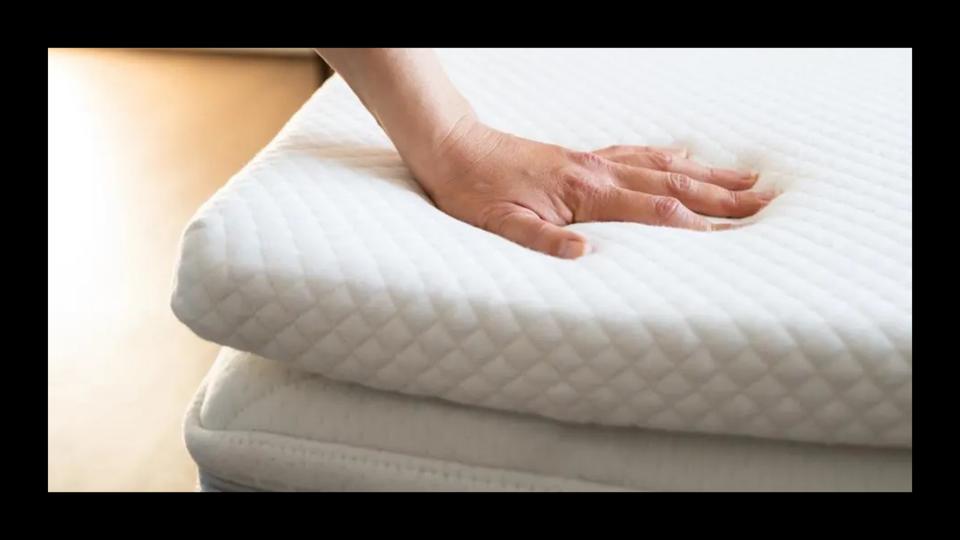
Memory foam molds to your body and spreads weight evenly. This reduces pressure on joints and muscles during sleep.
The foam supports your spine in a natural position. This support helps prevent back and neck pain.
Motion Isolation
Memory foam absorbs movement well. It stops motion from spreading across the bed.
This feature is helpful if you share a bed. You will not feel your partner turn or get up during the night.
Durability And Longevity
Memory foam mattresses last longer than many other types. They keep their shape and support over time.
High-density foam offers better durability. This means fewer replacements and more value for money.
- Resists sagging
- Maintains comfort for years
- Stays firm without hardening
Hypoallergenic Properties
Memory foam is resistant to dust mites and allergens. It creates a cleaner sleeping environment.
This mattress type helps people with allergies sleep more comfortably. It limits allergic reactions during the night.
Types Of Memory Foam
Memory foam comes in different types. Each type feels different and has unique features.
Knowing these types can help you pick the right mattress for better sleep.
Traditional Memory Foam
Traditional memory foam is soft and molds to your body shape. It provides good support and pressure relief.
This foam tends to retain heat, which may make you feel warm during the night.
- Soft and contouring
- Supports body pressure points
- Can trap heat
Gel-infused Memory Foam
Gel-infused foam adds gel beads or liquid to the foam. This helps reduce heat and keep you cooler.
The gel also keeps the foam feeling fresh and comfortable for longer.
- Contains cooling gel
- Reduces heat build-up
- Offers good support and comfort
Plant-based Memory Foam
Plant-based memory foam uses natural oils instead of some petroleum products. It is eco-friendlier than traditional foam.
This foam still offers good comfort and support but may feel slightly different than regular foam.
- Made with natural plant oils
- More environmentally friendly
- Comfort and support like traditional foam
Open-cell Memory Foam
Open-cell foam has small air pockets inside. These pockets improve airflow and help foam stay cool.
This type feels softer and less dense but still supports your body well.
- Air pockets for better breathability
- Feels softer and lighter
- Keeps mattress cooler
Key Features To Consider
Picking a memory foam mattress means looking at important features. These features affect comfort and support.
Knowing what to check helps you find the best mattress for your sleep needs.
Density And Firmness Levels
Density shows how much foam is in the mattress. Higher density means more support and durability.
Firmness levels range from soft to firm. Your choice depends on your sleeping style and comfort needs.
- Low density (3 lbs/ft³ or less) is softer and less durable
- Medium density (4 to 5 lbs/ft³) balances comfort and support
- High density (6 lbs/ft³ or more) lasts longer and supports better
- Soft firmness suits side sleepers
- Medium firmness fits most sleepers
- Firm mattresses help back and stomach sleepers
Thickness Options
Thickness affects how much cushioning you get. Memory foam mattresses come in many thicknesses.
Thicker mattresses give more comfort but cost more and weigh more.
- 6 to 8 inches is good for kids or guest rooms
- 8 to 10 inches works well for most adults
- 10 to 14 inches suits heavier people or those who want extra comfort
Cooling Technologies
Memory foam can trap heat, making you feel hot at night. Cooling tech helps keep you cool.
Look for features like gel infusions or breathable covers to improve airflow.
- Gel-infused foam absorbs body heat
- Open-cell foam lets air pass through
- Covers made from breathable materials reduce heat build-up
- Some mattresses include cooling layers for extra comfort
Edge Support
Edge support means the mattress feels stable at the sides. Good support stops sagging and roll-off.
Strong edges help you use the whole mattress surface without feeling like you might fall off.
- Reinforced edges hold shape longer
- Foam encasements provide firm edges
- Better edge support is good for couples or people who sit on the bed

Credit: sleepopolis.com
Matching Mattress To Sleep Style
Choosing the right memory foam mattress depends on your sleep style. A mattress that fits your way of sleeping helps you rest better.
Different sleep positions need different mattress support and firmness. This guide explains what to look for based on how you sleep.
Side Sleepers
Side sleepers need a mattress that cushions their shoulders and hips. A soft to medium firmness memory foam mattress works well.
This type of mattress helps keep the spine aligned and reduces pressure on joints. It stops pain in sensitive areas.
- Look for soft to medium firmness
- Good pressure relief around shoulders and hips
- Mattress that contours to body shape
Back Sleepers
Back sleepers need medium to firm support to keep the spine straight. Memory foam that supports the lower back is best.
A mattress that is too soft may cause the body to sink and misalign the spine. Firm support avoids this problem.
- Choose medium to firm memory foam
- Support for the lower back area
- Even support for the entire body
Stomach Sleepers
Stomach sleepers need a firm mattress to keep their hips from sinking. This helps avoid lower back pain.
Memory foam with firm support keeps your spine aligned while you sleep on your stomach. Soft mattresses are not ideal.
- Firm memory foam mattress
- Prevents hips from sinking
- Maintains spine alignment
Combination Sleepers
Combination sleepers change positions during the night. They need a mattress that offers balanced comfort and support.
Medium firmness memory foam works best for them. It adapts to different positions while keeping the body supported.
- Medium firmness mattress
- Responsive memory foam that adapts to movements
- Good support for all sleep positions
Sizing And Dimensions
Choosing the right size for your memory foam mattress is very important. The mattress should fit your space well.
It should also be comfortable for your sleeping needs and room size.
Standard Mattress Sizes
Memory foam mattresses come in many standard sizes. These sizes fit most bed frames and rooms.
| Size | Dimensions (inches) | Ideal For |
|---|---|---|
| Twin | 38 x 75 | Children or small rooms |
| Twin XL | 38 x 80 | Taller children or teens |
| Full | 54 x 75 | Single sleepers who want more space |
| Queen | 60 x 80 | Couples or average-sized bedrooms |
| King | 76 x 80 | Couples who want extra space |
| California King | 72 x 84 | Taller couples or long rooms |
Choosing The Right Size For Your Space
Measure your room before buying a mattress. Make sure there is enough space to move around.
Think about your bed frame size and bedroom layout. Also, consider your sleeping habits.
- Leave at least 2 feet of walking space around the bed
- Choose larger sizes for couples or if you like more room
- Pick smaller sizes for small rooms or single sleepers

Credit: www.consumerreports.org
Budget And Price Ranges
Choosing the right memory foam mattress depends on your budget. Mattresses come in many price ranges. Knowing what to expect helps you pick the best option.
Price often reflects mattress quality, features, and durability. This guide explains affordable, mid-range, and premium choices.
Affordable Options
Affordable memory foam mattresses cost between $200 and $600. They offer good comfort for a low price. These mattresses suit budget buyers or guest rooms.
Expect basic foam layers and simple covers. The mattress might be less durable than pricier models.
- Density usually around 2 to 3 pounds per cubic foot
- May have thinner comfort layers
- Good for light to medium-weight sleepers
- Some brands offer trial periods and warranties
Mid-range Choices
Mid-range memory foam mattresses cost from $600 to $1,200. They balance comfort, support, and durability well. This range is popular for most buyers.
These mattresses have better foam density and layers. They often include cooling features or better cover materials.
- Foam density typically 3 to 4.5 pounds per cubic foot
- Multiple foam layers for pressure relief and support
- Cooling gel or breathable covers common
- Longer trial and warranty periods
Premium Mattresses
Premium memory foam mattresses cost over $1,200. They use high-density foam and advanced materials. These mattresses offer excellent comfort and durability.
Premium options often have extra features like cooling technology and eco-friendly foams. They are good for heavy sleepers or people with special needs.
- Foam density above 5 pounds per cubic foot
- Advanced cooling systems and natural materials
- Customizable firmness and support layers
- Extended warranties and trial periods
Trial Periods And Warranties
Choosing the right memory foam mattress takes time. Trial periods let you test the mattress at home. Warranties protect your purchase from defects.
Understanding these policies helps you make a good decision. It also ensures you get value for your money.
Return Policies
Return policies allow you to send back the mattress if you don't like it. Most brands offer a trial period of 90 to 120 days.
During this time, you can sleep on the mattress and see if it suits you. Some companies cover return shipping, but others may charge a fee.
- Check how long the trial period lasts
- Know if you pay for return shipping
- Read about any restocking fees
- Understand how refunds are processed
Warranty Coverage
Warranties cover mattress defects like sagging or broken foam. Most memory foam mattresses come with a 10-year warranty.
Warranties usually do not cover normal wear and tear or damage from improper use. Always read the warranty details before buying.
- Look for coverage length (usually 10 years)
- Check what defects are covered
- Know what actions void the warranty
- Keep your purchase receipt for claims
Tips For Buying Memory Foam Mattresses Online
Buying a memory foam mattress online can save time and offer more choices. It is important to know what to look for before you buy.
These tips will help you make a smart decision and find a mattress that fits your needs.
Reading Customer Reviews
Customer reviews show real experiences with the mattress. They can tell you about comfort, durability, and support.
Look for reviews that mention sleep quality and any problems with the mattress. Check both positive and negative feedback.
- Focus on recent reviews for current product quality
- Note if many buyers mention the same issue
- Read reviews from people with similar sleep needs
Checking Seller Reputation
Choose sellers with good reputations to avoid scams or poor service. Trusted sellers often offer better customer support.
Check ratings on the website and see if the seller responds to questions quickly. Look for sellers who have been in business for a while.
- Verify seller ratings and feedback scores
- Look for clear return and warranty policies
- Check if the seller provides detailed product information
Shipping And Delivery Details
Before buying, check shipping costs and delivery times. Some mattresses come compressed and need time to expand.
Make sure you understand the return process if the mattress does not meet your expectations.
- Look for free or low-cost shipping options
- Know how long delivery will take
- Check if the mattress comes with a trial period
- Find out if returns are easy and free
Maintaining Your Memory Foam Mattress
Taking care of your memory foam mattress helps it last longer. Clean it properly and handle it with care.
Good maintenance keeps your mattress comfortable and fresh for many years.
Cleaning Guidelines
Clean your memory foam mattress regularly to avoid dust and stains. Use a vacuum cleaner with a soft brush attachment to remove dust.
If you find stains, spot clean with mild soap and water. Do not soak the foam, as it can damage the material.
- Vacuum weekly to remove dust and allergens
- Use a damp cloth with mild soap for stains
- Do not use harsh chemicals or bleach
- Let the mattress air dry completely before use
Rotating And Flipping
Rotate your mattress every 3 to 6 months to keep it even. This helps avoid body impressions and sagging.
Most memory foam mattresses do not need flipping. Check your mattress instructions to see if flipping is recommended.
- Rotate mattress head to foot regularly
- Flip only if mattress is double-sided
- Use gentle movements to avoid damage
Protecting Your Mattress
Use a mattress protector to guard against spills and dirt. This adds a layer of protection and keeps the mattress clean.
Keep your mattress away from direct sunlight and heat sources. This prevents the foam from breaking down early.
- Choose a waterproof mattress protector
- Keep mattress in a cool, dry place
- Avoid placing heavy objects on the mattress
Credit: www.forbes.com
Frequently Asked Questions
What Is Memory Foam Mattress?
A memory foam mattress is made from a special material called viscoelastic. It molds to your body shape, providing support and comfort. This mattress type is known for reducing pressure points and offering great motion isolation, making it ideal for couples and those with body pain.
How Long Do Memory Foam Mattresses Last?
Memory foam mattresses typically last between 7 to 10 years. The lifespan depends on the quality of the materials used. Regular rotation and proper care can extend the mattress's life. High-density foam generally lasts longer, maintaining its shape and support over time.
Is A Memory Foam Mattress Good For Back Pain?
Yes, a memory foam mattress can help alleviate back pain. It conforms to your body, providing personalized support. This helps in maintaining spinal alignment. Its pressure-relieving properties reduce stress on your back, promoting better sleep and reducing discomfort over time.
How To Clean A Memory Foam Mattress?
To clean a memory foam mattress, use a vacuum with a soft brush attachment. Spot clean stains with a mild detergent and water. Avoid soaking the mattress. Allow it to air dry completely before covering. Regular cleaning helps maintain hygiene and prolongs the mattress's lifespan.
Conclusion
Choosing the right memory foam mattress needs care and thought. Focus on comfort, support, and your budget. Test different mattresses if possible. Check for good reviews and warranty offers. A good mattress helps you sleep well and feel rested. Take time to pick the best one for you.
Sleep better, live better.