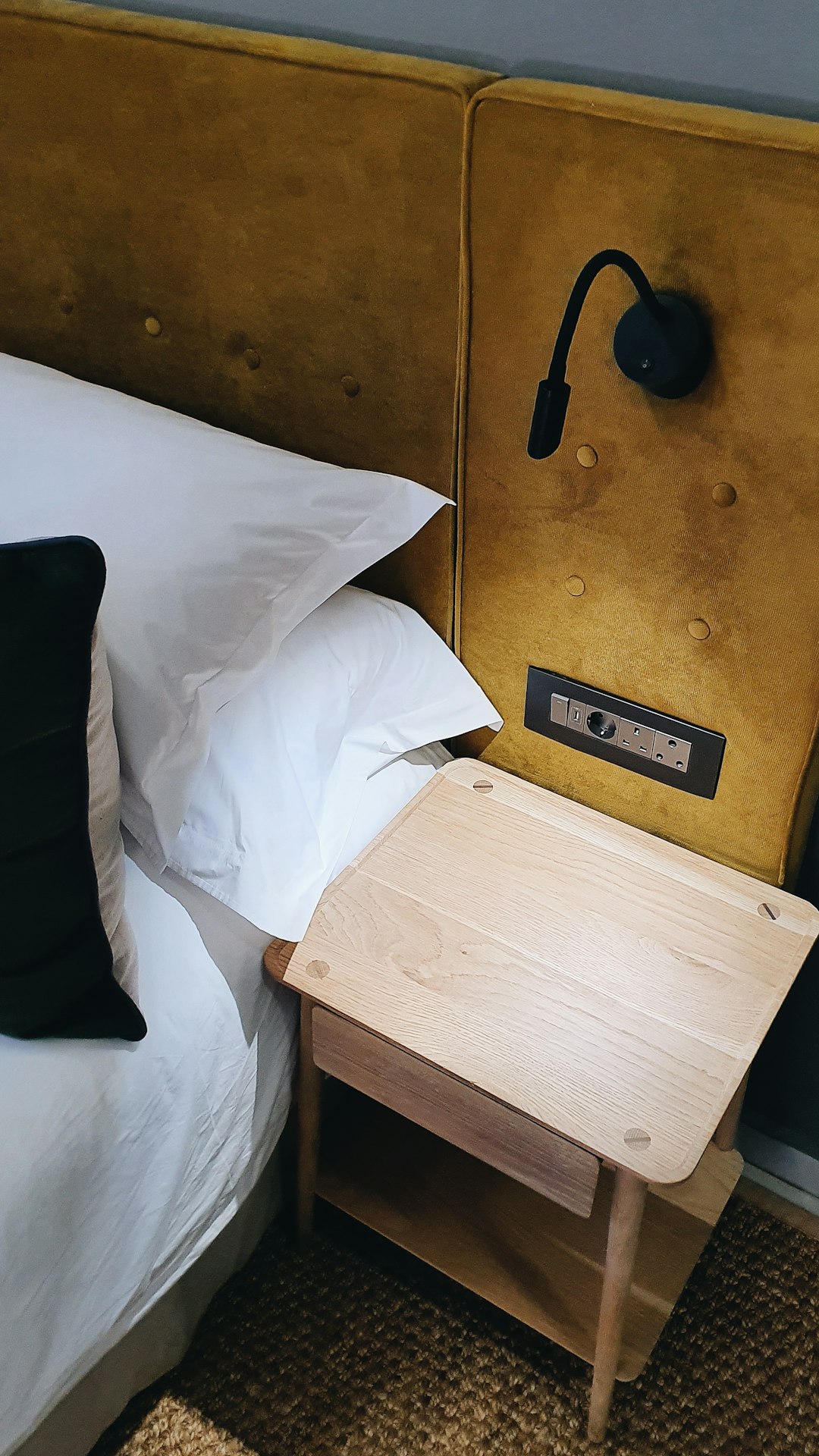
Are you ready to give your wooden bed frame a fresh, new look? Painting your bed frame is a simple and affordable way to transform your bedroom without buying new furniture.
Whether your frame looks worn out or you just want a pop of color, this guide will walk you through every step. By the time you finish reading, you’ll have all the tips and tricks to make your bed frame stand out beautifully.
Let’s dive in and turn your old wooden bed into a stunning centerpiece you’ll love!

Credit: www.obc-uk.net
Choosing The Right Paint
Painting a wooden bed frame can change its look and protect the wood. Picking the right paint is important for a smooth finish.
Not all paints work well on wood. You need to know which types and colors suit your project best.
Types Of Paint For Wood
There are several paint types you can use on wood. Each type has its own look and durability.
- Latex Paint:Water-based and easy to clean. Dries quickly and has low odor.
- Oil-Based Paint:Strong and durable. Takes longer to dry but gives a smooth finish.
- Acrylic Paint:Water-based with good flexibility. Resists cracking and fading.
- Chalk Paint:Gives a matte, vintage look. Requires sealing with wax or varnish.
Selecting The Perfect Color
Choose a color that fits your room style and mood. Light colors can make the space feel bigger.
Dark colors add warmth and make the bed frame stand out. Think about your existing furniture too.
- Use soft colors for a calm, relaxing feel.
- Bright colors add energy and fun.
- Neutral colors blend well with most decors.
- Test paint samples on the wood before final choice.
Paint Finishes Explained
Paint finishes change how the surface looks and feels. They also affect how easy it is to clean.
- Matte Finish:No shine, hides imperfections well. Good for a soft look.
- Eggshell Finish:Slight shine, easy to clean. Popular for furniture.
- Satin Finish:Smooth and shiny. Durable and good for high-use areas.
- Semi-Gloss Finish:Bright shine, very durable. Shows scratches more easily.
- Glossy Finish:High shine and smooth. Best for a bold, modern look.
Gathering Necessary Tools
Painting a wooden bed frame is a fun project. You need the right tools to get a smooth finish.
This guide will help you gather all the supplies and safety gear before you start.
Essential Painting Supplies
Good painting supplies make your work easier and look better. Choose quality brushes and paint.
- Sandpaper to smooth the wood surface
- Primer to prepare the wood for paint
- Paint suitable for wood, like latex or oil-based
- Paintbrushes in different sizes for details and large areas
- Paint tray to hold the paint
- Drop cloth to protect your floor
- Rags or cloth for cleaning spills
Safety Equipment To Use
Safety gear protects you from paint fumes and dust. Always wear it while working.
- Gloves to keep paint off your hands
- Mask or respirator to avoid breathing in dust and fumes
- Safety glasses to protect your eyes
- Old clothes or a protective apron
- Good ventilation in the workspace
Preparing The Bed Frame
Painting a wooden bed frame starts with good preparation. This step helps the paint stick well and last longer.
Prepare the bed frame by cleaning, sanding, repairing, and removing old paint. Each task makes the surface ready for painting.
Cleaning And Sanding
Clean the bed frame to remove dust, dirt, and grease. Use a mild soap and water with a soft cloth. Let it dry completely.
Sanding smooths the wood and removes rough spots. Use medium-grit sandpaper first, then fine-grit for a smooth finish.
- Wear a mask to avoid dust inhalation
- Sand with the wood grain for best results
- Wipe off sanding dust with a damp cloth
Repairing Imperfections
Check the bed frame for cracks, holes, or dents. Use wood filler to fix these imperfections. Apply with a putty knife.
Let the filler dry fully, then sand the patched areas smooth. This step helps create an even surface for painting.
Removing Old Paint
Remove old paint that is peeling or chipping. Use a paint scraper or a chemical paint remover carefully. Follow safety instructions.
After removing paint, sand the surface again to smooth any rough edges. Clean the dust before starting to paint.

Credit: www.reddit.com
Priming The Surface
Priming a wooden bed frame is an important step before painting. It helps paint stick better and last longer.
Proper priming also protects the wood from moisture and stains. This makes your paint job look smooth and even.
Choosing A Suitable Primer
Pick a primer made for wood surfaces. It should block stains and seal the wood well.
Use a primer that matches your paint type. For example, use latex primer with latex paint.
- Oil-based primers work well for old or stained wood
- Latex primers dry faster and clean up with water
- Shellac primers block tough stains and odors
Applying Primer Correctly
Start with a clean bed frame. Remove dust and dirt with a cloth or sandpaper.
Use a brush or roller to apply the primer evenly. Cover all areas, including corners and edges.
- Apply thin coats to avoid drips
- Brush in the direction of the wood grain
- Lightly sand between coats for smoothness
Drying Time Tips
Let the primer dry fully before painting. Dry time varies by primer type and weather.
Check the primer label for recommended drying times. Avoid rushing to get the best finish.
- Oil-based primers may take 24 hours to dry
- Latex primers usually dry in 1 to 2 hours
- Keep the room warm and well-ventilated
- Do not touch the surface until fully dry
Painting Techniques
Painting a wooden bed frame needs careful techniques. Good painting makes the frame look smooth and fresh.
Using the right tools and methods helps avoid rough spots and paint marks. This guide covers key painting tips.
Brush Vs. Spray Painting
Brush painting is simple and fits small areas well. It lets you control paint on edges and corners easily.
Spray painting covers large areas quickly. It gives a smooth finish but needs careful setup to avoid mess.
- Brush painting works best for detailed spots
- Spray painting is faster for flat surfaces
- Brush may leave strokes; spray usually does not
- Spray needs good ventilation and protection
Applying Even Coats
Apply thin paint layers to keep the finish smooth. Thick coats cause bumps and long drying times.
Let each coat dry before adding the next. Light sanding between coats helps paint stick well.
- Use a steady hand to spread paint evenly
- Move brush or spray in one direction
- Check for missed spots while painting
- Wait at least 2 hours before next coat
- Sand lightly with fine sandpaper between coats
Avoiding Drips And Streaks
Too much paint causes drips and streaks. Use moderate paint on your brush or spray nozzle.
Keep your brush or spray moving to stop paint from pooling. If drips happen, fix them right away.
- Dip brush lightly, do not overload with paint
- Spray in smooth, even passes
- Watch edges and corners for extra paint
- Remove drips by brushing or sanding before dry
- Work in a dust-free space to avoid marks
Finishing Touches
Painting a wooden bed frame looks great, but the final steps make it last longer. Finishing touches protect the paint and keep your bed frame strong.
Taking care of the frame after painting helps keep it beautiful. These steps guide you through sealing, curing, and maintenance.
Adding Protective Sealant
After the paint dries, add a clear sealant to protect the wood. Sealants stop scratches and water damage.
Use a brush or spray to apply the sealant evenly. Let it dry fully before touching the bed frame.
- Choose a sealant made for wood furniture
- Apply thin, even coats
- Allow each coat to dry before adding another
- Cover all painted surfaces
Curing Time And Care
Let the paint and sealant cure for several days. Curing means the finish hardens and sticks well.
Avoid heavy use during this time. Keep the bed frame in a dry, dust-free area.
- Wait at least 3-7 days for full curing
- Do not move or place heavy items on the bed
- Keep away from moisture and dirt
- Check for any sticky or soft spots before use
Maintaining Your Painted Bed Frame
Clean the bed frame regularly to keep the paint fresh. Use a soft cloth and mild cleaner.
Fix small chips or scratches quickly to stop damage from spreading.
- Dust weekly with a dry cloth
- Wipe spills immediately with a damp cloth
- Touch up paint chips with matching paint
- Avoid harsh chemicals or abrasive tools

Credit: www.create-enjoy.com
Frequently Asked Questions
What Type Of Paint Is Best For Wood?
Use latex or acrylic paint for wooden bed frames. These paints are durable and provide a smooth finish. They are easy to clean and maintain. Choose a paint with a satin or semi-gloss finish for added protection and aesthetic appeal.
Always ensure your paint is compatible with the primer.
Do I Need To Sand The Bed Frame First?
Yes, sanding is crucial for a smooth finish. It removes old paint and imperfections. Use medium-grit sandpaper for this process. Sanding helps the primer and paint adhere better to the wood. Always wipe off dust with a damp cloth before proceeding to paint.
How Do I Prepare The Bed Frame For Painting?
Start by removing old paint and sanding the surface. Clean the frame to remove dust and grease. Apply a primer to ensure the paint adheres well. Protect areas not to be painted with painter’s tape. This preparation ensures a professional-looking finish and long-lasting results.
Can I Paint Without A Primer?
Using a primer is highly recommended. It helps the paint adhere better and provides a uniform surface. A primer also enhances the paint's durability and appearance. Skipping this step may result in a less satisfactory finish. For the best results, always start with a quality primer.
Conclusion
Painting a wooden bed frame can change its look completely. Use the right tools and prepare the wood well first. Choose paint that suits your style and room decor. Take your time to apply paint evenly for a smooth finish.
Let each coat dry fully before adding the next. This simple project adds new life to your furniture. Enjoy your refreshed bed frame and the cozy feel it brings. Try this easy update for a fresh bedroom look.