Are you tired of your area rug slipping and sliding every time you walk across it? A moving rug can be frustrating and even dangerous, causing trips or falls in your home.
But don’t worry—keeping your rug in place is easier than you think. You’ll discover simple, effective ways to stop your area rug from sliding so it stays snug and secure. Imagine walking confidently across your floor without worrying about slipping—let’s make that happen for you today.
Keep reading to find the best solutions that fit your space and style.

Credit: www.amazon.ca
Causes Of Rug Slipping
Area rugs can slip and slide on different floor types. This can cause trips or damage to the rug. Understanding why rugs move helps keep them in place.
Several factors make rugs slip more often. These include the floor surface, the rug's backing, and how much foot traffic the area gets.
Smooth Flooring Surfaces
Smooth floors like tile, hardwood, and laminate cause rugs to slip. These surfaces have little grip, so rugs slide easily.
The lack of texture means the rug’s bottom cannot hold on tight. Rugs move when you walk or clean over them.
- Tile floors are slippery and cold
- Hardwood floors have smooth finishes
- Laminate floors mimic wood but are slick
Lack Of Rug Backing
Rugs without a non-slip backing tend to slide more. The backing helps the rug stay fixed to the floor.
Thin or worn backing does not grip well. This makes the rug move when stepped on or cleaned.
- Natural fiber rugs often lack rubber backing
- Flat-weave rugs usually have no grip
- Old rugs may have worn-out backing
High Traffic Areas
Rugs in busy spots move more often. Many people walking over the rug push it out of place.
Furniture and pets can also shift the rug. Constant movement loosens the grip between rug and floor.
- Hallways and entryways see lots of foot traffic
- Living rooms often have heavy furniture on rugs
- Pets can drag or scratch rugs causing shifts
Credit: www.amazon.ca
Choosing The Right Rug Pad
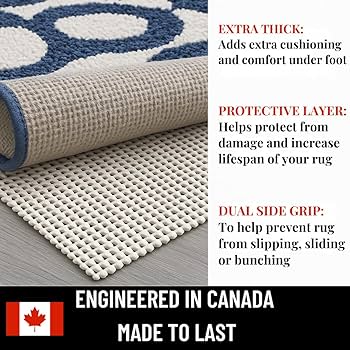
A rug pad helps keep your area rug from sliding on the floor. It also protects your floor and rug. Choosing the right rug pad is important for safety and comfort.
There are different types, materials, sizes, and thicknesses of rug pads. Each type works best for certain floors and rugs. Learn how to pick the best one for your area rug.
Types Of Rug Pads
Rug pads come in many types. Some grip the floor, some add cushioning, and some protect the rug’s fibers. The type you choose depends on your floor and rug type.
- Natural Rubber Pads: Good grip and cushion for hard floors.
- Felt Pads: Soft, adds cushioning but less grip.
- Rubber-Felt Combo: Offers grip and cushioning together.
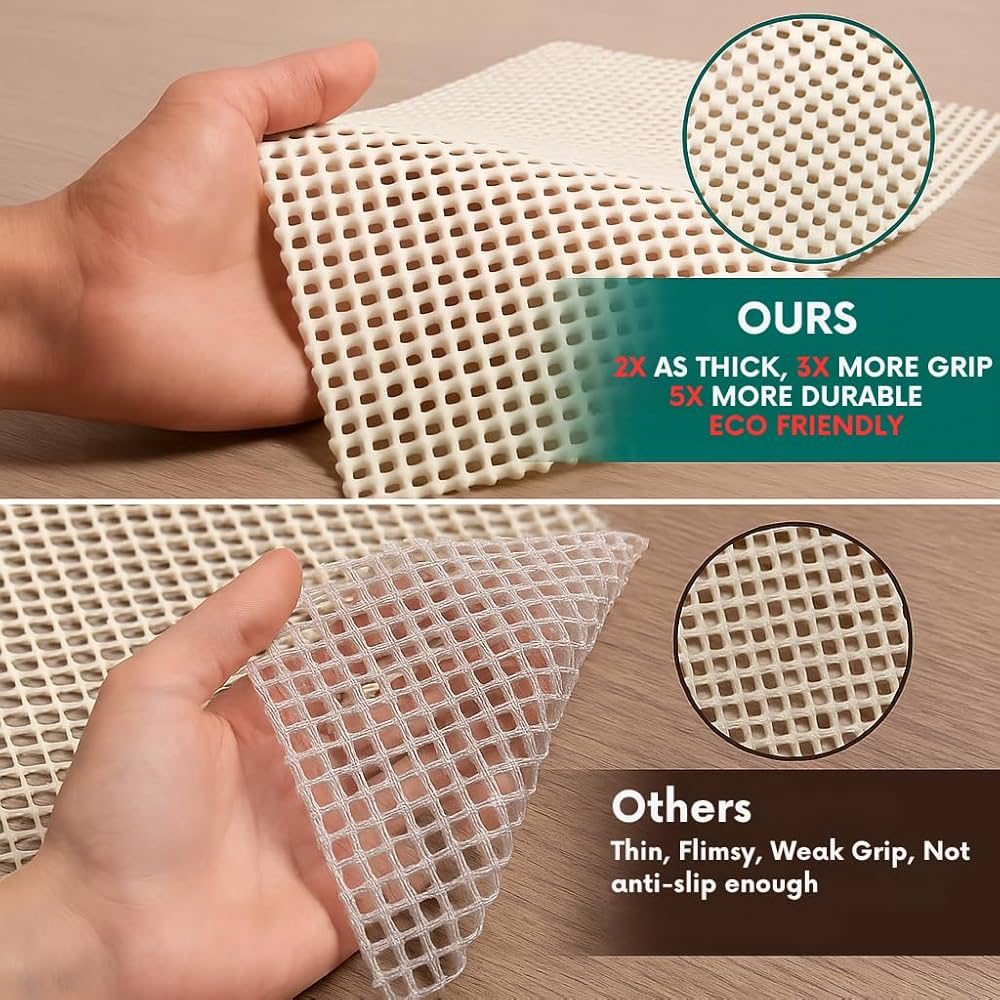
- Non-Slip Mesh: Lightweight, stops slipping on smooth floors.
- Memory Foam Pads: Extra soft, good for comfort underfoot.
Material Options
Rug pads use different materials that affect performance. Choose a material safe for your floor and durable for your rug.
- Rubber: Provides strong grip, ideal for wood or tile floors.
- Felt: Made from wool or synthetic fibers, cushions without grip.
- Polyurethane: Lightweight and resistant to moisture.
- Latex: Offers grip but may cause stains on some floors.
- Memory Foam: Adds softness, best for low-traffic areas.
Size And Thickness Considerations
Choose a rug pad that fits your rug size. It should be slightly smaller than the rug edges. Thickness also matters for comfort and safety.
- Size: Keep the pad about 1-2 inches smaller than the rug all around.
- Thickness: Pads between 1/8 inch and 1/4 inch work well for most rugs.
- Thicker pads add more cushion but may cause tripping on edges.
- Thin pads are better for low-profile rugs on hard floors.
Adhesive Solutions For Stability
Area rugs can slip and slide on hard floors. This can cause accidents and damage. Using adhesive solutions helps keep rugs in place.
These solutions stick the rug to the floor or add grip to stop movement. They are easy to use and work well for many rug types.
Double-sided Tape
Double-sided tape is sticky on both sides. It holds the rug firmly to the floor. This tape is thin and stays hidden under the rug.
It works best on smooth floors like wood, tile, or vinyl. The tape is easy to cut to the rug's size and shape.
- Clean the floor before applying the tape
- Place strips along the rug edges
- Press the rug down firmly on the tape
- Check tape condition and replace if needed
Non-slip Spray
Non-slip spray adds a sticky layer to the rug’s back. This spray creates friction to stop sliding. It works well on both rugs and floors.
Apply the spray in a well-ventilated area. Let it dry completely before placing the rug. It is a good option for rugs that are hard to tape.
- Clean the rug’s back before spraying
- Spray evenly over the entire surface
- Allow full drying time as per instructions
- Test a small area first for best results
Glue And Velcro Options
Glue can stick rugs securely but may damage floors. Use glue that is safe for your floor type. Velcro strips are a less permanent choice.
Velcro attaches the rug to the floor or a rug pad. It holds well and can be removed easily. Glue is best for long-term use in one spot.
- Use floor-safe glue for delicate surfaces
- Attach Velcro strips to both rug and floor
- Press firmly to secure the rug
- Velcro allows easy removal and cleaning
Diy Methods To Prevent Slipping
Area rugs can slide on hard floors and cause accidents. You can fix this problem with easy DIY tricks. These methods use things you may already have at home.
Keeping your rug in place improves safety and looks better. Here are simple ways to stop your rug from slipping without buying special products.
Hot Glue Technique
Hot glue works as a quick and cheap way to add grip to your rug. The glue sticks to the floor and rug, creating a non-slip surface.
To try this, flip your rug upside down and apply small dots of hot glue on the corners and edges. Let the glue dry before placing the rug back.
- Use a hot glue gun with clear glue sticks
- Place dots about 3 inches apart
- Allow glue to cool and harden fully
- Check if the rug stays in place after
Silicone Caulk Application
Silicone caulk is sticky and can help keep rugs from moving. It also works well on smooth floors like tile or wood.
Apply small beads of silicone caulk on the back of the rug. Let it dry until it becomes tacky but not fully hard. Then place the rug on the floor.
- Use clear silicone caulk for a clean look
- Apply thin lines or dots on the rug’s back
- Wait 24 hours for drying before use
- Test if the rug grips well to the floor
Furniture Placement Tricks
Heavy furniture can stop rugs from sliding. Placing chairs, tables, or sofas on the rug holds it steady.
Try moving your furniture to cover rug edges or corners. This method adds weight and keeps the rug flat on the floor.
- Put the front legs of chairs on the rug
- Place a coffee table in the rug’s center
- Use a sofa to cover one rug edge
- Combine with other anti-slip tricks for better results
Maintenance Tips For Long-term Grip
Area rugs can slip and slide without the right care. Keeping them secure helps prevent accidents and protects floors.
Simple maintenance keeps rugs in place and looking good for years. Try these tips to maintain a strong grip.
Regular Cleaning Of Rugs And Floors
Dirt and dust reduce the grip between rugs and floors. Clean both often to keep friction high.
Vacuum rugs regularly and sweep or mop floors. Clean surfaces help prevent slipping and sliding.
- Vacuum rugs at least once a week
- Sweep or mop floors beneath rugs
- Remove spills quickly to avoid slippery spots
Replacing Worn Pads
Rug pads wear out over time and lose their grip. Replace pads when they become thin or damaged.
Choose pads that fit your rug size and floor type. A good pad adds cushioning and grip.
- Check pads for cracks or hard spots
- Buy non-slip pads made for your floor surface
- Replace pads every 1 to 2 years for best grip
Seasonal Adjustments
Humidity and temperature can change how rugs grip floors. Make seasonal changes to keep rugs secure.
In wet or humid seasons, rugs may slip more. Use heavier pads or add rug tape for extra hold.
- Check rug grip after rain or snow
- Use extra non-slip products during humid months
- Store rugs and pads properly when not in use
Credit: www.amazon.ca
Frequently Asked Questions
How Do I Stop My Rug From Moving?
To prevent your rug from moving, use a non-slip rug pad. It provides grip and protects the floor. Ensure the pad fits well under the rug. Alternatively, use double-sided carpet tape for smaller rugs. Both methods offer effective solutions to keep your rug in place.
Can I Use Furniture To Anchor My Rug?
Yes, placing furniture on the corners can help anchor your rug. Heavy furniture prevents sliding and adds a decorative touch. Ensure the rug is evenly distributed under the furniture. This method is effective for larger rugs in living rooms or bedrooms.
What Is The Best Rug Pad Material?
The best rug pad materials are felt and rubber. Felt offers comfort and cushioning, while rubber provides grip. A combination of both ensures safety and prevents slipping. Choose a material based on your specific needs and floor type for optimal results.
Does Rug Size Affect Sliding?
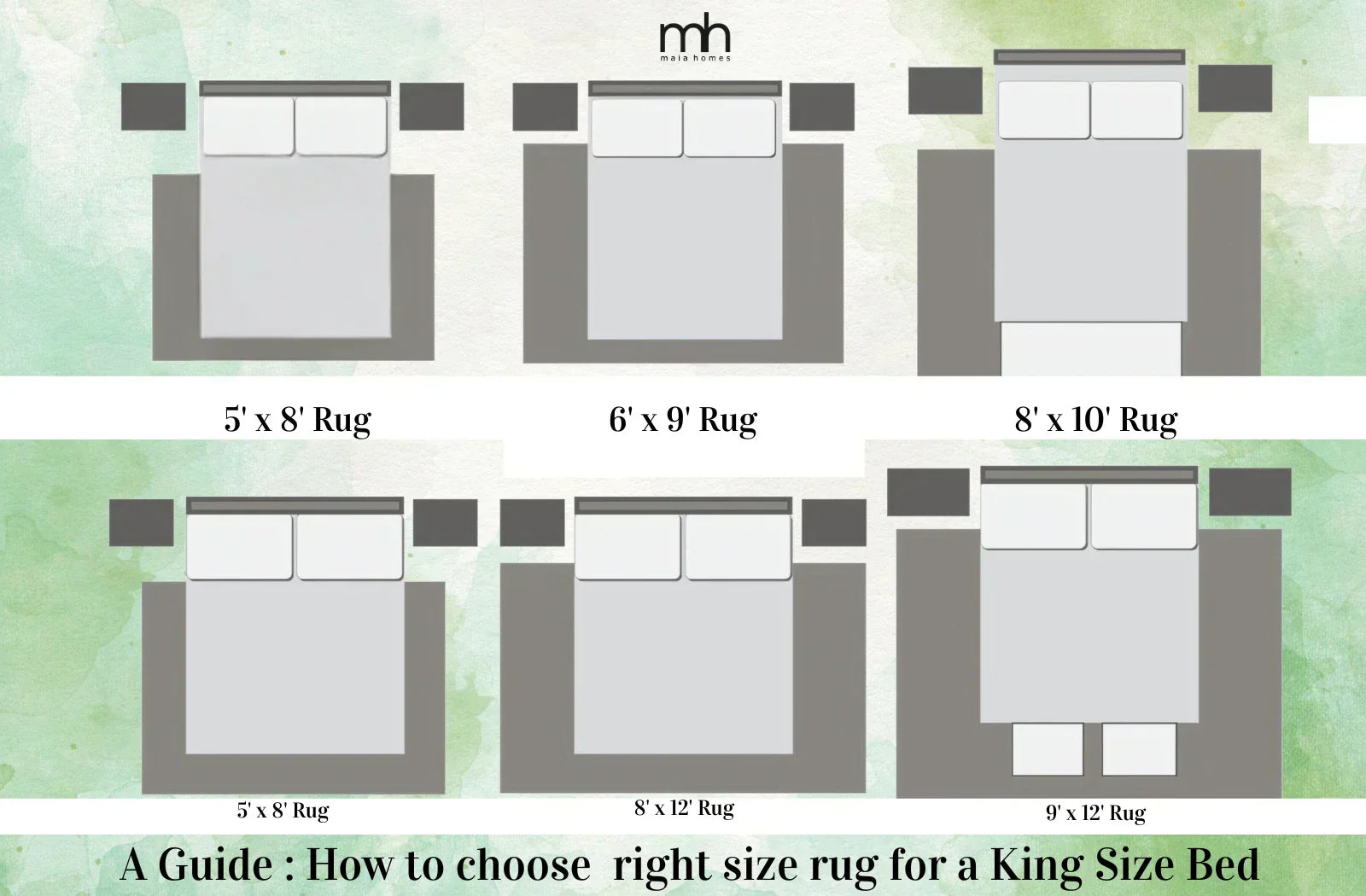
Yes, rug size affects sliding. Larger rugs are less likely to slip due to their weight. Smaller rugs, however, may require additional support like a rug pad. Ensure the rug size fits the room and furniture layout for better stability and aesthetics.
Conclusion
Keeping your area rug in place is easier than you think. Use rug pads or double-sided tape for strong grip. Arrange furniture on the rug’s edges to hold it steady. Regularly check and adjust the rug to prevent slipping. Small steps create a safer, more comfortable space.
A stable rug adds beauty and keeps your floor safe. Try these tips to enjoy your rugs without worry. Simple actions make a big difference in your home.