Does your memory foam mattress have an unpleasant odor that just won’t go away? You’re not alone.
Over time, memory foam can trap sweat, dust, and other smells that make your bed less inviting. But don’t worry—there are simple ways you can freshen it up without damaging the foam. You’ll discover easy, effective methods to deodorize your memory foam mattress and enjoy a cleaner, fresher sleep space.
Keep reading, and you’ll learn how to bring comfort and freshness back to your bed quickly and safely.

Credit: pandalondon.com
Causes Of Mattress Odors
Memory foam mattresses can develop bad smells over time. These odors come from many sources. Understanding the causes helps keep your mattress fresh.
Odors can affect your sleep and comfort. Knowing why they appear lets you remove them more easily.
Common Sources Of Smells
Mattresses absorb odors from many things in the bedroom. Some smells come from new foam materials. Others come from everyday use.
- Off-gassing from new memory foam
- Body oils and skin cells
- Food or drink spills
- Pet odors and fur
- Smoke or other strong scents
Impact Of Sweat And Moisture
Sweat and moisture soak into the mattress over time. Memory foam traps this moisture inside. This creates a damp environment for bacteria.
Bacteria and mold grow in wet areas. They cause unpleasant, musty smells. This can also harm the mattress materials.
- Night sweat adds moisture regularly
- Humidity in the room worsens dampness
- Spills left to soak can create mold
- Wet pet fur adds to mattress moisture
Role Of Dust And Allergens
Dust and allergens collect inside memory foam mattresses. Dust mites feed on skin flakes and live in the foam. Their waste adds to odor problems.
Allergens can cause sneezing and irritation. Dust buildup also traps moisture and smells. Cleaning helps reduce these issues.
- Skin flakes feed dust mites
- Dust mite waste creates odors
- Pet dander adds allergens
- Regular cleaning reduces dust and smells
Preparation Before Deodorizing
Deodorizing a memory foam mattress starts with good preparation. This helps the mattress absorb fresh scents better.
Before deodorizing, it is important to get the mattress ready. This makes the process more effective and safe.
Gathering Necessary Supplies
Collect the items needed for cleaning and deodorizing. Having everything ready saves time and effort.
- Baking soda to absorb odors
- Vacuum cleaner with upholstery attachment
- Clean cloths or microfiber towels
- Mild detergent or gentle soap
- Spray bottle filled with water
- Optional: essential oils for scent
Cleaning The Mattress Surface
Remove any dust or dirt from the mattress surface first. This helps deodorizing agents work better.
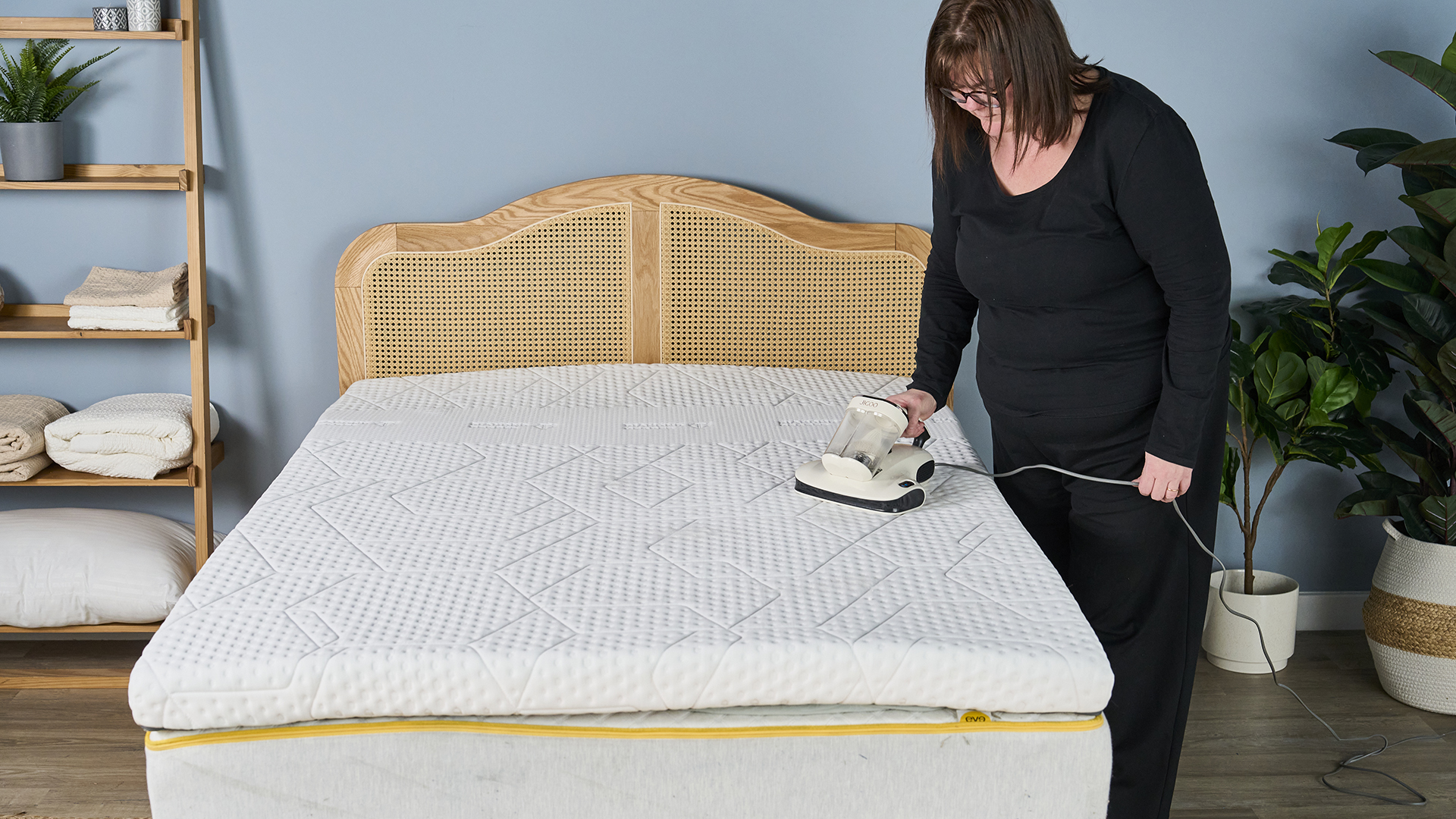
Use a vacuum cleaner to clean the mattress. Focus on seams and crevices where dirt collects.
- Vacuum the entire surface slowly
- Check for stains and spot clean if needed
- Use a damp cloth with mild soap for spots
- Let the mattress dry completely before next step
Ventilating The Room
Air circulation helps remove bad smells from the mattress. Open windows to let fresh air in.
Good ventilation speeds up drying and reduces moisture buildup. Avoid deodorizing in a closed room.
- Open all windows and doors
- Use a fan to improve air flow
- Avoid using the room during ventilation
- Keep the mattress uncovered to air out
Natural Deodorizing Methods
Memory foam mattresses can hold odors from sweat and spills. Using natural methods helps keep them fresh without harsh chemicals.
These simple steps use common household items and nature to remove smells and improve your mattress's scent.
Using Baking Soda
Baking soda is a natural deodorizer that absorbs odors well. Sprinkle it evenly over your mattress surface.
Let the baking soda sit for several hours or overnight. Then, vacuum it thoroughly to remove the powder and odors.
- Sprinkle about 1 cup of baking soda per twin size mattress
- Leave it on for at least 6 hours for best results
- Use a vacuum with a clean brush attachment
Applying Essential Oils
Essential oils add a fresh scent and can fight odor-causing bacteria. Use oils like lavender, tea tree, or eucalyptus.
Mix a few drops with baking soda before sprinkling. This helps spread the scent and clean your mattress naturally.
- Add 5 to 10 drops of essential oil to 1 cup of baking soda
- Mix well and sprinkle on mattress surface
- Let sit for several hours then vacuum
- Choose oils you like and that are safe for skin
Sunlight Exposure Benefits
Sunlight helps kill bacteria and dry out moisture that causes odors. Place your mattress in the sun for a few hours.
Make sure the mattress is supported and flipped if possible. Avoid long exposure to prevent damage to memory foam.
- Choose a sunny, dry day for best results
- Expose mattress for 2 to 4 hours
- Flip mattress halfway through if possible
- Do not leave it too long to avoid heat damage
Commercial Products For Odor Removal
Memory foam mattresses can absorb smells over time. Using commercial products helps remove these odors effectively. These products are made for delicate materials like memory foam.
Choosing the right product keeps your mattress fresh without damage. Some products are safer and work better for this purpose.
Selecting Safe Sprays
Safe sprays are designed to eliminate odors without harming memory foam. They use gentle ingredients that do not break down the material.
Look for sprays labeled as safe for fabrics or foam. Avoid sprays with strong alcohol or bleach, as they can cause damage.
- Choose sprays with natural ingredients
- Avoid products with harsh chemicals
- Test spray on a small area first
Using Enzyme Cleaners
Enzyme cleaners break down odor-causing substances. They work well on organic smells like sweat or urine.
These cleaners are gentle and safe for memory foam. Use them according to package instructions for best results.
- Apply enzyme cleaner to the smelly area
- Let it sit for the recommended time
- Blot with a clean cloth to remove moisture
Avoiding Harsh Chemicals
Harsh chemicals can ruin memory foam's structure. They may cause discoloration or weaken the foam.
Steer clear of bleach, ammonia, and strong solvents. These can create more problems than they solve.
- Do not use bleach or ammonia products
- Avoid solvents like acetone or alcohol
- Stick to mild, foam-safe cleaners
Deep Cleaning Techniques
Memory foam mattresses absorb odors over time. Deep cleaning helps remove smells and refresh your mattress.
Using the right cleaning methods protects the foam and keeps it fresh for longer.
Spot Cleaning Stains
Spot cleaning removes stains without soaking the foam. Use gentle cleaners to avoid damage.
Blot the stain with a mild detergent and cold water. Avoid scrubbing hard to protect the foam.
- Mix mild detergent with cold water
- Apply solution to stain using a clean cloth
- Gently blot the stain, do not rub
- Use a dry towel to absorb moisture
- Let the mattress air dry completely
Steam Cleaning Memory Foam
Steam cleaning kills bacteria and removes odors deep inside. Use low steam to avoid damage.
Hold the steamer a few inches away. Move slowly to let steam penetrate without soaking the foam.
- Use a handheld steamer or steam cleaner
- Keep steamer 3-5 inches from mattress surface
- Move in slow, even strokes
- Allow mattress to dry fully before use
Professional Cleaning Options
Professional cleaners use special tools to deep clean memory foam safely. They remove stains and odors effectively.
This option is best for tough stains or strong odors. Professionals ensure your mattress stays in good condition.
- Experts use safe cleaning solutions
- High-tech equipment reaches deep layers
- Quick drying methods prevent mold
- Good for large or old mattresses
Credit: www.tomsguide.com
Preventing Future Odors
Keeping your memory foam mattress fresh is important for a healthy sleep space. Stopping odors before they start helps your mattress last longer.
Simple habits can reduce smells and keep your mattress smelling clean every day.
Using Mattress Protectors
Mattress protectors shield your mattress from sweat, spills, and dust. They stop liquids from soaking into the foam.
Choose a protector that is waterproof and breathable. Wash it often to remove dirt and bacteria.
- Use a protector made from natural or synthetic materials
- Make sure it fits your mattress size well
- Wash protectors every one to two weeks
Regular Maintenance Tips
Clean your mattress regularly to stop odor build-up. Light vacuuming removes dust and skin flakes.
Spot clean stains quickly with mild soap and water. Avoid soaking the foam to keep it dry and fresh.
- Vacuum the mattress every month
- Air out the mattress by removing bedding
- Clean spills right away using a damp cloth
Ensuring Proper Airflow
Good airflow helps stop moisture and smells. Keep your bedroom windows open when possible.
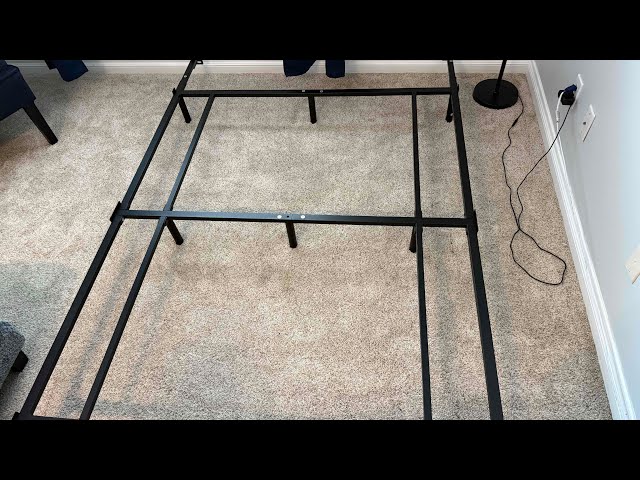
Use a bed frame that allows air to flow under the mattress. Avoid placing your mattress directly on the floor.
- Open windows daily for fresh air
- Use a slatted bed frame for better ventilation
- Keep the mattress raised off the floor
Credit: www.lemon8-app.com
Frequently Asked Questions
How Can I Deodorize A Memory Foam Mattress?
To deodorize a memory foam mattress, sprinkle baking soda evenly over the surface. Let it sit for 8 hours to absorb odors. Then, vacuum the mattress thoroughly to remove the baking soda. This method is natural, effective, and helps maintain a fresh-smelling mattress without damaging the foam.
What Causes Odors In Memory Foam Mattresses?
Odors in memory foam mattresses often result from sweat, spills, or trapped moisture. These factors encourage bacteria growth, leading to unpleasant smells. Regular cleaning and airing out the mattress can help prevent these odors. Use a mattress protector to minimize spills and moisture absorption.
Is Vinegar Safe For Deodorizing Memory Foam?
Yes, vinegar is safe for deodorizing memory foam mattresses. Mix equal parts vinegar and water in a spray bottle. Lightly mist the mattress surface and let it dry completely. Vinegar neutralizes odors effectively and is an eco-friendly cleaning option. Ensure the mattress is fully dry before use.
How Often Should I Deodorize My Mattress?
Deodorize your memory foam mattress every three to six months. This frequency helps maintain freshness and prevents odors from building up. Regular maintenance, including using mattress protectors and washing bed linens, can extend the lifespan of your mattress and ensure a hygienic sleeping environment.
Conclusion
Deodorizing your memory foam mattress keeps it fresh and comfortable. Use simple household items like baking soda for best results. Let the mattress air out regularly to avoid odors. Clean stains quickly to prevent smells from setting in. These easy steps help you enjoy a cleaner, fresher sleep space.
A fresh mattress means better rest every night. Keep your sleeping area inviting and healthy with regular care. Small efforts make a big difference in mattress freshness.