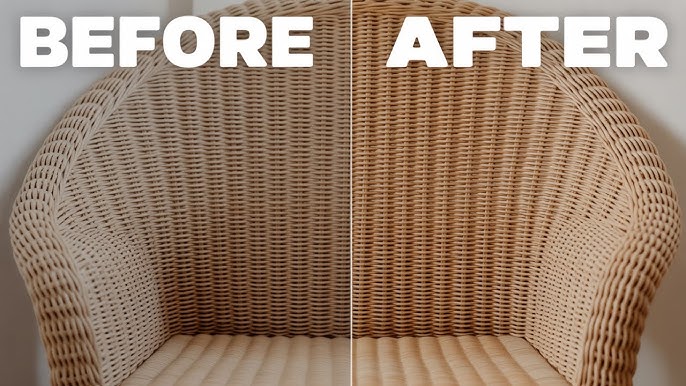
Your outdoor furniture is more than just a place to sit—it’s where memories are made, and your backyard comes alive. But without the right care, your favorite chairs and tables can quickly lose their charm.
You want them to stay strong, look great, and last for years. So, how do you protect your investment from weather, wear, and time? Keep reading, because this guide will show you simple, effective ways to care for your outdoor furniture and keep it looking fresh season after season.

Credit: www.patio.com
Choosing Durable Materials
Outdoor furniture must be tough to last long. Choose materials that handle sun, rain, and wind well.
Picking the right material helps keep furniture looking nice and saves money on repairs.
Wood Types For Outdoor Use
Some woods handle weather better than others. Look for woods that resist water and insects.
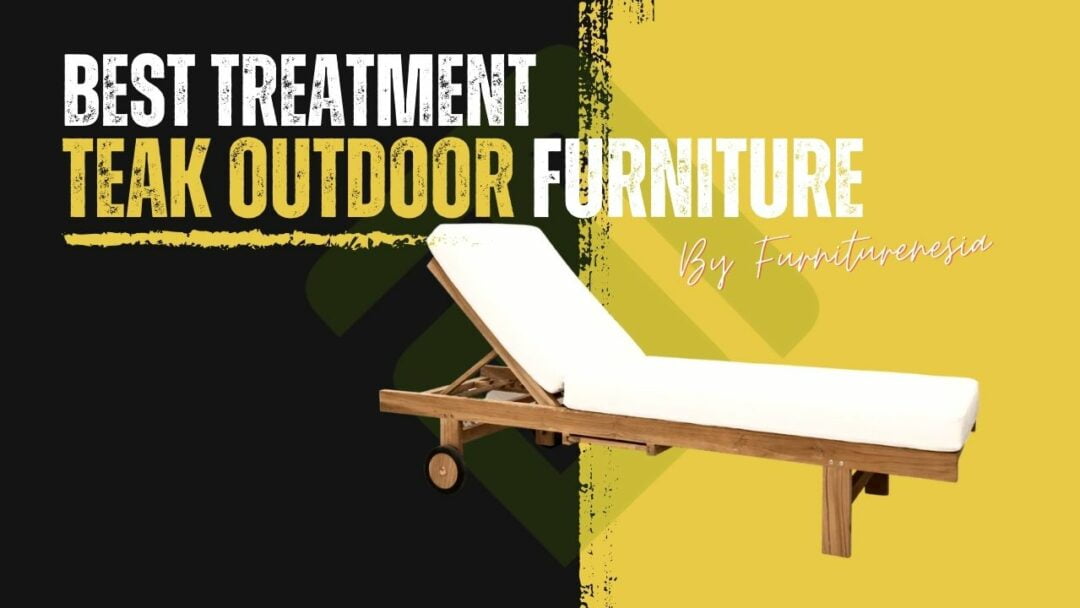
Teak, cedar, and redwood are good choices. They stay strong and look good outside.
- Teak: Very durable and oily, resists rot and bugs
- Cedar: Light, smells good, naturally resists decay
- Redwood: Strong and stable, good for wet climates
Weather-resistant Metals
Metals for outdoor use need to resist rust and corrosion. Choose coated or naturally strong metals.
Aluminum, stainless steel, and wrought iron work well. They hold up in rain and sun.
- Aluminum: Light, rust-proof, easy to move
- Stainless Steel: Strong, resists rust, low maintenance
- Wrought Iron: Heavy and sturdy, may need paint to stop rust
Synthetic Options
Synthetics can be very weather-resistant and need less care. They often mimic natural materials.
Look for resin wicker, plastic, and recycled materials that last and resist damage.
- Resin Wicker: Looks like rattan but resists sun and rain
- Plastic: Light, cheap, and water-proof
- Recycled Materials: Eco-friendly and tough against weather

Credit: hcluxuryoutdoor.com
Cleaning Outdoor Furniture
Outdoor furniture faces dirt, dust, and weather every day. Cleaning keeps it looking fresh and lasts longer.
Regular cleaning stops damage and keeps your space inviting. Use simple ways to care for your furniture.
Routine Cleaning Techniques
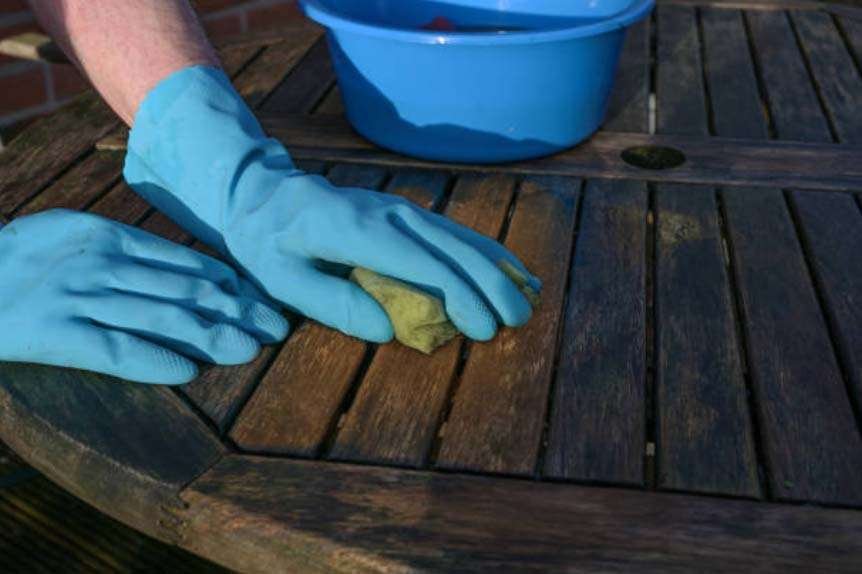
Clean outdoor furniture often with mild soap and water. Use a soft cloth or sponge to avoid scratches.
Rinse off soap with clean water and dry with a towel. This prevents water spots and damage.
- Brush off loose dirt first
- Use gentle soap solutions
- Rinse thoroughly with water
- Dry furniture completely
Removing Stains And Mold
Stains and mold can grow on outdoor furniture in damp places. Clean them quickly to avoid permanent marks.
Use a mix of water and white vinegar to kill mold. Scrub gently with a soft brush and rinse well.
- Apply vinegar solution to stained areas
- Let it sit for 10 minutes
- Scrub softly with a brush
- Rinse with clean water
- Dry completely in the sun
Safe Cleaning Products
Choose cleaning products that are safe for your furniture material. Avoid harsh chemicals that cause damage.
Test any cleaner on a small hidden spot first. Use natural or mild cleaners for wood, metal, and plastic.
- Mild dish soap for general cleaning
- White vinegar for mold removal
- Baking soda paste for tough stains
- Soft brushes and cloths only
- Avoid bleach and ammonia on delicate surfaces
Protecting Against Weather
Outdoor furniture faces rain, sun, wind, and snow. These elements can damage the furniture over time.
Proper care helps keep furniture strong and looking good for many seasons.
Using Covers And Tarps
Covers and tarps protect furniture from rain and sun damage. Use water-resistant covers for best results.
Make sure covers fit well and allow air to flow. This prevents mold and mildew.
- Choose covers made for your furniture type
- Secure covers tightly to avoid wind damage
- Remove covers on dry days to air out furniture
Applying Sealants And Finishes
Sealants and finishes add a protective layer to wood and metal furniture. They stop water and sun damage.
Apply sealants regularly, based on the product instructions. This keeps furniture strong and shiny.
- Use waterproof sealants for wooden furniture
- Apply rust-resistant finishes on metal parts
- Sand furniture lightly before applying sealants
Storing Furniture Off-season
Store furniture indoors or in a dry place during winter or long bad weather periods. This reduces wear and tear.
Clean furniture before storing to avoid dirt buildup. Cover furniture if stored in a garage or shed.
- Choose a cool, dry storage spot
- Stack chairs and tables carefully to save space
- Use furniture pads to prevent scratches
Repairing And Maintaining
Outdoor furniture faces weather and daily use. Fixing and caring for it keeps it strong and good-looking.
Regular checks help catch small problems early. This saves time and money in the long run.
Fixing Scratches And Dents
Scratches and dents make furniture look old. You can fix them with simple tools and supplies.
For wooden furniture, use wood filler or wax sticks. Sand the area gently and apply matching paint or stain.
- Clean the surface before repair
- Use wood filler for deep scratches
- Lightly sand to smooth the repair
- Apply paint or stain to match the color
- Use wax sticks for small dents
Tightening Hardware
Loose screws and bolts make furniture unstable. Check hardware often to keep pieces safe and firm.
Use the right tools like screwdrivers or wrenches. Tighten all nuts, bolts, and screws until secure.
- Inspect all joints and connections
- Tighten screws and bolts carefully
- Replace damaged hardware if needed
- Do this at least once every season
Replacing Worn Parts
Some parts wear out over time. Replace cushions, slats, or hardware to keep furniture functional and nice.
Choose parts that fit your furniture brand and style. Follow instructions to install new parts correctly.
- Check cushions for tears or flatness
- Replace broken wood or metal pieces
- Use original or compatible replacement parts
- Secure new parts firmly in place
Preventing Common Damage
Outdoor furniture faces many risks like sun, rust, and moisture. Caring for it helps keep it strong and looking good.
Simple steps can stop damage and make your furniture last longer. Learn how to protect your outdoor pieces.
Avoiding Sun Damage
Sunlight can fade colors and weaken materials. Plastic and wood can crack or become brittle under strong sun.
Use covers or place furniture in shaded areas to reduce sun exposure. Move cushions inside when not in use.
- Use UV-resistant covers or fabrics
- Place furniture under umbrellas or trees
- Store cushions indoors during sunny days
- Apply protective sealants to wooden furniture
Preventing Rust And Corrosion
Metal furniture can rust if it stays wet or is scratched. Rust weakens the structure and looks bad.
Keep metal furniture dry and clean. Use rust-resistant paint or coatings to protect metal surfaces.
- Wipe off water after rain
- Fix scratches quickly with rust-proof paint
- Store furniture in a dry place when possible
- Use furniture made from rust-resistant metals
Managing Moisture Exposure
Moisture can cause mold, mildew, and wood rot. It also damages cushions and fabrics.
Dry furniture after rain or cleaning. Store cushions in dry areas and use waterproof covers if needed.
- Dry surfaces with a cloth after rain
- Store cushions indoors or in waterproof boxes
- Use covers that allow air to pass but block water
- Check for mold and clean it early
Enhancing Comfort And Style
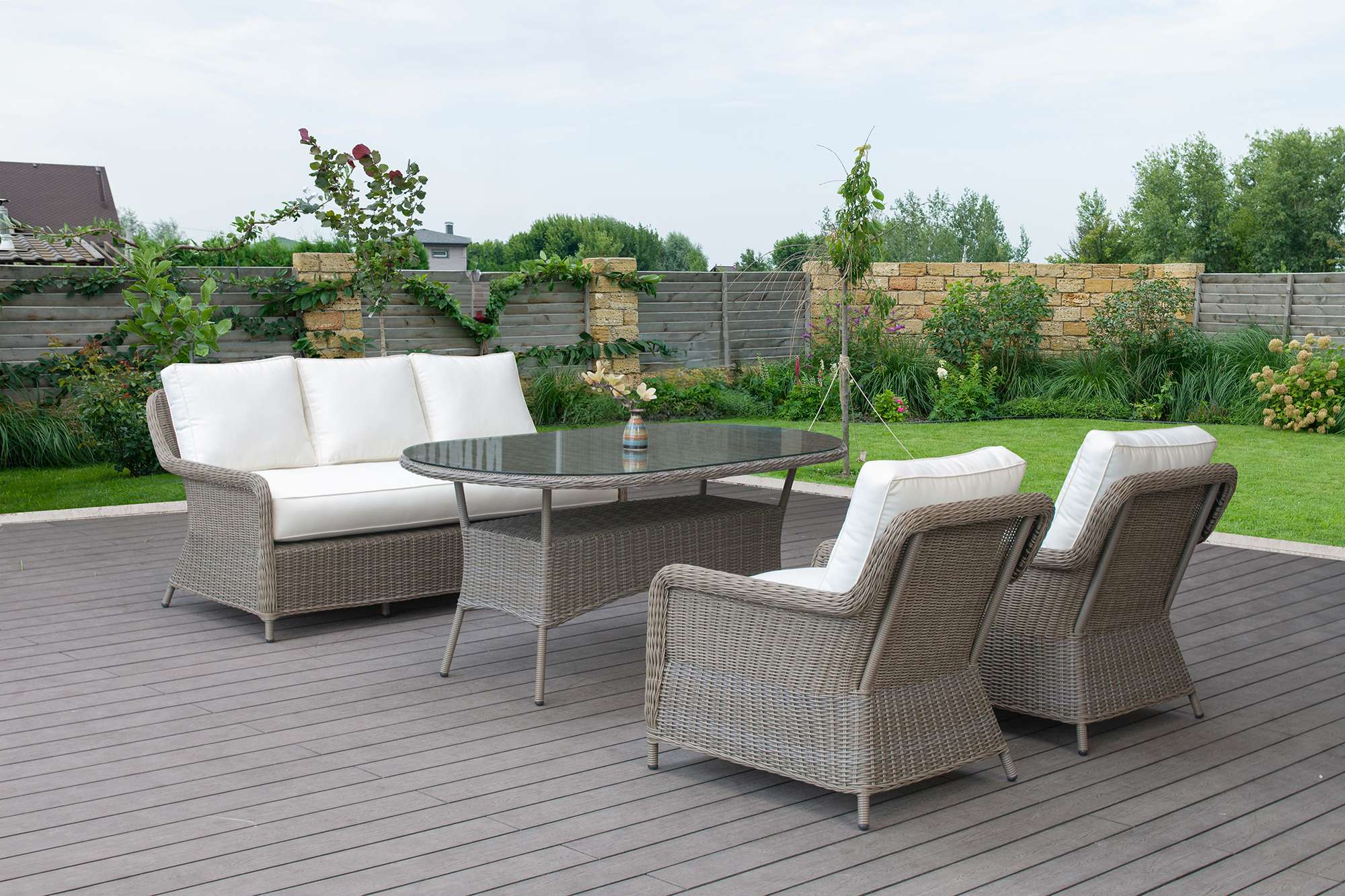
Outdoor furniture can make your backyard or patio a relaxing space. Caring for it keeps it comfortable and stylish.
Simple steps like choosing the right cushions and decorating your space can improve your outdoor experience.
Choosing Cushions And Fabrics
Select cushions that are soft and fit your furniture well. Good cushions add comfort and style.
Pick fabrics that resist water and fading. They last longer and stay looking fresh.
- Use outdoor fabrics like acrylic or polyester
- Choose cushions with quick-dry foam
- Pick colors that match your outdoor theme
- Consider removable covers for easy cleaning
Decorating Tips For Outdoor Spaces
Add decorative items to make your space cozy and inviting. Small touches create a warm feel.
Use plants, rugs, and lighting to enhance the look. These items add color and texture.
- Place potted plants near seating areas
- Use outdoor rugs to define spaces
- Add string lights or lanterns for soft lighting
- Include side tables for convenience
Credit: atc-craft.com
Frequently Asked Questions
How Often Should I Clean Outdoor Furniture?
Cleaning frequency depends on materials and usage. Generally, clean every month to prevent dirt buildup. Use mild soap and water for most surfaces. Regular maintenance prolongs furniture life and keeps it looking fresh. Always check manufacturer's instructions for specific care guidelines.
Can I Leave Outdoor Furniture In The Rain?
Most outdoor furniture is weather-resistant, but prolonged exposure can cause damage. Cover or store during heavy rain. Moisture can lead to rust, mold, or material weakening. Use waterproof covers or move to a sheltered area. Regular maintenance helps prevent weather-related wear and tear.
What Materials Are Best For Outdoor Furniture?
Durable materials include teak, aluminum, and synthetic wicker. Teak is naturally weather-resistant and ages well. Aluminum is lightweight and rust-resistant. Synthetic wicker offers a traditional look with modern durability. Choose materials based on climate and personal preference for optimal performance.
How Do I Protect Outdoor Furniture From Sun Damage?
Use UV-protective covers or store in shaded areas. Sun exposure can fade colors and weaken materials. Apply UV-resistant sealants or finishes to wood surfaces. Regularly check for signs of sun damage, such as fading or cracking. Routine care extends furniture lifespan.
Conclusion
Caring for outdoor furniture keeps it strong and looking good. Clean it often with mild soap and water. Cover or store pieces during harsh weather. Use cushions and fabrics that dry quickly. Treat wood or metal to stop damage. Small efforts add up to long-lasting furniture.
Enjoy your outdoor space without worry or stress. Simple steps make a big difference over time. Keep your furniture ready for every season. This care helps you save money and time. Your outdoor area stays inviting and fresh year-round.