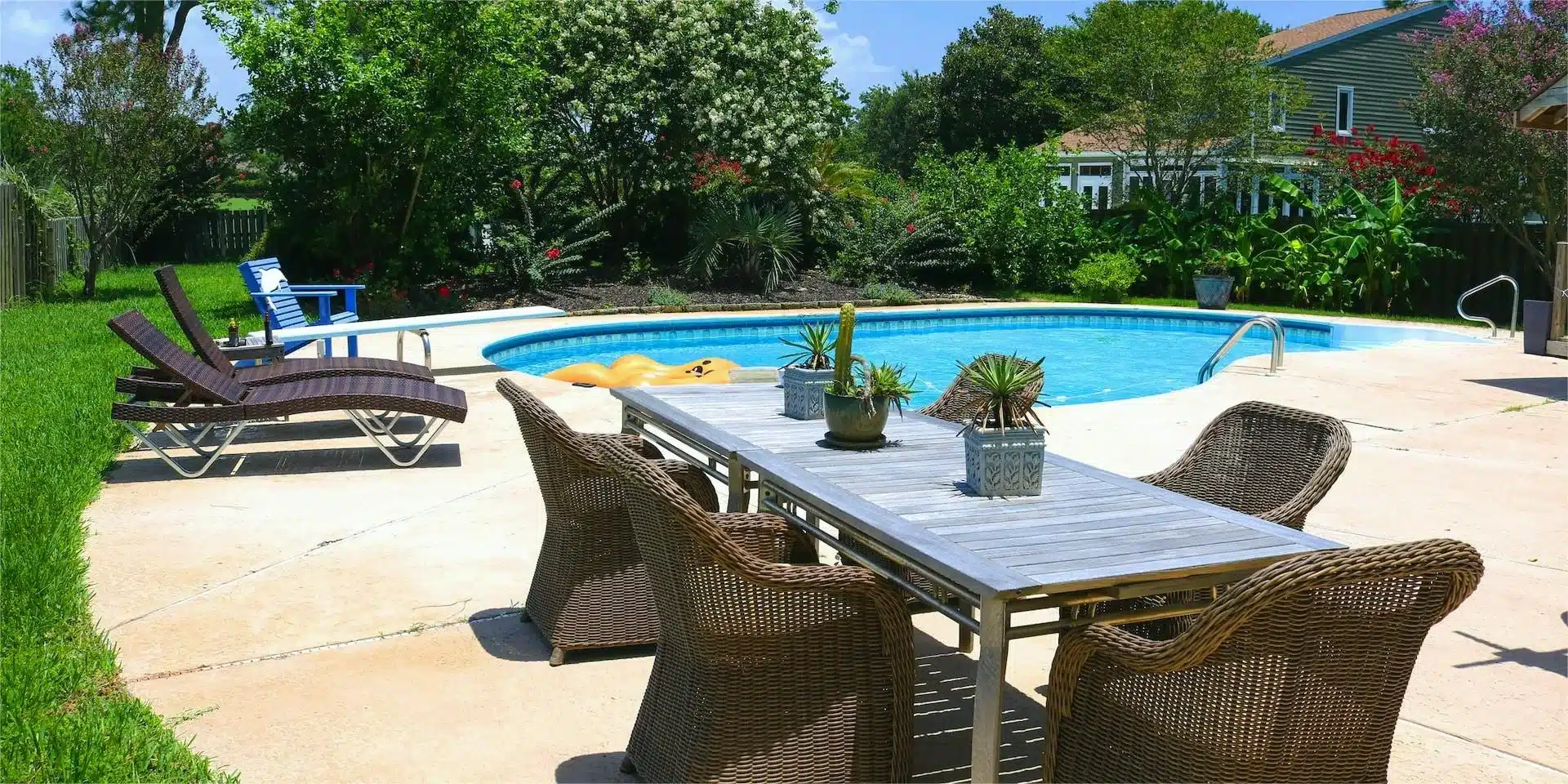
Imagine stepping outside to a cozy, stylish patio that you built yourself. Your perfect spot for relaxing, entertaining, or enjoying a quiet morning coffee.
Building your own outdoor patio furniture isn’t just a fun project—it’s a way to create something unique that fits your space and style perfectly. In this guide, you’ll discover simple steps and practical tips that make the process easy and rewarding.
Ready to transform your outdoor space with furniture you crafted with your own hands? Let’s get started!
Choosing Materials
Picking the right materials is key to building strong outdoor patio furniture. The materials must handle weather and last long.
You want materials that look good and resist damage from sun, rain, and wind. This guide helps you choose well.
Wood Types For Durability
Wood is a popular choice for patio furniture. Some woods are tougher and last longer outside than others.
Hardwoods like teak and cedar resist rot and insects. Softwoods like pine need extra care to last outdoors.
- Teak:Very durable, natural oils protect it from water.
- Cedar:Resists decay and smells nice, good for outdoor use.
- Redwood:Strong and stable, resists warping.
- Pine:Affordable but needs sealing to prevent damage.
Metal Vs. Wood Options
Metal furniture is strong and often lighter than wood. It can last long with the right finish.
Wood gives a warm, natural look but needs more care. Metal can be cold but is usually easier to maintain.
- Aluminum:Light, rust-resistant, good for modern styles.
- Steel:Very strong, must be coated to stop rust.
- Wood:Natural, can be refinished or repaired easily.
- Wrought Iron:Classic look, heavy and needs rust protection.
Weatherproofing Materials
Protecting your furniture from weather keeps it looking good and strong. Use paints, stains, or sealers made for outdoors.
Cover metal parts with rust-proof paint. For wood, use water-repellent sealers to stop moisture damage.
- Use exterior-grade paint or stain for wood protection.
- Apply rust-resistant coatings on metal surfaces.
- Consider cushions made with waterproof fabric.
- Store furniture under cover during harsh weather.
Tools You’ll Need
Building outdoor patio furniture is fun and rewarding. Using the right tools makes the job easier and safer.
This guide lists the essential tools you need to get started. It covers hand tools, power tools, and safety gear.
Basic Hand Tools
Hand tools help you measure, cut, and assemble wood pieces. They are simple but very important for furniture making.
These tools allow you to work precisely and control your project step by step.
- Measuring tape for accurate lengths
- Pencil for marking cut lines
- Hammer for driving nails
- Screwdrivers to fasten screws
- Chisels for shaping wood
- Hand saw for small cuts
- Clamps to hold pieces in place
Power Tools For Efficiency
Power tools save time and reduce effort. They help cut, drill, and sand faster than hand tools.
Using these tools carefully speeds up your work and improves the finish of your furniture.
- Circular saw for straight cuts on large boards
- Power drill for drilling holes and driving screws
- Jigsaw for cutting curves and shapes
- Orbital sander for smooth surfaces
- Router to create decorative edges
- Impact driver for heavy-duty fastening
Safety Equipment
Safety gear protects you from injuries. Always wear the right equipment when working with tools.
Proper safety helps you focus on your work without accidents or harm.
- Safety glasses to protect your eyes
- Work gloves to protect your hands
- Ear protection like earplugs or earmuffs
- Dust mask to avoid breathing sawdust
- Sturdy shoes to protect your feet
- First aid kit nearby in case of cuts
Planning Your Design
Building outdoor patio furniture starts with a clear plan. Good planning helps you save time and money.
Think about what you want before you build. This makes the project easier and more fun.
Selecting Furniture Style
Choose a furniture style that fits your outdoor space. Look for styles that match your home and garden.
Popular styles include modern, rustic, and classic. Each style uses different materials and shapes.
- Modern: clean lines and simple shapes
- Rustic: natural wood and rough textures
- Classic: traditional designs with curves
Measuring Your Space
Measure the area where you want to place the furniture. Accurate measurements avoid buying wrong sizes.
Use a tape measure to get length, width, and height. Write down all numbers clearly for reference.
- Measure the patio or deck area
- Note any obstacles like plants or steps
- Allow space for walking around furniture
Sketching Simple Plans
Draw a simple plan of your furniture design on paper. This helps you see the shape and size clearly.
Include measurements and details like seat height or table width. Keep the sketch easy to change if needed.
- Draw top and side views of each piece
- Mark all important measurements
- Use pencil for easy corrections

Credit: sagesacre.com
Cutting And Preparing Wood
Building outdoor patio furniture starts with cutting and preparing the wood. This step is important to get the right size and smooth surfaces. Good preparation makes the assembly easier and the furniture stronger.
Careful measuring, cutting, and sanding help your project look neat and last longer outdoors. Take your time to do each task well.
Measuring And Marking
Measure the wood pieces accurately before cutting. Use a tape measure and a pencil to mark the wood clearly. Double-check your measurements to avoid mistakes.
Mark straight lines with a carpenter’s square or a ruler. Clear marks help you cut the wood exactly where needed.
- Measure twice, cut once
- Use a sharp pencil for clear marks
- Mark all pieces before cutting
- Label pieces to keep track
Safe Cutting Techniques
Always wear safety glasses and ear protection before cutting wood. Use clamps to hold the wood steady. This keeps your hands safe and the cut accurate.
Cut slowly and follow your marked lines. Use the right saw for the job. A circular saw or miter saw works well for straight cuts.
- Wear safety gear at all times
- Secure wood with clamps or a workbench
- Follow marked lines carefully
- Use the correct saw for each cut
- Keep hands away from the blade
Sanding For Smooth Surfaces
Sanding removes rough spots and splinters from the wood. Use medium-grit sandpaper first, then fine-grit for a smooth finish. Sand with the grain to avoid scratches.
After sanding, wipe the wood with a damp cloth to remove dust. Smooth surfaces help paint or stain stick better and protect the wood outside.
- Start with 80-120 grit sandpaper
- Finish with 180-220 grit sandpaper
- Sand along the wood grain
- Clean dust after sanding
Assembling The Pieces
Building outdoor patio furniture involves fitting many parts together. Proper assembly ensures strength and durability.
Focus on secure joins and steady support for long-lasting furniture. Follow simple steps to assemble your pieces well.
Basic Joinery Methods
Joinery means connecting wood parts. Common joints include butt joints, lap joints, and mortise and tenon.
Choose joints that fit your skills and furniture style. Simple joints work well for most patio projects.
- Butt Joints:End of one board meets another flat surface.
- Lap Joints:Boards overlap each other partially.
- Mortise and Tenon:One piece fits into a hole in another.
Using Screws And Nails
Screws and nails hold pieces firmly. Screws offer strong grip and are easy to remove if needed.
Nails are faster to use but less strong. Use screws for joints that bear weight and nails for smaller parts.
- Use wood screws for better hold.
- Pre-drill holes to avoid wood splitting.
- Choose weather-resistant screws for outdoor use.
- Nails work well for trim or small pieces.
Clamping And Securing
Clamps hold pieces tight during assembly. They keep joints aligned while screws or glue sets.
Use clamps that fit your furniture size. Check that parts do not move before removing clamps.
- Apply even pressure with clamps.
- Protect wood surfaces with pads under clamps.
- Leave clamps on until glue or fasteners dry.
- Use multiple clamps for larger pieces.
Finishing Touches
Finishing touches make your outdoor patio furniture look great. They also protect your work from weather damage.
Take time to apply paint, sealant, and add cushions. These steps improve comfort and durability.
Applying Paint Or Stain
Paint or stain adds color and protects wood from water and sun. Choose outdoor paint or wood stain for best results.
Use a brush or sprayer to apply thin, even coats. Let each coat dry fully before adding the next one.
- Sand the wood before painting or staining
- Apply paint or stain in a well-ventilated area
- Follow the product instructions for drying times
Adding Protective Sealant
Sealant keeps your furniture safe from rain, sun, and dirt. It extends the life of your outdoor pieces.
Choose a clear waterproof sealant. Use a brush to cover all surfaces evenly. Let it dry completely before use.
- Apply sealant after paint or stain has dried
- Seal joints and edges carefully
- Reapply sealant every year for best protection
Installing Cushions And Accessories
Cushions add comfort to your patio furniture. Choose weather-resistant fabrics for outdoor use.
Add accessories like pillows, umbrellas, or covers. These items improve comfort and protect your furniture.
- Measure furniture to find the right cushion size
- Use cushions with removable, washable covers
- Store cushions indoors when not in use
- Use furniture covers to protect from rain and dust
Maintenance Tips
Building outdoor patio furniture is fun and rewarding. Keeping it in good shape makes it last longer.
Regular care helps your furniture stay clean, strong, and beautiful year-round.
Cleaning Techniques
Clean your patio furniture often to remove dirt and dust. Use mild soap and water for most materials.
A soft brush or cloth works well. Avoid harsh chemicals that can damage the finish.
- Rinse furniture with water before washing
- Use a gentle soap solution
- Scrub lightly with a soft brush or sponge
- Dry completely with a clean cloth
- Clean cushions separately if removable
Seasonal Care
Seasonal changes affect outdoor furniture. Protect it from sun, rain, and cold weather.
Store cushions indoors during bad weather. Cover furniture with waterproof covers if possible.
- Apply wood sealant or oil before winter
- Use rust-resistant spray on metal parts
- Move furniture to a shaded area in summer
- Store cushions in dry places during rain
- Check for damage after storms
Repairing Common Issues
Fix small problems quickly to avoid bigger damage. Tighten loose screws and bolts regularly.
Replace cracked wood or torn fabric to keep furniture safe and comfy.
- Sand rough wood spots before sealing
- Use wood glue to fix small cracks
- Patch or replace torn cushions
- Lubricate moving parts like hinges
- Check joints for stability often

Credit: www.youtube.com

Credit: www.youtube.com
Frequently Asked Questions
What Materials Are Best For Outdoor Patio Furniture?
Choosing the right materials is crucial for durability and style. Teak, cedar, and eucalyptus are great for wood options. Aluminum and wrought iron are excellent metal choices. These materials resist weather damage and require minimal maintenance. Opt for weather-resistant cushions to ensure comfort and longevity.
How Do I Maintain Outdoor Furniture?
Regular maintenance extends the life of your outdoor furniture. Clean surfaces with mild soap and water. Cover furniture during harsh weather. Reapply protective sealant annually for wood pieces. Check for rust on metal parts and repaint if needed. Proper care keeps your furniture looking new.
Can I Build Patio Furniture On A Budget?
Yes, building patio furniture on a budget is possible. Use reclaimed wood or pallets for cost-effective projects. Purchase materials during sales or use coupons. DIY plans and tutorials online can guide you. Creativity and resourcefulness can help you achieve stylish, budget-friendly furniture.
What Tools Are Needed For Building Patio Furniture?
Basic tools are essential for building patio furniture. You'll need a saw, drill, measuring tape, and screwdriver. A sander is useful for smoothing surfaces. Safety equipment, like goggles and gloves, is important. With these tools, you can efficiently create your outdoor furniture.
Conclusion
Building your own outdoor patio furniture brings great satisfaction. It saves money and fits your space perfectly. Choose sturdy materials for long-lasting use. Take your time with each step. Enjoy customizing designs to match your style. Soon, your patio will be cozy and inviting.
Friends and family will love gathering there. Crafting furniture yourself makes outdoor living more personal. Start small and learn as you go. The effort is worth the comfort and pride you gain.