Choosing the right thickness for your memory foam mattress can change how well you sleep every night. You might wonder, “How thick should my mattress be to feel just right?” The thickness affects your comfort, support, and how long your mattress lasts.
If you pick the wrong one, you could wake up with aches or restless nights. You’ll discover what thickness works best for your body, sleep style, and budget. Keep reading to find the perfect fit that lets you rest deeply and wake up refreshed.
Credit: www.vevor.ca
Memory Foam Thickness Basics
Memory foam mattresses come in different thicknesses. The thickness affects comfort and support.
Choosing the right thickness helps you sleep better and feel rested.
What Thickness Means
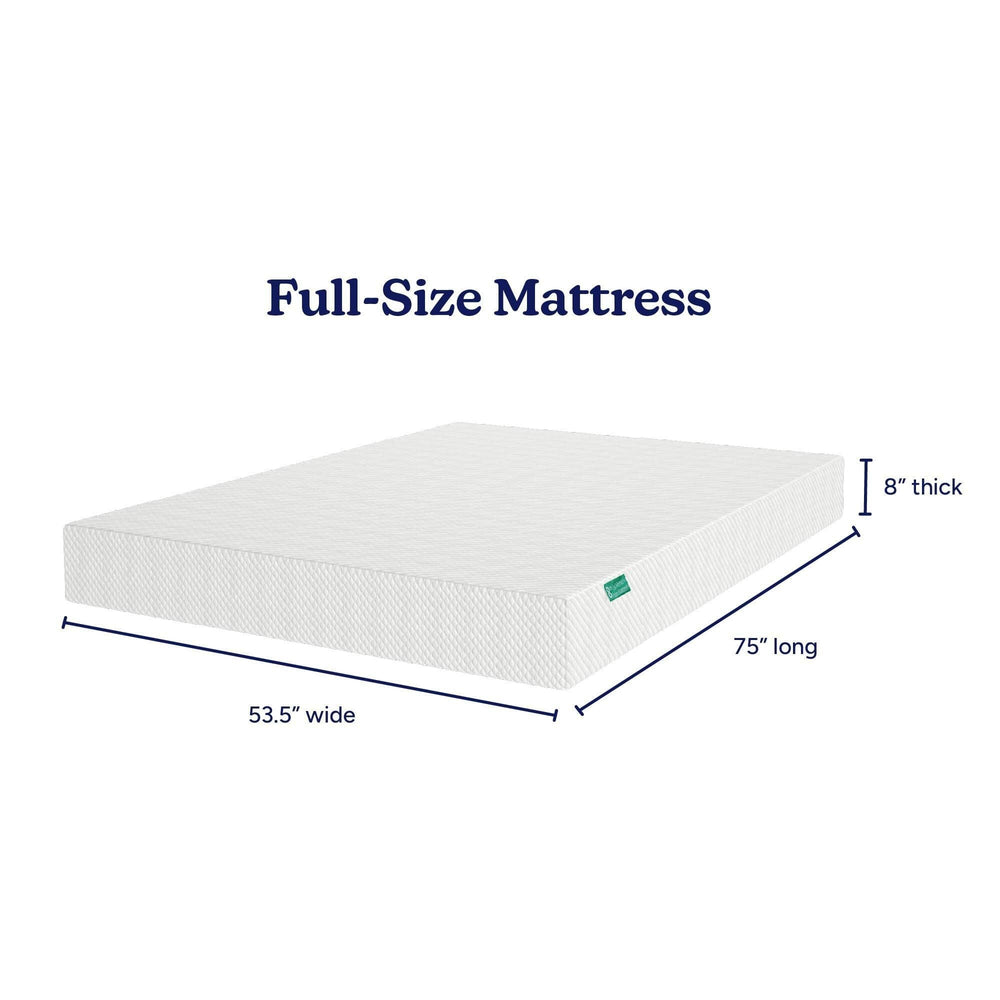
Thickness shows how deep the memory foam layer is. It is measured in inches.
Thicker foam usually means more comfort and better pressure relief. Thinner foam may feel firmer.
Common Thickness Sizes
Memory foam layers come in many sizes. Each size fits different needs and budgets.
- 3 inches: Thin layer, good for firm support and budget options
- 4 to 5 inches: Medium thickness, balances comfort and support
- 6 inches or more: Thick layer, offers deep cushioning and pressure relief
Thickness And Comfort Levels
Memory foam mattresses come in different thicknesses. The thickness affects how soft or firm the mattress feels.
Choosing the right thickness helps you find comfort and good support for your body.
Thin Memory Foam Benefits
Thin memory foam mattresses are usually 2 to 3 inches thick. They are softer and lighter than thicker options.
These mattresses are good for people who want a gentle cushion or use it as a mattress topper.
- Easy to move and carry
- Provides light pressure relief
- Works well on top of a firmer mattress
Medium Thickness For Balance
Medium thickness memory foam ranges from 4 to 6 inches. It gives a good mix of softness and support.
This thickness suits many sleepers who want comfort but also need proper spinal alignment.
- Offers balanced pressure relief and support
- Helps reduce body pain during sleep
- Works well for side and back sleepers
Thick Foam For Deep Support
Thick memory foam mattresses are 7 inches or more. They provide strong support for heavier bodies.
These mattresses keep your spine aligned and prevent sinking too deep into the foam.
- Best for people with back or joint pain
- Supports heavier weight without losing shape
- Ideal for those who prefer a firmer feel
Impact On Sleep Quality
The thickness of a memory foam mattress affects how well you sleep. Thicker mattresses offer more support and comfort. They can improve your overall sleep quality by helping your body rest better.
Choosing the right thickness helps reduce discomfort and improve rest. It can also help your body recover overnight.
Pressure Relief
Thicker memory foam mattresses spread your body weight more evenly. This reduces pressure points on your hips, shoulders, and back. Less pressure means less pain and better comfort while you sleep.
A mattress that is too thin may not cushion your body enough. This can cause soreness and tosses during the night.
- Thicker foam softens hard surfaces
- Reduces pressure on sensitive areas
- Helps prevent aches and pains
Spine Alignment
Proper spine alignment is key for a good night’s sleep. A thick memory foam mattress supports your spine’s natural curve. This helps keep your body in a neutral position while you rest.
When your spine stays aligned, you wake up feeling refreshed. A mattress that is too thin may cause your spine to sag or bend unnaturally.
- Supports natural spine shape
- Prevents back and neck pain
- Improves sleep posture
Motion Isolation
Thicker memory foam absorbs movement better than thin foam. This means less disturbance when your partner moves or gets up. Good motion isolation helps you stay asleep longer.
If your mattress is thin, you may feel every movement. This can interrupt your sleep and reduce rest quality.
- Reduces motion transfer
- Keeps sleep undisturbed
- Ideal for couples
Credit: maxandlily.com
Choosing Thickness By Body Type
Memory foam mattress thickness affects comfort and support. Choosing the right thickness depends on your body type. A good fit helps improve sleep quality.
Different body weights need different mattress thicknesses. This guide helps you pick the best thickness for your body type.
Lightweight Sleepers
Lightweight sleepers weigh less than 130 pounds. They do not press deeply into the mattress. A thinner memory foam mattress can offer enough support and comfort.
Mattresses between 6 to 8 inches thick work well. They provide enough cushioning without feeling too soft or too firm.
- Offers good support without sinking too much
- Easier to move on a thinner mattress
- Cost-effective choice
Average Weight Sleepers
Average weight sleepers weigh between 130 and 230 pounds. They need a balance of support and cushioning. A medium-thick mattress helps distribute weight evenly.
Choose memory foam mattresses that are 8 to 10 inches thick. This thickness helps prevent pressure points and offers good spinal alignment.
- Provides enough depth for comfort
- Supports most sleep positions
- Reduces risk of mattress sagging
Heavyweight Sleepers
Heavyweight sleepers weigh over 230 pounds. They need thicker mattresses for proper support. Thin mattresses may feel too soft and wear out quickly.
Memory foam mattresses 11 to 14 inches thick provide better support and durability. Thicker layers help prevent deep sinking and improve comfort.
- Offers strong support to avoid pressure points
- Improves mattress lifespan
- Helps maintain proper spinal alignment
Thickness For Different Sleep Positions
Choosing the right thickness for a memory foam mattress depends on how you sleep. Each sleep position needs different support and comfort levels.
Finding the right mattress thickness helps improve sleep quality and reduce body pain.
Back Sleepers
Back sleepers need a mattress that supports the natural curve of the spine. A medium thickness mattress usually works best.
Too thin mattresses may not provide enough support, causing back pain. Too thick mattresses can feel too soft and sink too much.
- Ideal thickness: 8 to 12 inches
- Support the lower back
- Balance comfort and firmness
Side Sleepers
Side sleepers need a thicker mattress to cushion the shoulders and hips. This helps reduce pressure points.
A mattress that is too thin can cause discomfort at the hips and shoulders. Thicker foam helps keep the spine aligned.
- Ideal thickness: 10 to 14 inches
- Soft enough to relieve pressure
- Firm enough to support the spine
Stomach Sleepers
Stomach sleepers need a thinner mattress to keep the body from sinking too deep. This helps keep the spine straight.
Too thick mattresses can cause the hips to sink, leading to lower back pain. A thinner mattress keeps the body more level.
- Ideal thickness: 6 to 10 inches
- Firm surface to prevent sinking
- Supports natural spine alignment
Thickness And Mattress Durability
Thickness plays a key role in how long a memory foam mattress lasts. Thicker mattresses often offer better support and comfort over time.
Durability depends on thickness as well as the quality of the foam used. A thicker mattress can resist wear and sagging for many years.
Foam Density Relation
Foam density measures how much material is packed into the foam. Higher density means the mattress is firmer and more durable.
Thicker memory foam mattresses with higher density hold up better under weight and pressure. They keep their shape longer than thin, low-density foam.
- High-density foam: lasts 8 to 10 years
- Medium-density foam: lasts 5 to 7 years
- Low-density foam: lasts 3 to 5 years
Wear And Sagging
Wear happens when foam breaks down from regular use. Thin mattresses wear out faster because they have less foam to absorb pressure.
Sagging occurs when the mattress loses its support and forms dips. Thicker foam layers reduce sagging by spreading weight evenly.
- Thicker foam resists sagging longer
- Lower density foam sags faster
- Proper support under the mattress helps durability
Thickness Effects On Temperature Regulation
The thickness of a memory foam mattress affects how heat stays in or leaves the mattress. Thicker mattresses can trap more body heat. This can make the mattress feel warmer during sleep.
Thinner mattresses often allow better air flow. This can help keep the mattress cooler. Understanding these effects can help you choose the right mattress thickness.
Heat Retention Factors
Memory foam absorbs and holds heat because of its dense structure. The thicker the foam, the more heat it can trap inside. This can cause the mattress to feel hot during the night.
Other factors that affect heat retention include foam density and room temperature. Higher density foams hold more heat. Warm rooms make heat build-up worse.
- Thicker foam traps more body heat
- High-density foam holds heat longer
- Room temperature influences heat retention
Cooling Technologies
Some memory foam mattresses have cooling features to reduce heat build-up. These include gel infusions, open cell foam, and breathable covers. Cooling technologies help air flow and pull heat away.
Choosing a mattress with these features can improve comfort, especially in thicker mattresses. Cooling layers can balance heat retention caused by foam thickness.
- Gel-infused foam absorbs and disperses heat
- Open cell foam improves air circulation
- Breathable covers allow heat to escape

Credit: www.amazon.ca
Budget Considerations For Thickness
Choosing the right thickness for a memory foam mattress affects your budget. Thicker mattresses usually cost more.
Think about how much you want to spend and what thickness fits your needs best.
Cost Differences By Thickness
Memory foam mattresses come in different thickness levels, like 6, 8, 10, or 12 inches. The thicker the mattress, the higher the price.
Thicker mattresses use more foam, which raises production costs. This extra cost is passed to buyers.
- 6 inches: Usually the cheapest option
- 8 inches: Mid-range price with better comfort
- 10-12 inches: Higher cost, better support and durability
Value Vs. Price
Price is not the only thing to consider. Sometimes, a thinner mattress can give good value if it fits your needs.
Thicker mattresses may cost more but can last longer and offer more comfort. Think about what matters most to you.
| Thickness | Price | Value |
|---|---|---|
| 6 inches | Low | Good for small budgets |
| 8 inches | Medium | Balanced comfort and cost |
| 10-12 inches | High | Best for comfort and durability |
How To Test Mattress Thickness At Home
Knowing the thickness of your memory foam mattress helps you understand its comfort and support. Testing thickness at home is simple and quick.
You do not need special tools. Use easy checks to find out how thick your mattress really is.
Visual Inspection
Look at the mattress edges and surface carefully. Thickness is easier to see when the mattress is on a flat surface.
Check for layers if your mattress has a cover that you can remove. This shows the foam layers inside.
- Place the mattress on a flat floor or bed frame
- Look at the height from floor to top surface
- Remove the cover if possible to see foam layers
- Compare with a tape measure if available
Comfort Trial Tips
Lie down on the mattress to feel its thickness and support. Notice how your body sinks or stays on top.
Try different positions like back, side, and stomach to test comfort. Thickness affects how your body feels pressure.
- Lie flat and check how deep you press into the mattress
- Move to side positions to see if thickness supports your hips and shoulders
- Use a ruler or book next to you to estimate how much foam compresses
- Test for at least 10 minutes to get a good feel
Frequently Asked Questions
How Thick Should A Memory Foam Mattress Be?
The ideal thickness for a memory foam mattress varies. For side sleepers, 10-14 inches provides optimal support. Back sleepers might prefer 8-12 inches. Thicker mattresses offer more comfort and durability, but personal preference and body type should guide your choice.
Does Memory Foam Thickness Affect Comfort?
Yes, memory foam thickness affects comfort significantly. Thicker mattresses provide better contouring and pressure relief. They offer more support and durability. However, individual preferences and sleeping positions play a crucial role in determining comfort levels.
Is A Thicker Memory Foam Mattress Better For Back Pain?
Thicker memory foam mattresses often alleviate back pain. They provide enhanced support and pressure relief. A mattress with 10-14 inches thickness can distribute body weight evenly. This helps in reducing strain on the back and enhances comfort.
What Is The Best Thickness For A Firm Feel?
For a firm feel, an 8-10 inches thick memory foam mattress is ideal. It offers adequate support without excessive softness. Thinner mattresses provide a firmer sleep surface, suitable for stomach and back sleepers.
Conclusion
Choosing the right thickness for your memory foam mattress matters a lot. Thicker mattresses usually offer better support and comfort. Thinner ones may feel firmer but might not last as long. Think about your sleeping style and body weight before deciding.
A mattress that fits your needs helps you rest well. Good sleep improves your health and mood. Take time to find the best thickness for you. Sleep well, feel better every day.