Are you wondering how long your foam mattress topper will really last? You’ve invested in extra comfort and support, but knowing when to replace it can make all the difference in your sleep quality.
If you want to avoid waking up with aches or feeling like you’re sleeping on a saggy surface, understanding the lifespan of your foam topper is key. Keep reading to discover how long you can expect yours to stay fresh, what signs to watch for, and how to get the most out of your investment.
Your best night’s sleep depends on it.

Credit: www.turmerry.com
Foam Mattress Topper Types
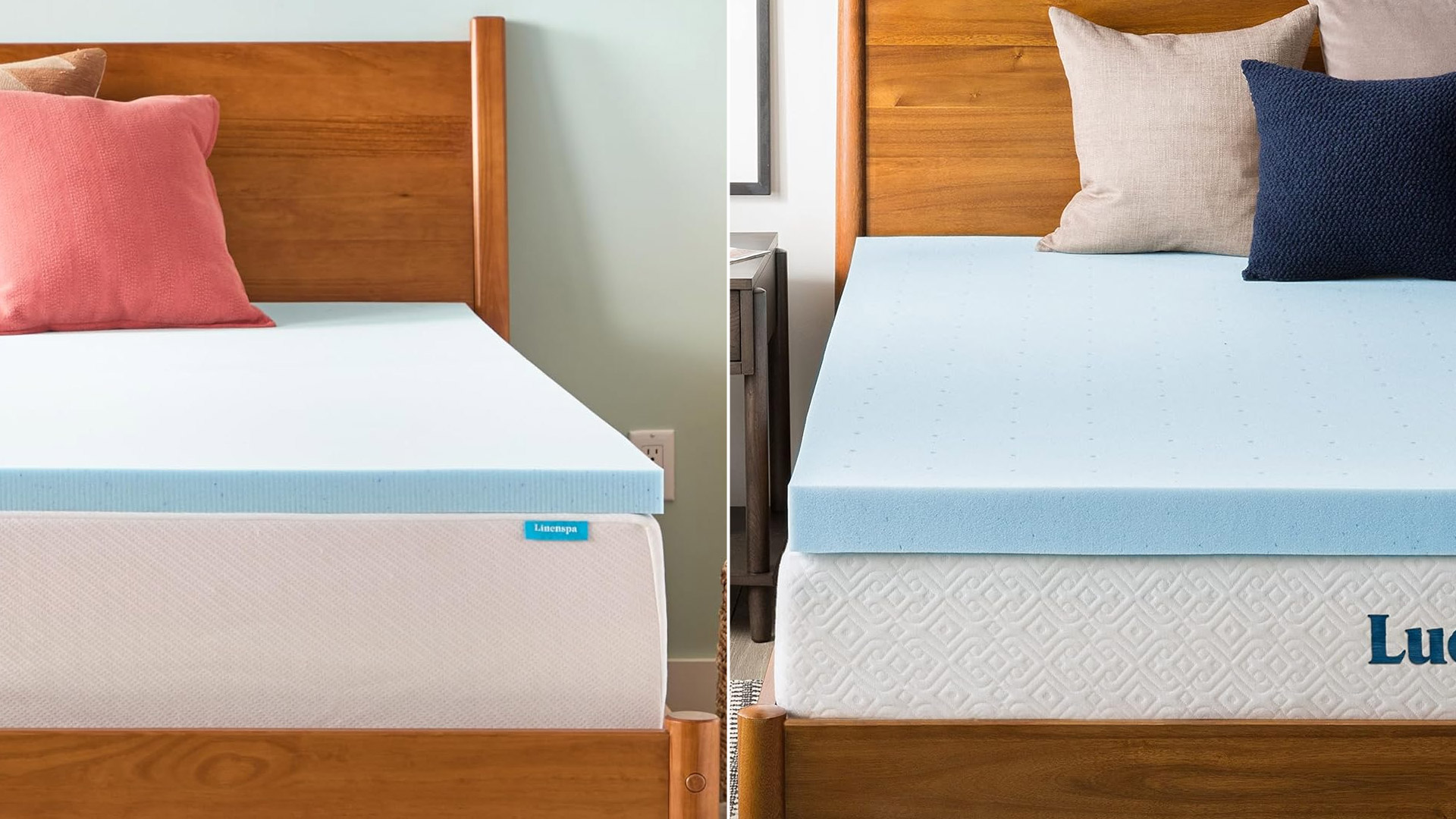
Foam mattress toppers add comfort and support to your bed. They come in different types of foam. Each type lasts for a different time.
Knowing the type of foam helps you choose the right topper. It also tells you how long it will stay comfortable.
Memory Foam
Memory foam molds to your body shape. It reduces pressure points and offers good support. It is popular for its comfort.
Memory foam toppers usually last about 3 to 5 years. The quality and thickness affect how long they last.
- Soft and body-contouring
- Good for pressure relief
- Can retain heat
- May lose shape over time
Latex Foam
Latex foam is made from natural or synthetic latex. It is bouncy and durable. It gives firm support and stays cool.
Latex foam toppers can last 5 to 7 years or longer. They resist sagging better than other foams.
- Resilient and springy feel
- Good breathability
- Hypoallergenic and resistant to dust mites
- Long-lasting durability
Polyurethane Foam
Polyurethane foam is the most common and affordable foam. It can be soft or firm depending on density. It provides basic comfort.
Polyurethane foam toppers last about 1 to 3 years. Lower density foams wear out faster and lose support.
- Lightweight and inexpensive
- Varies in firmness
- Less durable than memory or latex foam
- May flatten with time
Factors Affecting Durability
The lifespan of a foam mattress topper depends on several important factors. These affect how long it stays comfortable and supportive.
Understanding these factors helps you choose a topper that lasts longer and meets your needs.
Density And Thickness
Density is how much foam is packed into the topper. Higher density means the foam is thicker and more durable.
Thickness adds comfort and helps the topper last longer by providing more material to support weight.
- High-density foam lasts longer and resists sagging.
- Thicker toppers provide better support and durability.
- Low-density foam wears out faster and loses shape.
Quality Of Materials
Good quality foam uses better ingredients and manufacturing methods. This improves comfort and lifespan.
Cheaper materials may break down quickly and feel less supportive over time.
- Memory foam with high-quality cells lasts longer.
- Gel-infused foams can stay cooler and maintain shape.
- Low-quality foam may crumble or flatten fast.
Usage Patterns
How often and how you use the topper affects its life. Heavy use wears foam down faster.
Rotating or flipping the topper can help it wear evenly and last longer.
- Daily use causes quicker wear.
- Less frequent use keeps foam fresh longer.
- Proper care like cleaning and rotating extends life.
Average Lifespan Of Foam Toppers
Foam mattress toppers add comfort to your bed. They also protect your mattress from wear. Knowing how long they last helps you decide when to replace them.
The lifespan of foam toppers varies by foam type. Each type wears out at a different rate. Let’s look at the average life of common foam toppers.
Memory Foam Lifespan
Memory foam toppers are popular for their soft feel. They mold to your body and relieve pressure points. On average, memory foam lasts about 3 to 5 years.
Quality and thickness affect lifespan. Thicker toppers usually last longer. Good care, like rotating the topper, can extend its life.
- Average lifespan: 3 to 5 years
- Thicker foam lasts longer
- Rotate regularly to prevent wear
Latex Foam Lifespan
Latex foam toppers are firmer and more durable. They resist sagging and keep their shape well. Latex foam can last between 5 and 7 years.
Natural latex usually lasts longer than synthetic types. Proper cleaning and airing keep the topper fresh and in good condition.
- Average lifespan: 5 to 7 years
- Natural latex is more durable
- Keep dry and clean for longer use
Polyurethane Foam Lifespan
Polyurethane foam is the most affordable type. It offers moderate comfort but breaks down faster. Its lifespan is usually 1 to 3 years.
Low-density polyurethane foam wears out quickly. Higher density types last longer but cost more. Avoid heavy use to extend its life.
- Average lifespan: 1 to 3 years
- Higher density lasts longer
- Less durable than memory or latex foam
Credit: www.tomsguide.com
Signs Your Foam Topper Needs Replacement
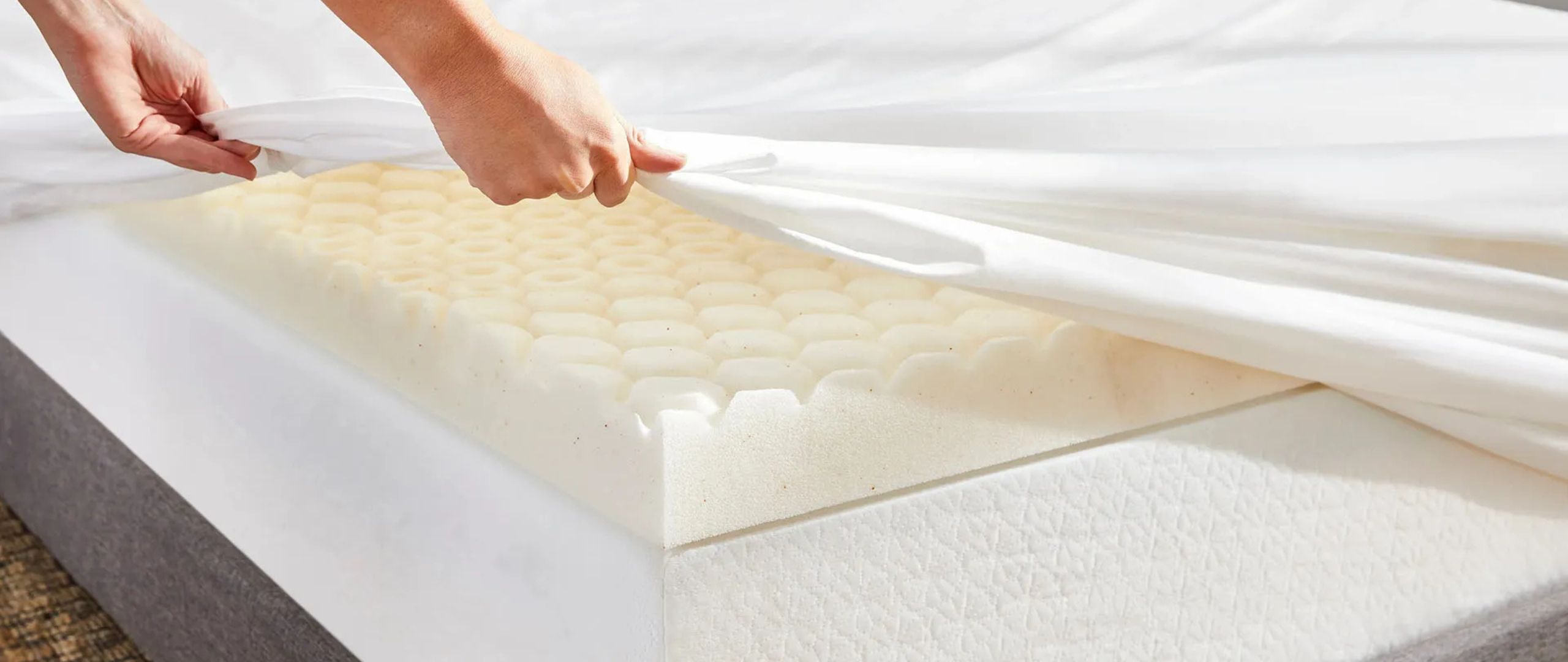
Foam mattress toppers add comfort and support to your bed. Over time, they wear out and lose effectiveness.
Knowing when to replace your foam topper helps you sleep better and stay healthy.
Loss Of Support
A foam topper that no longer supports your body well can cause discomfort. It may feel flat or uneven.
If you notice more aches or pressure points after sleeping, your foam topper might be losing support.
- Foam feels compressed or thin
- Body sinks too deeply into the topper
- New pressure points develop
- Sleep quality decreases
Visible Wear And Tear
Check your foam topper for signs of damage. Rips, cracks, or lumps show it is wearing out.
These defects reduce comfort and can get worse with use.
- Surface cracks or splits
- Foam crumbles or breaks apart
- Uneven lumps or dents
- Discoloration or stains
Odor And Hygiene Issues
Foam toppers can absorb sweat, dust, and allergens. This leads to unpleasant smells and hygiene problems.
If your topper smells bad or causes allergies, it may be time to replace it.
- Musty or sour odors
- Visible mold or mildew
- Increased allergy symptoms
- Difficulty cleaning the topper
Tips To Extend Foam Topper Life
Foam mattress toppers can last for several years with good care. Taking simple steps helps keep them comfortable and supportive.
Follow these tips to make your foam topper stay fresh and last longer.
Proper Cleaning Methods
Cleaning your foam topper carefully prevents damage. Avoid soaking it in water or using harsh cleaners.
Use mild soap and a damp cloth to spot clean stains. Let it air dry completely before use.
- Remove the topper and vacuum it regularly
- Spot clean with mild soap and water
- Do not machine wash or dry
- Let it dry in a well-ventilated area
Rotating And Flipping
Rotate and flip the foam topper often to prevent uneven wear. This helps keep the foam from sagging in one spot.
Try to do this every few months. It balances the pressure and extends the topper's shape and comfort.
- Flip the topper end to end
- Rotate it 180 degrees
- Do this every 3 to 6 months
Using Protective Covers
Protective covers guard the foam from spills, dirt, and sweat. Covers are easy to clean and keep the topper fresh.
Choose covers that fit well and are breathable to maintain comfort. Wash covers regularly to avoid buildup.
- Use a waterproof or fabric cover
- Choose breathable materials
- Wash covers every few weeks
Comparing Foam Toppers To Other Materials
Foam mattress toppers are popular for comfort and support. They last a good time, but other materials have different lifespans.
Knowing how foam compares to other toppers helps you pick the best option for your bed.
Innerspring Toppers
Innerspring toppers use coils inside for support. They feel firmer than foam and add bounce to the mattress.
These toppers usually last between 3 to 5 years. The coils can wear out or become noisy over time.
- Provide firm support
- Have shorter lifespan than foam
- May cause noise with use
- Good for people who like bounce
Gel-infused Toppers
Gel-infused foam toppers combine foam with cooling gel. They help reduce heat and feel cooler than regular foam.
They last around 4 to 6 years. The gel may lose its cooling effect as time passes, but the foam still supports well.
- Offer cooling comfort
- Last slightly longer than regular foam
- Good for hot sleepers
- Keep foam support with added gel
When To Upgrade Your Mattress Instead
Foam mattress toppers can improve comfort and support for a while. They usually last a few years but will wear out over time.
Sometimes, it is better to replace the whole mattress instead of just the topper. This can happen if the mattress is old or damaged.
Your Mattress Is Over 7-10 Years Old
Most mattresses last about 7 to 10 years. After that, they lose support and comfort. A topper may not fix these problems.
If your mattress is older than 10 years, it is time to think about buying a new one. A new mattress can give better sleep and health.
You Feel Pain Or Discomfort
If you wake up with pain in your back, hips, or shoulders, your mattress might not support you well. A topper may not help if the mattress is sagging.
Upgrading your mattress can improve your sleep quality and reduce pain. It is important to sleep on a firm and even surface.
Visible Damage On Your Mattress
Check your mattress for lumps, sagging, or stains. These signs mean the mattress is worn out. A topper cannot fix these problems fully.
Replacing the mattress will give you a fresh and clean sleeping surface. This helps avoid allergies and improves comfort.
Your Sleep Quality Has Dropped
If you toss and turn a lot or wake up tired, your mattress might be the cause. A topper cannot fix deep mattress issues.
Buying a new mattress can help you sleep better and feel more rested every day.
You Need Different Support Or Firmness
Your body or sleep needs may change over time. You might need a firmer or softer mattress than before. A topper only changes the surface feel slightly.
Getting a new mattress that matches your current needs will give better long-term comfort and support.
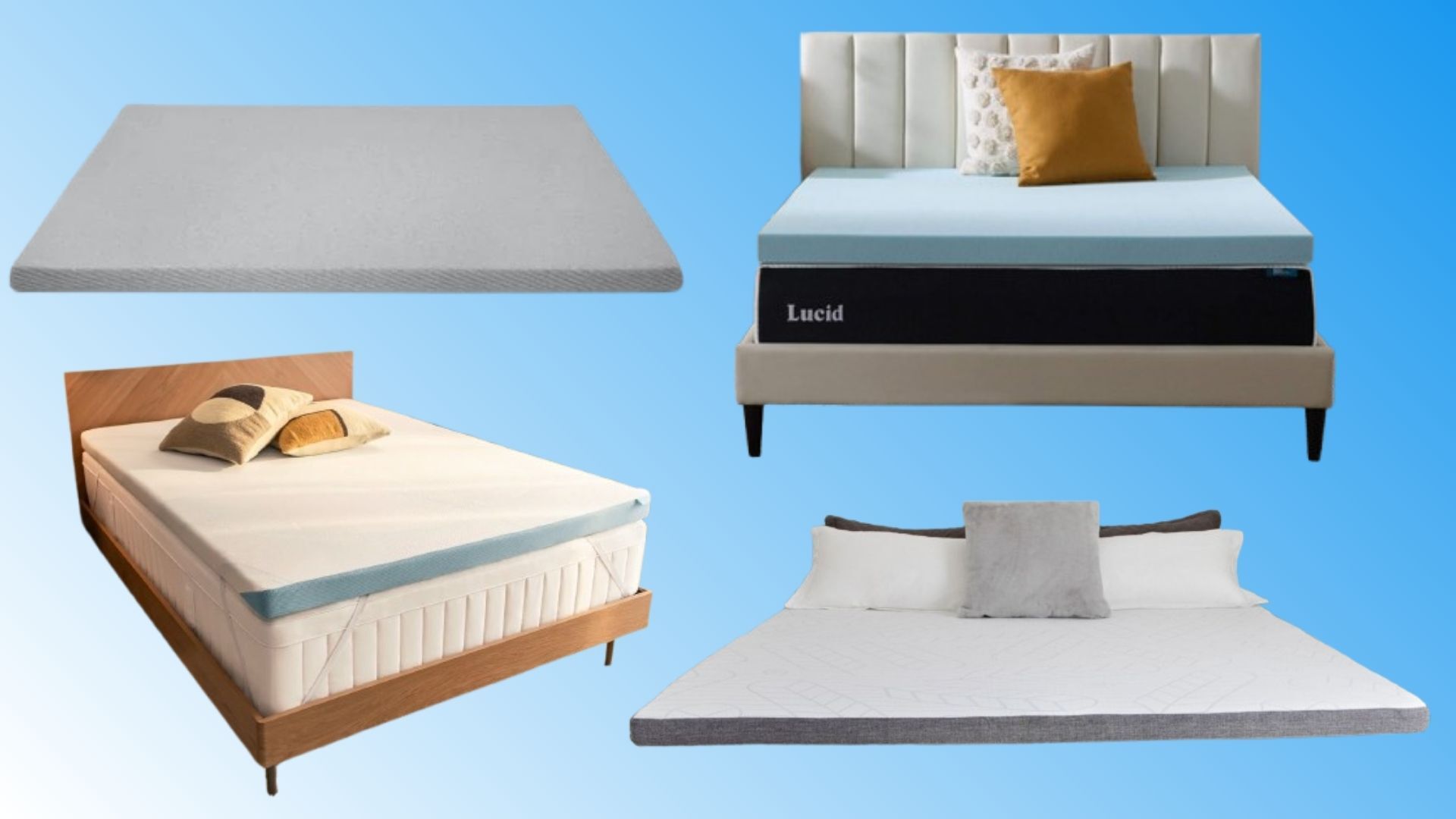
Credit: www.tomsguide.com
Frequently Asked Questions
How Long Do Foam Mattress Toppers Last?
Foam mattress toppers typically last between 3 to 5 years. Their lifespan depends on the quality and usage. Regular maintenance and proper care can extend their longevity. It's essential to rotate and clean them regularly. Replacing them when signs of wear appear ensures optimal comfort and support.
What Affects The Lifespan Of A Foam Topper?
The lifespan of a foam topper is influenced by its quality, usage, and maintenance. Higher-quality toppers generally last longer. Regular use, especially if it's not rotated, can reduce its life. Proper care, like cleaning and rotating, is essential. Environmental factors, like humidity, can also impact its durability.
How Can I Extend My Foam Topper's Life?
To extend your foam topper's life, rotate it regularly to prevent uneven wear. Use a mattress protector to shield it from spills and stains. Ensure it’s placed on a supportive mattress foundation. Clean it as recommended by the manufacturer. Avoid placing heavy objects on it to maintain its shape.
When Should I Replace My Foam Topper?
You should replace your foam topper when it shows signs of wear and tear. If it no longer provides comfort or support, it's time for a new one. Noticeable sagging, lumps, or loss of shape indicate it's time for replacement.
Regularly assess its condition to ensure optimal sleep quality.
Conclusion
A foam mattress topper usually lasts between 3 to 5 years. Its lifespan depends on use, care, and quality. Regular cleaning and rotating help keep it fresh. Avoid heavy pressure to prevent damage. Watch for signs like sagging or less comfort.
Replacing it on time ensures better sleep quality. Good care extends the topper’s life. Sleep well and enjoy your mattress topper longer.