Are you wondering how long your memory foam mattress will really last? You’ve probably invested in one to enjoy better sleep and comfort.
But knowing when it’s time to replace it can be tricky. Your mattress affects your health, mood, and energy every single day. So, understanding its lifespan isn’t just useful—it’s essential. Keep reading to discover the signs of wear, how to extend your mattress’s life, and when you should start thinking about a new one.
This knowledge will help you protect your sleep quality and make smart choices for your well-being.
Credit: www.leesa.com
Memory Foam Mattress Basics
Memory foam mattresses are popular for comfort and support. They mold to your body to reduce pressure points.
Knowing how long these mattresses last helps you plan your sleep needs and budget.
What Is Memory Foam
Memory foam is a soft, flexible material made from polyurethane. It reacts to heat and pressure.
This foam softens where your body touches it, creating a custom fit. It helps with comfort and pain relief.
Types Of Memory Foam Mattresses
There are different types of memory foam mattresses. Each offers a unique feel and support level.
- Traditional Memory Foam:Soft and contouring, great for pressure relief.
- Gel Memory Foam:Contains gel to help keep you cool during sleep.
- Plant-Based Memory Foam:Made with natural materials for eco-friendly comfort.
- Open-Cell Memory Foam:Designed with tiny air pockets for better airflow.
Factors Affecting Mattress Lifespan
Memory foam mattresses do not last the same for everyone. Different things can change how long they stay comfy. Knowing these factors helps you take care of your mattress better.
This article looks at main points that affect how long a memory foam mattress can last. These points include foam quality, usage, care, and room conditions.
Foam Density And Quality
Foam density means how heavy the foam is per volume. Higher density foams often last longer. They keep their shape and support better over time.
Quality also matters. Good quality foam resists wear and tear. Cheaper foam breaks down faster and feels less comfortable after months.
- High-density foam lasts 7 to 10 years
- Low-density foam lasts 3 to 5 years
- Quality foam holds shape and support longer
Usage Frequency And Weight
How often you use the mattress changes its lifespan. Daily use wears the foam faster than occasional use. More weight on the mattress also causes faster wear.
Heavier people press the foam more. This can make the foam lose its shape sooner. Light use and lighter weight help the mattress last longer.
- Daily use shortens mattress life
- More body weight compresses foam faster
- Occasional use extends mattress lifespan
Maintenance And Care
Taking care of the mattress helps it last longer. Cleaning it regularly and rotating it keeps wear even. Using a mattress protector stops stains and damage.
Ignoring care leads to quicker breakdown. Dirt and sweat can damage foam. Proper care keeps the mattress fresh and supportive.
- Rotate mattress every 3 to 6 months
- Use mattress protectors to prevent stains
- Clean mattress surface regularly
Room Temperature And Humidity
Memory foam reacts to heat and moisture. High temperatures soften the foam. Cold makes it firmer. Humidity can cause foam to degrade faster.
Keep the room cool and dry for best mattress life. Avoid placing the mattress near heaters or in damp areas. This helps foam stay stable longer.
- Warm rooms soften memory foam
- Cold rooms make foam firmer
- High humidity can damage foam over time
- Keep mattress in cool, dry place
Typical Lifespan Of Memory Foam Mattresses
Memory foam mattresses offer comfort and support for many years. Knowing how long they last helps you plan for replacement.
The lifespan depends on quality, use, and care. This guide explains the average durability and signs of wear.
Average Durability Range
Most memory foam mattresses last between 7 and 10 years. High-quality foams can last even longer.
Lower density foams wear out faster, usually around 5 to 6 years. Proper care can extend the mattress life.
- High-density foam: 8 to 10 years
- Medium-density foam: 6 to 8 years
- Low-density foam: 5 to 6 years
Signs Of Wear And Tear
Over time, memory foam mattresses show signs of use. Recognizing them helps you decide when to replace your mattress.
Common signs include sagging, lumps, and loss of support. These affect comfort and sleep quality.
- Visible sagging or indentations
- Foam not bouncing back after pressure
- Increased body aches or discomfort
- Uneven surface with lumps or bumps
- Unusual odors or stains
Extending Memory Foam Mattress Life
Memory foam mattresses can last many years if cared for properly. Taking simple steps helps keep the mattress comfortable and supportive.
Proper care reduces wear and tear. This extends the mattress's life and maintains good sleep quality.
Proper Cleaning Tips
Cleaning your memory foam mattress regularly keeps it fresh and free from dust. Avoid using too much water as it can damage the foam.
- Vacuum the mattress surface gently
- Spot clean stains with mild soap and water
- Do not soak the mattress with liquids
- Let the mattress dry completely before use
Using Mattress Protectors
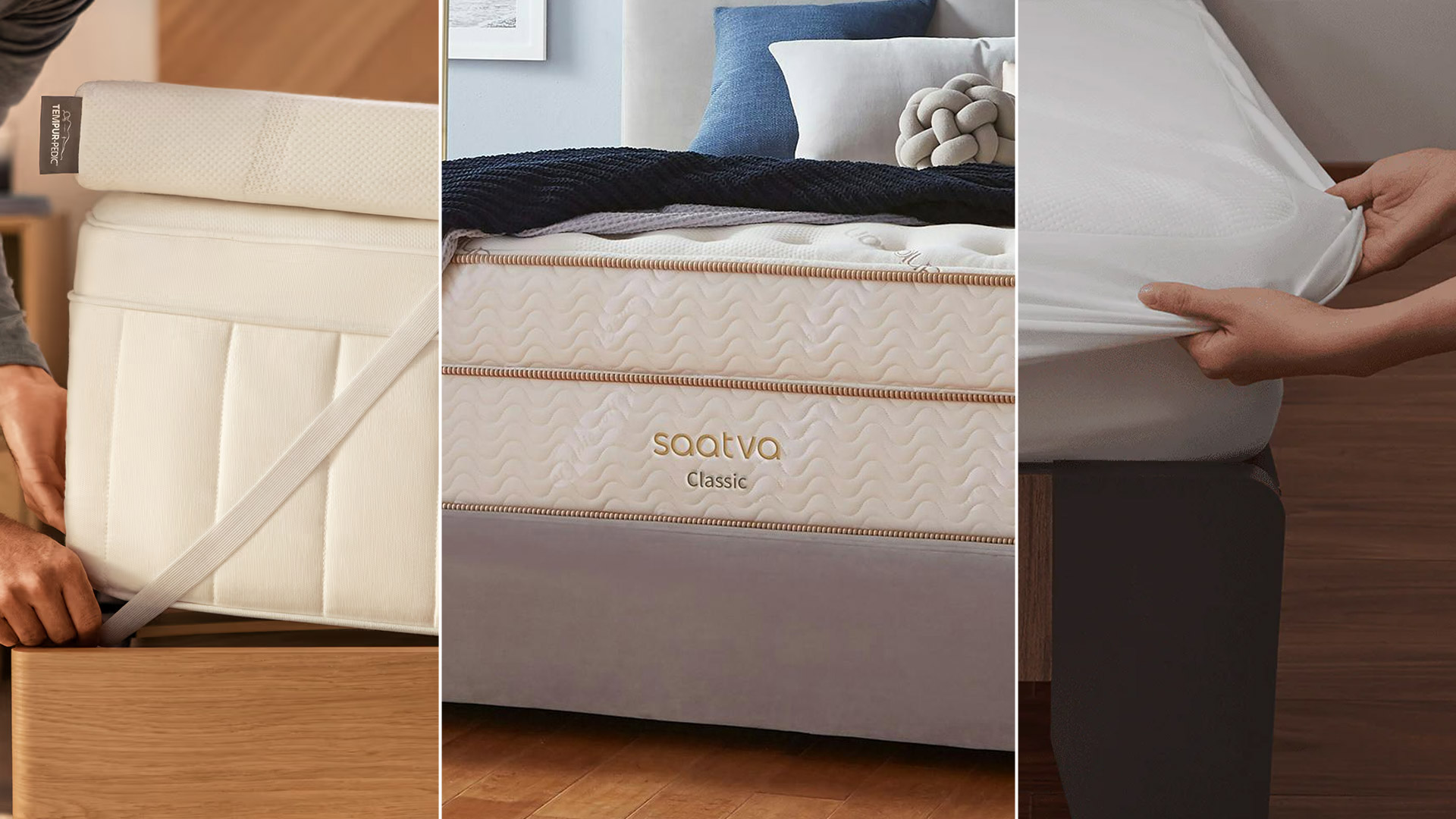
A mattress protector shields the foam from spills, dirt, and sweat. It keeps the mattress cleaner for longer.
Choose a protector that is breathable and easy to wash. Wash it often to maintain hygiene.
Rotating And Flipping
Rotate your mattress every few months to spread out wear evenly. This prevents sagging in one spot.
Some memory foam mattresses allow flipping. Check your mattress type and flip if possible to extend life.
- Rotate mattress 180 degrees regularly
- Flip mattress if design allows
- Follow manufacturer's instructions
Avoiding Excessive Weight And Pressure
Too much weight or constant heavy pressure can damage memory foam. Avoid standing or jumping on the mattress.
Use the mattress for sleeping only. Distribute weight evenly to keep the foam in good shape.
- Do not place heavy objects on mattress
- Avoid sitting on mattress edges for long
- Keep pets off mattress to reduce pressure points
When To Replace Your Memory Foam Mattress
Memory foam mattresses can last many years with proper care. Over time, they may lose their comfort and support. Knowing when to replace your mattress helps you sleep better and stay healthy.
Look for signs that show your mattress is wearing out. These signs help you decide if it is time for a new mattress.
Physical Damage Indicators
Check your mattress for physical damage like tears, cracks, or lumps. These damages reduce comfort and can get worse over time.
Damaged memory foam can cause uneven support and disturb your sleep quality.
- Tears or holes in the foam
- Visible lumps or bumps
- Cracks or broken areas
- Foam that does not bounce back
Comfort And Support Decline
Your mattress should feel comfortable and support your body well. If you feel pain or discomfort, it may be time to replace it.
Memory foam loses its shape after years of use. This causes sagging and less support for your spine and joints.
- Mattress feels too soft or too hard
- Wake up with body aches or stiffness
- Notice sagging or indentations
- Foam does not return to original shape
Health And Hygiene Concerns
Old mattresses can hold dust mites, allergens, and bacteria. This can cause allergies and breathing problems.
Keeping a mattress for too long may affect your health. Replace it if cleaning does not help reduce allergies or odors.
- Persistent odors or stains
- Allergy symptoms worsen after sleep
- Visible mold or mildew
- Difficulty cleaning deep inside the foam
Credit: www.tomsguide.com
Comparing Lifespan With Other Mattress Types
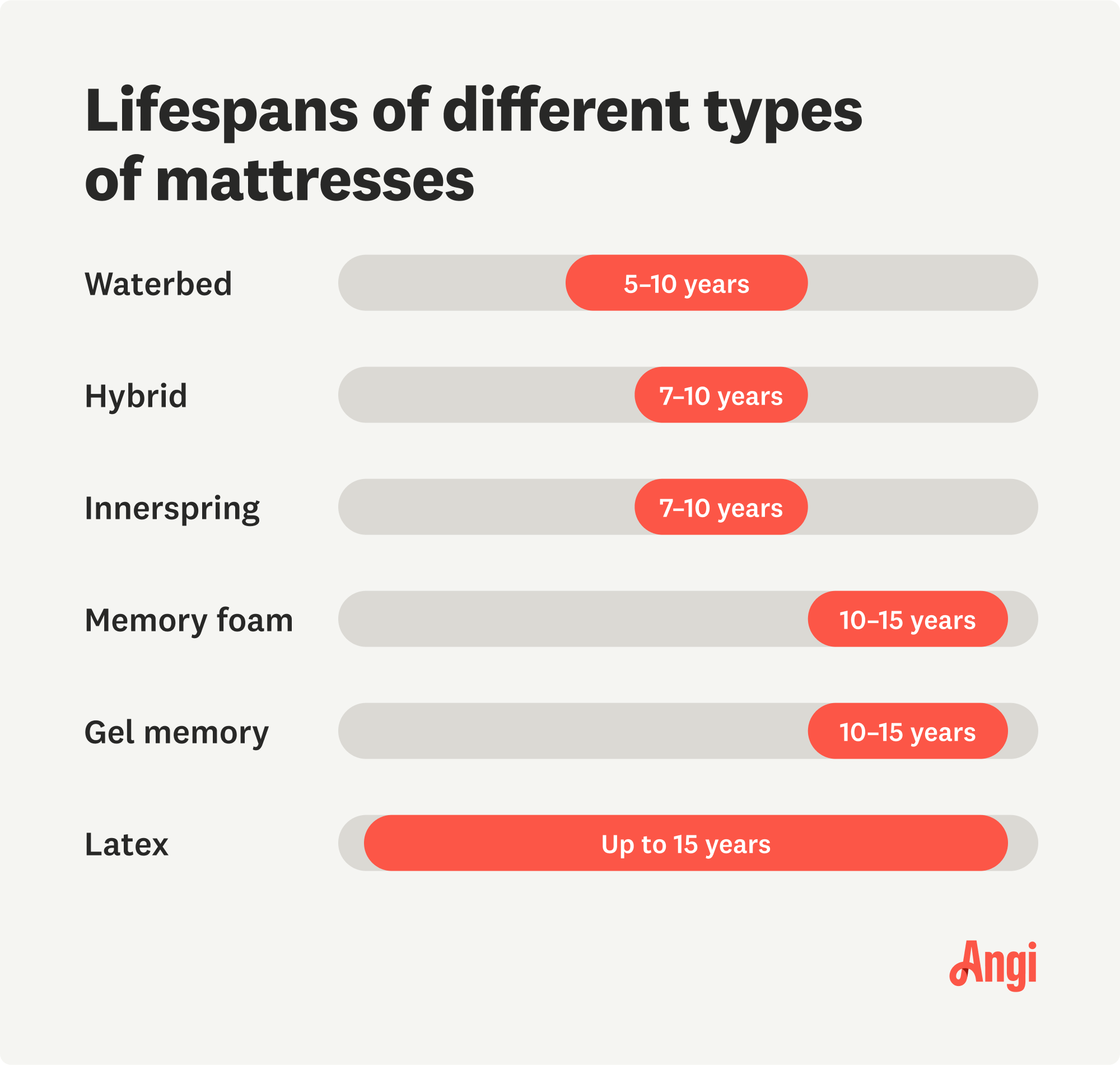
Memory foam mattresses last a good amount of time. It is helpful to compare their lifespan with other types. This helps you pick the best mattress for your needs.
Each mattress type uses different materials. These affect how long the mattress stays comfortable and supportive.
Innerspring Mattresses
Innerspring mattresses use metal coils inside for support. They usually last about 7 to 10 years. The coils can wear out or break over time.
These mattresses may lose comfort faster than memory foam. The top layers can get thin or lumpy. Regular use can cause the springs to sag.
Latex Mattresses
Latex mattresses use natural or synthetic latex foam. They are very durable and can last 10 to 15 years. The latex keeps its shape well over time.
Latex mattresses resist sagging and body impressions. This makes them a long-lasting option. They are also good for people who want natural materials.
Hybrid Mattresses
Hybrid mattresses combine coils and foam layers. Their lifespan is usually 8 to 12 years. The quality of both parts affects how long they last.
Good hybrids balance comfort and support. Poor quality hybrids may wear out faster. It is important to check the materials used in these mattresses.
Credit: www.angi.com
Frequently Asked Questions
How Long Do Memory Foam Mattresses Typically Last?
Memory foam mattresses usually last between 7 to 10 years. Durability depends on factors like quality, usage, and maintenance. Proper care, such as regular cleaning and rotating, can extend their lifespan. Always check the warranty for specific details about your mattress.
What Affects A Memory Foam Mattress's Lifespan?
Several factors affect a memory foam mattress's lifespan, including its quality, density, and usage. Frequent use and lack of care can shorten its life. Regularly rotating and cleaning your mattress can help maintain its condition and extend its lifespan.
How Can I Extend My Memory Foam Mattress's Life?
To extend your mattress's life, use a protective cover and rotate it regularly. Avoid jumping or putting heavy objects on it. Clean spills immediately and follow the manufacturer's care instructions. Proper maintenance helps in preserving its quality and comfort.
When Should I Replace My Memory Foam Mattress?
Replace your memory foam mattress if you notice sagging, discomfort, or lack of support. Typically, this occurs after 7 to 10 years. Listen to your body; if you experience back pain or poor sleep quality, it might be time for a new mattress.
Conclusion
Memory foam mattresses usually last around 7 to 10 years. Their lifespan depends on quality, use, and care. Regular cleaning and rotating help keep them fresh. Avoid jumping or heavy pressure to prevent damage. Choosing a good mattress means better support and comfort.
Remember, proper care extends your mattress’s life. A well-maintained mattress saves money in the long run. Sleep well, and enjoy your memory foam mattress for many years.