

Mold on your furniture can be more than just an eyesore—it can affect your health and damage your belongings. If you’ve spotted those stubborn spots growing on your favorite chair or wooden table, you’re probably wondering how to get rid of them safely and effectively.
You don’t want to make the problem worse or waste time on methods that don’t work. You’ll discover simple, proven steps to clean mold off your furniture and keep it from coming back. Keep reading to protect your home and breathe easier.

Credit: www.angi.com
Identify Mold On Furniture
Mold can grow on many types of furniture, especially in damp places. It can cause damage and health problems.
It is important to spot mold early. Knowing how to identify it helps you clean it safely and quickly.
Common Signs Of Mold
Mold on furniture usually looks like spots or patches. These can be different colors like black, green, or white.
You may also notice a musty smell near the furniture. Mold can make the surface feel damp or sticky.
- Discolored spots or patches on fabric or wood
- Fuzzy or slimy texture on the surface
- Musty or earthy odor around the furniture
- Peeling paint or finish on wooden furniture
- Allergy symptoms when near the furniture
Types Of Mold On Furniture
Different molds can grow on furniture. Some are harmless, but others can be harmful to health.
Knowing the type of mold helps you choose the right cleaning method and safety steps.
- Cladosporium:Common, green or black spots on fabric or wood.
- Aspergillus:Often black or gray, can cause allergies.
- Penicillium:Blue or green mold, grows on damp materials.
- Stachybotrys (Black Mold):Dark black and slimy, can be toxic.
Gather Cleaning Supplies
Cleaning mold off furniture needs the right supplies. Getting these ready helps you work safely and well.
Using proper tools and safety gear protects your furniture and your health during cleaning.
Essential Tools And Materials
Gather tools that remove mold and clean surfaces. Choose products safe for your furniture type.
- Soft-bristle brush to scrub mold gently
- Vacuum cleaner with HEPA filter
- Spray bottles for cleaning solutions
- White vinegar or mild detergent
- Clean cloths or microfiber towels
- Bucket for mixing cleaning liquids
- Disposable sponges or scrub pads
Avoid harsh chemicals that can damage wood or fabric. Test cleaners on small areas first.
Safety Gear To Use
Wear safety gear to protect your skin, eyes, and lungs. Mold spores can cause irritation.
- Rubber or latex gloves to protect hands
- Safety goggles to shield your eyes
- Face mask or respirator to avoid breathing spores
- Long-sleeved clothing to cover your skin
- Old clothes you can wash or throw away
Use these items every time you clean mold. They keep you safe and stop mold spreading.
Prepare The Cleaning Area
Cleaning mold off furniture needs a safe and clean workspace. Prepare the area well to avoid spreading mold spores.
Set up your space before you start cleaning. This helps keep the mold from spreading to other places.
Ventilation Tips
Good air flow helps remove mold spores from the air. Open windows and doors to let fresh air in.
Use fans to push air outside. Avoid blowing air directly on the mold to stop spreading spores.
- Open windows and doors
- Place fans near windows to push air outside
- Avoid using fans that blow air toward mold
- Wear a mask to protect yourself from spores
Protect Surrounding Items
Cover nearby furniture and floors with plastic sheets or old cloths. This stops mold spores from landing on them.
Remove small items or fabrics close to the moldy furniture. This helps keep your other belongings safe.
- Use plastic sheets or drop cloths to cover floors
- Move small items away from the cleaning area
- Keep cleaning tools separate to avoid cross-contamination
- Wear gloves to protect your hands

Credit: victoryrelax.com
Clean Mold From Wooden Furniture
Mold can damage wooden furniture and cause bad smells. It is important to clean mold quickly and safely.
There are simple ways to remove mold without harming the wood. Use gentle cleaning methods for best results.
Dry Brushing Technique
Start by using a soft brush to remove mold from wood. Brush gently to avoid scratching the surface.
Brush outside or in a well-ventilated area to avoid breathing mold spores. Wear a mask for safety.
- Use a soft-bristled brush
- Brush mold off in one direction
- Do this outdoors or near an open window
- Wear a mask to protect your lungs
Using Vinegar Or Baking Soda
Vinegar and baking soda are natural cleaners that kill mold. They are safe for most wood types.
Spray vinegar on the moldy area or make a paste with baking soda and water. Let it sit before wiping.
- Spray white vinegar on mold spots
- Let it sit for 10 minutes
- Make a paste with baking soda and water
- Apply paste to mold and wait 15 minutes
- Wipe clean with a damp cloth
Applying Wood Cleaner
Use a wood cleaner made for mold removal if vinegar or baking soda do not work. Follow the product instructions carefully.
Test the cleaner on a small hidden area first. Use a soft cloth to apply and remove mold safely.
- Choose a wood cleaner safe for mold
- Test on a hidden spot first
- Apply with a soft cloth
- Wipe off mold and dry the area
Clean Mold From Upholstered Furniture
Mold on upholstered furniture can cause health problems and damage the fabric. It is important to clean mold carefully to keep your furniture safe and fresh.
Cleaning mold requires gentle handling to avoid spreading spores. Use simple steps to remove mold without harming the fabric.
Vacuuming Mold Spores
Start by vacuuming the furniture to remove loose mold spores. Use a vacuum with a HEPA filter for better cleaning.
Wear a mask and gloves to protect yourself from breathing mold spores. Vacuum all sides of the furniture, including cushions and crevices.
Spot Cleaning Methods
Use spot cleaning to remove visible mold spots on the fabric. Gently blot the area with a clean cloth and mild soap mixed with water.
Avoid rubbing hard because this can spread mold and damage the fabric. Work from the outside of the mold spot inward.
- Mix mild soap with warm water
- Use a soft cloth to blot the mold spots
- Work gently to avoid spreading mold
- Dry the area completely after cleaning
Using Fabric-safe Cleaners
Choose cleaners made for upholstery to avoid damage. Test the cleaner on a hidden area first to check for color changes.
Apply the cleaner as directed and wipe away mold with a clean cloth. Let the furniture dry in a well-ventilated area.
- Pick upholstery-safe mold removers
- Test on a small hidden spot first
- Follow product instructions carefully
- Dry furniture fully after cleaning
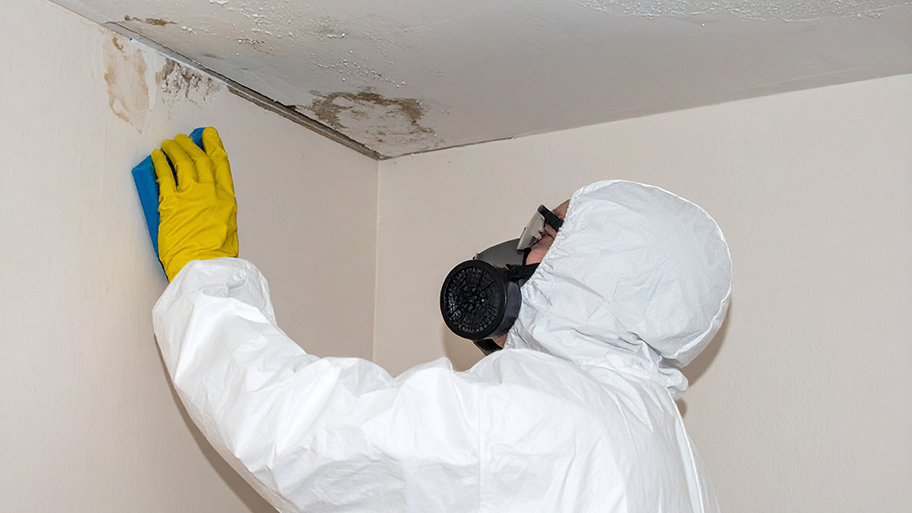
Credit: www.angi.com
Dry And Prevent Mold Regrowth
Mold grows on furniture when it stays wet for too long. Drying furniture properly stops mold from coming back. You must also keep the room dry to prevent mold regrowth.
Using mold-resistant treatments can protect your furniture. These steps help keep your home clean and safe from mold.
Proper Drying Techniques
Dry furniture quickly after cleaning mold. Use towels to soak up water from wood or fabric surfaces. Avoid leaving furniture wet for many hours.
Open windows or doors to let fresh air flow. Use fans to speed up drying. Make sure all parts of the furniture dry evenly.
Dehumidifying The Room
Keep the room dry to stop mold from growing on furniture again. Use a dehumidifier to lower moisture in the air. This helps furniture stay dry longer.
Check the humidity level and keep it below 60%. High humidity makes mold grow faster and easier on surfaces.
- Place the dehumidifier near the furniture
- Empty the water tank regularly
- Run the dehumidifier daily in damp rooms
Applying Mold-resistant Treatments
Use mold-resistant sprays or coatings on your furniture. These treatments stop mold spores from settling and growing. Always follow the product instructions for safety.
Test treatments on a small spot first. This prevents damage or discoloration. Reapply treatments as needed to keep protection strong.
When To Call A Professional
Cleaning mold off furniture can sometimes be simple. Small spots may be cleaned with household items. But some mold problems need expert help.
Knowing when to call a professional keeps you safe. It also helps stop mold from spreading and damaging your furniture.
Signs Mold Is Extensive
Large patches of mold on furniture show a serious problem. If mold covers more than a small area, it is best to get help. Also, mold that keeps coming back means it may be deep inside.
Furniture that smells musty or damp often has hidden mold. If you see mold on more than one piece of furniture, the problem may be bigger than you think.
- Mold covers over 10 square inches
- Mold appears in many areas on the furniture
- Musty or damp smell stays after cleaning
- Mold returns quickly after removal
Health Concerns To Consider
Mold can cause health problems, especially for some people. If anyone in your home has allergies or breathing issues, avoid cleaning mold yourself. Mold spores can cause coughing, sneezing, or worse.
People with weak immune systems, asthma, or lung problems should not touch mold. Professionals have the right tools to clean mold safely and protect your health.
- Allergies or asthma symptoms worsen around mold
- Weak immune system or chronic illness present
- Children or elderly living in the home
- Persistent coughing, sneezing, or eye irritation
Frequently Asked Questions
What Is The Best Cleaner For Mold On Furniture?
A solution of water and white vinegar is effective for cleaning mold. Mix equal parts of both. Apply the solution with a cloth and gently scrub the affected area. Allow the solution to sit for about 15 minutes. Then, wipe clean with a damp cloth.
Can Mold On Furniture Be Harmful?
Yes, mold can be harmful to your health. It can cause respiratory issues, allergies, and other health problems. It's important to clean mold promptly. Ensure proper ventilation and consider wearing a mask and gloves. If mold is extensive, consider seeking professional help.
How Do I Prevent Mold From Returning On Furniture?
Ensure proper ventilation in your home to prevent mold. Use a dehumidifier to maintain low humidity levels. Regularly clean and dust your furniture to prevent mold growth. Keep furniture away from damp walls or areas prone to moisture. Ensure any water leaks are promptly fixed.
Is Vinegar Or Bleach Better For Mold Removal?
Vinegar is better for mold removal on furniture. It's effective and less harsh than bleach. Vinegar penetrates porous surfaces and kills mold at the root. Bleach can be too harsh and may damage furniture. Always test any solution on a small area first.
Conclusion
Cleaning mold off furniture takes care and patience. Use gentle cleaners and soft cloths to avoid damage. Always dry the furniture well after cleaning to stop mold from returning. Keep your home dry and well-ventilated to prevent mold growth. Regularly check your furniture for signs of mold.
Small problems become big ones if ignored. A clean home feels fresh and healthy. Taking simple steps helps protect your furniture and health. Stay alert, act quickly, and enjoy a mold-free space.


